





 English
  Francês
  Alemão
  Italiano
  Japonês
  Norueguês
  Portuguese
  Spanish
  3 min of reading


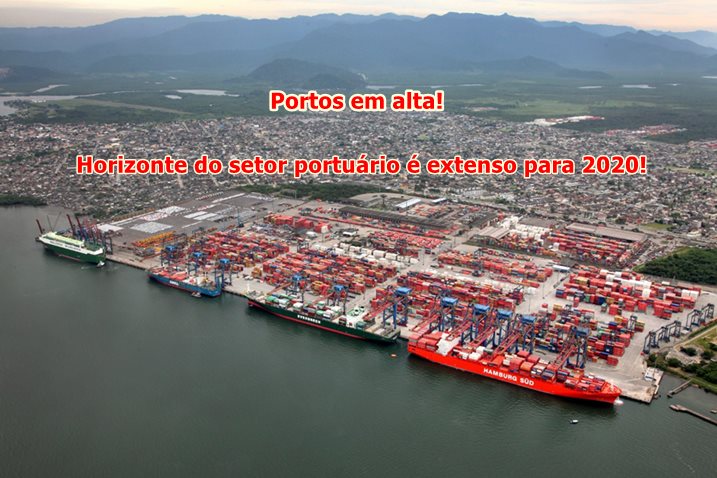
Ports on the Rise! Ministry of Infrastructure Points Out That Three Federal Port Authorities Reversed a History of Losses and Became Profitable in 2019.
Ports on the rise, the outlook for the port sector is extensive for 2020! In addition to the privatization process of Codesa (Espírito Santo Dock Company), SPA, and the administrator of the Port of São Sebastião (SP), the government anticipates the holding of 15 auctions – nine port terminals have already been qualified by the PPI (Investment Partnership Program). The expectation is that by 2022, 28 auctions will be held, with investments amounting to R$ 3.8 billion. The week concludes with many job openings for works and projects at the Port of Açu.
Read Also
- Port of Rio de Janeiro Advances in Studies for the Implementation of Dynamic Draught
- Job Openings Ahead! Método Potencial Engenharia Signs Contract with Leader in the Petrochemical Sector Braskem
The survey conducted by the Ministry of Infrastructure also indicates a 1% increase in the movement of Brazilian ports between the two years. The data comes from the National Agency of Waterway Transportation and the port authorities, taking into account values up to October 2019.
-
New shoe factory in Ceará is expected to create 400 jobs and strengthen the local economy.
-
No one imagined it, but a mixture of sawdust with a mineral that fights fires surprises scientists with a result that changes the course of fire-resistant construction.

-
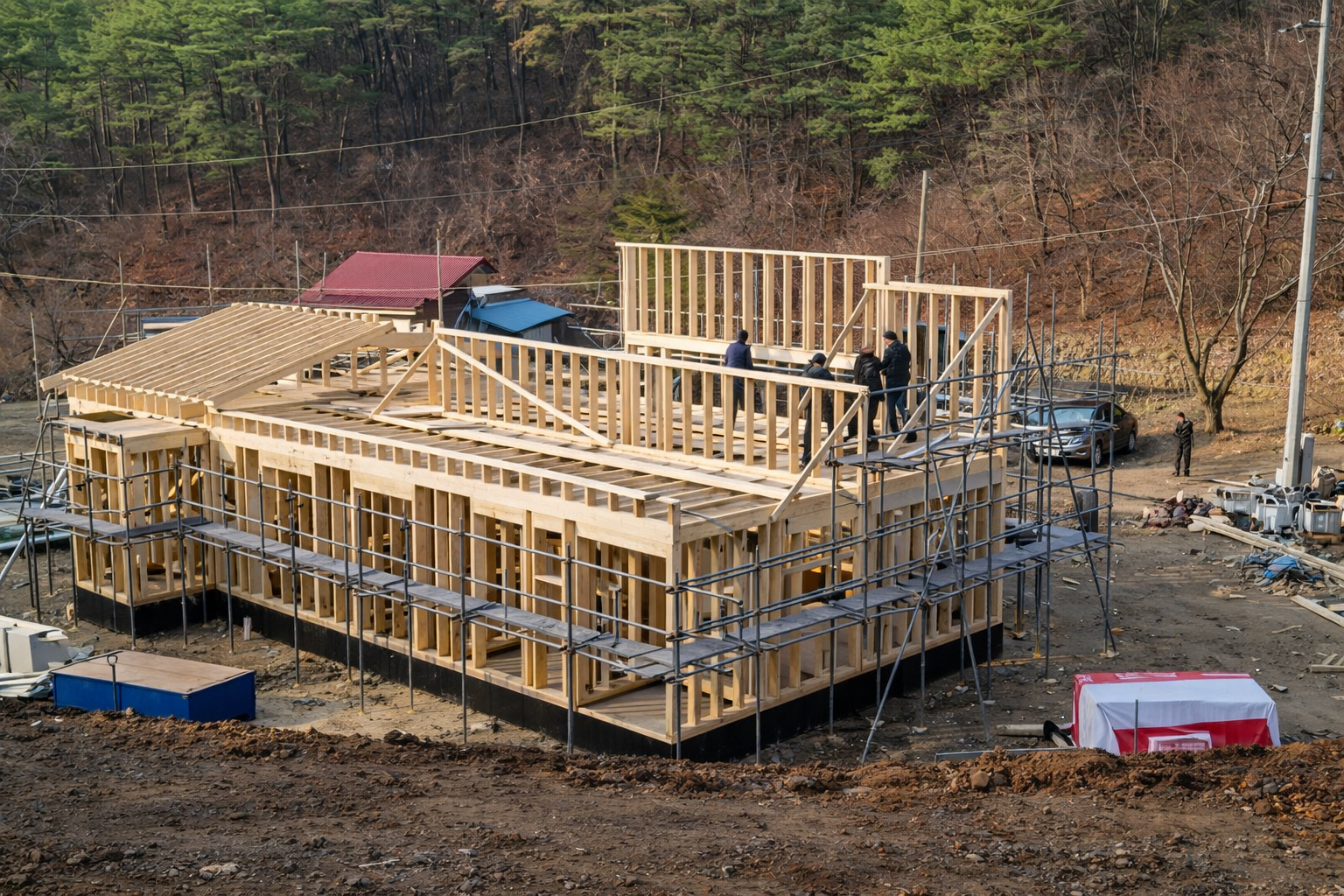
From empty land to a high-end house, wooden construction uses a lightweight system, metal structure for the foundation, ventilated ceramic cladding, and special windows to create an efficient and comfortable living space throughout the year.
-
From vacant land to a high-end house, wooden construction uses a lightweight system, a metal structure for support, ventilated ceramic cladding, and special windows to create an efficient and comfortable living space throughout the year.

In 2019, three of the seven federal port authorities reversed financial losses and began to operate profitably. They are: SPA (Santos Port Authority), which manages the Port of Santos (SP), Codeba (Bahia Dock Company), which manages the ports of Salvador (BA), Ilhéus (BA), and Aratu (BA), and CDP (Pará Dock Company), which manages the ports of Santarém (PA), Miramar (PA), Itaituba (PA), Vila do Conde (PA), Belém (PA), Outeiros (PA), and Óbidos (PA).
According to the data presented by the Ministry of Infrastructure, the results of the federal docks also increased 17 times, reversing the negative balance from R$1 billion to a loss of R$ 58 million, revealing the evolution of the companies’ balance sheets between 2018 and 2019.
CDP went from a loss of R$ 33 million in 2018 to a profit of R$ 35 million last year. Codeba reversed its loss of R$ 11.4 million to a profit of R$ 9.7 million between the two years. Lastly, SPA went from a loss of R$ 468 million in 2018 to a profit of R$ 150 million in 2019.
“This is the result of improved management, reduction of payroll expenses, optimization of contracts, increase in revenue, and updating of tariff tables,” explains the National Secretary of Ports and Waterway Transportation, Diogo Piloni. “Some docks that had losses for years managed to reverse their balance sheets. Moreover, even those that did not become profitable achieved improvements in their financial results,” he highlights.
19 terminals experienced growth in cargo volume. Among them is Santarém (PA), which took first place with a growth of 30.7% in 2019. Next is the Port of Itajaí (SC), with an increase of 23.2% compared to 2018. The Port of Vila do Conde (PA) came in third, with a 19.3% increase in the volume of cargo handled.
According to Piloni, the results could have been even better if not for the rupture of the dam at VALE in Brumadinho (MG) in January last year, which impacted iron ore exports across the country. “In addition, the outbreak of African swine fever in China, the main consumer of Brazilian soy, impacted the volume of grains exported to the Asian country,” he assesses. Nonetheless, among the 19 ports that recorded positive balances, there was a 6.1% growth in movement, increasing from 296 million tons handled in 2018 to 313 million tons handled in 2019.









Seja o primeiro a reagir!