





 English
  Francês
  Alemão
  Italiano
  Japonês
  Norueguês
  Portuguese
  Spanish
  2 min of reading


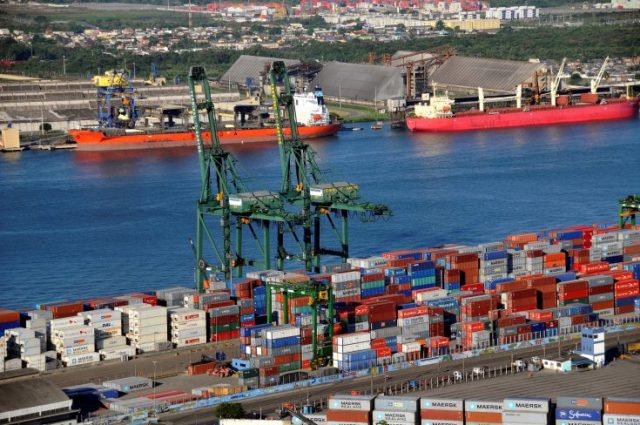
A Sector Clearly in Deficiency Seeks Improvements for Years, and the Rulers Say Nothing About Modernization
The logistics and port sector still has many challenges and obstacles with no apparent solution for the next government. This is still a theme that is little present in the speeches of presidential candidates, and in light of this scenario, the Association of Private Port Terminals (ATP) has drafted a manifesto with a series of structural measures, awaited by the private port sector, which will ensure much more investment and collaboration for the recovery of national growth.
Responsible for 67% of cargo movement, the Private Use Terminals (TUPs) use 100% private capital and bear all pertinent market risks to operate in the provision of services related to the movements of soy, corn, fuels, minerals, and containers. According to Murillo Barbosa, president of ATP, in just the last five years, the TUPs have invested over R$21 billion in modernization and improvements in the operations of 78 terminals across Brazil.
-
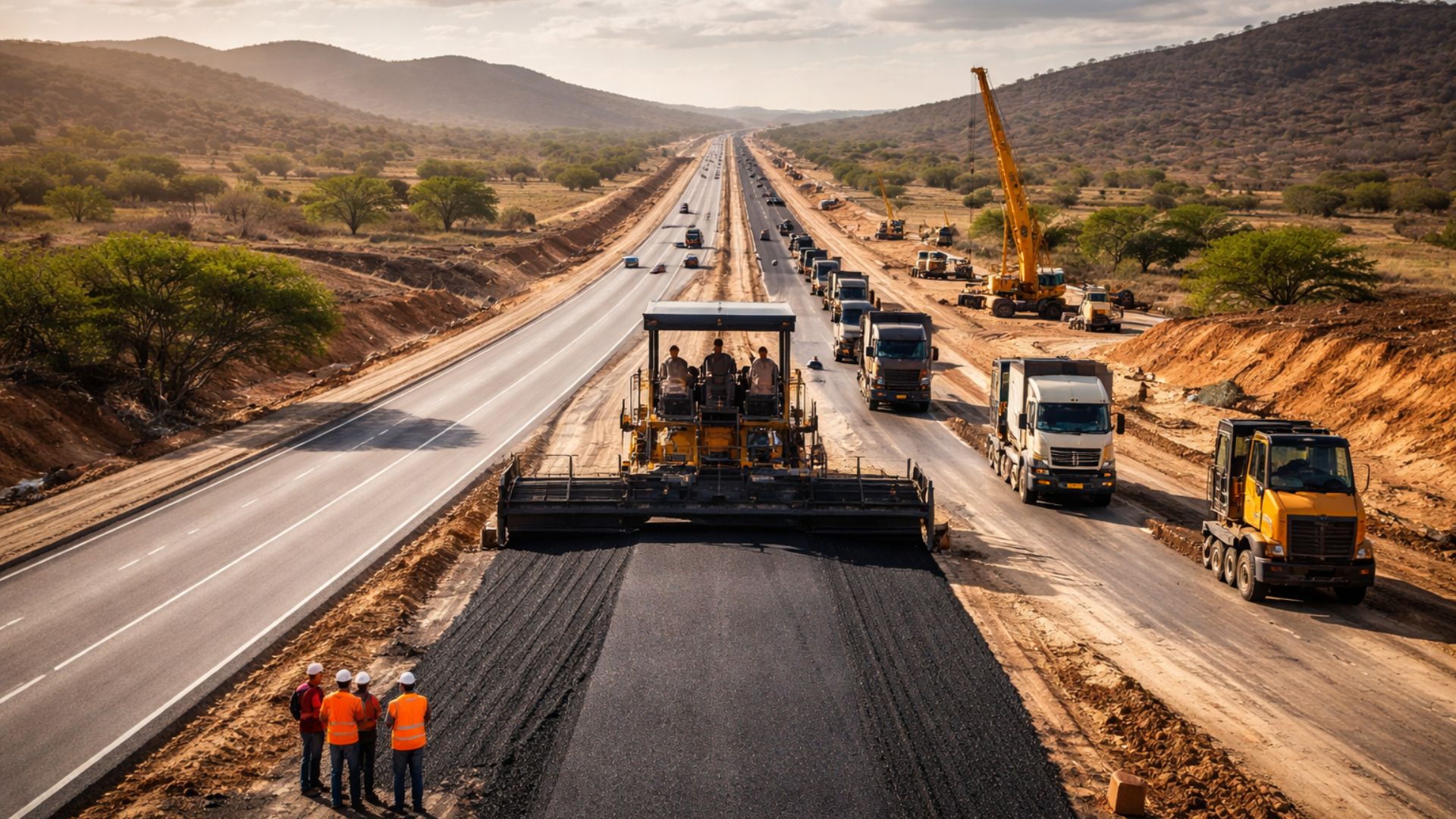
Government unlocks R$ 554 million for a highway that has been requested for decades and accelerates the duplication of BR.
-
Without bricks, without cement, and without endless construction: the cardboard house that is assembled in modules and can be moved.

-
Billions of barrels on the equatorial margin could lead Amapá to double its oil production in Brazil — the state aims to enter the route of companies in the Campos Basin, attract investments, and boost jobs and businesses in the oil and gas sector.

-
Without bricks, without cement, and without endless construction: the cardboard house that is assembled in modules and can be moved.

According to Barbosa, in counter to this process, the sector suffers from the insufficiency of the logistics matrix, reflected in the high cost of transport for predominantly road-based production, undermining the economic dynamics and cost variation in our country. On one side, we have private companies investing their capital, even with risks, to continue providing services in Brazil with efficiency and modernization, while on the other side, there is a precarious offer of infrastructure, compromising the entire logic of distribution of Brazilian products and hindering Brazilian progress.
This initiative reinforces the need for changes and the implementation of the National Logistics Plan (PNL), suggesting priorities in port infrastructure. The manifesto also encourages the model of integrated transport logistics with origins and destinations that connect production areas and industrial hubs to the ports, using multimodal systems when necessary, particularly railways, waterways, and cabotage navigation.
The sector also highlights the need to streamline procedures for project feasibility. Currently, between the approval of the final exemption term from operations, it takes 8 to 9 years, which can harm the competitiveness of national products, although some improvements were provided in 2013 by the Port Modernization Law, along with the decree from 2017.








Seja o primeiro a reagir!