





 English
  Francês
  Alemão
  Italiano
  Japonês
  Norueguês
  Portuguese
  Spanish
  3 min of reading
  0 comments


“We view positively the project aimed at providing solar energy to low-income consumers. It is a way to promote energy independence and efficiency to different audiences,” Gilberto Camargos, Executive Director of SolaX Power
The distance between renewable energy sources, especially solar, and the general population has been getting smaller. This is because the trend of decreasing prices for photovoltaic modules, which alone in January 2024 saw a 30% reduction compared to the same month of the previous year (according to research by Greener Consultoria), combined with government actions to expand the use of this source, has enabled increased access and a wider range of users of solar energy in Brazil.
A recent example of these actions is the project approved by the Chamber of Deputies to encourage solar energy generation among low-income consumers. The text, which will proceed for Senate approval, indicates that mini and micro-generation electric power plants should, preferably, use photovoltaic solar energy generation systems. These photovoltaic plants can be installed in rural areas, suspended above the surface of reservoirs, or in the homes of the Minha Casa, Minha Vida Program.
-
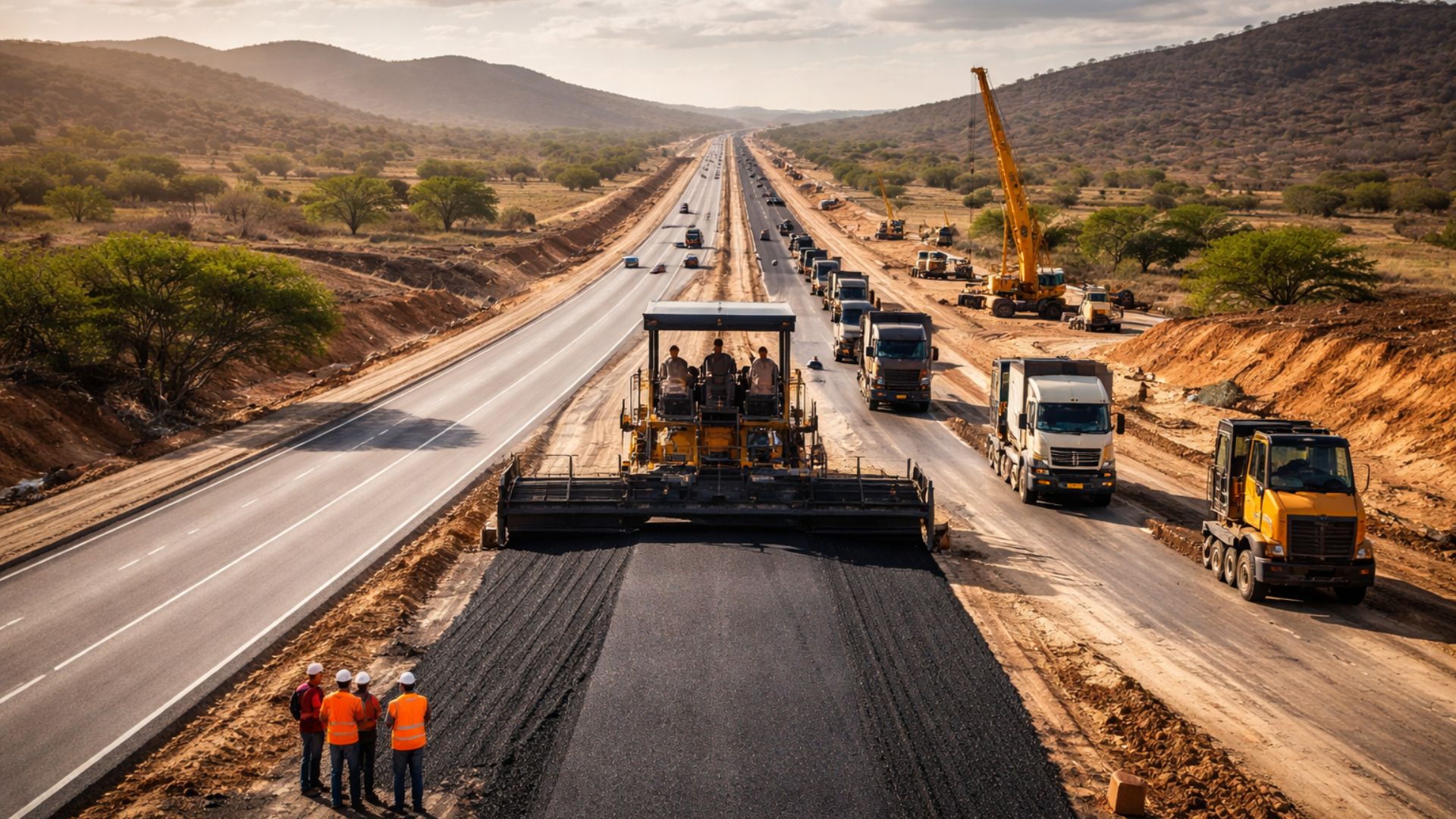
Government unlocks R$ 554 million for a highway that has been requested for decades and accelerates the duplication of BR.
-
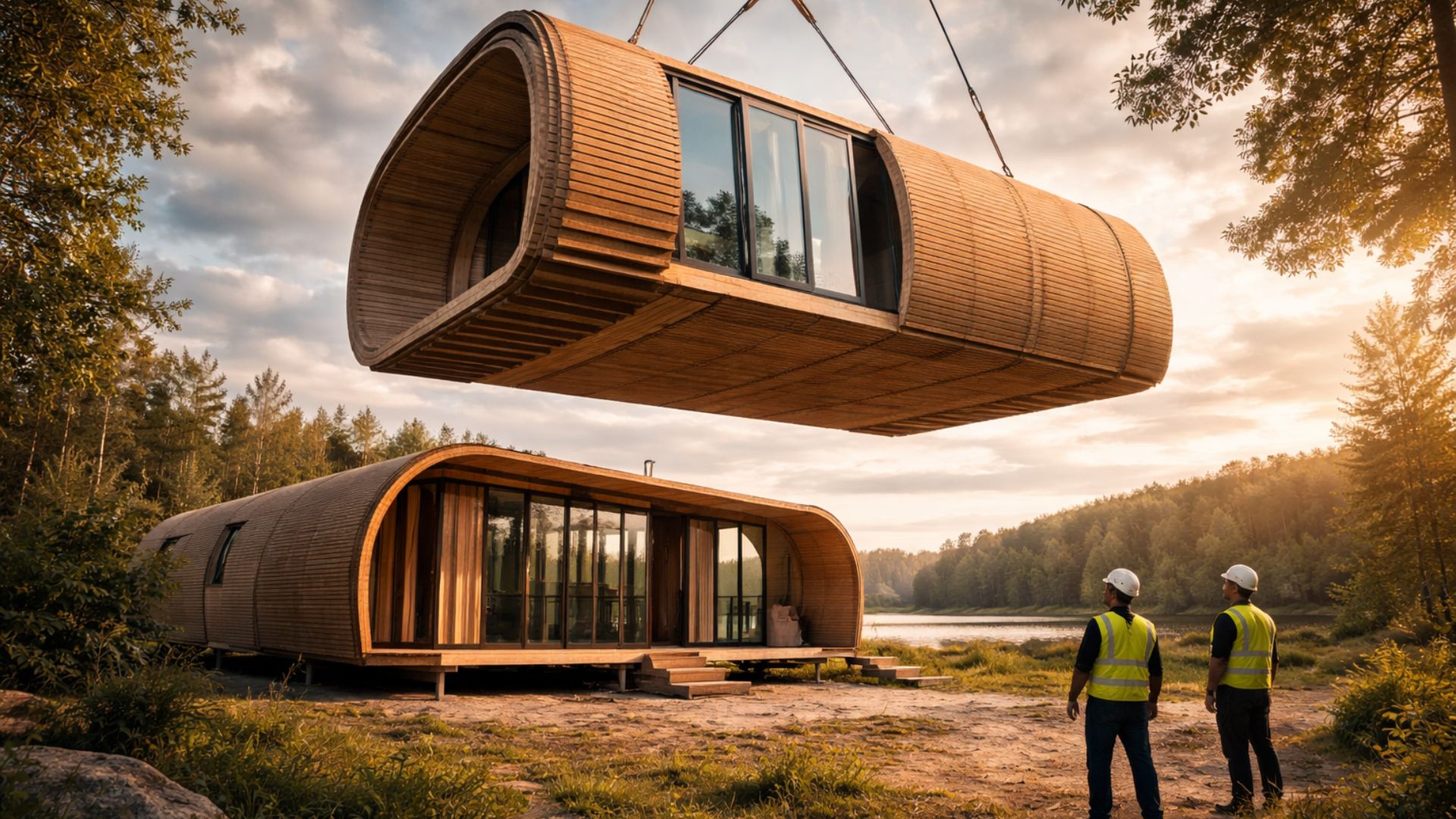
Without bricks, without cement, and without endless construction: the cardboard house that is assembled in modules and can be moved.
-
Billions of barrels on the equatorial margin could lead Amapá to double its oil production in Brazil — the state aims to enter the route of companies in the Campos Basin, attract investments, and boost jobs and businesses in the oil and gas sector.

-
Without bricks, without cement, and without endless construction: the cardboard house that is assembled in modules and can be moved.

This is an initiative that we view positively. Any incentive to promote people’s energy independence is welcome for developing both solar energy and energy efficiency. Moreover, it is an opportunity for solar energy to serve different customer profiles.
Of course, we also see the business potential for companies in the sector. SolaX Power, for example, which ranks third in the global market for hybrid inverters (according to data from S&P Global Commodity Insights), recently started its operations in Brazil and is in the process of expanding in the country. In this regard, the company views this initiative with optimism.
We are monitoring the progress of the project, now in the Senate, because we have equipment that meets both larger photovoltaic plants, which would be used through cooperatives, as well as the solution of microinverters, which could be used in solutions aimed at the Minha Casa, Minha Vida homes. So, if approved, we are ready to serve the two types of projects outlined in the text.
It is worth noting that these initiatives that disseminate and make solar energy more accessible contribute to Brazil maintaining a considerable growth rate in the sector. We are sixth in the global ranking for the most installed solar power capacity, and the country has already surpassed the mark of 29 GW of operational installed capacity in homes, businesses, industries, rural properties, and public buildings in the country, according to Absolar (Brazilian Solar Energy Association). With this, more than 3.7 million consumer units are already served by photovoltaic energy.
SolaX Power works worldwide to transform the planet into a greener, more sustainable place, and the broad access to renewable energies is a fundamental part of this process of transforming our society.
Gilberto Camargos
Executive Director of SolaX Power in Brazil






Seja o primeiro a reagir!