





 Portuguese
  English
  Spanish
 6 min of reading
  3 comments


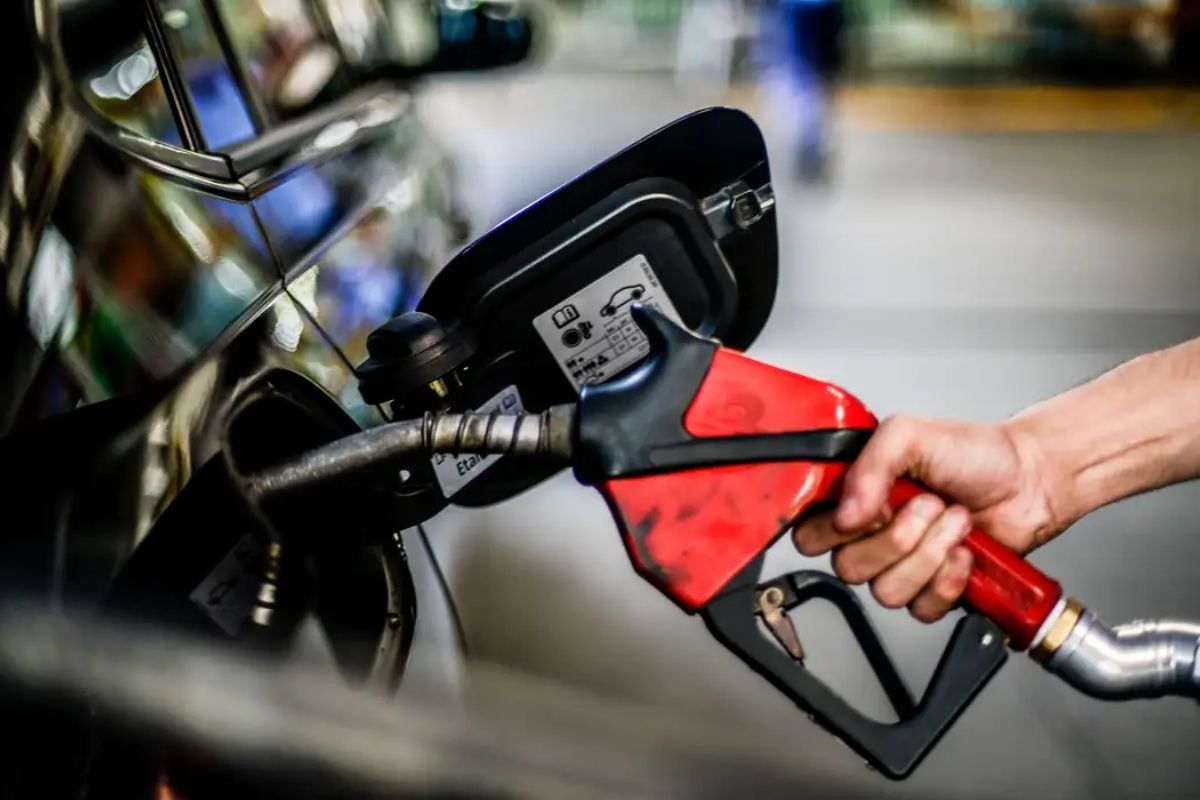


Fuel Stations Claim That Tension in the Middle East, the Cost of Ethanol and the Absence of Passing On from Distributors Explain the More Expensive Gasoline in Santa Catarina, but the Procon Requires Invoices, Forms a Fixed Team and Wants to Discover Where Prices Have Not Dropped Yet
The fuel stations in Santa Catarina have started to operate under direct pressure from the Procon after the agency set a deadline until the end of Friday, March 6, for the submission of purchase and sale invoices. The measure was taken after a meeting held on Thursday, the 5th, when representatives from the sector justified the gasoline prices based on the impact of the war in Iran and the international oil scenario.
From this meeting, the investigation ceased to be punctual and took on a permanent character. The focus now is not only on the final price displayed at the pumps, but on the entire price formation chain, from distribution to retail, including additional costs that business owners say they have absorbed without being able to pass on the announced reduction to consumers.
Why Did the Inspection Become Permanent in Santa Catarina
The Procon/SC’s movement indicates that the state government has started to treat the issue as a continuous consumer protection matter, rather than a transient market fluctuation.
-
BRICS is building its own payment system that could be operational by 2030, and experts say it could increase trade between the countries by up to 10% per year and add 3% to the GDP of each member of the bloc.

-
Government suspends over 3 million traffic fines in Brazil and drivers breathe a sigh of relief.

-
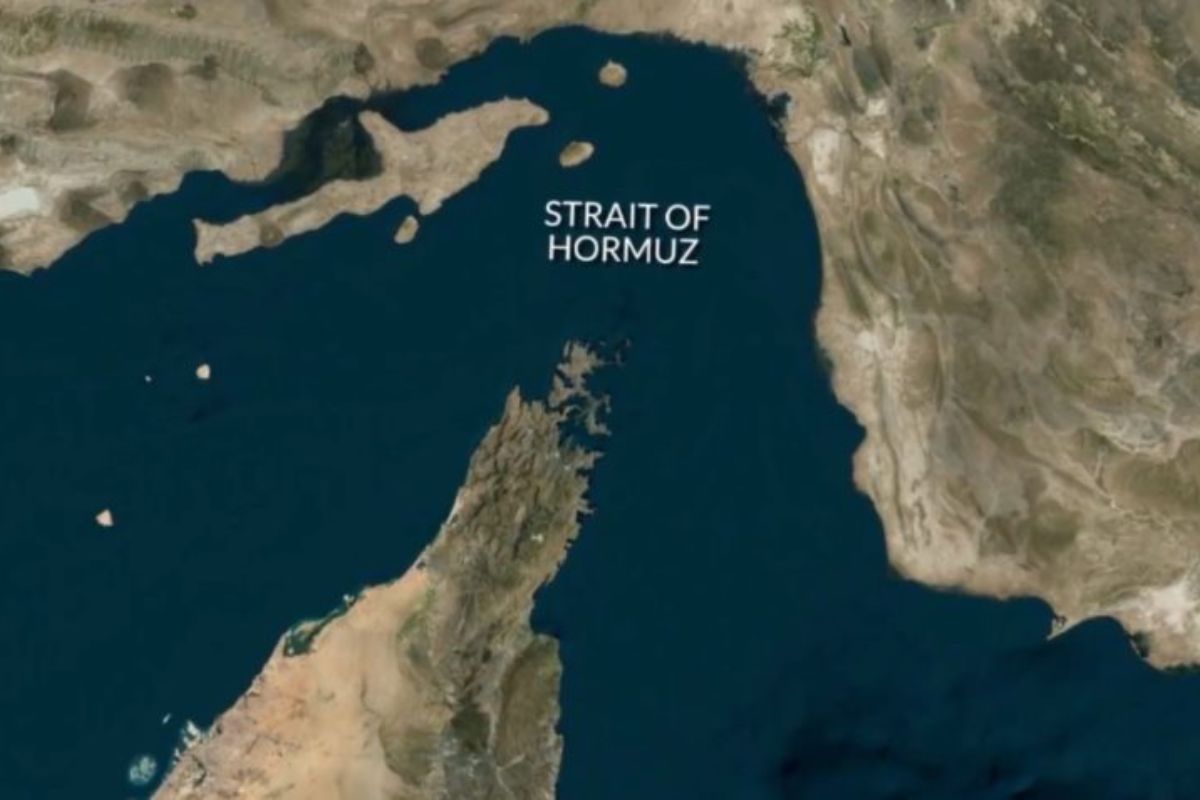
Iran has just approved toll charges for ships in the Strait of Hormuz and has completely prohibited the passage of vessels from the United States and Israel in the world’s most important maritime route for the global energy market.
-
Government cancels R$ 25 million “celebration” for Brasília’s anniversary and allocates funds to health.

The director of the agency, delegate Michele Alves, decided to create a specific team to monitor fuel prices throughout the state.
This means that the demand for documents and justifications should not stop in this first analysis cycle.
In practice, the fuel stations will have to show more clearly how they buy, how much they pay and at what point the final price diverges from the expected drop by the consumer.
When the agency requires invoices, it tries to take the discussion out of the generic field and bring it to documentary evidence, precisely where it will be possible to observe if the problem lies in retail, distribution, or a combination of several factors at the same time.
This new setup also shows that the Procon did not accept receiving just a verbal explanation about the war, oil, or the external market.
The agency wants to confront the discourse with the actual buying and selling movements, especially at a time when Petrobras has stated that it does not intend to adjust prices.
That’s why the permanent inspection serves as a double message. On one hand, it pressures the fuel stations to detail their cost structure.
On the other hand, it prepares the ground to increase scrutiny on distributors and other players in the chain, who are now also at the center of the investigation.
What the Stations Say About War, Distributors and Ethanol
In the meeting with the Procon, sector representatives stated that the price of gasoline may rise due to the international scenario, directly citing the war in Iran as a pressure factor on the oil market.
The explanation presented by the business owners is that the external environment affects expectations, costs, and passes within the national fuel chain.
But this was not the only justification. The fuel stations also stated that the reduction of around 5% announced in the market did not reach the distributors effectively to be passed on to retail.
As a result, according to the unions, the drop the consumer expected simply did not make it to the final sales stage.
The president of the Retail Fuel Trade Union of Florianópolis and Region, Vicente Santanna, added another component to the equation.
According to him, the costs for station owners also increased at the beginning of the year, with rental adjustments and input costs that enter the composition of gasoline prices.
In other words, the justification presented does not depend on a single factor but rather on a cumulative pressure from multiple sources at the same time.
There is also the weight of ethanol. According to the explanation given during the meeting, 30% of the fuel is made up of ethanol, and this component increased at the beginning of March due to the off-season of sugarcane.
This information is relevant because it shifts part of the discussion into the actual composition of the product sold at the pumps, not just to the war or Petrobras’s pricing policy.
Where the Price May Be Stalling and Why April Became a Crucial Month
The main question raised by the meeting is straightforward: if Petrobras does not intend to adjust prices and there was mention of a reduction of about 5%, at what point did this drop stop reaching the final consumer?
It is precisely this question that the Procon is now trying to answer by calling for a new round of talks with distributors and fuel station unions.
The agency announced that it will gather all distributors and unions in the state to discuss price formation and understand exactly where discrepancies in fuel pricing are occurring.
This stage is central because it shifts the debate from isolated retail to the complete chain, including those who supply fuel stations and define a crucial part of the cost that reaches the pump.
Michele Alves’s proposal also includes the participation of refineries in a meeting scheduled for April. The intention is to find a solution for rising fuel prices and try to prevent further adjustments.
This shows that the Procon perceives the problem as broader than a simple commercial choice by each reseller.
If this meeting advances with documents, average prices, and chronology of transfers, April could become the turning point of the crisis.
Until then, the fuel stations will remain at the center of public attention because they display the price visible to consumers, even when they claim not to solely control the trajectory of this value.
What Changes for the Consumer While the Investigation Advances
For the driver in Santa Catarina, the immediate effect is one of distrust. The consumer hears that there is a reduction, sees that Petrobras does not intend to adjust, but continues to find expensive gasoline during daily refueling.
It is precisely this disconnection between announcement and reality that led the Procon to turn the investigation into permanent surveillance.
The agency’s practical guidance is for continuous attention. Michele Alves indicated that the Procon understands the business owners’ argument but also recognizes the impact on the consumer’s wallet and will continue to scrutinize the fuel stations throughout the state.
This means that the driver has ceased to be merely an observer of rising prices and has become part of a formal dispute over price transparency.
In the short term, consumers should monitor variations by city, by brand, and by period because the inspection may reveal significant differences between regions and business practices.
The fact that the agency has required invoices already shows that it will not be enough to justify adjustments with generic explanations, especially in a context of strong public scrutiny.
At the same time, the investigation tends to increase pressure for any future decreases to be passed on more quickly. If the problem lies with the distributors, the scrutiny will change targets.
If it lies within retail, the inspection will have documentary grounds to move forward. In both cases, the formation of gasoline prices in Santa Catarina has entered a phase of more rigorous and public scrutiny.
What began as a reaction to more expensive gasoline has now evolved into a wider dispute over passing on, costs, war, ethanol, distribution, and transparency.
The fuel stations claim that the pressure comes from outside and above the chain.
The Procon wants to prove, with invoices and permanent inspection, whether this explanation holds true or if the reduction stopped at some point before reaching the driver.
Now, the central question has shifted from simply why gasoline is expensive to who exactly is holding back the drop that the consumer expected to see. In your view, is the problem more with the distributors, the stations, or the entire chain simultaneously?






Santa catarina especialmente palhoça é a pura máfia. O mesmo etanol em sao paulo na Faria Lima paguei 3,49. Gasolina 4.20 .e em sao paulo tem a opção de vários valores .aqui em palhoça e em santa catarina a máfia é um valor só kkk
Kkk esse povo que idolatra a família bolsonaro e assim, gosta de aproveitar para explorar o povo brasileiro, daí vem a vontade de colocar o Flávio, kkk agora poderiam aumentar os preços e não sofreriam interferência kkk
Em Blumenau houve redução apenas na segunda vez que houve reajuste para baixo e foi de apenas 6 centavos, estava $7,59 e baixou para $7,53 onde abasteço, na maioria dos postos não houve redução alguma. Aqui deve haver um cartel…