





 Portuguese
  English
  Spanish
 3 min of reading
  0 comments


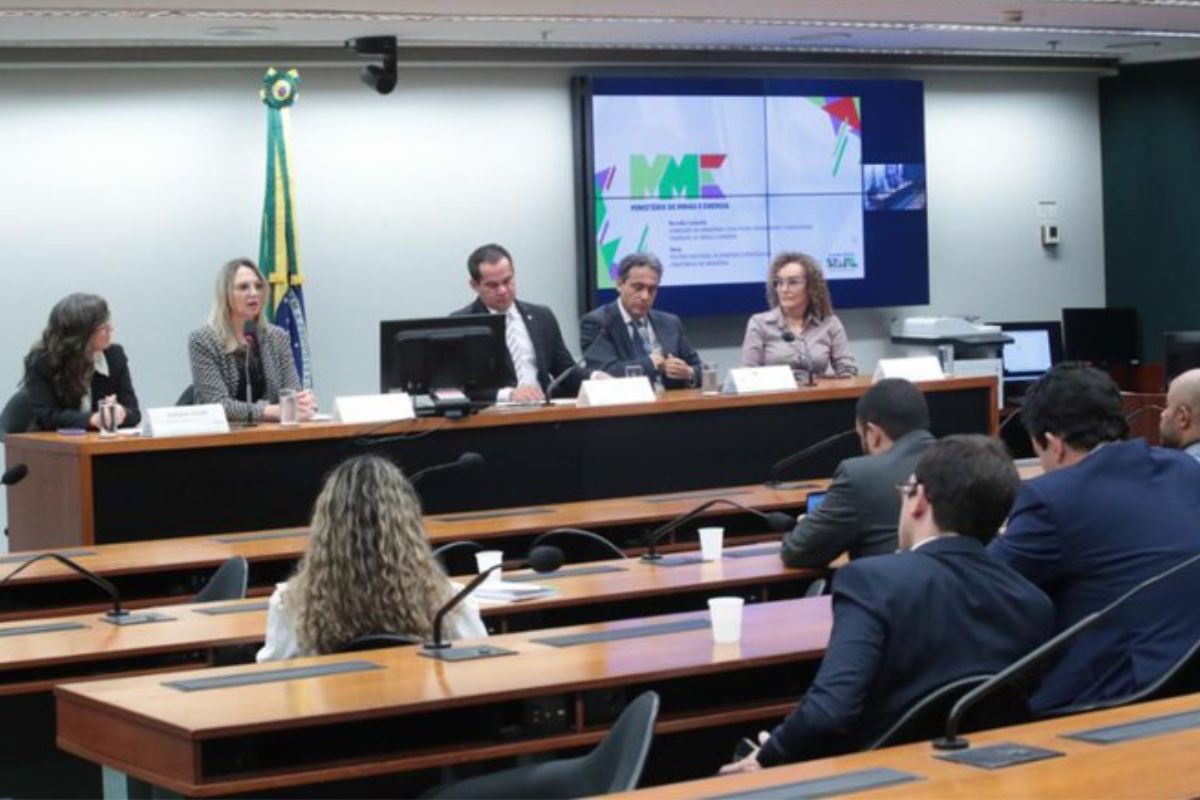
Study And Hearing In The Chamber Reinforce That The Mineral Potential Of The Amazon Can Drive The Energy Transition And Sustainable Development, Reconciling Responsible Exploration And Social Inclusion
The mineral potential of the Amazon was the main highlight of a public hearing held on October 21 by the Amazon and Indigenous and Traditional Peoples Commission, together with the Chamber of Deputies’ Mines and Energy Commission, according to a report published.
The meeting discussed the National Policy on Critical and Strategic Minerals (PNMCE), highlighting how the region accounts for nearly half of the economic value of Brazil’s strategic minerals.
The event pointed out that the central challenge is balancing exploration and sustainability, especially in light of the global energy transition and the growing demand for essential minerals for clean technologies, such as copper, tin, iron, and rare earth elements.
-
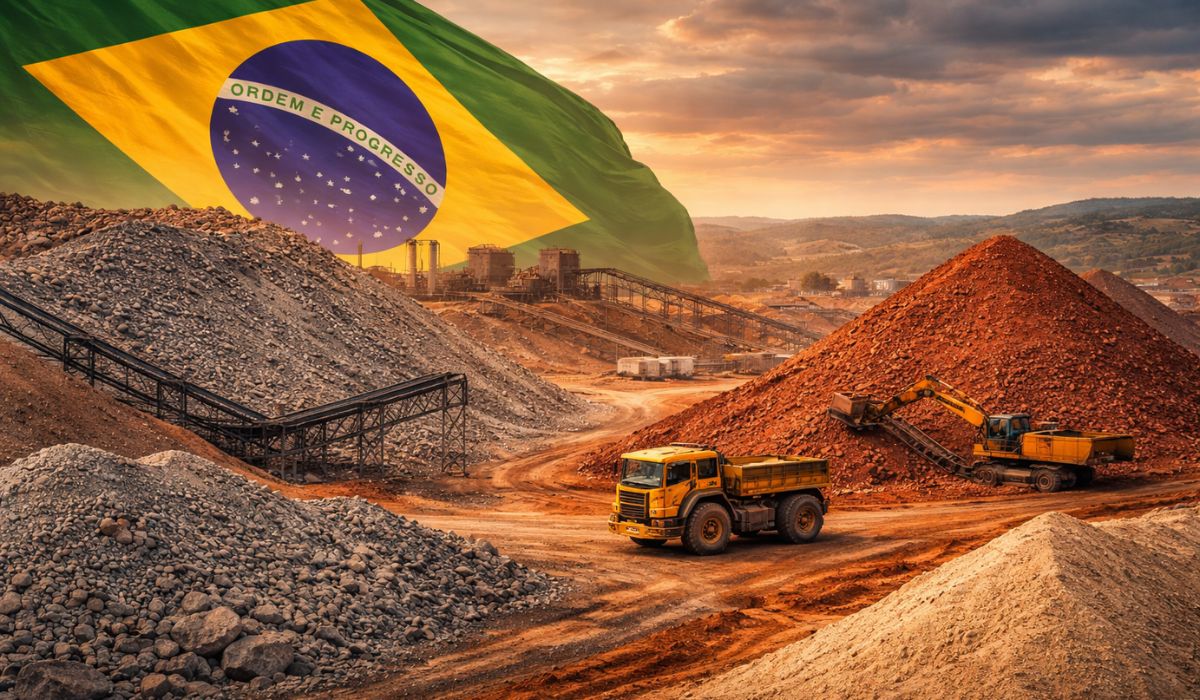
Brazil extracts 26.3 million tons of ore from what was previously treated as waste, transforming residues into wealth, producing over 3 million tons of sand, and demonstrating how national mining is relearning to generate value.
-
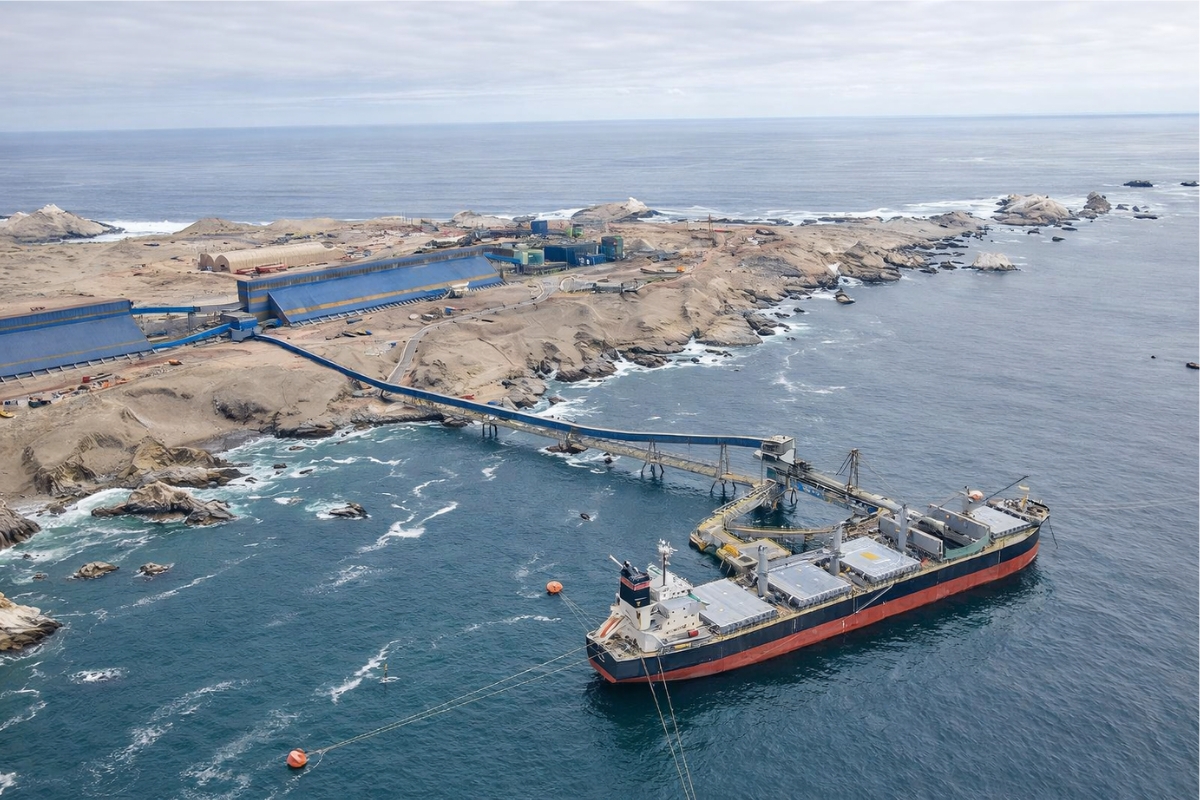
A $3.5 billion megaproject in Latin America pumps desalinated seawater at 1,050 liters per second over 194 km to keep a copper supermine in the Andes operational for another 20 years.
-
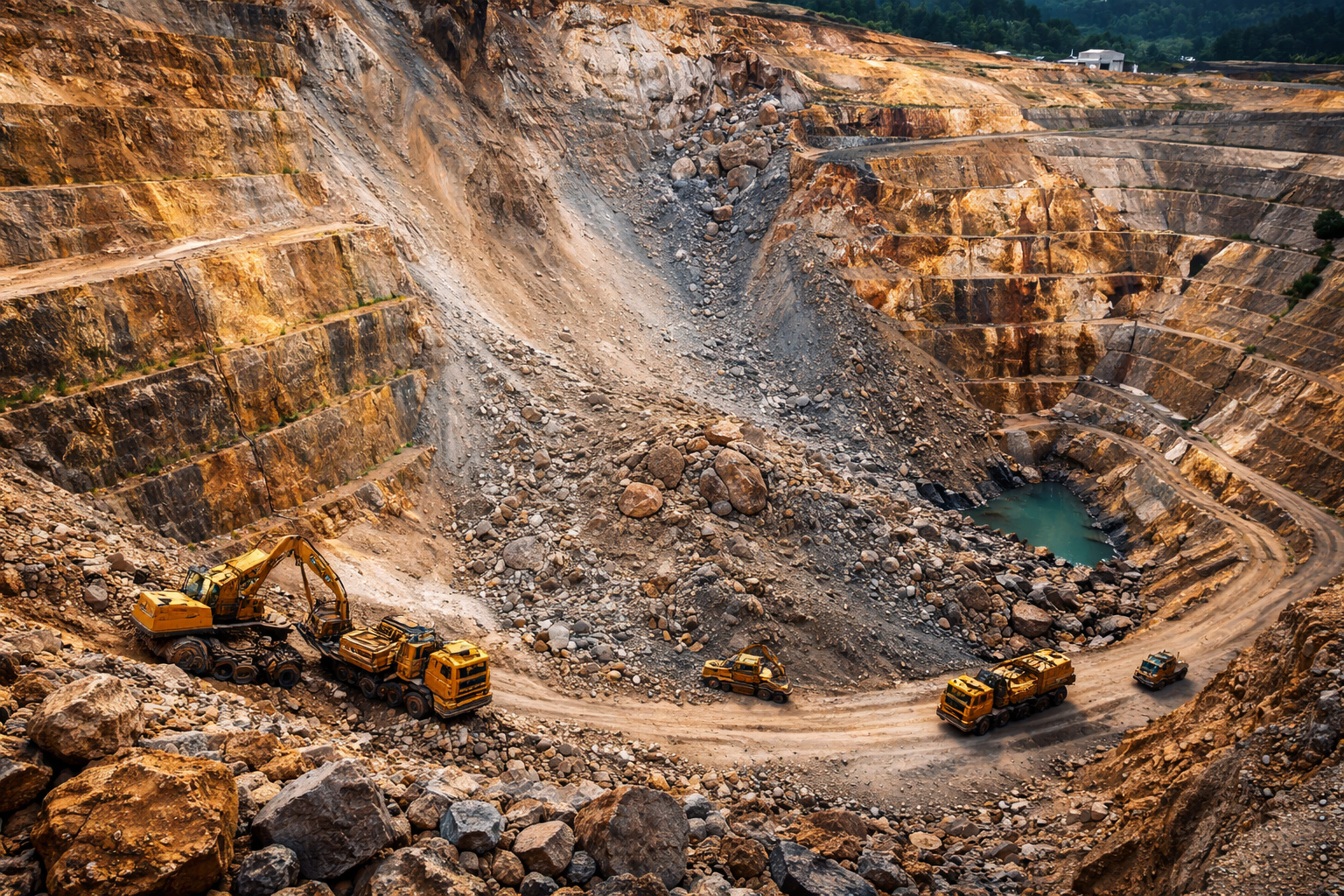
A hidden mine in the Andes valued at nearly R$ 1 trillion is starting to attract global attention, containing copper, gold, and silver, and raises an intriguing question: why do Argentina and Chile need to act together to exploit this gigantic wealth?
-
A silent discovery in the interior of Bahia could change the future of energy in Brazil: a uranium reserve in Lagoa Real has an estimated capacity to produce 400 tons per year and is already attracting the attention of energy sector specialists.
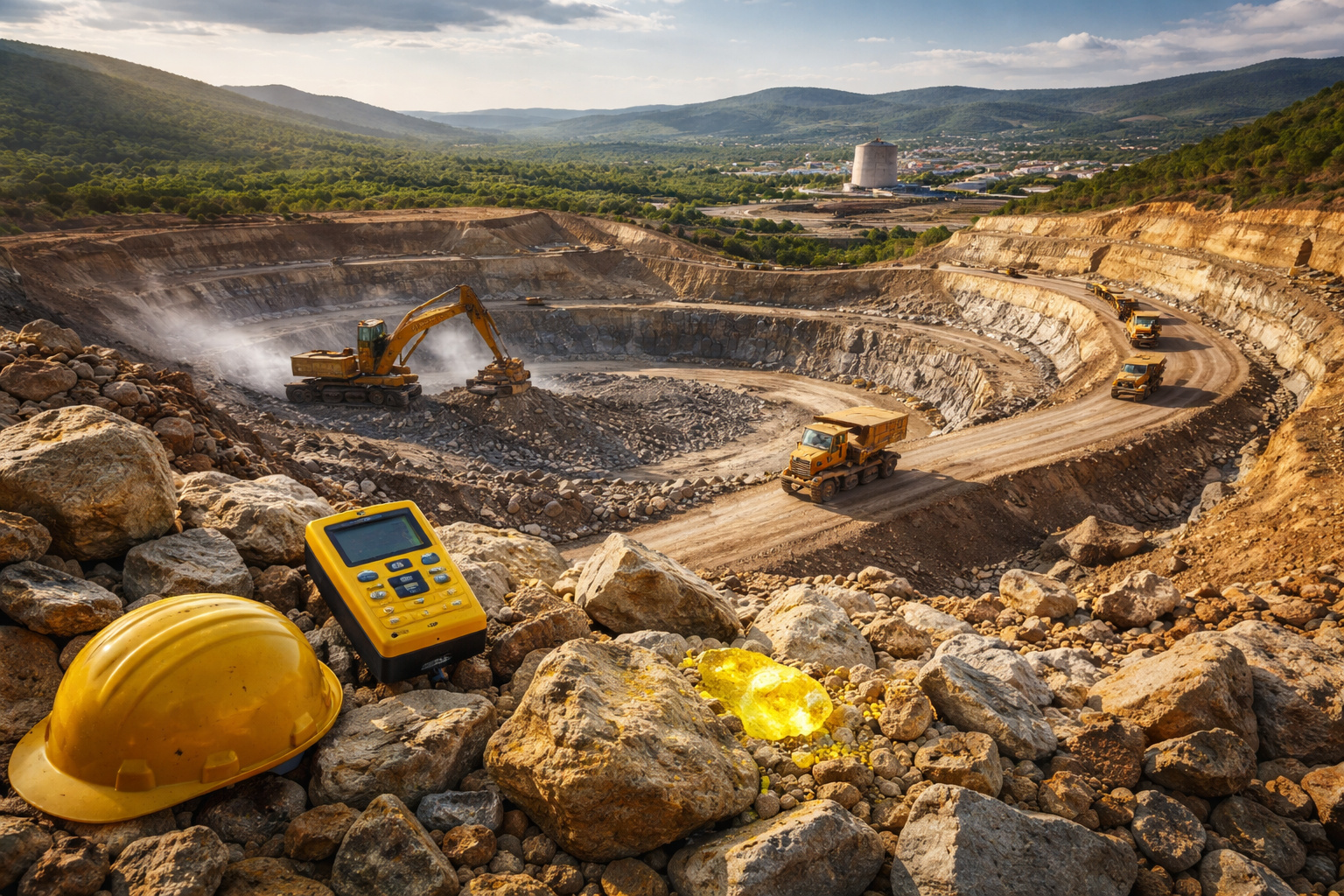

Experts emphasized that the Amazon plays a vital role in the future of responsible mining, both due to its abundance of resources and the socioeconomic and environmental impact that this activity represents.
Sustainable Mining And Regional Development In The Legal Amazon
According to Thiers Muniz Lima from the National Mining Agency (ANM), the mineral potential of the Amazon has attracted increasing investments in critical and strategic minerals.
Among mining titles, gold accounts for 67%, followed by tin (10%), copper (7.3%), and iron (3.5%).
Pará accounts for most of the production and revenue, with 96% of the R$ 3.2 billion in royalties (CFEM) collected in 2024.
The unequal distribution reinforces the need for public policies that encourage local value addition and promote sustainable mining.
The sustainability manager of the Brazilian Mining Institute (Ibram), Cláudia Salles, highlighted that about 43% of royalty revenue comes from the Legal Amazon, but the region still lacks industrial infrastructure to meet global demand.
Strengthening local productive chains is seen as strategic for enhancing regional development without compromising environmental balance.
Energy Transition And Valorization Of Critical And Strategic Minerals
The mineral potential of the Amazon is essential for the energy transition, as the region concentrates 48.2% of the mining processes for critical minerals in the country.
Rare earth elements, for example, are fundamental in the manufacturing of wind turbines, batteries, electric vehicles, and solar panels.
These minerals also support high-tech and national defense sectors, reinforcing the Amazon’s role in the green economy.
However, researcher Lúcia Travassos from the Geological Survey of Brazil (SGB) warns that only 27% of Brazilian territory is mapped at an adequate scale, which limits the advancement of research.
Geological mapping is considered a priority to identify new mineral deposits and ensure that exploration occurs based on scientific evidence, reducing environmental impacts and promoting the rational use of natural resources.
Innovation, Governance, And Social Integration In The Future Of Amazonian Mining
The debate on the mineral potential of the Amazon also highlighted the need for governance and innovation.
The general coordinator of the Sustainable Development in Mining Department at the Ministry of Mines and Energy, Mariana Vaini de Freitas Daher, announced the creation of four working groups of the National Mineral Policy Council (CNPM).
The groups will address oversight, research incentives, strategic minerals, and sustainable development.
The proposal is to structure policies that integrate economic efficiency, technological innovation, and respect for local communities.
The goal is to make mining a vector of social transformation, capable of generating jobs, infrastructure, and income, without compromising the forest.
For experts, the future of the sector depends on practices that combine technical knowledge, environmental valorization, and participation of traditional populations.
Based on the discussions from the hearing, it is evident that the mineral potential of the Amazon represents a unique opportunity for Brazil to align economic growth, energy sovereignty, and environmental conservation, which are indispensable pillars for a sustainable and inclusive development model in the region.








Seja o primeiro a reagir!