





 Portuguese
  English
  Spanish
  4 min of reading
  0 comments


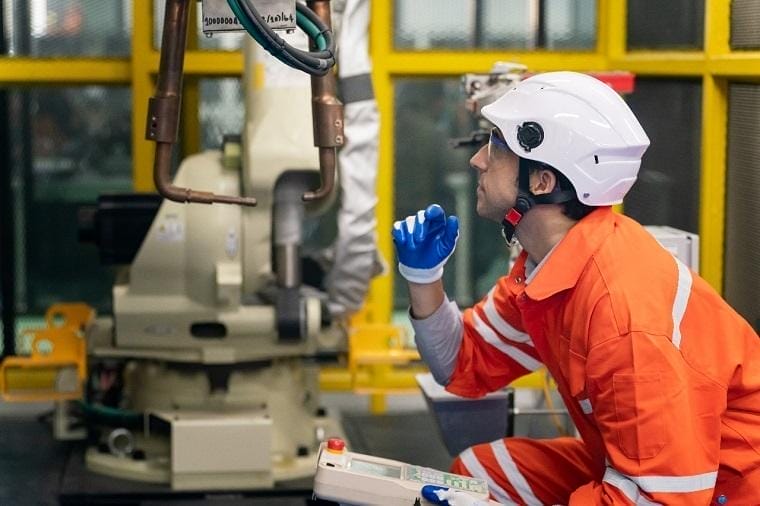
Productivity in Brazil Is 75% Lower Than in the USA. Factors Such as a Decline in the Productivity Rate and Obsolete Industrial Processes Explain This Disparity, According to IBGE.
Productivity in Brazil is significantly lower than in the United States, with a difference of 75%. This large contrast can be justified by a series of factors, among which the reduction of the economically active population and the decade of constant decline in the productivity rate stand out, as pointed out by data from IBGE.
Moreover, the use of outdated industrial processes contributes to this discrepancy. Improvements in technological infrastructure could elevate the yield of Brazilian workers, helping to narrow the gap. Investing in technology can be an effective strategy to improve efficiency and performance, resulting in an overall increase in productivity in the country.
Boosting Productivity in Brazil
Between 2010 and 2023, overall production per hour worked across Brazil showed a modest growth of just 0.3% per year. In the industrial sector, the situation was more alarming, with a growth of only 0.1% during this period. According to Marcelo Lonzetti, Director of ztrax and an RTLS technology specialist, companies’ priority to address this lower-than-expected growth should focus on increasing productivity through monitoring operational actions: ‘Issues like poorly managed hours worked, wasted talent pools in inefficient routines, and obsolete industrial processes are the factors that led to these negative numbers.’
-
In a flooded well, archaeologists found a 1,700-year-old Roman egg that still contains clear and yolk intact inside the very thin shell.

-
Something is happening around the Earth: Inside the huge explosion of fireballs in 2026

-
A hot air bubble coming from Argentina expands over Brazil, causing thermometers to exceed 38 degrees with a thermal sensation of 40 degrees in late March, affecting 6 states at once.

-
The radish leaf that almost everyone throws away has more polyphenols, flavonoids, and fiber than the consumed root, and a 2025 study showed that the leaf contains compounds that protect the intestine, combat inflammation, and may inhibit the growth of cancer cells.


Technological Solutions to Improve Productivity
He suggests that the solution lies in improved investment in machinery, equipment, and technological systems, which would be the bare minimum to start designing a more positive scenario. In the United States, there is already robust investment in optimizing factory time. This concern is evident, for example, in the organization of parts, equipment, and availability of work teams. Until the 1980s, a Brazilian worker was able to deliver 46% of the productivity of an American worker. Today, that percentage has plummeted to 25.6%, reverting to levels not seen in seven decades, a considerable drop of nearly 75%, according to a Conference Board survey.
Decline in Productivity and Poor Performance
‘Basically, a Brazilian worker takes an hour to complete what a worker in the United States does in just 15 minutes. Much of this lost time can be attributed to delays in manufacturing processes and a lack of knowledge about the internal location of parts and equipment.’ The specialist emphasizes that the real-time monitoring system is beneficial not only for Brazilian industries but also for those working on the shop floor. The more information the manager has about the progress of internal processes, the better their management and guidance will be.
Optimization and Efficiency
‘It’s not just about monitoring every step, but about helping work teams optimize their time on tasks that, in other countries, would take only a quarter of the time to complete,’ adds Marcelo. On Tuesday, June 25, 2024, at 1:45 PM, ztrax <sistemas@comuniquese5.com.br> sent an email titled: ‘Industry Can Be More Efficient with the Use of Technology.’ They asked: Can production be higher with technology?
Productivity Disparities Between Brazil and the USA
Productivity in Brazil is 75% lower than in the USA: technology can help improve these numbers. What can explain such a vast difference between the productivity of American and Brazilian workers? Factors such as the decrease in the economically active population and the decline in the productivity rate in recent years clarify this scenario, especially when we analyze the data released by IBGE. Between 2010 and 2023, overall production per hour worked across the country showed insignificant growth of 0.3% per year.
Improvement Strategies for Companies
In the industrial sector, the situation was even more concerning, with a meager growth of just 0.1% during this period. For Marcelo Lonzetti, Director of ztrax and an RTLS technology specialist, companies’ focus to try to circumvent this subpar growth should concentrate on increasing productivity through monitoring operational actions. ‘Issues such as poorly managed hours worked, wasted talent pools in inefficient routines, and obsolete industrial processes have pushed the numbers down.’
Essential Investments for Performance Increase
The solution lies in improving investment in machinery, equipment, and technological systems, which would be the minimum necessary to start envisioning a brighter scenario. In the United States, there is already strong investment in optimizing factory time; this attention is evident in the location of parts, equipment, and availability of work teams. Until the 1980s, a Brazilian worker could deliver 46% of the productivity of an American worker. Today, that percentage has dropped to 25.6%, meaning it has reverted to approximately the same levels from seventy years ago, nearly 75% less. A Conference Board survey showed that essentially a Brazilian worker takes an hour to do what an American worker completes in just 15 minutes.
Importance of Real-Time Monitoring
Much of this time is lost due to delays in manufacturing processes and the lack of knowledge about the internal location of parts and equipment. The specialist states that the real-time monitoring system is advantageous not only for industries in Brazil but also for those working on the shop floor. The more information the manager has about the progress of internal processes, the better their management and direction will be. ‘It’s not just about overseeing the progress of each step but about helping work teams optimize their time on actions that, in other countries, would take a quarter of the time to complete,’ concludes Marcelo.
Source: © ztrax









Seja o primeiro a reagir!