





 Portuguese
  English
  Spanish
  5 min of reading
  0 comments



Scientists Create Innovative Asphalt That Self-Repaints! The New Technology Promises to Revolutionize Paving and Eliminate Holes in the Streets. This Way, Highways Will Have a Much Longer Lifespan, Preventing Inconveniences for Drivers. The Innovation Could Change Forever the Way We Deal With Roads. Check Out the Revolution in the Sector!
Imagine a road that self-repairs, avoiding the bothersome holes and cracks that constantly cause problems for drivers.
This may sound like science fiction, but according to British and Chilean scientists, the solution is already being tested and promises to transform the way we think about paving.
A new type of “regenerative” asphalt, which can repair its own cracks, has been developed by a research group from King’s College London and Swansea University.
-
Ports like Santos and Paranaguá are operating at their limits and may block containers as early as 2030, warns a study by Macroinfra; bottlenecks increase costs and delays and push cargo to Rio, Salvador, Pecém, and Suape across Brazil.

-
What the Public House of Julius Caesar was like inside in the Roman Forum: layout, atrium with compluvium and impluvium, tablinium and peristyle, and the scandal of the Bona Dea, revealed in an AI recreation.

-
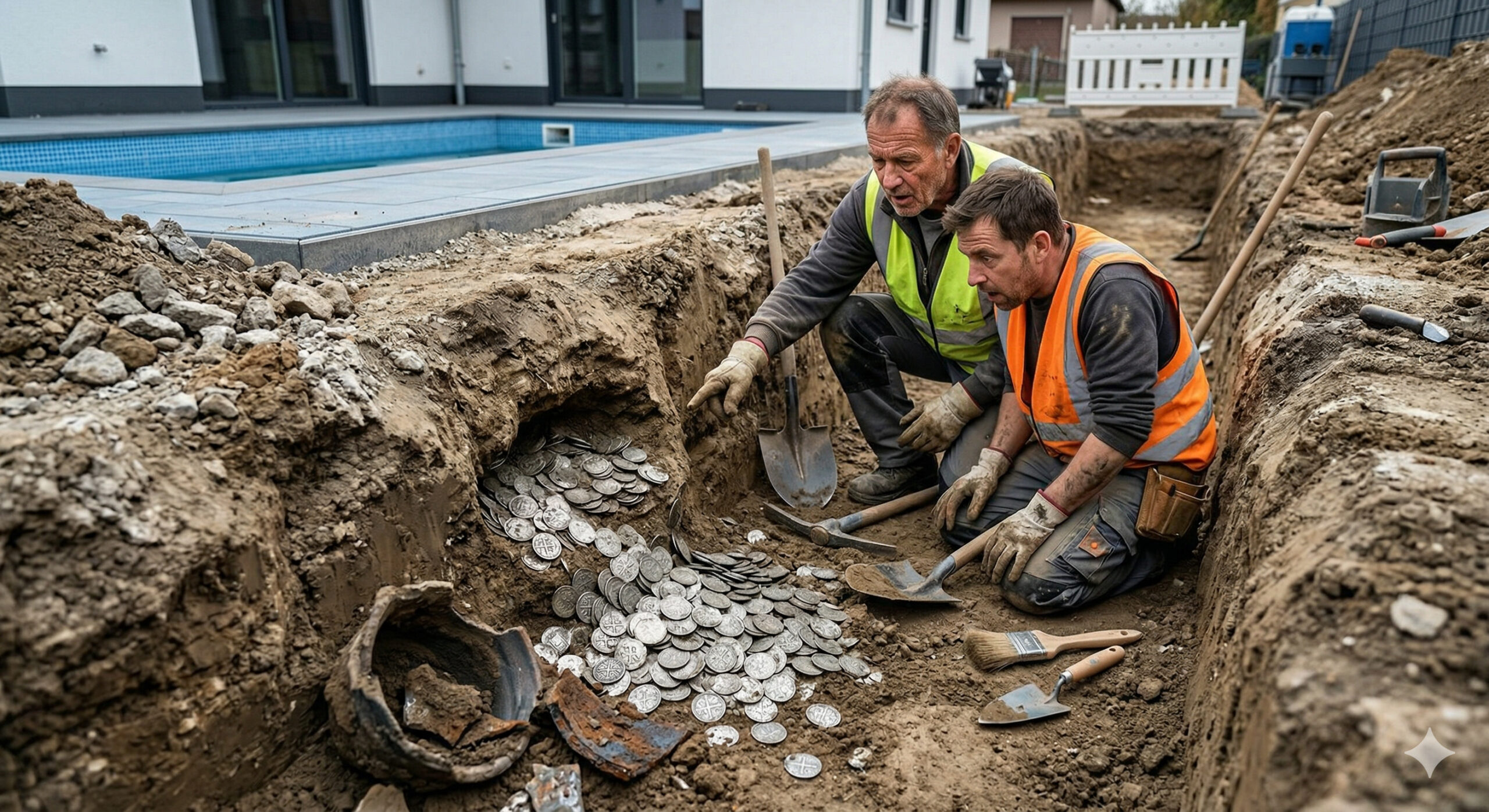
While digging a trench next to a pool in Germany, workers found more than 1,500 silver coins from 1320 in the rubble, revealing a treasure buried for over 700 years.
-
6 used cars that cost less than a new Honda CG 160 Titan and still provide trunk space, four seats, and comfort that many new motorcycles cannot offer.

The Innovation Could Revolutionize Road Infrastructure
The main advantage of this technology is that it can drastically reduce holes in the roads, in addition to increasing the lifespan of paved roads.
The process, still in the testing phase, uses a technique that releases recycled oils from microcapsules inserted in the asphalt.
These capsules, which are smaller than human hair, release when the asphalt starts to show cracks.
By releasing oils, they soften the bitumen — the component responsible for adhesion in asphalt — and help repair cracks before they become a bigger problem.
The Science Behind Regenerative Asphalt
According to researchers, the technology is a response to the hardening of bitumen due to oxidation, which is one of the main causes of cracks in roads.
By using artificial intelligence (AI) to analyze the molecular composition of bitumen, it was possible to discover the best components and chemical processes capable of activating self-repairing.
These microcapsules are designed to rupture only when there are cracks present.
Thus, the material released acts as a remedy, softening the bitumen and allowing it to regain its consistency.
This development represents a major advancement in the highway construction industry, especially in countries where roads are constantly damaged by adverse weather conditions and heavy traffic.
Problems of Brazilian Asphalt: A Portrait of Deficiencies
This innovation could be especially useful in countries like Brazil, where holes in public roads are a constant problem.
A 2023 study conducted by the CupomVálido portal in partnership with the Organization for Economic Cooperation and Development (OECD) revealed that Brazil is among the countries with the worst conditions for driving.
The survey was conducted using data that includes traffic mortality rates, congestion, and vehicle maintenance costs.
According to the study, the main problem with Brazilian asphalt is not the quality of the material used, but the lack of proper maintenance and the excessive wear of the roads, which quickly become precarious due to heavy vehicle traffic and the country’s weather conditions.
Brazil, which has one of the largest road networks in the world, faces difficulties in keeping the roads in good condition due to constant use and lack of investment in lasting repairs.
The Reality of Brazilian Highways
Brazil is a country of continental dimensions, and most cargo and passenger transportation is done by highways.
According to World Bank data, 58% of the transport of people and goods in the country is done by road, which makes Brazil a global leader in this aspect among the largest economies.
With 61,000 km of federal roads managed by the National Department of Transport Infrastructure (DNIT), the country relies heavily on highways for the flow of production and movement of goods.
However, the intense use of highways without proper preventive maintenance leads to rapid wear of the asphalt.
This creates a situation in which pothole patching operations become a palliative, often ineffective, for the structural problems of the roads.
These temporary repairs do not address the root causes of deterioration, which include failures in road design and lack of consideration for climatic factors in the construction and maintenance of highways.
Why Does Brazilian Asphalt Suffer So Much Wear?
Among the factors contributing to the rapid deterioration of asphalt in Brazil is the excess weight in cargo transportation.
Many trucks operate with tons above the permitted limit, which exerts enormous pressure on the roads.
In addition, the intense heat in various regions of the country accelerates the degradation process of the asphalt.
Experts warn that in some parts of Brazil, asphalt can reach temperatures of up to 70ºC in the middle of the day, causing even faster wear.
Alternatives to Improve the Durability of Brazilian Roads
Amid these challenges, some Brazilian researchers have been seeking alternatives to improve the quality of highways.
A recent study by the Federal University of Goiás pointed out that materials such as crushed rubber, sourced from recycled tires, can help prolong the durability of roads.
These materials, which are more resistant to high temperatures, have been used in some highways with good results, allowing the asphalt to support up to 200 times more load than conventional asphalt.
These advancements in using materials more resistant to extreme weather conditions could help prolong the lifespan of Brazilian highways, which are constantly affected by intense heat, heavy rains, and heavy traffic.
The use of asphalt mixed with recycled rubber can also reduce the need for frequent repairs and lessen the environmental impact of disposing of used tires.
What Is Being Done to Solve the Problem?
In addition to technologies like regenerative asphalt, initiatives around the world are seeking to promote more effective and sustainable solutions for road paving.
In Brazil, there is still much to be done in terms of investment in maintenance and innovation in highways.
Experts assert that to combat the problem of potholes, a joint effort between the government, businesses, and citizens is necessary to ensure that roads are well designed, maintained, and repaired effectively.
The future of road paving looks promising with the development of technologies like regenerative asphalt, which could help solve a problem that affects millions of drivers in Brazil and worldwide.
As new solutions begin to be adopted, Brazilian highways may finally achieve a higher standard of quality, strength, and durability.






Seja o primeiro a reagir!