





 Portuguese
  English
  Spanish
 5 min of reading
  0 comments


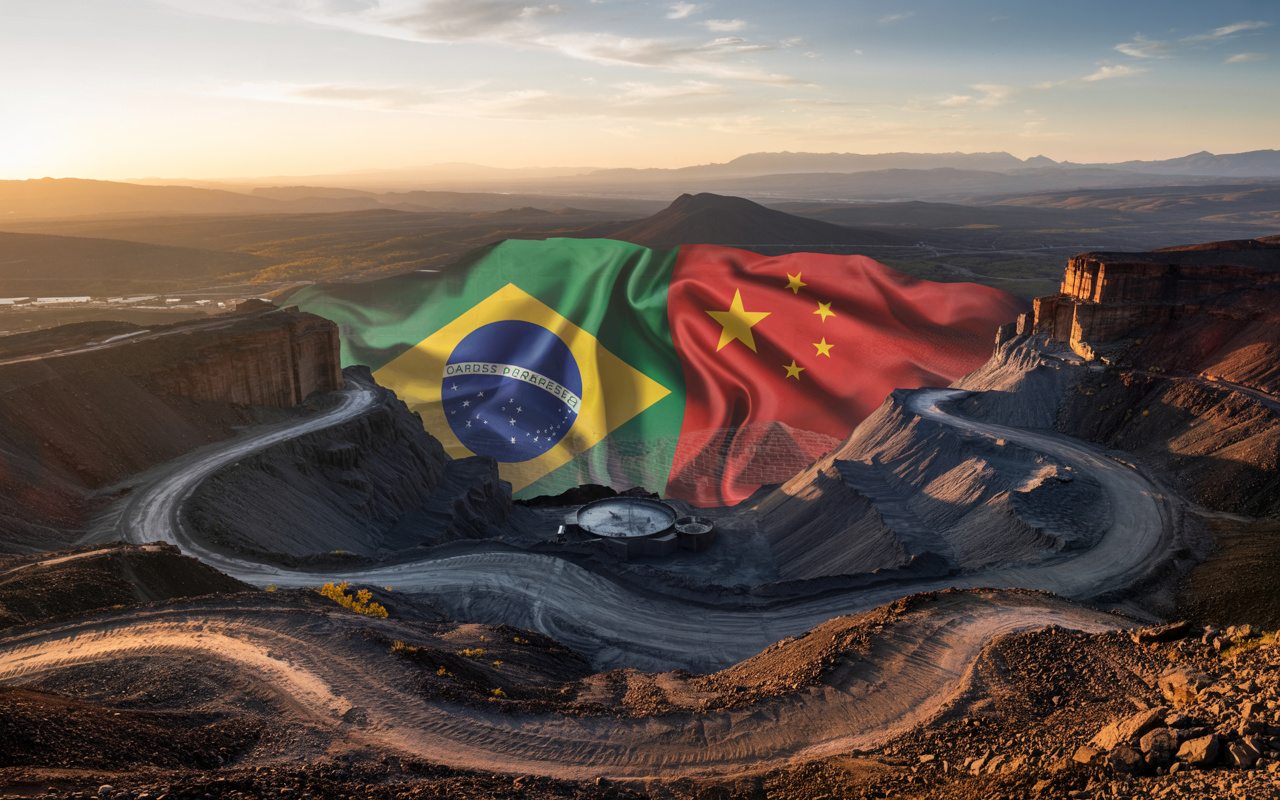
Hidden Among Crops and Country Roads, the City of Itabela Houses the Largest Deposit of Natural Graphite in the West, Essential for Electric Vehicle Batteries — and the Project Has Already Attracted the Attention of the Chinese Market.
In the far south of Bahia, surrounded by cocoa plantations, and far from major industrial centers, a quiet city called Itabela harbors a strategic treasure that could change the global technology game: the largest deposit of natural graphite in the West. Few Brazilians know, but the region’s underground hides one of the most essential raw materials in the global energy transition — and it is already on China’s radar, which leads the electric vehicle battery sector. This project, named Santa Cruz, belongs to the Canadian company South Star Battery Metals, and aims to position Brazil as a relevant player in one of the most disputed supply chains on the planet: that of lithium-ion batteries.
As the world races to electrify its cars and store energy more cleanly, Brazilian natural graphite emerges as an alternative to Chinese dominance — and this shift started in a place that almost no one knows.
A Global Scale Deposit in the Heart of Bahia – Largest Deposit of Natural Graphite in the West
Most people associate graphite with school use or industrial electrodes. But what few know is that about 95% of the anode of a lithium battery is made of graphite, and this material is essential for the performance, range, and safety of electric vehicles. The Santa Cruz project by South Star was developed precisely with this focus — to provide high-purity natural graphite for technology and electric mobility industries.
-
Brazil extracts 26.3 million tons of ore from what was previously treated as waste, transforming residues into wealth, producing over 3 million tons of sand, and demonstrating how national mining is relearning to generate value.
-
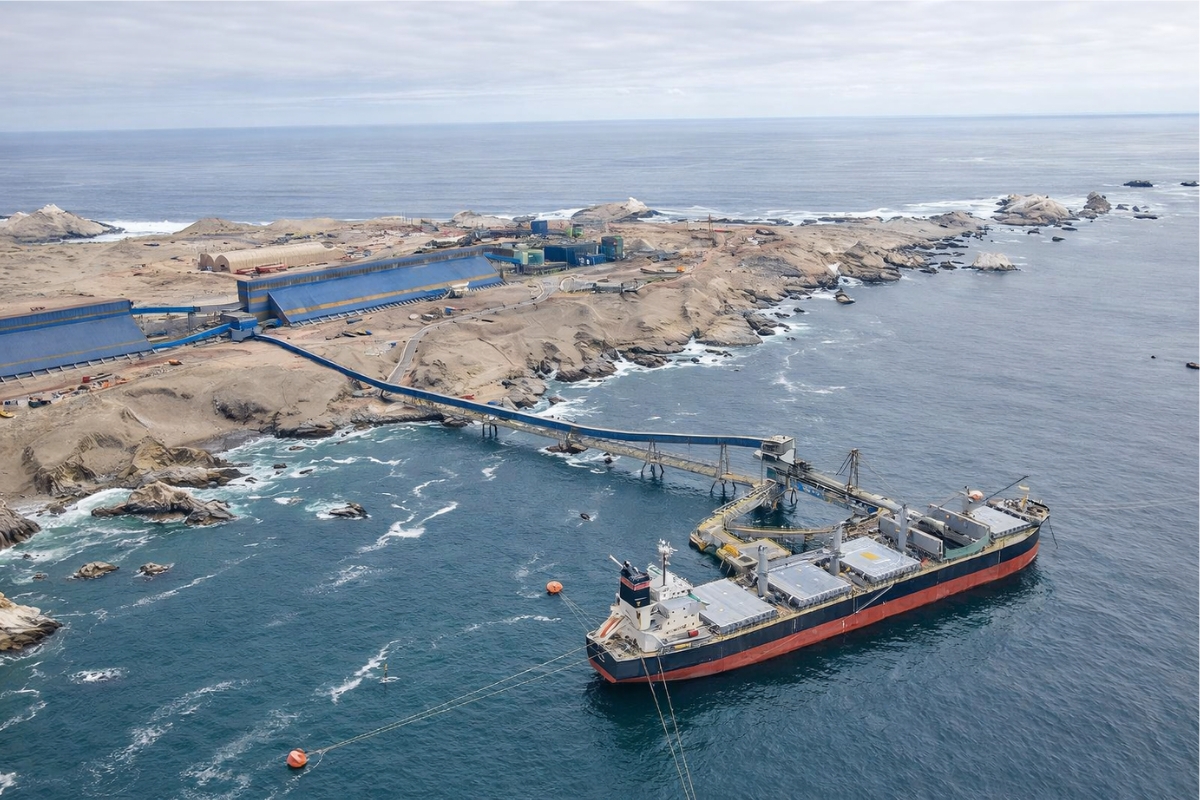
A $3.5 billion megaproject in Latin America pumps desalinated seawater at 1,050 liters per second over 194 km to keep a copper supermine in the Andes operational for another 20 years.
-
A hidden mine in the Andes valued at nearly R$ 1 trillion is starting to attract global attention, containing copper, gold, and silver, and raises an intriguing question: why do Argentina and Chile need to act together to exploit this gigantic wealth?
-
A silent discovery in the interior of Bahia could change the future of energy in Brazil: a uranium reserve in Lagoa Real has an estimated capacity to produce 400 tons per year and is already attracting the attention of energy sector specialists.
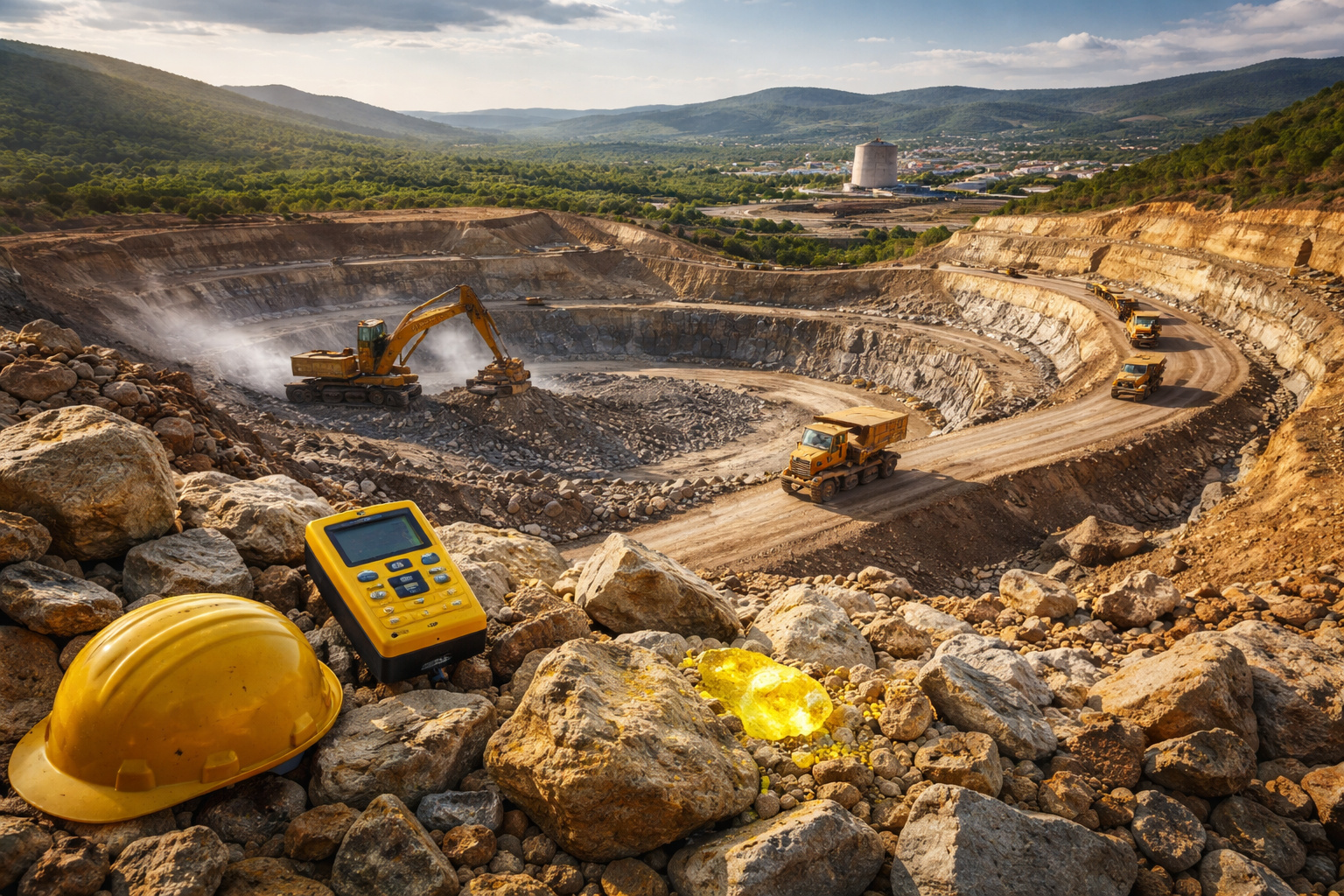

The deposit in Itabela is considered one of the largest of its kind in the Western Hemisphere. According to studies by the company, the site has measured and indicated resources of approximately 32 million tons of ore with a high graphite carbon content — enough to supply the global industry for decades.

This volume places the Bahia mine among the most promising outside Asia. The most direct comparison is with the large deposits in China, which currently accounts for about 70% of global production and nearly 90% of natural graphite refining. It is precisely this imbalance that the Brazilian project seeks to help correct — attracting international buyers concerned about the concentration of supplies in a single country.
How China Entered the Story
The irony is that, although the project emerged as an alternative to Chinese dominance, China itself has already expressed interest in importing Brazilian graphite. In 2023, Beijing imposed restrictions on the export of refined spheroidal graphite, used in batteries — which caused a shakeup in the markets and pushed automakers and battery manufacturers to seek new suppliers.
It is in this vacuum that the Santa Cruz Project enters. South Star has already signed memoranda of understanding with buyers from China, South Korea, Europe, and the United States, interested in securing access to high-quality natural graphite produced with strict environmental standards and favorable logistics for export.
Indeed, according to company statements, some of the first batches of production are already destined for the Chinese market — a turnaround that shows how Brazil can benefit even from trade tensions between powers.
Technology, Sustainability, and Speed
What impresses is not only the size of the deposit but also the speed at which the operation is being structured. The project was licensed, financed, and began construction in a surprisingly short time frame, considering the history of Brazilian mining. The expectation is that the first phase will be operational by 2025, with an initial capacity of 5,000 tons per year of graphite concentrate.
But this number is just the beginning. The company plans to expand to up to 50,000 tons annually in a second phase, directly targeting the supply of spheroidal graphite for battery anodes. To achieve this, in addition to the mine in Itabela, the construction of a processing plant in the United States is being evaluated — creating an integrated vertical chain, with origins in Bahia.
One of the project’s differentiators is the use of clean energy, low environmental impact, and recovery of native areas throughout the process. Modern mining demands more than just extraction: it must be part of the solution for a planet that seeks zero carbon. And this is the image that South Star has been promoting internationally.
Opportunity for Brazil — and Risk of Missing Out
Brazil is already a giant in mining — in iron, niobium, and gold — but is still crawling in critical minerals for the energy transition. Projects like that of Itabela show that there is potential for a new protagonism, especially if there is encouragement for industrialization and value addition.
However, there is a risk of repeating the old pattern: extracting cheaply and selling as raw material, while other countries refine, transform, and profit. Therefore, analysts argue that the country should develop a clear policy for strategic minerals, which includes refining, R&D, tax incentives, and trade agreements aimed at the clean energy and electric mobility sector.
The presence of international companies, such as South Star, can be a gateway, but the future involves greater Brazilian involvement in the complete chain.
Itabela: From Cattle Ranching to High-Tech Graphite
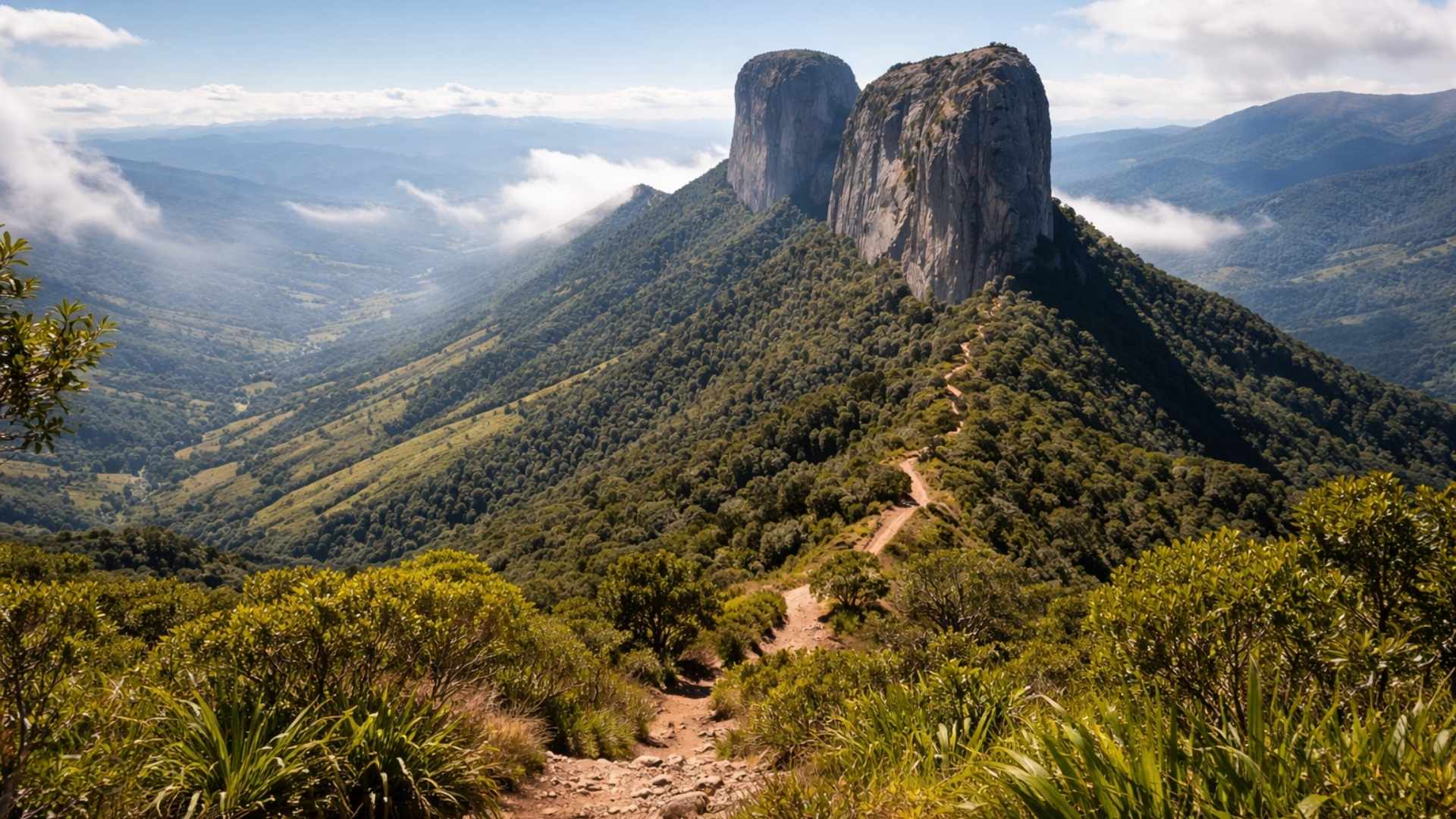
With just over 30,000 inhabitants, Itabela has always been known for cattle ranching and the production of cocoa and coffee. The arrival of a graphite mining project aimed at the battery industry represents a break from this past — and can radically transform the local economy.
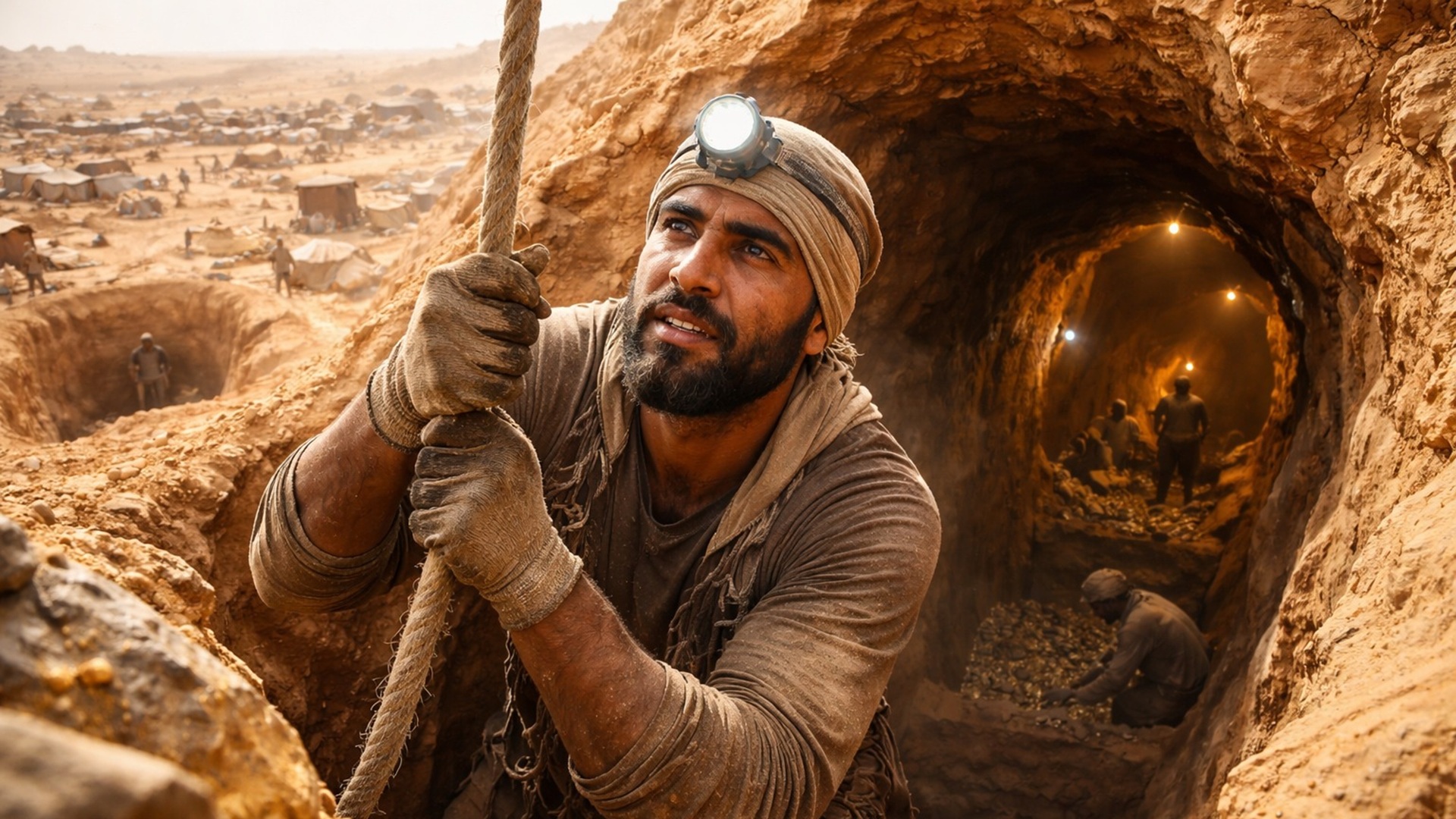
It is estimated that the project will generate hundreds of direct and indirect jobs, as well as boosting the regional logistics chain, with investments in infrastructure, training, and services. The municipality could become, in a few years, a global reference in one of the most promising sectors of the new energy economy.




-

-

-

-

-

10 pessoas reagiram a isso.