





 Portuguese
  English
  Spanish
  4 min of reading
  0 comments


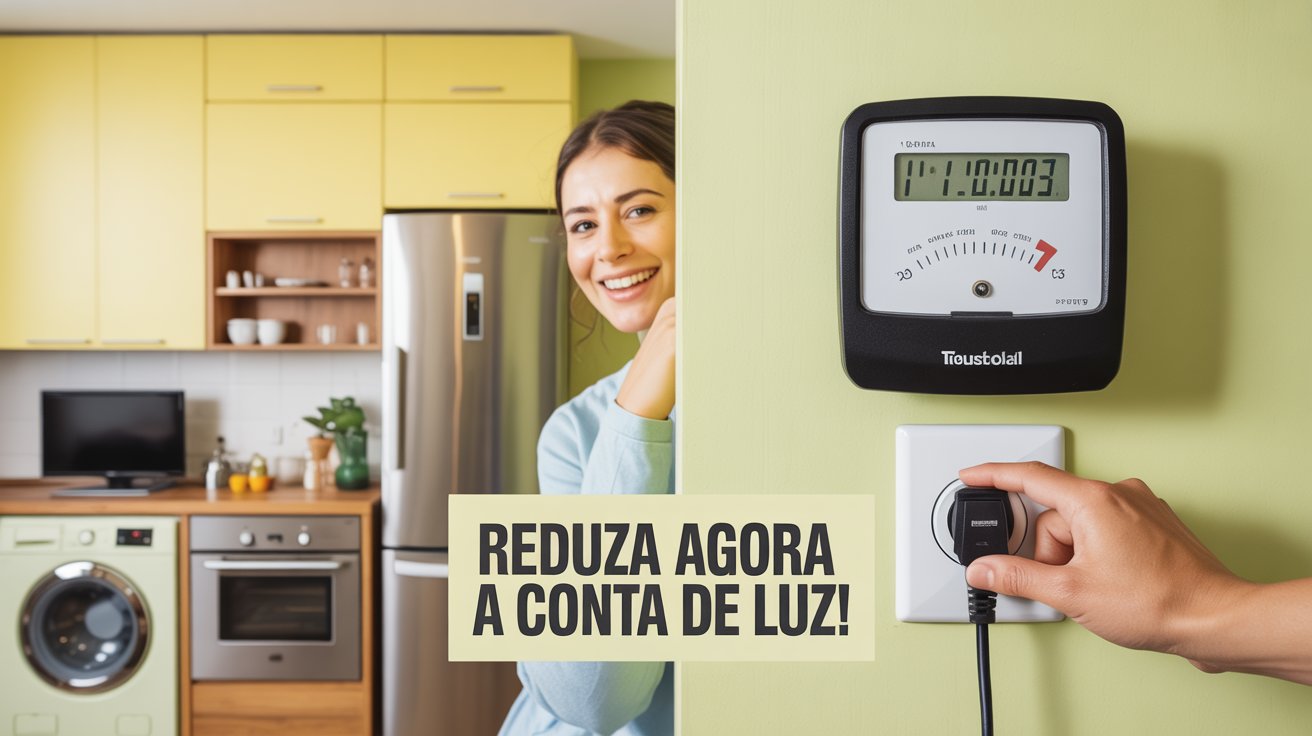
Simple Adjustments in Household Appliances Can Transform the Value of the Electricity Bill, Prevent Waste, and Combat Silent Villains of Consumption. Changes in Routine Can Bring Significant Savings in Monthly Expenses.
Amid the rising prices of electricity, a simple adjustment in the use of appliances can result in a significant reduction in the monthly electricity bill, directly benefiting the budgets of Brazilian families.
Daily practices, often overlooked, such as leaving appliances plugged in even when not in use, fuel the so-called phantom consumption and contribute to the silent increase in household expenses.
Understanding which devices consume the most energy and making small changes in habits can be crucial to avoid waste and surprises at the end of the month.
-
A strong earthquake in Indonesia affects houses and schools, causes panic, triggers a tsunami alert, and records a rise in sea level of up to 30 centimeters in some areas.

-
The Argentine government celebrates the lowest poverty rate in 7 years, but experts warn that the methodology has changed, real wages have fallen, unemployment has risen, and the number of people on the streets of Buenos Aires has increased by 57% since Milei took office.

-
7.8 magnitude earthquake in Indonesia frightens the population, triggers tsunami alert, and hits an island with over 200,000 inhabitants this Thursday.

-
Google will finally let you change that embarrassing Gmail address you created in your teenage years without losing any accounts, logins, or old emails: the feature is already available in the United States.


According to data from the Brazilian Institute of Geography and Statistics (IBGE) and the National Electricity Conservation Program (Procel), the rational use of appliances and the proper selection of efficient equipment are essential factors for energy savings in households.
The refrigerator, for example, is responsible for about 30% of total electricity consumption in a home, as it remains constantly on to preserve food.
Other devices, such as televisions, washing machines, computers, and air conditioners, also rank among the main villains of the energy budget.
Household Appliances That Consume the Most Electricity
Among the devices that most impact the electricity bill, the refrigerator tops the list.
In addition to operating 24 hours a day, improper use, such as frequently opening the door or not sealing it properly, can further increase consumption.
Modern televisions, especially large screen ones and those with technologies like plasma, also stand out for requiring more energy, while LED models are considered more economical.
The computer or laptop, increasingly present in the daily lives of families, requires special attention: keeping unnecessary accessories plugged in or not turning off the device completely at the end of use are practices that contribute to increased consumption.
Another relevant point is the so-called phantom consumption – a term referring to the energy consumed by electronic devices even when they are in standby mode or apparently turned off but still plugged in.
According to Procel, this waste can represent up to 12% of the total electricity bill of a household.
Chargers, microwaves, televisions, computers, and sound systems, when left in standby, continue to draw electrical energy without effective use.
Habits That Reduce the Electricity Bill
Various simple strategies can be incorporated into daily routines to minimize energy expenditure and combat phantom consumption.
Among the main recommendations are:
- Unplug devices when not in use, especially at night or during long periods of absence.
- Avoid standby mode, always opting to completely turn off devices.
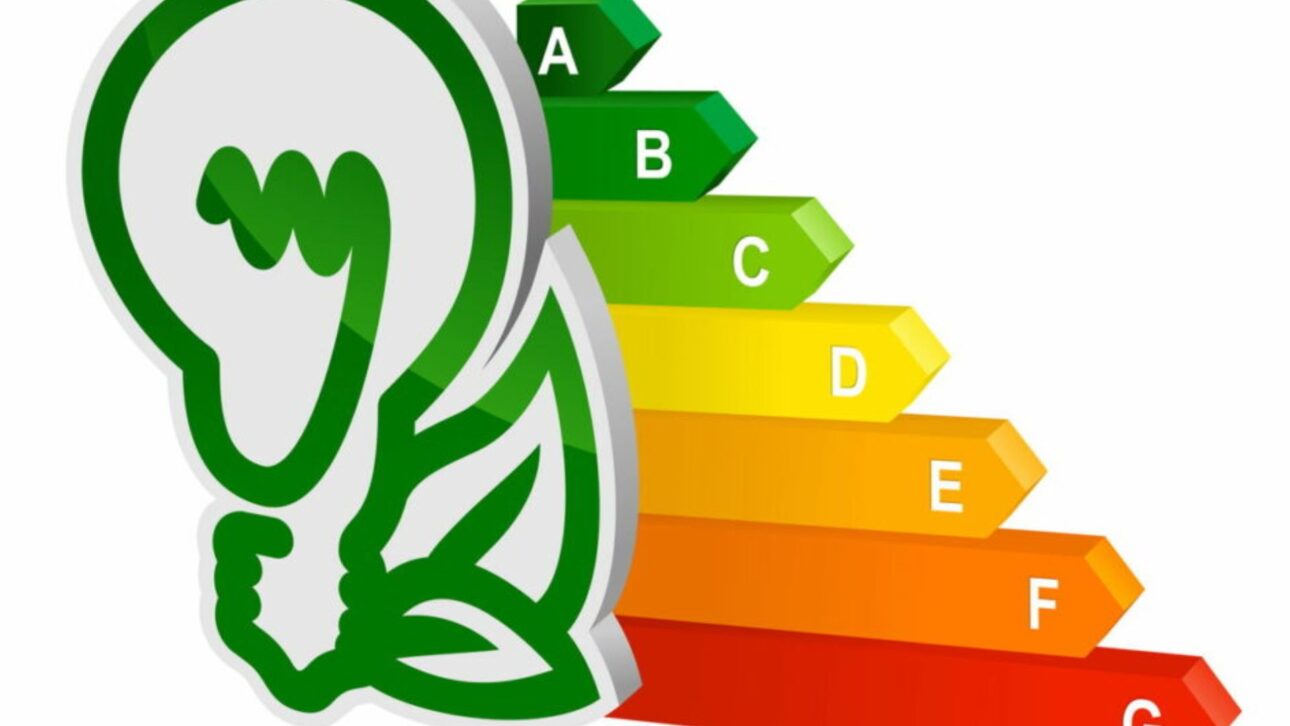
- Prefer appliances that have the Procel energy efficiency label category A, indicating better performance and lower consumption.
- Perform periodic preventive maintenance on equipment to ensure efficient operation.
- Use the washing machine only with the maximum recommended load and prioritize cycles using cold water.
- Adjust the brightness on computer and television screens, as well as deactivate unused features and accessories.
How to Choose New Appliances for Energy Savings
Conscious choices when acquiring new appliances have a direct impact on the electricity bill.
The first step is to check the energy efficiency label, mandatory in Brazil, which classifies appliances from the most economical (A) to the least efficient (E).
Prioritizing A-rated models, as well as considering size and functionalities according to the actual needs of the household, contributes to rational energy use.
Refrigerators disproportionate to the size of the family or oversized air conditioning units unnecessarily increase consumption.


Another relevant aspect is to opt for equipment with smart functions, like energy-saving modes, timers, and automatic shutdown features.
These features allow consumers to adapt usage to their routines, avoiding waste.
According to Procel, modern appliances, when used properly, can reduce consumption by up to 50% compared to older and less efficient models.
Simple Changes for More Energy Savings
Attention to habits and conscious choices during the acquisition of new equipment form the basis for a more economical and sustainable household routine.
The simple act of unplugging appliances can prevent the accumulation of phantom consumption, while periodic maintenance and preference for certified models promote energy efficiency and safety.
Additionally, adjusting behaviors, such as limiting shower time with electric showers, making the most of natural light, and periodically monitoring consumption by reading the meter, are measures that further enhance savings.
In times of rising electricity tariffs, these actions become even more relevant.
According to a Procel survey in June 2025, the potential for savings in households can exceed 30% when good practices in the use and maintenance of appliances are incorporated into routines.
For low-income families, incentive programs for exchanging old appliances for new ones, offered by utility companies and state governments, are also alternatives to reduce the impact of bills on monthly budgets.
In light of the current scenario, the question remains: what other simple measures do you believe could be implemented in your daily life to combat phantom consumption and ensure more savings on your electricity bill?






Seja o primeiro a reagir!