





 Portuguese
  English
  Spanish
  4 min of reading
  0 comments


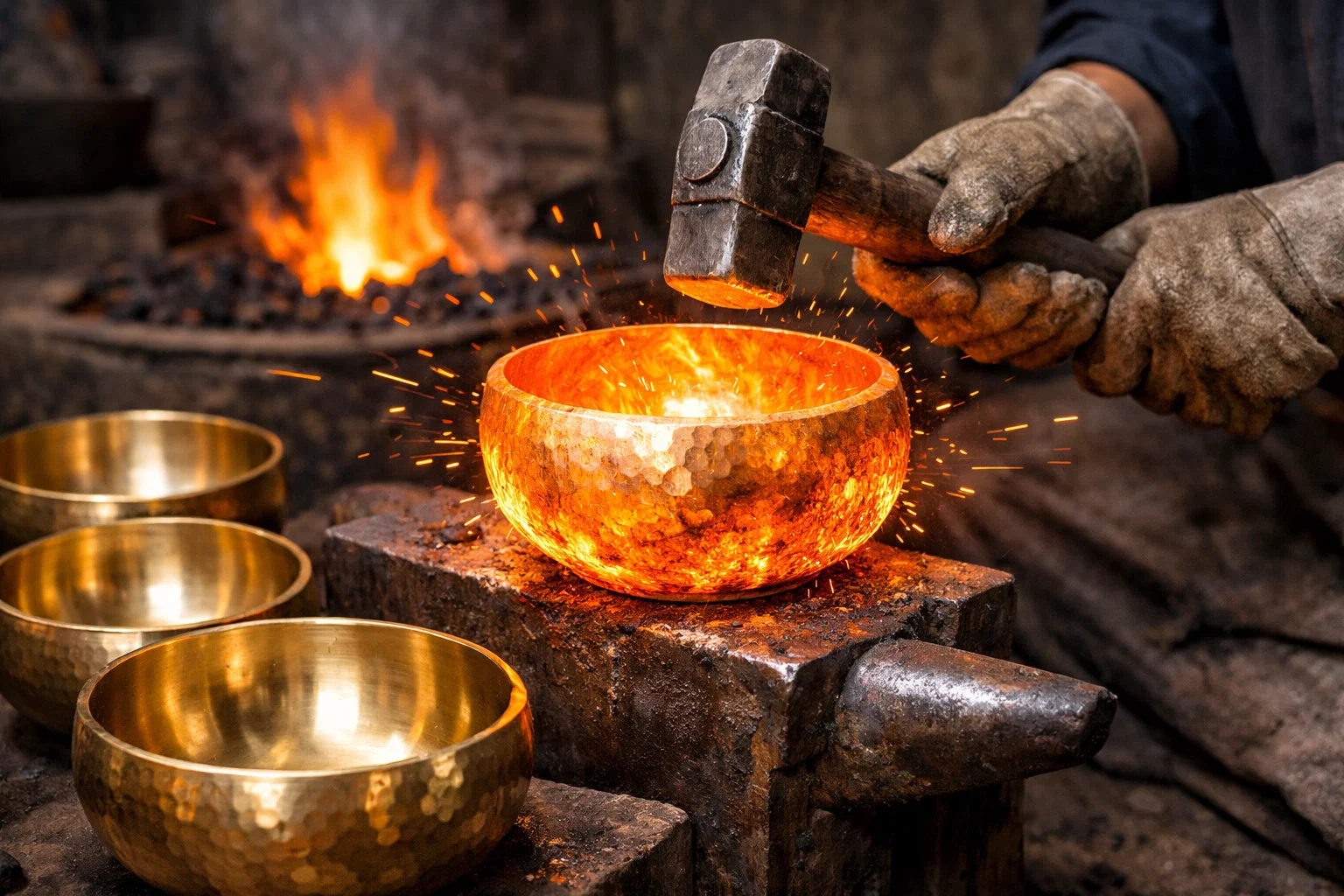
In A Traditional Workshop In South Korea, Artisans Preserve A Rare Metallurgical Technique That Transforms Incandescent Metal Into Historical Brass Bowls Linked To The Food Security Of The Joseon Dynasty Royalty
For centuries, the Korean royal table carried a curious detail that mixed tradition, metallurgy, and food security. Brass bowls were placed before the kings during meals. It was not just an elegant utensil. The material had an unusual reputation. When it came into contact with toxic substances, it could darken.
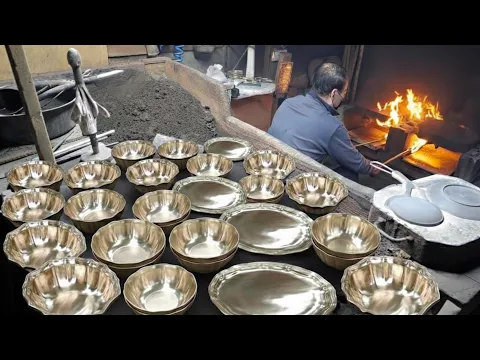

This behavior turned the bowls into a type of primitive alert against poisoning, something essential in periods marked by political disputes within the courts.
But what really draws attention is not just the story linked to the kings. The true highlight lies in the manufacturing method of these pieces, a handmade process that continues to be carried out in a century-old workshop in South Korea.
-
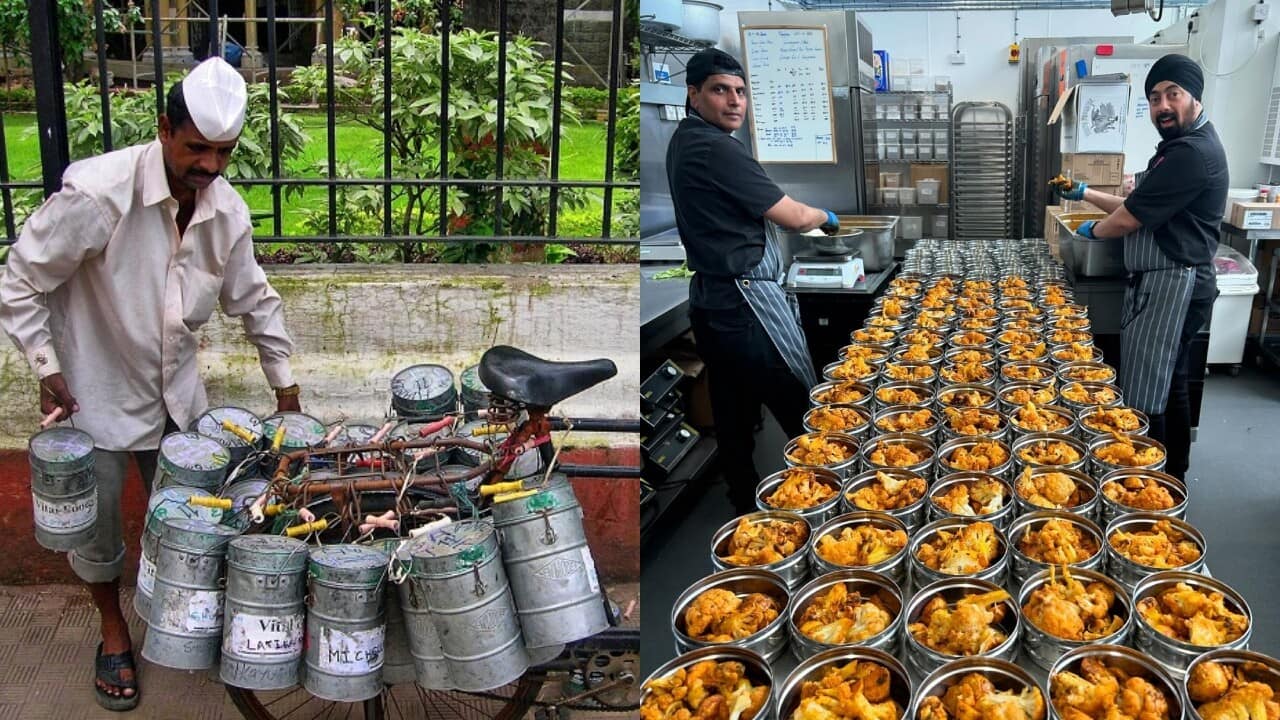
How 5,000 Indian dabbawalas manage to deliver around 200,000 lunchboxes a day in Mumbai for over 130 years using bicycles, crowded trains, and a manual system that continues to operate with impressive accuracy.
-
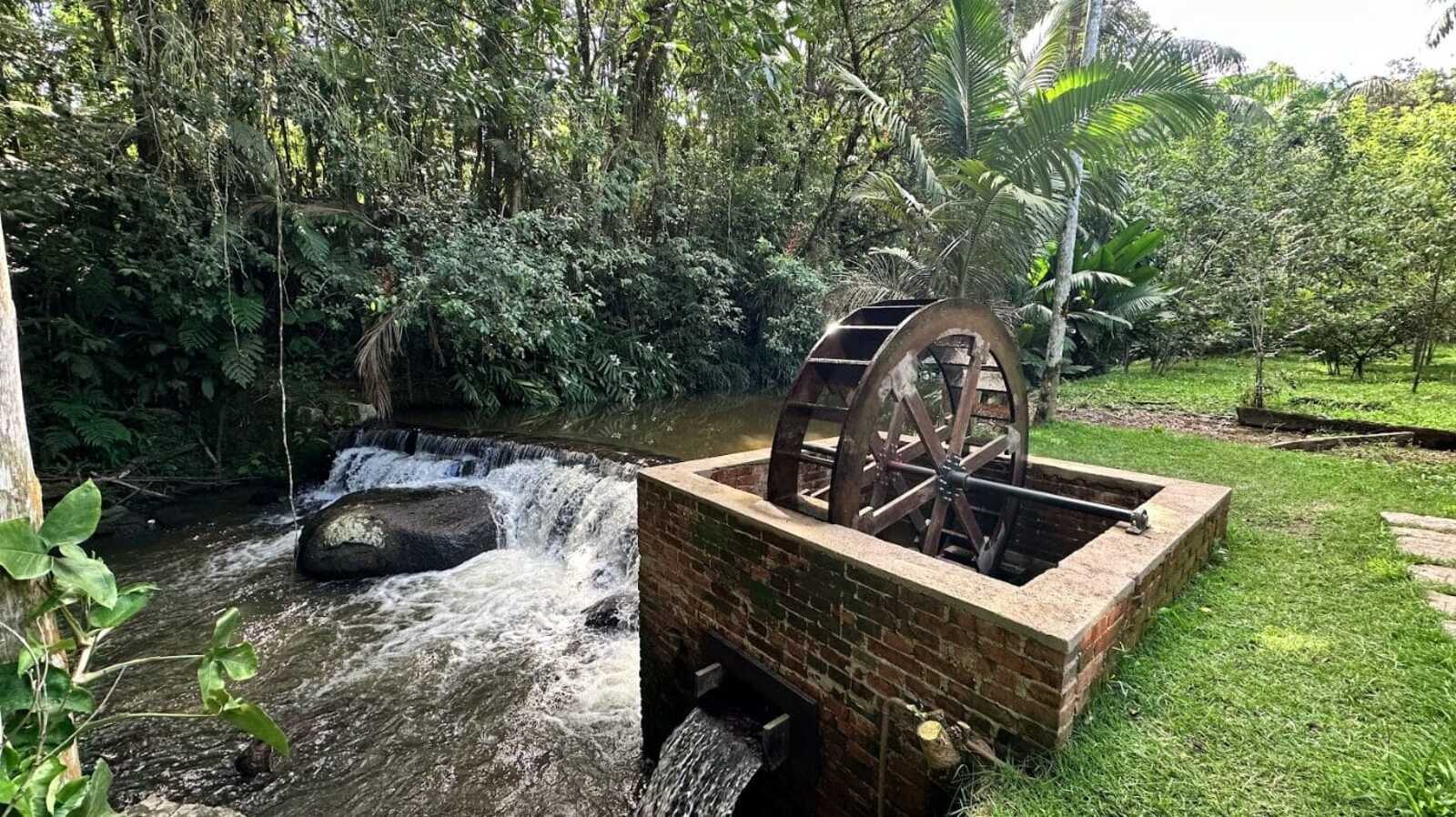
While restoring a historic mansion from 1910, a brick structure with an old turbine that generated energy from the Rio do Testo emerged, along with a hidden door and a rare floor concealed under layers of wax.
-
Italian researchers have detected what appears to be a second Sphinx buried under the sands of Egypt, and satellite scans reveal a gigantic underground megastructure hidden beneath the Giza Plateau for over 3,000 years.

-
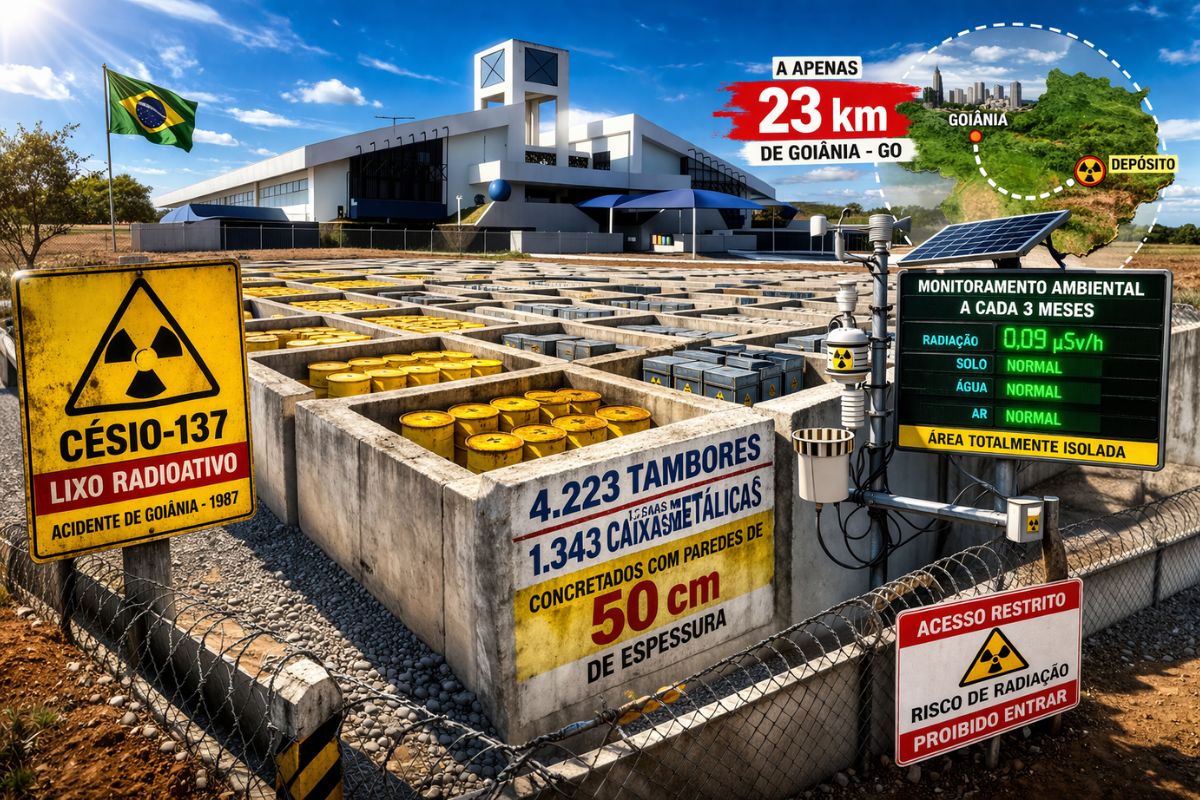
There are 4,223 drums and 1,343 metal boxes concreted with 50-centimeter walls that store the radioactive waste from Cesium-137 in the worst radiological accident in Brazil, just 23 kilometers from Goiânia, with environmental monitoring every three months.

The Extreme Heat That Begins The Transformation Of Metal Into Traditional Korean Bowls
Everything starts when the brass enters a furnace that exceeds 1,300 degrees Celsius.
At this point, the metal reaches a malleable condition that allows its transformation. The incandescent material comes out of the furnace with intense brightness and needs to be worked quickly.
Time is a critical factor. As the metal cools, it loses flexibility.
Therefore, the artisans immediately begin a precise sequence of hammer strikes. Each impact slowly alters the structure and shape of the piece.
There is no industrial mold guiding the process. The shape of the bowl gradually emerges from the experience accumulated over generations.
The Bangjja Technique That Molds Brass Using Only Force, Rhythm, And Precision
The traditional method used in the production of these bowls is called bangjja, a metallurgical technique that spans centuries in Korean history.
Unlike modern industrial manufacturing, bangjja relies on the manual skill of artisans.
The piece starts as a heated metal block. From there, successive hammer strikes spread the metal and create the outline of the bowl.
Each strike needs to have specific intensity and direction. A mistake can deform the piece or compromise its structure.
This work requires coordination, strength, and a deep understanding of the metal’s behavior at high temperatures.
The Reheating Cycle That Prevents Cracks During Manufacturing
Brass does not remain malleable for long outside of intense heat.
After several hammer strikes, the material begins to harden. At this moment, an important risk arises. If the process continues without reheating, the metal can crack.
To avoid this problem, artisans interrupt the work and return the piece to the furnace.
This cycle of heating and hammering repeats several times during manufacturing.
Constant temperature control allows the metal to be slowly shaped until it reaches the final form of the brass bowls.
According to traditional metallurgy experts, this method helps preserve the structural integrity of the material.
The Workshop Founded In 1924 That Keeps A Bronze Age Metallurgical Tradition Alive
In the Geochang region of South Korea, Geochang Yugi Co., Ltd. operates.
The workshop was founded in 1924 and has been under the same family’s management for four generations.
Inside the production space, the environment mixes heavy tools, intense heat, and a nearly choreographed sequence of movements.
Each bowl goes through a long process before it is ready.
The brass used in this technique is called yugi, also known as bangjja. Its origins date back to the Bronze Age, a period when metal alloys began to be widely used in utensils and ceremonial objects.
During the Goryeo and Joseon dynasties, pieces made from this material gained prestige among the higher classes of Korean society.
Why Bowls Made With This Technique Remain Valued In Today’s World
Even in an era dominated by automated industrial production, yugi utensils continue to attract interest.
The reason involves the physical properties of the material and the cultural value of the technique.
The brass produced by this method helps maintain the temperature of food and preserve its flavor, characteristics valued in traditional cuisine.
Moreover, the handcrafted process has made these pieces rare.
Some sets produced today can reach values close to 10,000 reais, according to estimates from the specialized market.
For researchers and collectors, these bowls represent a meeting of history, engineering, and metallurgical knowledge accumulated over centuries.
A technique created long before modern factories remains active in a small family workshop, reminding us that some of the most intriguing technologies in the world originated from manual experience and observation of metal behavior.
Did you already know about this traditional metallurgy technique used in Korea for centuries? Do you think artisanal processes like this can still compete with modern industrial production? Share your opinion in the comments.









-

2 pessoas reagiram a isso.