





 Portuguese
  English
  Spanish
  3 min of reading
  2 comments


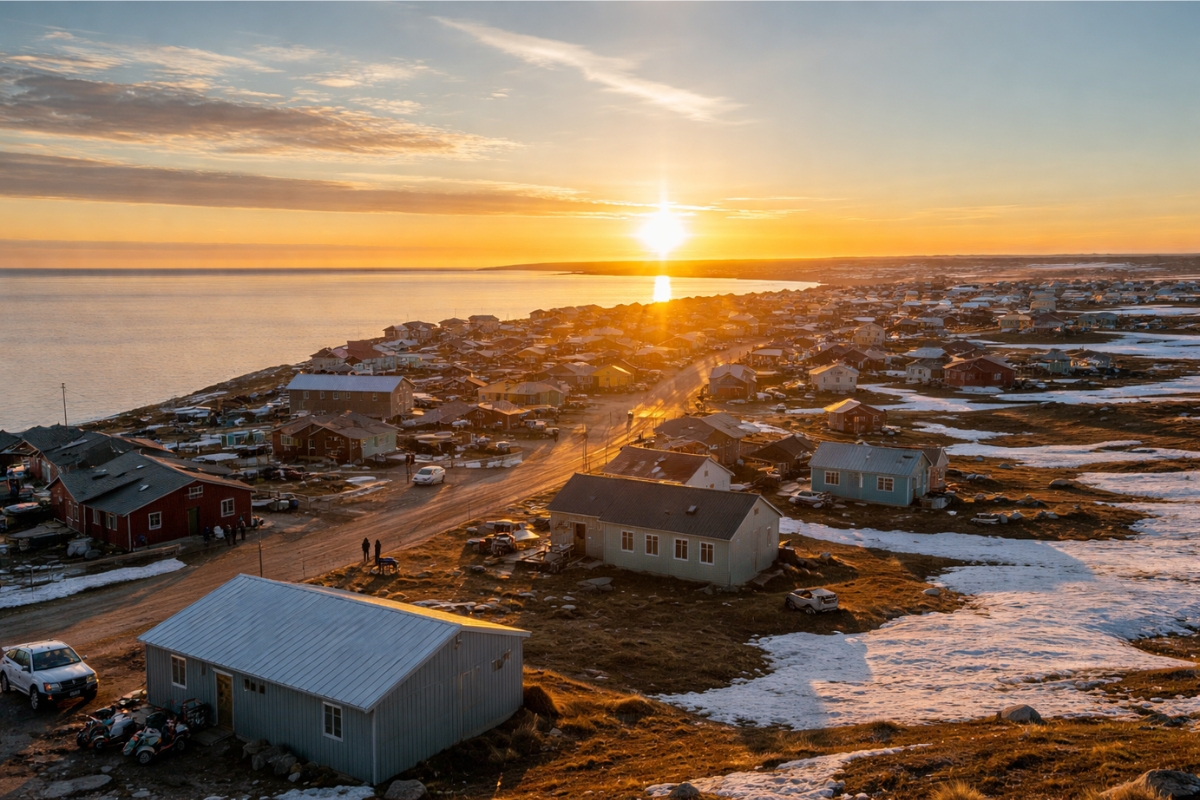


Natural Phenomenon Affects Sleep, Work, and Daily Habits, Creating a Continuous Light Routine for More Than Two Months
For part of the year, a city goes through an unusual experience: the sun remains visible in the sky for 76 consecutive days, without darkening at any moment.
During this period, life continues without the presence of night. Trade, work, and everyday activities keep functioning under constant light, requiring physical and social adaptation from the population.
What Happened and Why It Drew Attention
The phenomenon occurs in Utqiaġvik, a locality situated at the northernmost point of the American continent. Its geographical position causes the sun not to set for consecutive weeks during the summer.
-
After 200 years, blue and yellow macaws return to Rio with the release of 4 birds in Tijuca Park.

-
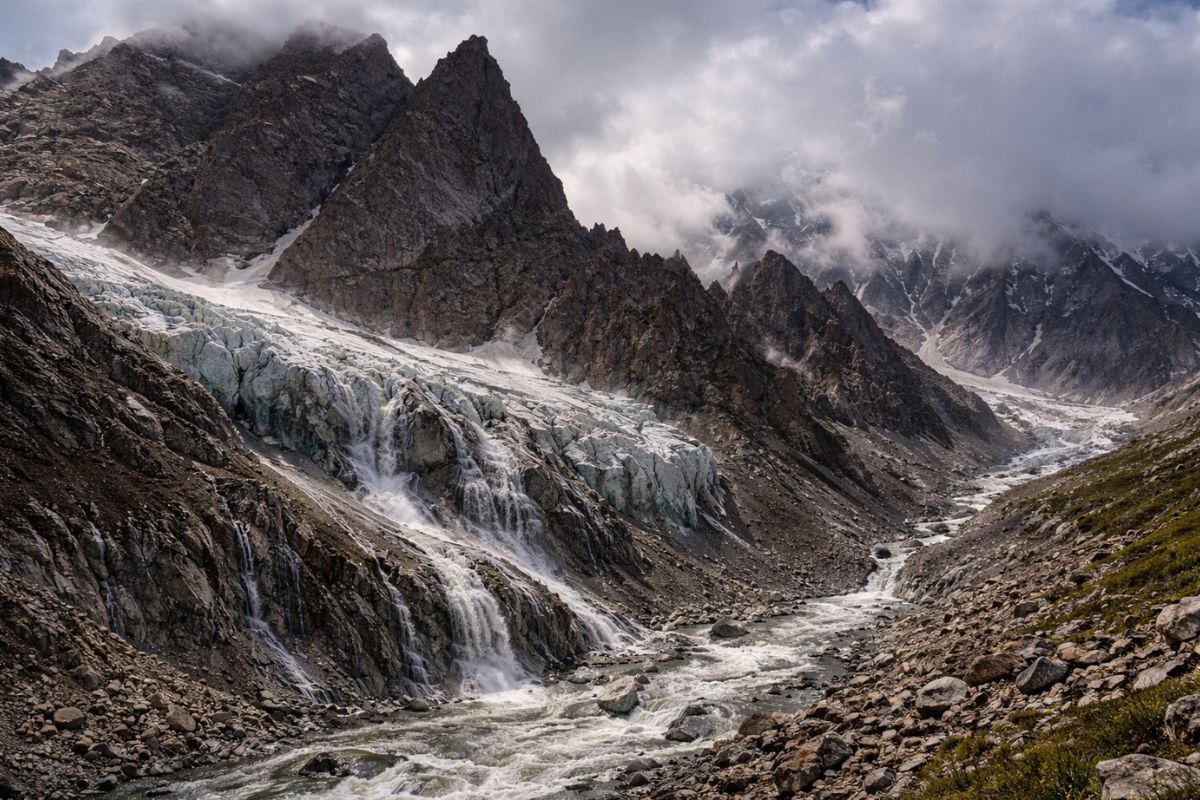
The glaciers of the Himalayas are melting faster than any previous forecasts indicated, and scientists warn that changes in the monsoons could leave millions of people without drinking water, irrigation, and energy in India, Nepal, and Bangladesh.
-
Every day, before the sun rises, tractors go out to clear a road that the desert tries to swallow throughout the night, because in the United Arab Emirates there is a highway that cuts through the largest continuous sand sea on the planet, passing alongside dunes 300 meters high and melting the soles of any shoe that touches the asphalt in the summer.

-
In León, potholes become craters and burst tires and suspensions, but the city hall blames the drivers, saying that the road was marked and that at 30 km/h it was possible to swerve, and they only cover at most half of the repair costs.

Between May and August, the city enters the period known as the midnight sun, when the sun remains above the horizon for twenty-four hours a day.
This condition completely transforms the residents’ relationship with time, as the traditional cycle of day and night ceases to exist.

Why the Sun Doesn’t Set for So Many Consecutive Days
The explanation lies in the tilt of the Earth’s axis and the city’s proximity to the North Pole. During summer in the northern hemisphere, this region remains tilted toward the sun.
As a result, sunlight continuously reaches the area without nightly interruptions. The phenomenon occurs every year and is part of the so-called Arctic Circle.
During winter, the opposite effect takes place, with weeks in which the sun does not appear in the sky.
How Routine Works in a City Without Night
The absence of darkness alters simple habits such as sleeping and orienting oneself by time. Many residents use blackout curtains to simulate night inside their homes.
Schools, public services, and businesses maintain regular hours based on the clock and not on natural light. The body needs to adapt to an environment where the day never ends.
Outdoor activities are extended for longer periods, taking advantage of the constant brightness and milder summer temperatures.
The Impact on Sleep, Health, and Behavior
Continuous light can interfere with the biological clock, affecting melatonin production, a hormone related to sleep. For this reason, controlling the indoor environment becomes essential.
Some people report difficulty sleeping in the first few days of the phenomenon, while others adapt over the weeks.
A nightless routine also influences mood, productivity, and the perception of time, requiring individual adjustments.
What Happens When Darkness Returns
After the period of continuous light ends, the sun starts to set daily until, in winter, the polar night occurs.
During this phase, the city faces weeks without direct sunlight, having the opposite impact of summer. Adaptation becomes necessary again, now to deal with long periods of darkness.
These extreme cycles are part of local life and shape how the population organizes the entire year.



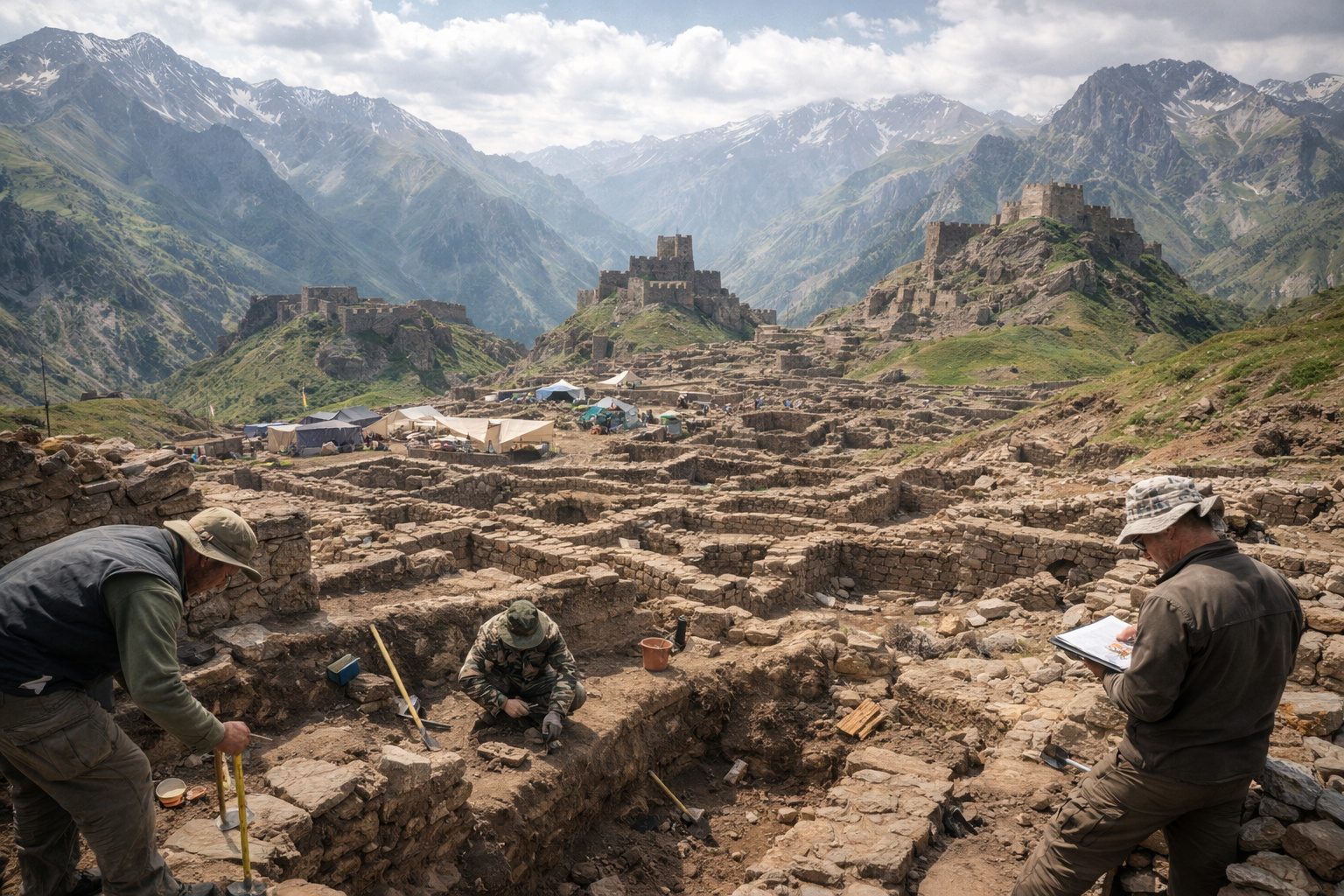






Alert Canada is so far North at 83 degrees that it gets 106 days without darkness.
Muito interessante. Mesmo com o sol assim, não há muito calor, acredito.