





 Portuguese
  English
  Spanish
  6 min of reading
  3 comments


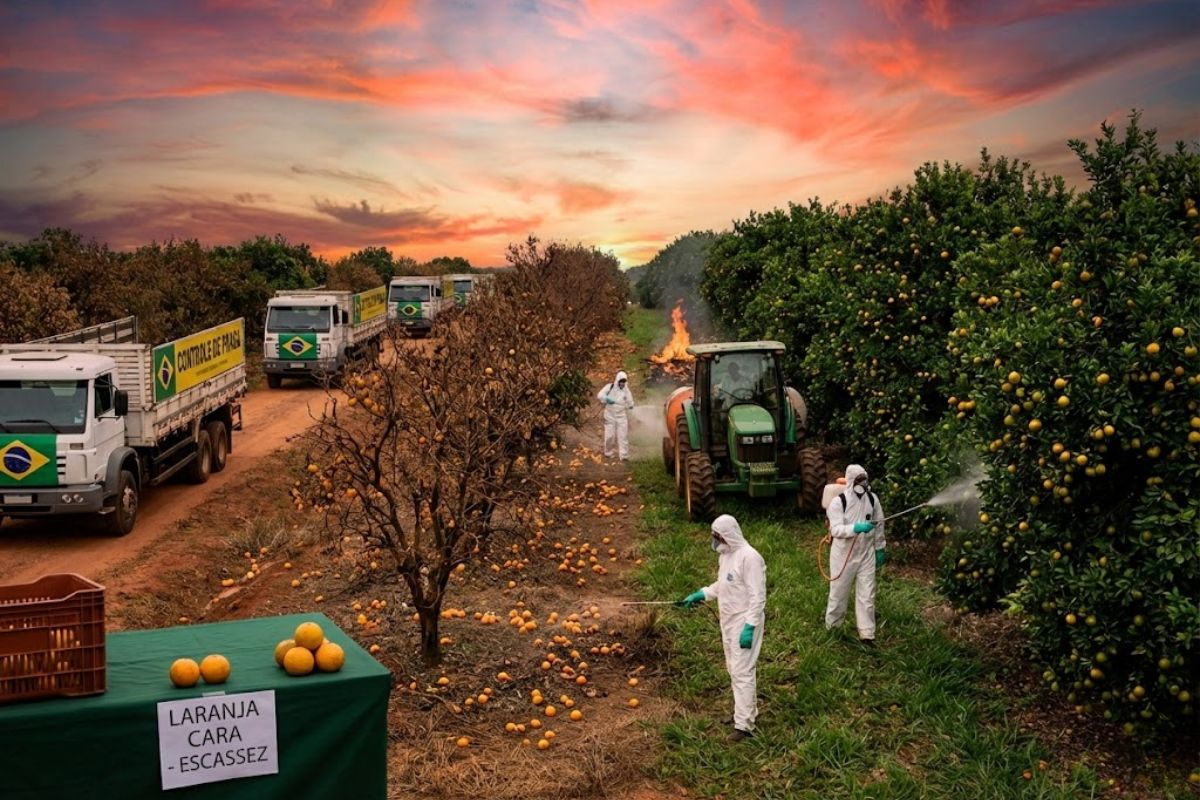


Greening Outbreak in SP Devastates Orchards, Raises Orange and Juice Prices, and Historic Agreement Establishes CPA Citros with R$ 90 Million to React in the Coming Years
The disease known as greening has been advancing since 2004 and puts pressure on the citrus belt of São Paulo and Minas Gerais.
In 2024, Limeira led the incidence, which increased from 73.87% in 2023 to 79.38%.
In Piracicaba, on the 12th, an agreement established R$ 90 million for urgent research in five years, with a focus on technology and education.
-
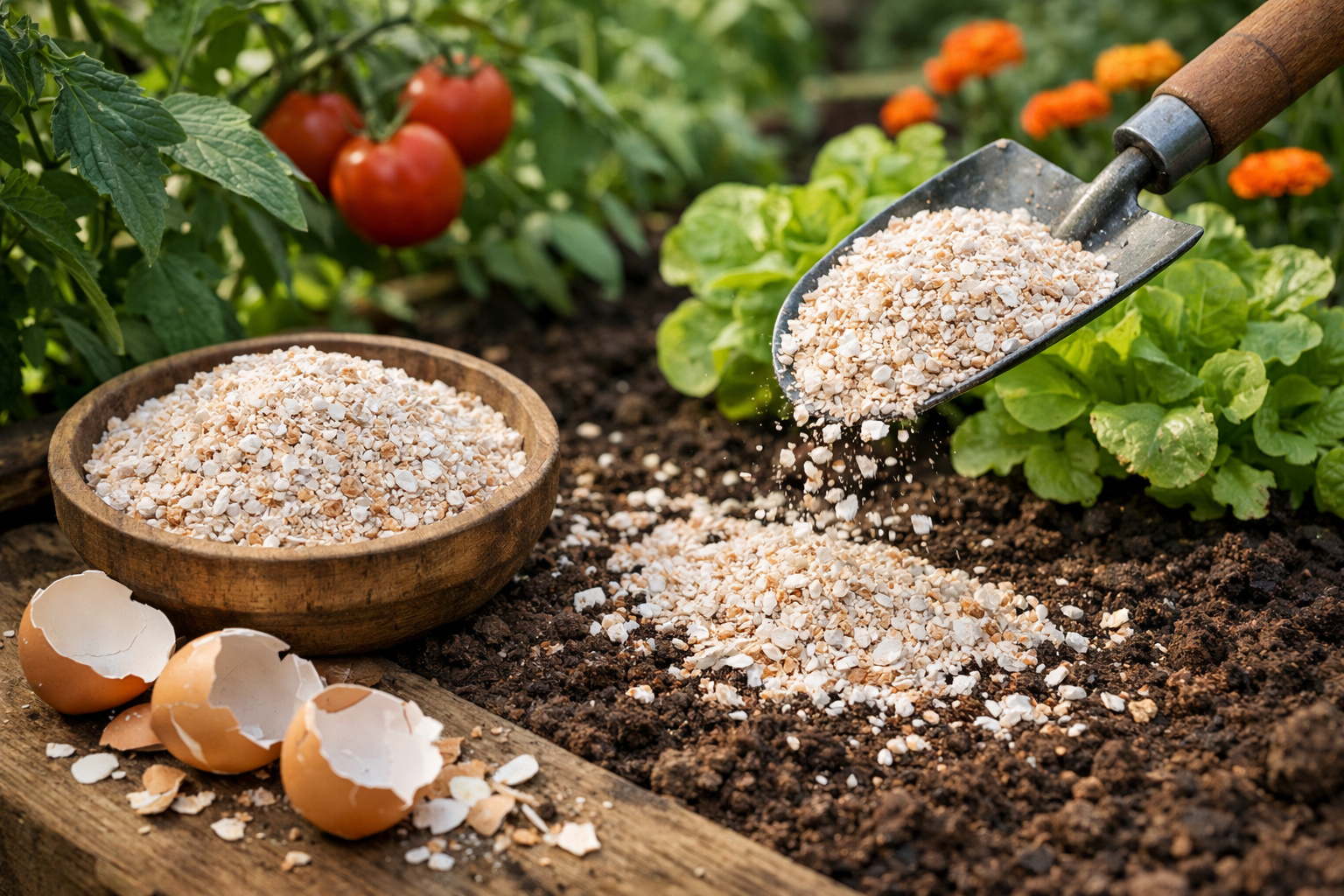
The eggshell that almost everyone throws away is made up of about 95% calcium carbonate and can help enrich the soil when crushed, slowly releasing nutrients and being reused in home gardens and vegetable patches.
-
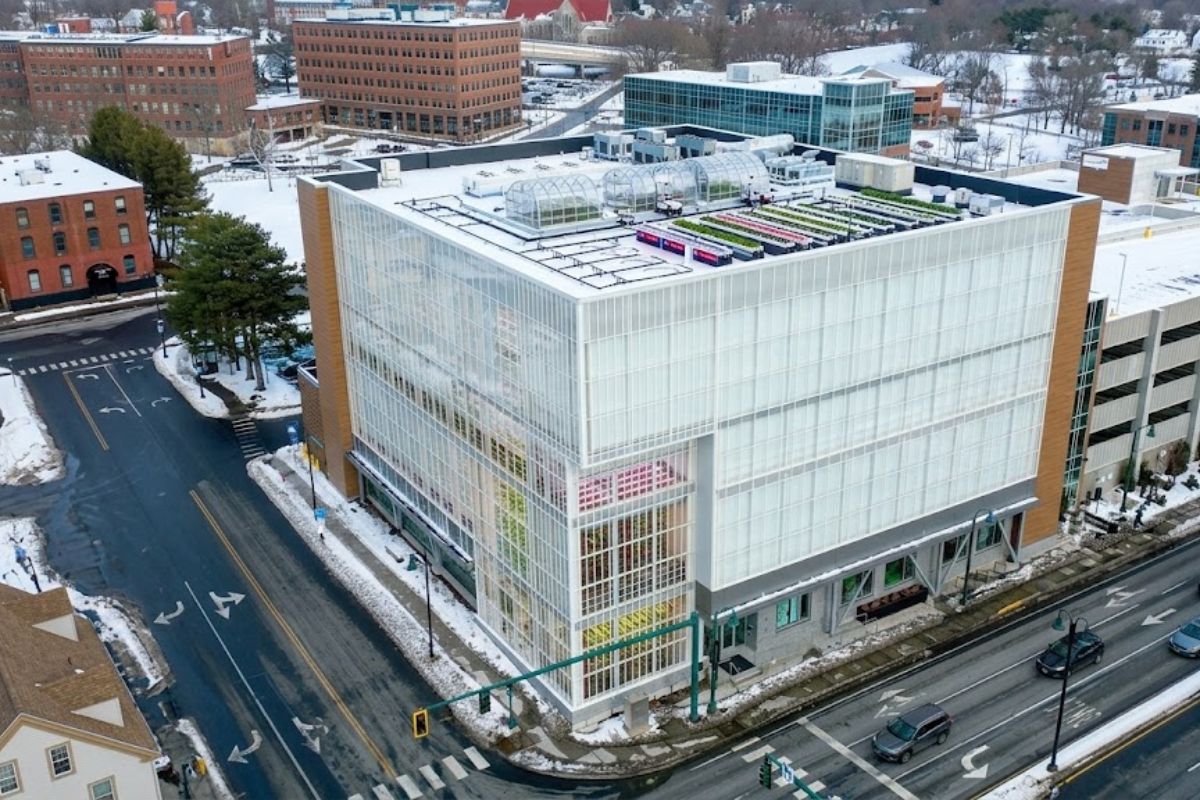
This farm in the United States does not use sunlight, does not use soil, and produces 500 times more food per square meter than traditional agriculture: the secret lies in 42,000 LEDs, hydroponics, and a system that recycles even the heat from the lamps.
-
The water that almost everyone throws away after cooking potatoes carries nutrients released during the preparation and can be reused to help in the development of plants when used correctly at the base of gardens and pots, at no additional cost and without changing the routine.

-
The sea water temperature rose from 28 to 34 degrees in Santa Catarina and killed up to 90% of the oysters: producers who planted over 1 million seeds lost practically everything and say that if it happens again, production is doomed to end.


The greening disease, considered the most destructive to citrus cultivation in Brazil and worldwide, has provoked an unprecedented reaction in the interior of São Paulo.
On the 12th, the agreement that creates the Center for Applied Research in Innovation and Sustainability of Citrus, the CPA Citros, was formalized at the Luiz de Queiroz College of Agriculture, Esalq, on the USP campus in Piracicaba, with an expectation of R$ 90 million in actions over five years.
The advancement of the disease in the citrus belt has been ongoing for some time.
The greening has affected orchards since 2004, especially in the state of São Paulo.
The effects became more visible in 2024, when Fundecitrus identified the region of Limeira as the most affected.
The incidence rose from 73.87% in 2023 to 79.38% in 2024.
During the same period, producers reported a spike in prices.
Oranges for industry increased from R$ 0.80 to R$ 2.
In retail, it rose from R$ 1 per kilogram to R$ 3.
Where the Disease Advanced and Why São Paulo Became the Epicenter

The greening disease mainly pressures the citrus belt of São Paulo and Minas Gerais.
Areas of the interior of São Paulo are particularly highlighted.
In 2024, the survey indicated the region of Limeira (SP) as the most affected.
This confirmed a trend from previous years.
It demonstrated that the disease continues to gain ground.
In addition to Limeira, the impact spreads to rural properties and supply chains in the interior.
It alters purchasing routes.
It raises logistical costs.
It changes the production map.
When the incidence approaches 80%, the problem ceases to be localized and becomes structural, affecting everyone from producers to consumers.
What is Greening and Why is it Considered the Most Destructive Disease
Greening is a disease caused by a bacterium.
It is transmitted by the psyllid insect Diaphorina citri.
It is known as the sharpshooter.
The disease manifests itself through symptoms such as yellowing leaves.
And dry and wilted flowers.
These signs compromise the vitality of the plant and the productivity of the orchard.
The most severe aspect is that greening is not restricted to one part of the crop.
It weakens the plant, reduces production, and can lead to death.
This causes ongoing losses.
Reduction in supply.
Price instability.
That is why the sector treats greening as the most destructive disease in global citrus cultivation.
The Historic Reaction in Piracicaba on the 12th and What the Agreement Enables
The response took shape in Piracicaba (SP).
On the campus of USP Esalq.
The agreement was formalized on Monday, the 12th.
The agreement provides for R$ 90 million.
The funds will be applied over five years.
The focus is on research.
Technology transfer.
Education.
The package supports actions to tackle the disease with a focus on practical results.
The structure created is the CPA Citros.
It is described as one of the pillars in combating greening.
The goal is to move from reactive confrontation to building applied solutions, connecting science, production, and implementation in the field.
An International Network Connected to Piracicaba and the Scope of the Project
The agreement interlinks 19 institutions.
Involves 76 scientific departments.
Participating seven countries.
Brazil.
United States.
Portugal.
Spain.
France.
England.
Australia.
The headquarters is described as virtual.
It is connected to research centers.
Esalq in Piracicaba acts as the coordinating point of the initiative.
This cooperation architecture enhances research capacity.
Accelerates the exchange of methodologies.
Allows solutions to be tested and adapted to the Brazilian environment.
When a disease is global, the response needs to be compatible with that scale, especially in a chain where Brazil has economic and social weight.
Who Participated in the Signing and the Institutional Message
The signing ceremony included representatives from the university.
From Fapesp.
From Fundecitrus.
From sector producers.
And from other bodies.
The presence of the productive sector alongside research institutions reinforces the public-private partnership character.
The investment is directed towards direct applications in citrus cultivation.
Paulo Roberto Ferro explained that the initiative arose from the demands of the sector’s community members.
The institution acted as support.
He highlighted the strengthening of reserves and the restoration chain in the state of São Paulo.
The declared focus is to support activities that were already emerging from the field, but needed technical structures to scale up.
Why Limeira Led the Ranking in 2024 and What This Indicates
In 2024, the survey showed Limeira at the top of the most affected areas.
The most revealing data is the direct comparison.
The incidence rose from 73.87% in 2023 to 79.38% in 2024.
This evolution confirms that the disease continues to advance despite control attempts.
When the rate grows in a region that was already a leader, the signal is one of ongoing pressure.
This increases management costs.
Expands productivity losses.
Pushing prices upwards.
Impact on the Wallet: How the Disease Raised Orange Prices and Affected Consumers
Reports from the interior of São Paulo expose the immediate effect on the chain.
In a farm with a family tradition spanning three generations, producer Lucas Eduardo Boschiero described the situation.
The region has around 100 thousand plants.
With approximately 80% infestation by greening.
To manage to produce juice and maintain sales of fresh oranges, it was necessary to source from other states.
Including Bahia.
Minas.
Sergipe.
Goiás.
In price, the change was direct.
For the industry, a price that was R$ 0.80 rose to R$ 2.
For markets, what previously cost R$ 1 per kilogram increased to R$ 3.
This leap doesn’t stop at the producer.
It reaches the shelves.
And into the consumer’s glass.
When the Disease Destroys the Orchard, the Local Economy Moves Elsewhere
In extreme cases, the disease not only reduces production.
It eliminates cultivation areas.
A restaurant owned by merchant Elias Staiguer now operates where an orange plantation was previously destroyed by greening.
Today, he buys the fruit from another producer in the region.
This producer runs his own juice factory.
He reports the impact of distance.
The oranges come from farther away.
They become more expensive.
Carrying the freight impact.
This type of transformation weighs heavily on jobs.
On income.
On regional dynamics.
When an orchard disappears, it’s not just the fruit that disappears.
Work routines vanish.
Services.
Transportation.
Income connected to the field.
What CPA Citros Aims to Deliver in Five Years
The CPA Citros plan is organized into three fronts.
Research.
Technology Transfer.
Education.
The fronts are financed by the R$ 90 million agreement.
The time frame is five years.
The proposal is to enable applied strategies to confront diseases in the sector.
With special attention to greening.
The disease that most devastates citrus cultivation.
The logic is to turn scientific knowledge into field tools.
Shorten the gap between laboratory and orchard.
When a disease spreads rapidly, the response must be practical, scalable, and replicable.
Especially in regions with high incidence.
Or the sector will need to change the production and management model to avoid continued spikes in orange prices.









Nao é só a praga. Setor de cítricos expulsou o pequeno produtor, com exigências descabidas, com preço la em baixo, dificultando a mão de obra.
Tem desenvolver uma variedade resistente a doença do greening, e também erradicar a planta hospedeira do inseto causador da doença do Brasil inteiro,Aqui no M.S., estão implantando recentemente pomares de laranja,mas logo vão estar infestado da doença, porque o povo cultiva Murta na jardinagem ,vc anda na capital é infestada dessa planta nos jardins e nas calćadas como plantas ornamentais ( vulgo dama da noite).
São só vinte anos de atraso…. Agora Inês é morta…