





 Portuguese
  English
  Spanish
 5 min of reading
  0 comments


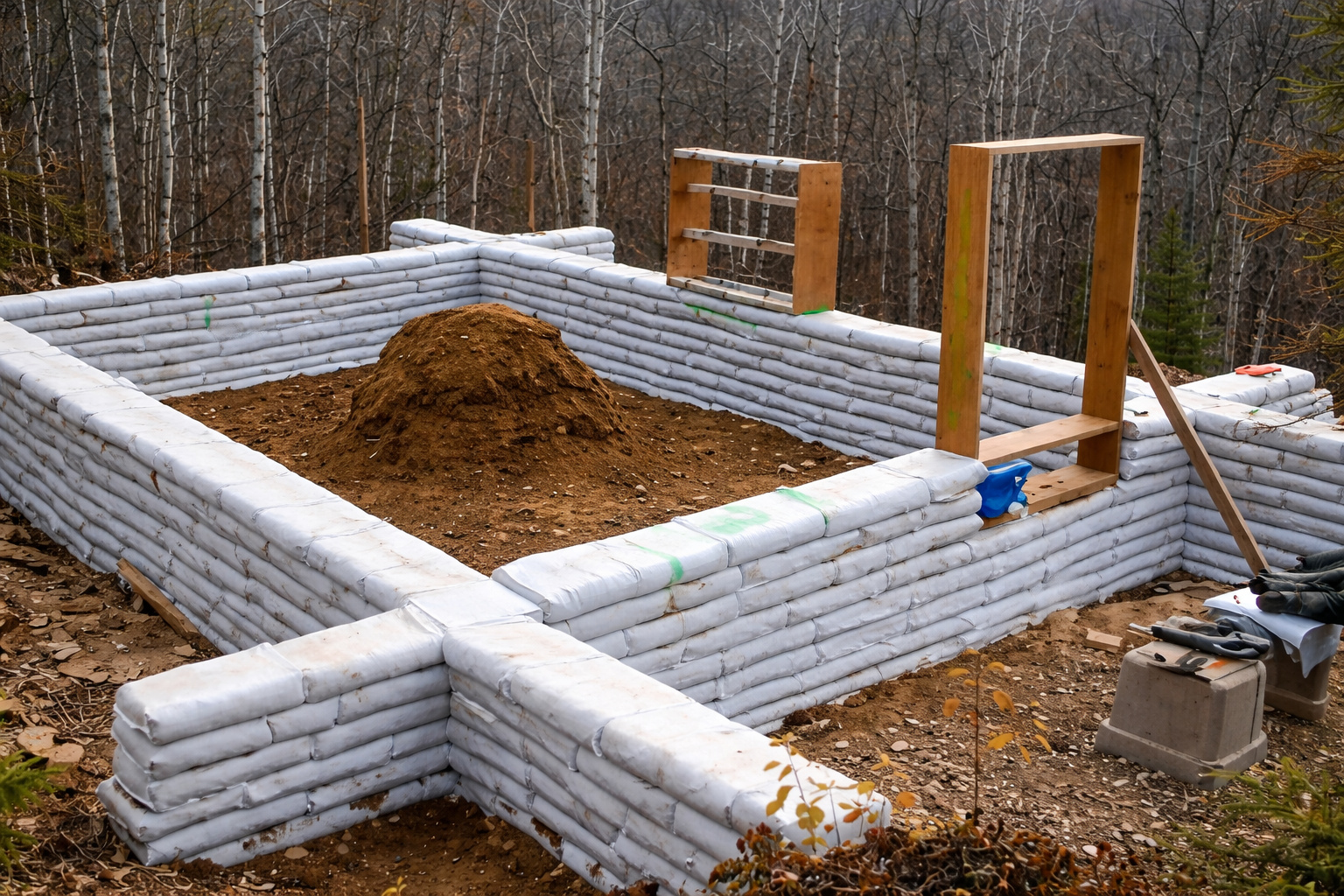
Sea Level Rise Pressures Paraíba Coast, Threatens Strategic Highway, and Affects Dozens of Indigenous Villages, While Municipality Bets on Million-Dollar Retaining Wall to Try to Halt Erosion Accumulated Over Four Decades.
The City Hall of Baía da Traição, on the North Coast of Paraíba, has begun constructing a retaining wall estimated at R$ 5 million, with the goal of reducing sea level rise and protecting the municipality’s most pressured coastal area.
The project targets a section where erosion has already reached homes and is beginning to threaten the highway PB-008, considered essential for connecting the city center to indigenous communities scattered throughout the region.
Retaining Wall Tries to Halt Historical Erosion on the Coast
According to the municipal Civil Defense, the intervention includes the installation of a physical barrier to contain the action of water at vulnerable points, which have become more exposed with storm surges and changes in the sandbar over time.
-
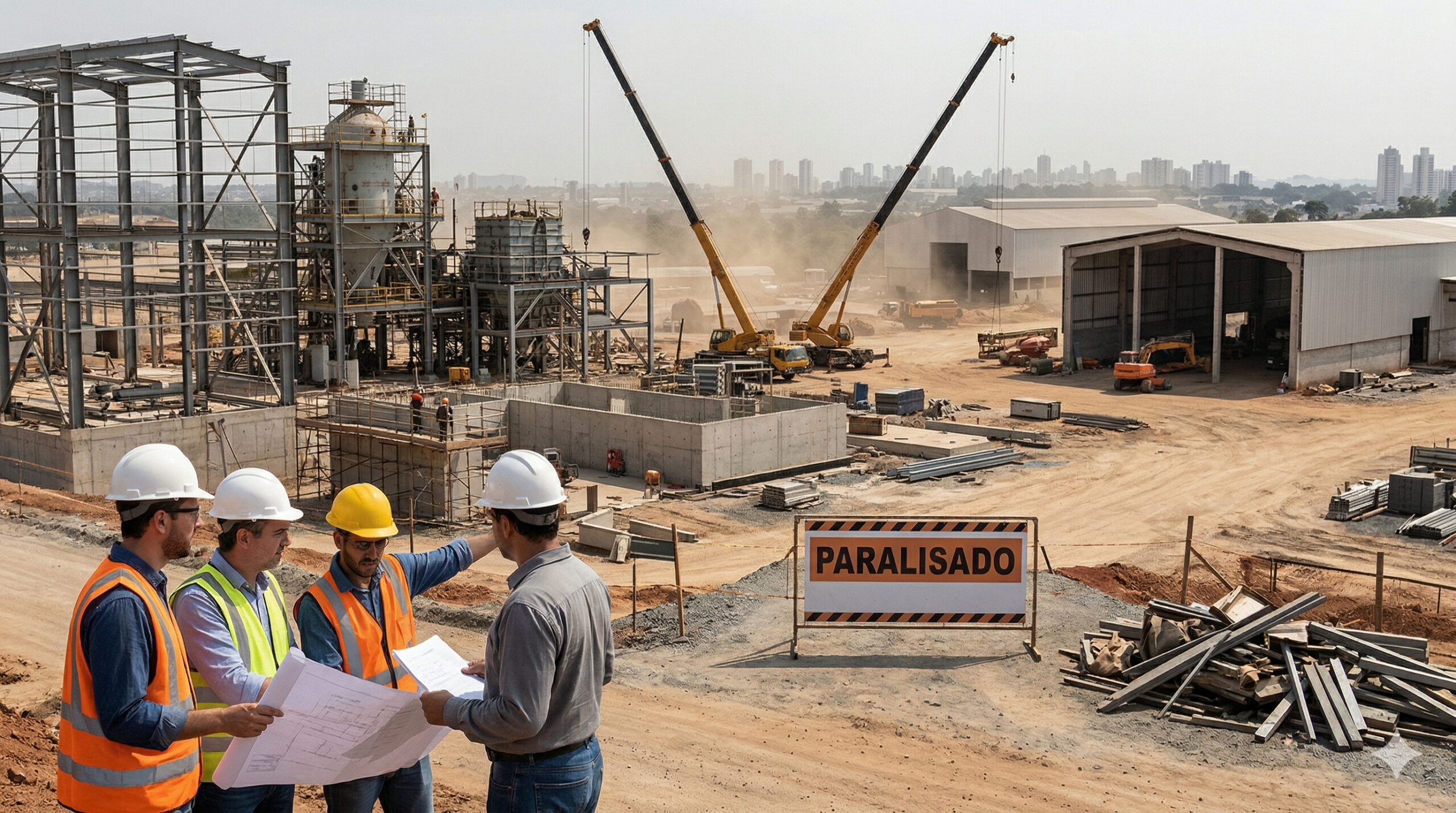
The lack of welders, electricians, and operators becomes a structural threat in 2025, with the construction industry and manufacturing already suffering from delays, cost pressures, and labor shortages in Brazil.
-
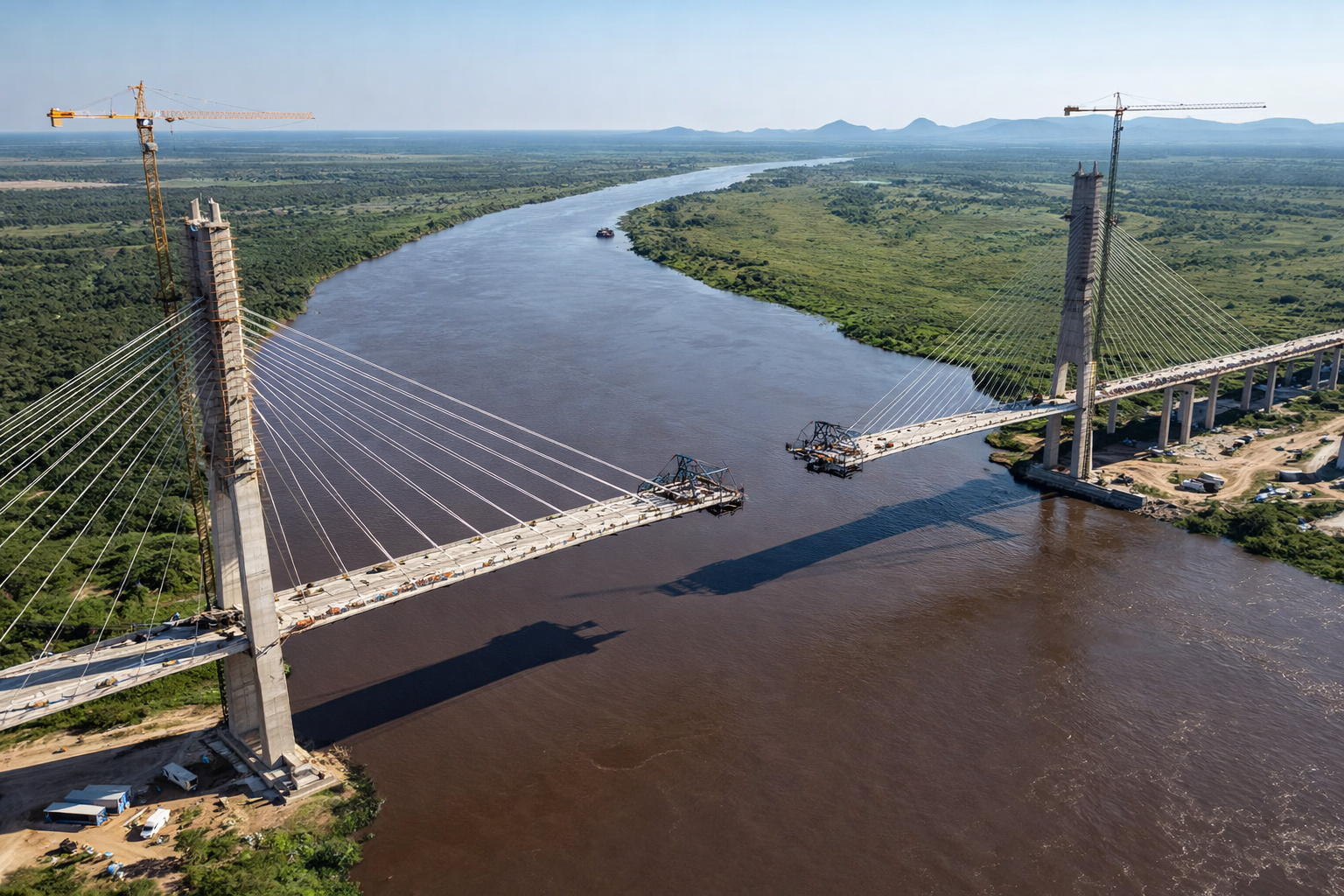
Brazil and Paraguay are just 46 meters away from a historic union on the bioceanic bridge that promises to revolutionize trade between the Atlantic and the Pacific.
-
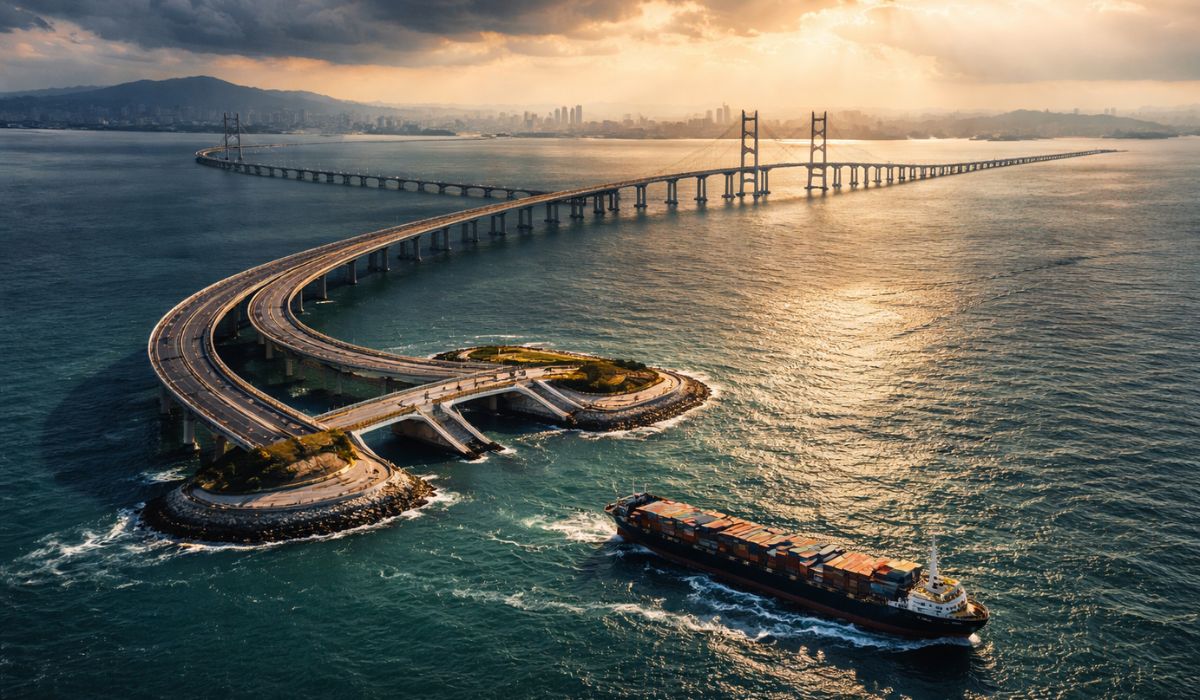
With 55 km over the sea, a cost of US$ 20 billion, and enough steel to build 60 Eiffel Towers, China’s largest project has connected Hong Kong, Zhuhai, and Macau in a colossal bridge that defies the logic of engineering.
-
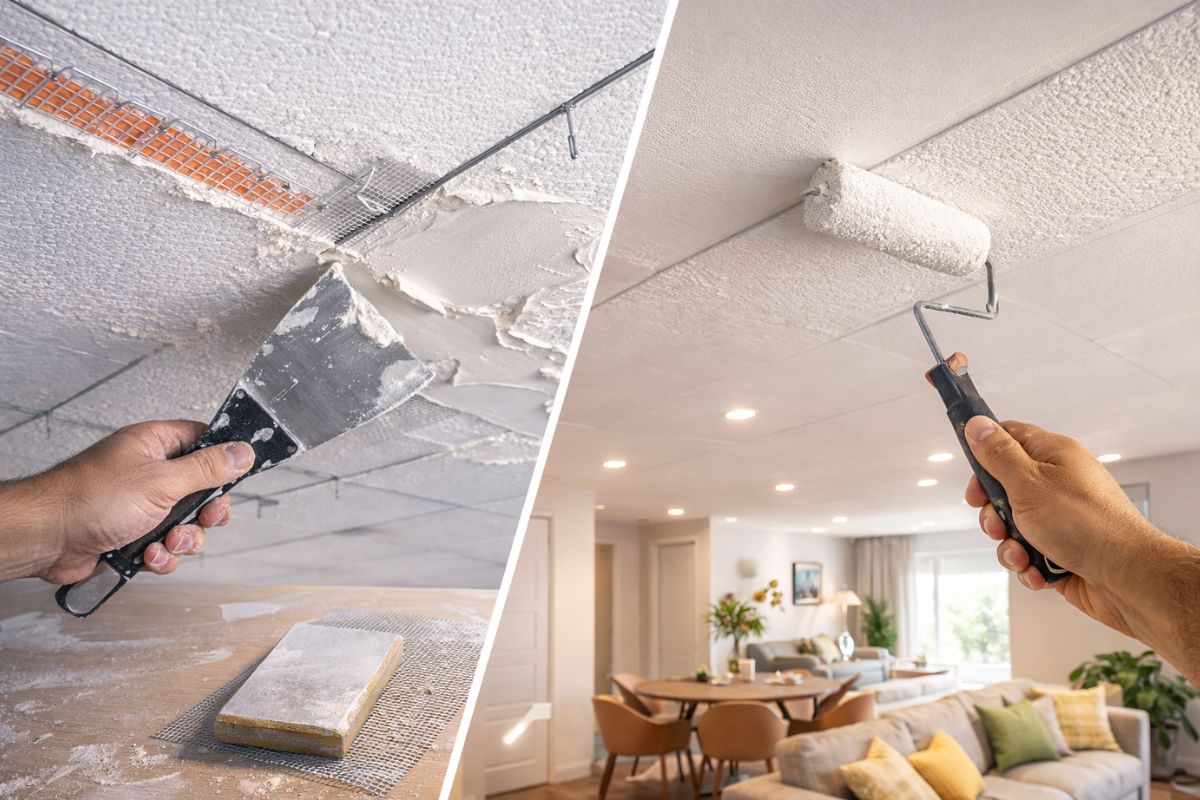
A trick with joint compound transforms a Styrofoam ceiling into a plaster-like ceiling: leveled panels, wires and mesh at the joints, sand, paint, and change the environment while spending little today.
Due to its direct function of containment, the result is expected to be measured in everyday life, particularly in the reduction of land loss, the decrease of damage to nearby properties, and the preservation of urban access in an area where residents report recurring impacts.
The data cited by local authorities indicate that the problem has accumulated over decades, with significant retreat in specific parts of the coast, leading the municipality to seek an engineering solution to protect structures that have already been pushed into the risk zone.
Study Indicates Loss of 80 Meters Over Four Decades

A study attributed to Professor Celso Santos of the Federal University of Paraíba recorded that, in just one monitored section, Baía da Traição lost about 80 meters of territory over approximately four decades.
The same research also indicated that, considering the entire coast of the municipality, there was an average loss of 12 meters between 1984 and 2025, with a retreat rate estimated at 0.29 meters per year based on comparative analysis.
This technical assessment reinforces what residents report observing in practice, with the waterline advancing over previously occupied areas and the sea reaching points where there were yards, walls, and structures that now appear compromised.
In local reports that covered the scenario, more than 20 residences were mentioned as having impacts associated with sea level rise, along with the report of one house described as “turned upside down” during the erosive process.
PB-008 Enters the Risk Zone and Amplifies Social Impact

Concern has increased because one of the most affected areas includes Praia do Forte, through which PB-008 runs, presented as the main link between the municipality’s center and indigenous villages, amplifying the consequences of any roadway damage.
If erosion advances to compromise sections of the highway, the fear expressed by authorities and residents is that communities will become isolated, directly impacting circulation, supply, and access to essential services such as health and education.
In this context, the stability of the asphalt is no longer a mere infrastructure detail but is now treated as a daily issue, as the roadway organizes movements and ensures permanent connections between different areas of the municipal territory.
Municipality with Indigenous Majority Faces Coastal Threat
The risk associated with erosion carries extra weight because Baía da Traição has a majority indigenous population, with 86.64% of the population composed of indigenous peoples, according to data from the 2022 Census released in public surveys.
In the same framework, reports about the local situation indicated that about 33 villages are distributed in the region, which increases the area potentially affected by road disruptions and rapid changes on the coastline.

With dozens of communities dependent on road access, any instability on PB-008 is likely to have ripple effects beyond the shore, affecting public service routes and internal movements in a municipality where routes structure daily life.
Emergency Declared and Environmental Licensing Enable Construction
The institutional response to rising sea levels included a municipal decree related to coastal erosion, and the issue has also appeared in communications about public calamity as damages accumulated in the most exposed area.
In the legal and environmental realm, the Federal Public Ministry issued a recommendation focused on emergency measures to protect local infrastructure, reinforcing the need for coordinated action and technical decisions in areas under pressure from the sea.
Sudema informed that it has provided environmental licenses to enable actions indicated by technicians monitoring the region, a step that is usually critical in coastal works, as the structure can alter sediment and wave dynamics.
Civil Defense Mentions Dune Recovery and Light Engineering


Even with the construction underway, local Civil Defense did not present the wall as the sole solution, and coordinator Wenison Medeiros stated that other actions would be necessary to seek a response that does not only focus on the short term.
Among the measures mentioned by him are the recovery of dunes and restinga vegetation, beach replenishment, restoration of mangroves and reefs, as well as “light engineering” works, such as permeable structures and submerged breakwaters.
With the investment of R$ 5 million, the intervention is also being observed from the perspective of public management, as expectations grow regarding the section effectively protected, monitoring criteria, and results after high tides and storm surges.
Among tourism, housing, infrastructure, and traditional communities, erosion in Baía da Traição brings together overlapping public interests, and the performance of the wall is expected to influence the debate over which responses gain priority when the coast recedes near houses and roads.
Among tourism, housing, infrastructure, and traditional communities, erosion in Baía da Traição brings together overlapping public interests, and the performance of the wall is expected to influence the debate over which responses gain priority when the coast recedes near houses and roads.








-

-

-

-

10 pessoas reagiram a isso.