





 Portuguese
  English
  Spanish
 4 min of reading
  0 comments


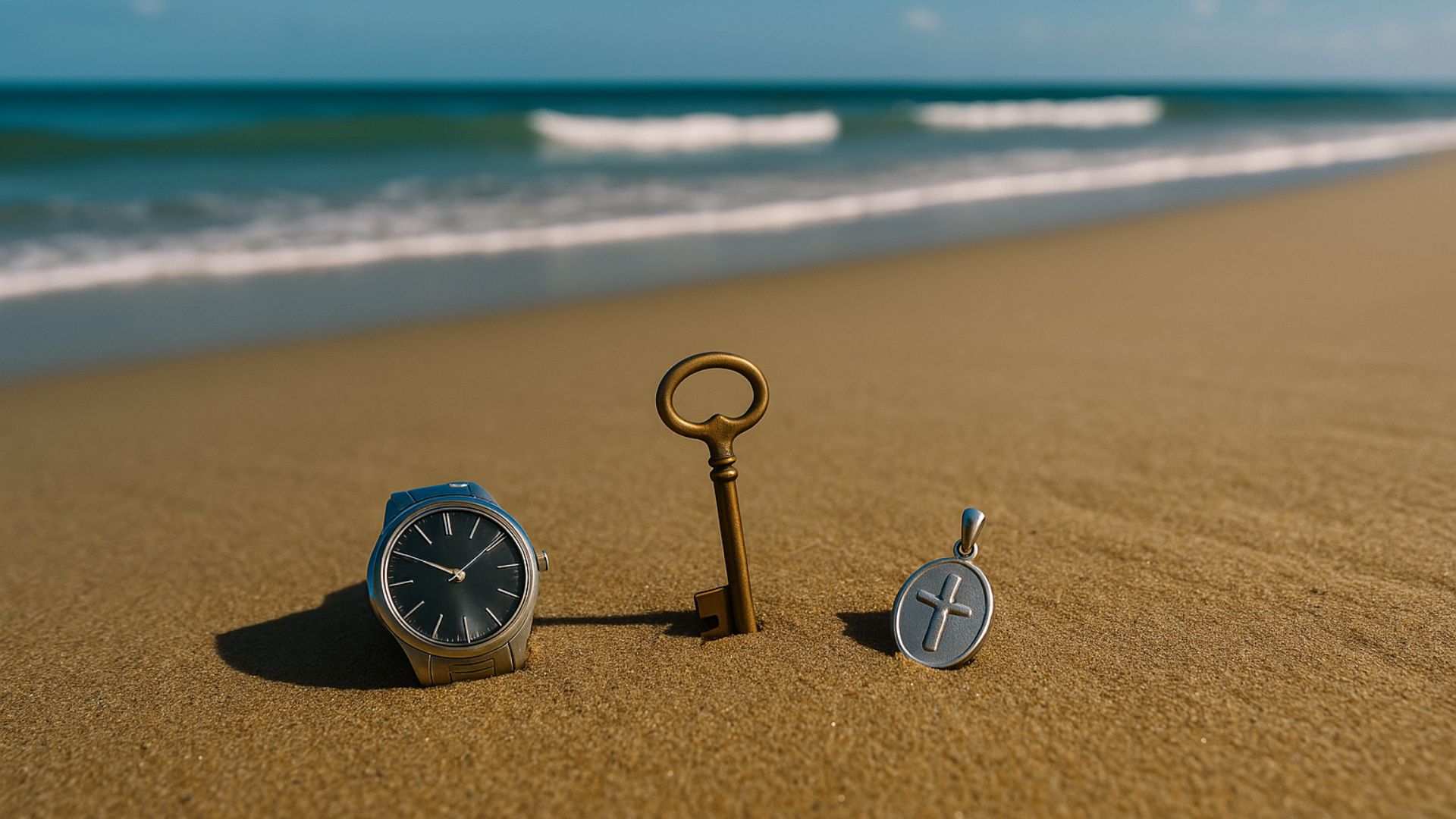
The Cassino Beach Gathers Reports of Objects That Disappear and Reappear, Phenomenon Linked to the Dynamics of Currents and Sand According to Experts, Catching the Attention of Residents and Visitors Due to the Recurrence Observed Over the Years.
Those who walk along the extensive stretch of sand at Cassino Beach, on the southern coast of Rio Grande do Sul, often hear similar reports: objects disappear at the water’s edge and, days later, reappear near the spot where they were last seen.
Residents and tourists attribute this behavior to local natural characteristics, observed for decades in the seaside resort.
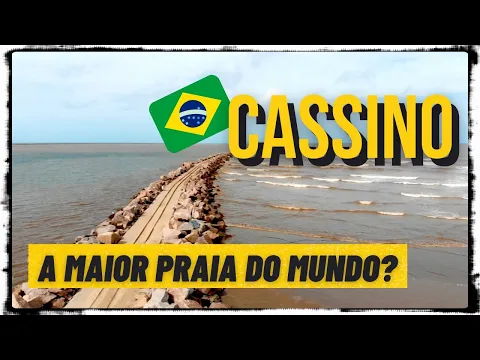
Located between the municipality of Rio Grande and the border with Uruguay, Cassino Beach forms a continuous stretch of over 200 kilometers.
-
The water crisis that could change everything this year has already begun; it’s not just about the climate, it affects technology, raises product prices, and can halt entire companies without warning.

-
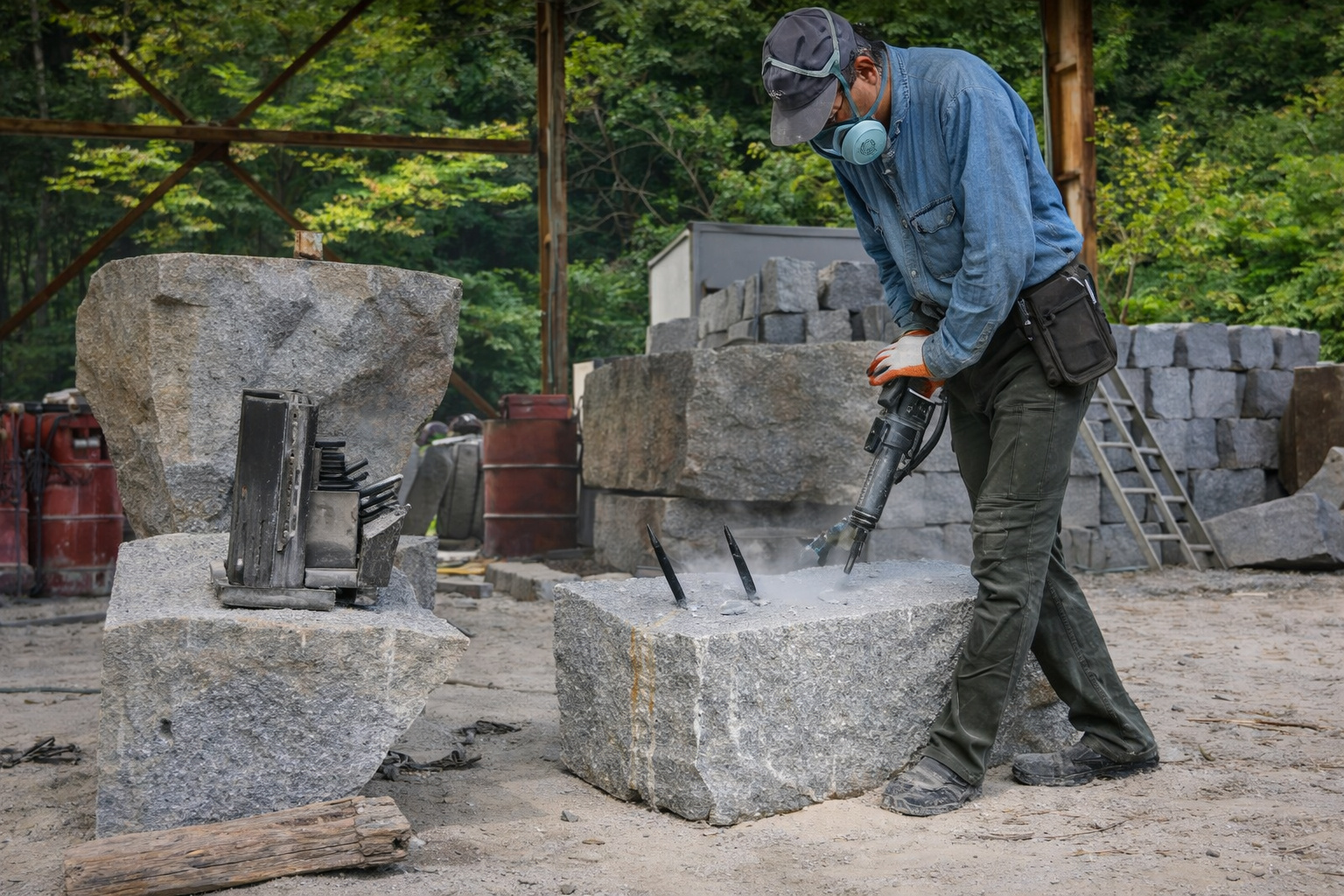
A Japanese mason transforms raw granite into small cups and handcrafted utensils, collects giant stones, cuts with precision, and impresses with detailed manufacturing and finishing.
-
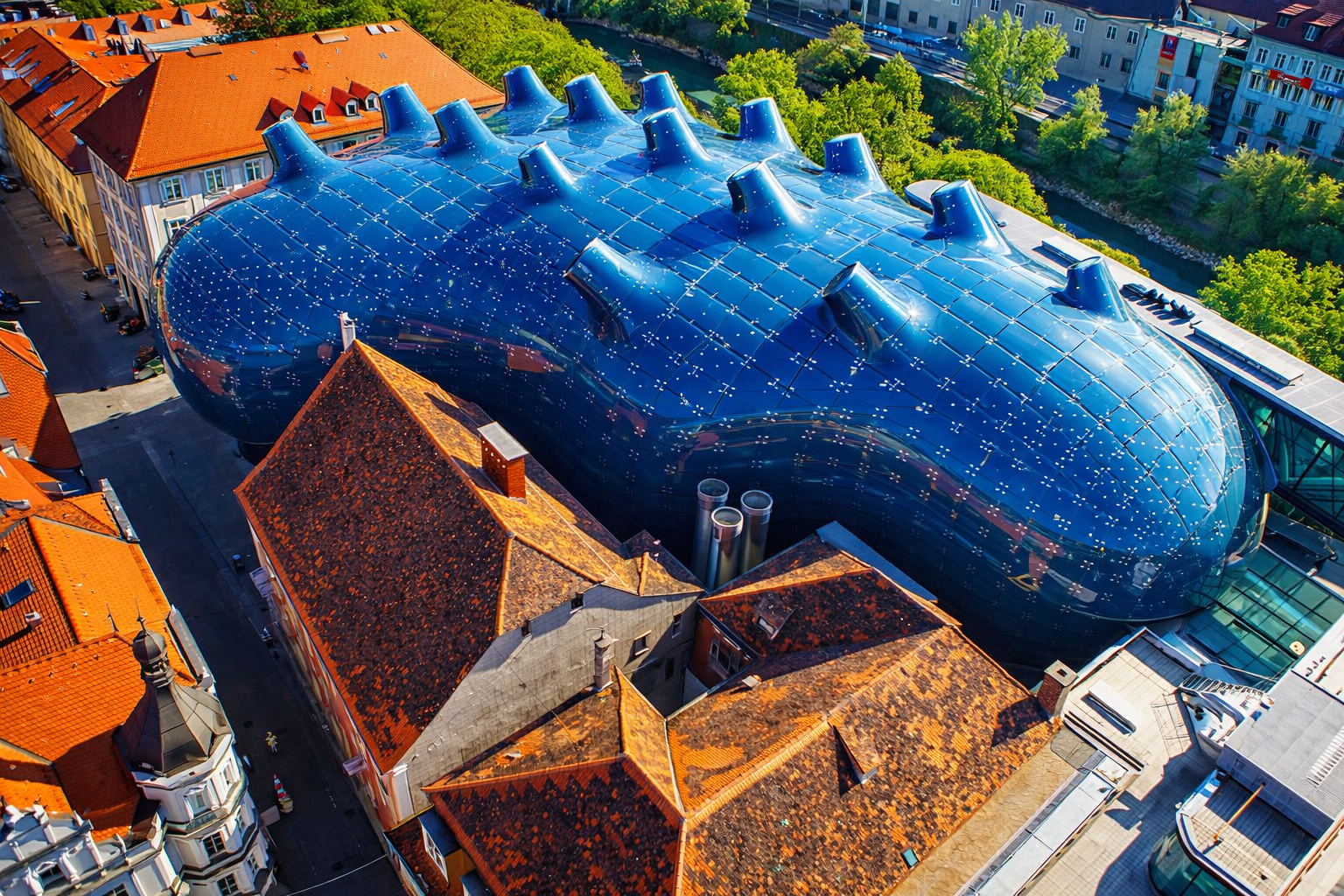
With 1,066 acrylic panels, the building known as the friendly alien is supported by a steel skeleton, has a façade that functions as a giant screen, and impresses the world without any internal columns.
-
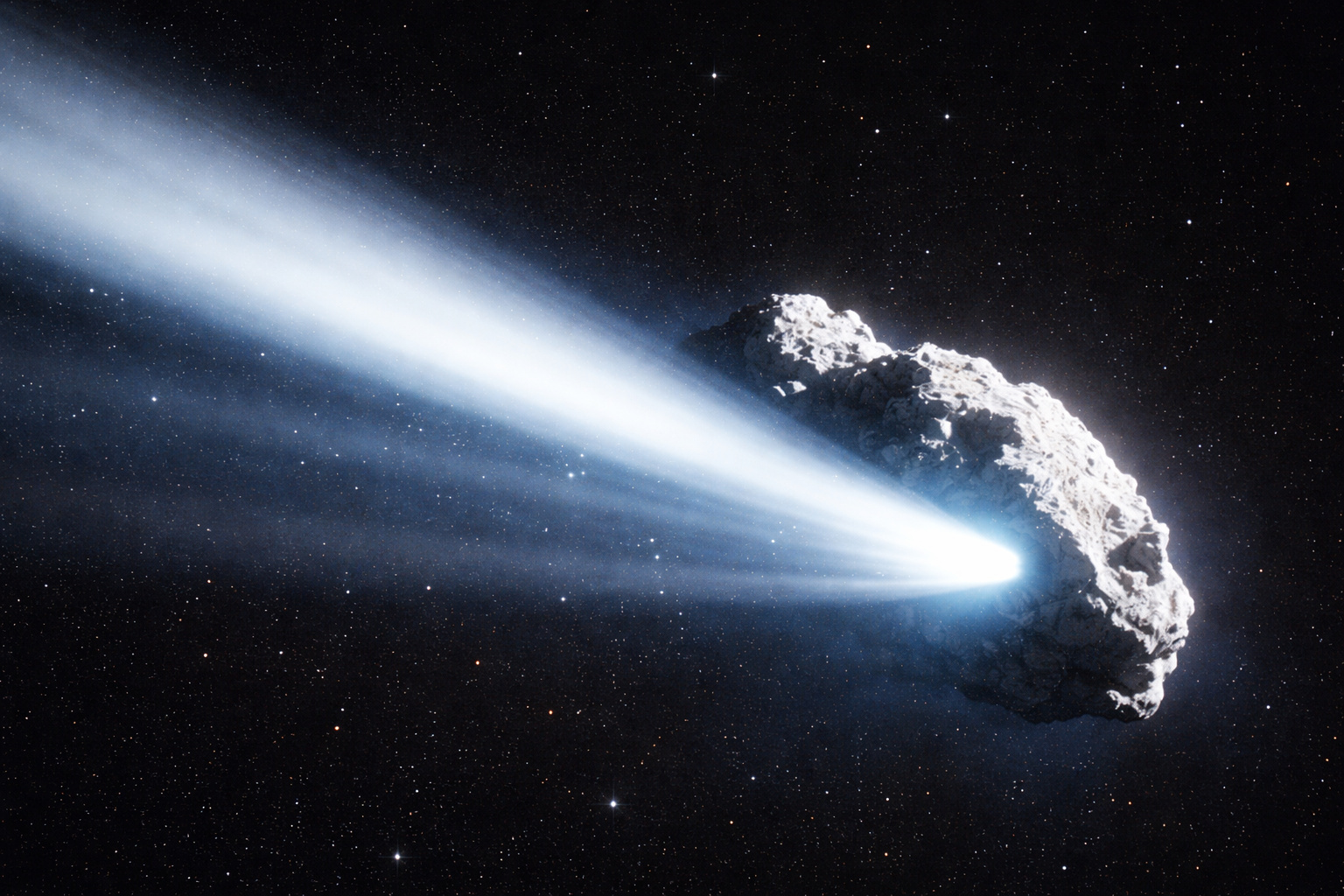
Scientists warn that a comet about 1 km in size that has started to release gases may actually change direction in space. It was spotted by NASA and surprises with potential impacts near Earth.

The combination of strong winds, open sea, and fine sand creates an environment of constant sediment redistribution, according to researchers studying the coastal landscape of Rio Grande do Sul.
This set of factors helps explain the temporary disappearance of belongings and their subsequent reappearance after tidal cycles.
Dynamics of the Sea at Cassino Beach
Reports from residents and fishermen describe recurring cases of rings, toys, glasses, and other belongings that quickly disappear under the water.
The perception that the sea “has memory,” a phrase repeated in the region, is linked to the reappearance of objects after changes in the tide or wave patterns.

People living in the seaside resort associate this dynamic with the formation of shallow depressions and temporary channels beneath the waterline.
The fine sand of the coast is easily remobilized, creating variations in the seabed that can bury small items for a few hours or days.
When conditions change, the same sand is removed, causing the belongings to become visible again.
According to coastal oceanography researchers, Cassino is a high energy environment, with frequent waves, currents parallel to the beach, and a wide breaking zone.
These factors favor whirlpools and small variations in the seabed that form and disappear quickly.
Buried objects follow this movement until they are exposed again.
Moving Sand and Currents Influence the Reappearance of Objects
The impression that objects return to exactly the same point is related to the straight shape of the beach.
The coast practically has no indentations, and visitors often use similar fixed references when returning to the location, such as access points, buildings, or structures visible along the shore.
As the landscape presents few abrupt changes, variations of a few meters in the reappearance of belongings can be perceived as spatial coincidences.
Studies on the region indicate that prevailing winds, tides, and the straight layout of the coast keep the environment in constant transformation.
On days of higher agitation, shallow depressions form in the wet sand.
On others, these same structures disappear without leaving marks.
Light objects can be displaced by small currents before becoming trapped in irregularities of the seabed and later resurfacing when the sediment begins to move again.
This dynamic, according to experts, is typical behavior for beaches with the characteristics present at Cassino.
Reports from Residents and Visitors

The reports of belongings reappearing have become part of the memory of residents and frequent visitors.
There are informal records of items found days or weeks after their loss.
Longtime residents and visitors comment that similar episodes have been occurring for many years in the seaside resort, especially during periods of significant variation in wind and tide.
These narratives form part of the local daily life and coexist with the technical explanations given by experts, who attribute the phenomenon to the natural mobility of sand and currents.
The topic, often discussed by tourists, reinforces the perception that certain patterns repeat throughout the seasons, even though there are no specific studies on the recurrence of cases involving personal belongings.
Open Sea Environment and Rapid Changes
Besides this behavior observed by residents, Cassino stands out for its extension and environmental conditions.
The beach stretches for over 200 kilometers, a characteristic that contributes to the homogeneity of the landscape.
The sea is cold, with rapid variations in wind and frequent changes in wave height.
On certain days, the wind changes direction in a matter of minutes, affecting the break and modifying the shape of the wet sand strip.
When the sea advances, trenches and recesses form where objects can temporarily get stuck.
In calmer conditions, the sand can reorganize and expose what was submerged again.
In this context, passersby find shells, logs, marine organisms, remnants of vessels, and occasionally, belongings lost by visitors on previous days.

Technical Explanations and Local Reports
Researchers emphasize that the movement of sand at Cassino follows typical patterns of open sea beaches.
The sediment is displaced to deeper regions and then returns to the breaking zone when conditions change.
Small objects, according to specialists, follow this natural flow until they reappear on the surface.
For visitors, the reappearance of lost items ends up being associated with local daily life and previous experiences.
Residents report that these episodes reinforce attention to personal belongings when entering the sea.
The same dynamics that bury objects are also related to the formation of return currents, common in high-energy environments.
Thus, Cassino Beach gathers typical physical phenomena of open coastal environments and reports passed down from generation to generation.






-

-

-

-

12 pessoas reagiram a isso.