





 Portuguese
  English
  Spanish
  3 min of reading
  0 comments


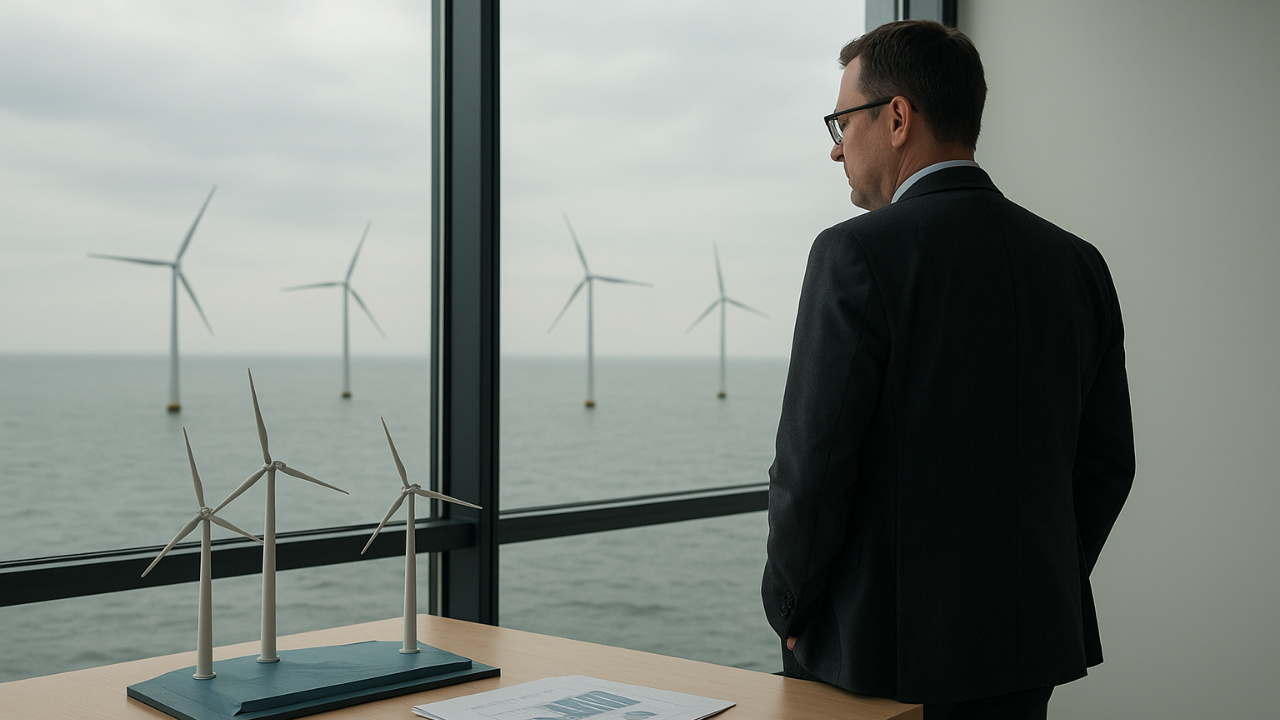
International Companies Express Frustration Over Delay in Offshore Wind Regulation in Brazil, Expected Only in 2026. Uncertainty Threatens to Drive Away Billion-Dollar Investments and Reduce the Country’s Competitiveness in Renewable Sources.
The enthusiasm surrounding the development of offshore wind energy in Brazil is giving way to frustration among investors. Following the National Energy Policy Council’s (CNPE) decision to create a new working group with a 270-day deadline to discuss sector regulation, companies are reporting discouragement with the prospect that the first auction for areas will not occur before 2026, as reported this Thursday, the 9th.
According to the Ministry of Mines and Energy (MME), the auction’s realization depends on the completion of the regulation, with the decree expected only in the first half of 2026. This timeline coincides with the election period, which imposes legal restrictions on new announcements and administrative limitations. The general feeling among investors is one of yet another delay — and that Brazil, once again, is missing opportunities to other countries.
Foreign Companies Suspend Investments Due to Lack of Timeline
With the delays in decisions, some of the main international players have decided to redirect their resources. Danish Copenhagen Infrastructure Partners (CIP) and Australian Corio Generation, for example, have suspended their operations in the country. Both were studying billion-dollar projects but opted to move their investments to markets with greater predictability, such as Colombia, Chile, and Taiwan.
-
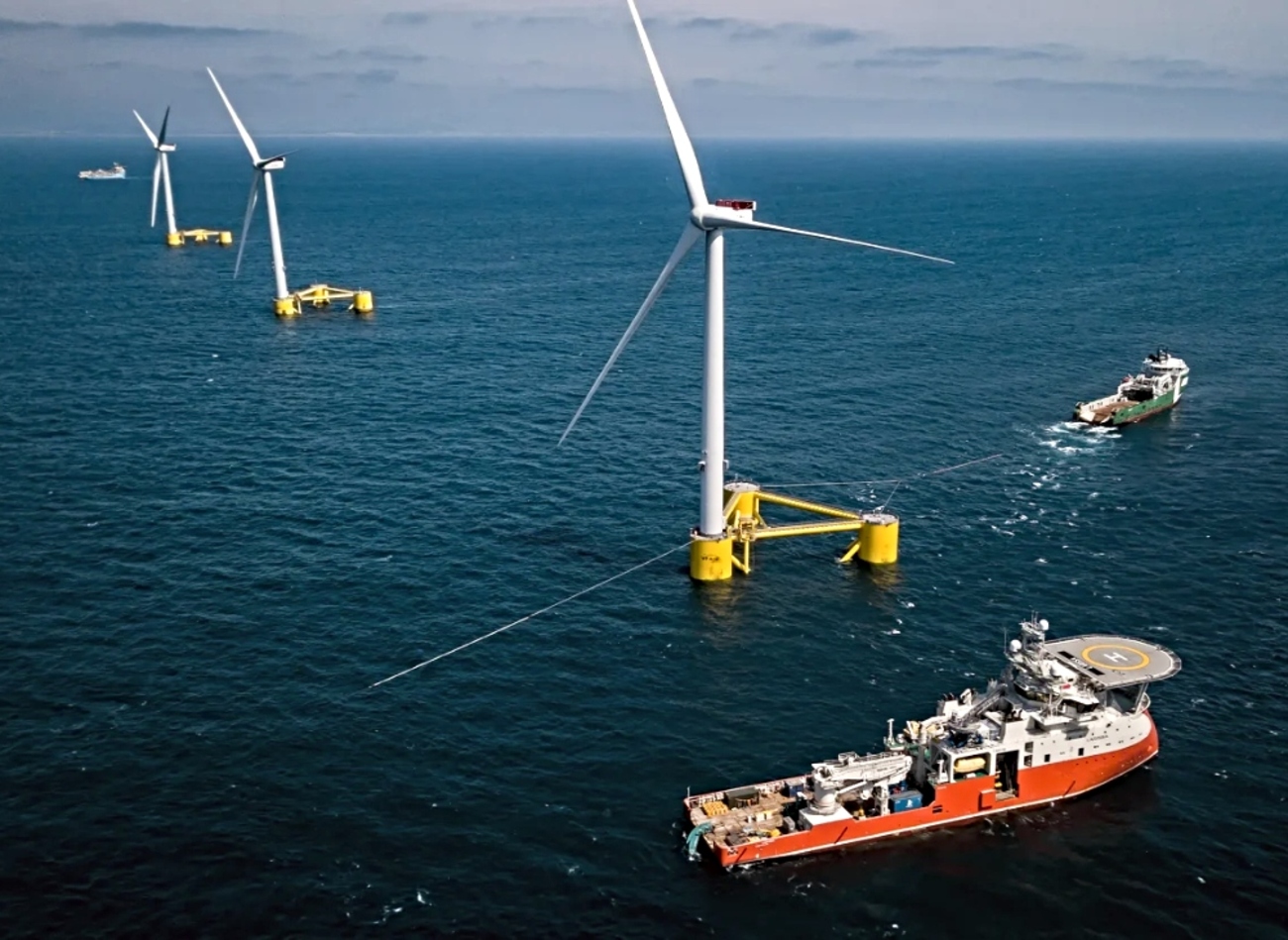
Investment in offshore wind energy could reach R$ 900 billion and promises to transform Brazil’s energy matrix in the next decade.
-
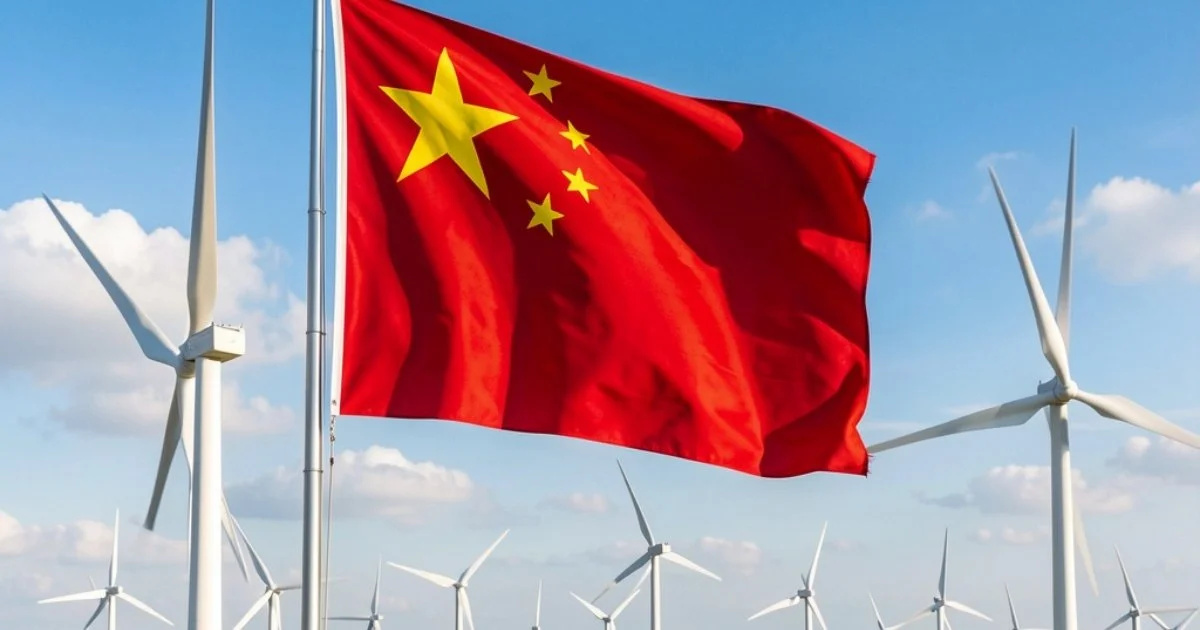
China accelerates offshore wind energy and sets new installed capacity records to lead global decarbonization.
-
Giant of the winds in Rio Grande do Norte: Serra do Tigre Wind Complex receives new investments and accelerates the expansion of clean energy generation to supply millions of Brazilian homes.
-
Urgent energy transition: Greenpeace advocates for massive investments and points to Brazil as a global leader in wind energy production in the coming years.
According to sector representatives, the absence of concrete deadlines and clear rules hinders strategic planning. To compete in future auctions, companies need legal certainty and well-defined timelines. Without this, they end up prioritizing regions where offshore wind energy regulation is already established.
Frustrated Expectations with COP 30 and Slow Market Creation
Part of the industry expected the Brazilian government to take advantage of COP 30, which will be hosted in Belém (PA), to officially announce the auction date for offshore areas. The expectation was that the event would serve as a showcase for the country’s commitment to energy transition and the decarbonization of the electricity matrix. However, the delay in regulation frustrated this possibility.
The debate about creating a regulatory framework for the sector has dragged on for seven years. Since the discussions began in Congress, successive governments have promised to unlock the topic — but, so far, without concrete progress. During the previous government, a working group was also created, but the project ended up shelved.
The legal framework for offshore wind was finally approved and sanctioned in early 2025, during Lula’s government, which generated temporary optimism. Subsequently, the Ministry opened a public consultation to define the methodology for granting maritime areas, but the process continues at a slow pace.
Pioneering License and Challenges to Consolidate the Sector
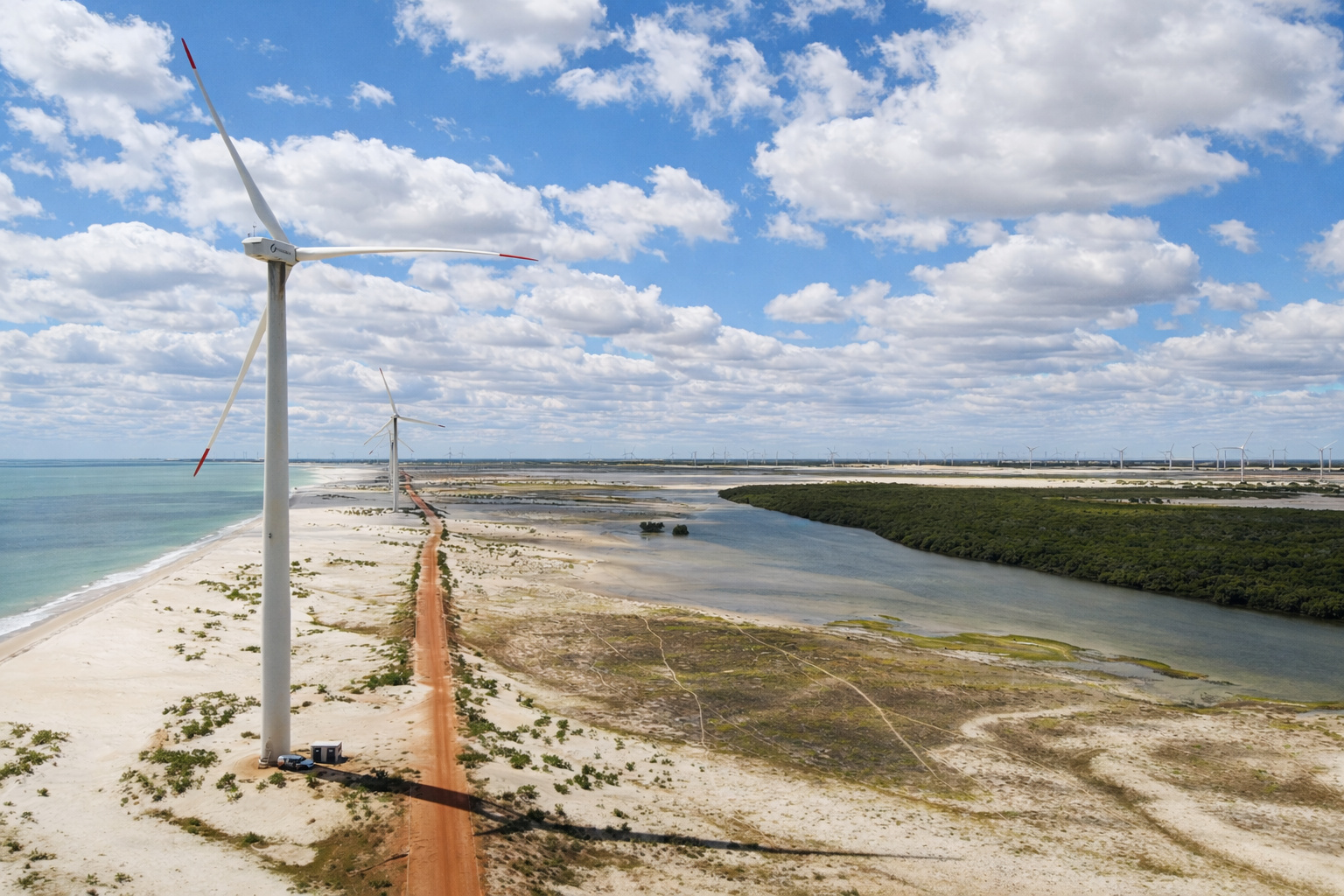
Despite the sluggishness, there are isolated signs of progress. This year, Ibama granted the first preliminary license for an offshore wind energy project in the country. This is a pilot project by Senai, located in Rio Grande do Norte, with a capacity of 24.5 MW. The project is seen as an initial test to assess the technical and environmental viability of operations at sea.
However, experts warn that the isolated advancement of experimental projects is not enough to consolidate the sector. Brazil is going through a turbulent time for renewable sources, marked by cuts in wind and solar generation — a phenomenon known as curtailment. Still, the bet on offshore generation is seen as essential to strengthen national energy security and reduce dependence on intermittent sources.
Synergy with the Oil and Gas Sector Can Accelerate Development
One of the factors that most attracts investors’ interest is the existing infrastructure in Brazil for offshore operations, due to long experience with oil and gas. This synergy can facilitate the transition to offshore wind energy, leveraging established technologies, specialized labor, and maritime logistics.
Even so, the consensus among investors is that the country needs to act quickly. Each new delay represents not only a loss of competitiveness but also the risk of seeing strategic opportunities permanently migrate to other nations that are already heavily investing in this type of renewable energy.







-

Uma pessoa reagiu a isso.