





 Portuguese
  English
  Spanish
 3 min of reading


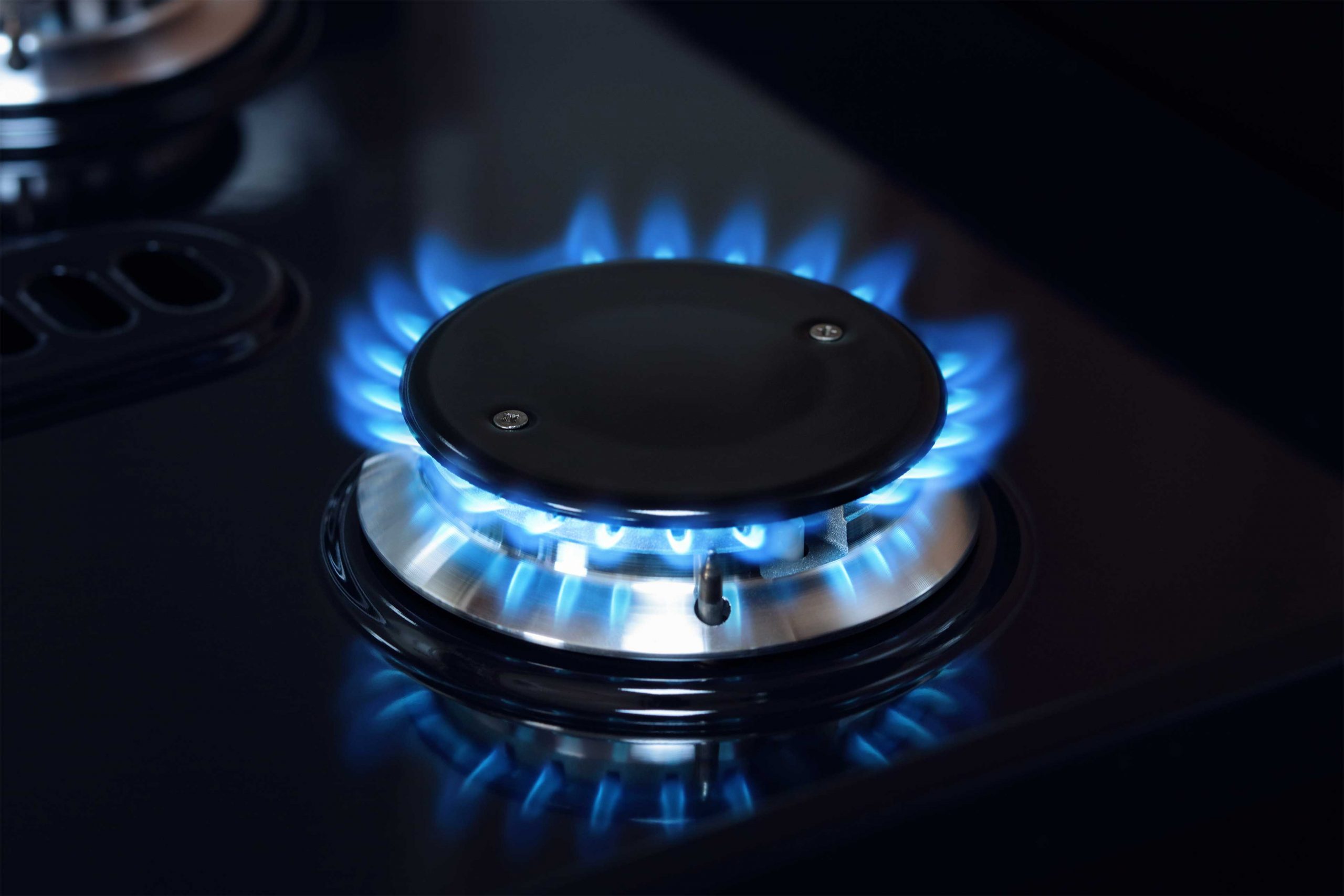
As Of January 2022, State Gas Distributor Will Pass On To Consumers The Adjustment Of Almost 50% Made By Petrobras
According to the Brazilian Association of Gas Distributors (Abegás), the increase was necessary to cover the 50% adjustment made by Petrobras to long-term contracts with distributors in Rio de Janeiro. The prices of cooking gas, piped gas, and automotive gas will be affected.
Check Also:
- Smart City: Extrema (MG) Gains Park of Lighting Monitored Remotely
- MG Will Receive Brazil’s First Solar Power Plant Built With Cryptocurrency Financing
- Nomad Opens Selection Process, With 40 Home Office Positions, In The Technology And Business Sector Available For Professionals From All Over Brazil
There is still no definition of how much the price increase for gas (molecule and transportation) purchased from Petrobras will be, but Naturgy stated it will pass on the adjustment to consumers. Thus, distributors in other states are already paying attention to this action and intend to follow the same path.
For residential consumers, cooking gas expenses are expected to rise by 32% to 41%, according to an analysis by the Oil, Gas and Naval Management of Firjan. For other sectors, the price increase is expected to be even higher.
-
Petrobras confirms that it will reimburse amounts to distributors and return the price difference from the gas auction following a regulatory decision.
-
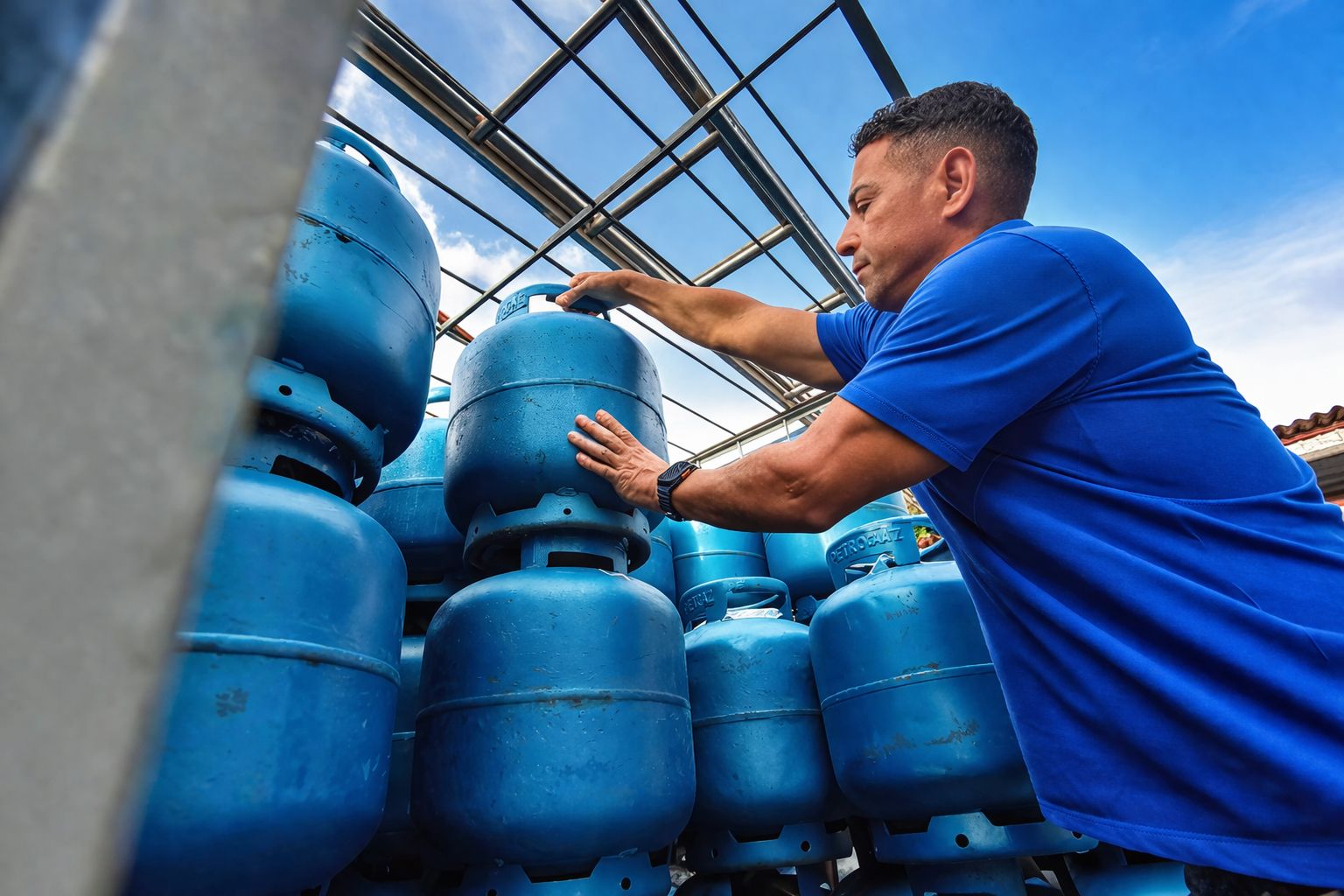
Petrobras buys back fields for billions — what no one is talking about regarding this decision and how it could impact jobs and oil in Brazil.
-
New escalation of tensions and oil crisis in the Middle East forces world powers to accelerate energy transition plans.
-
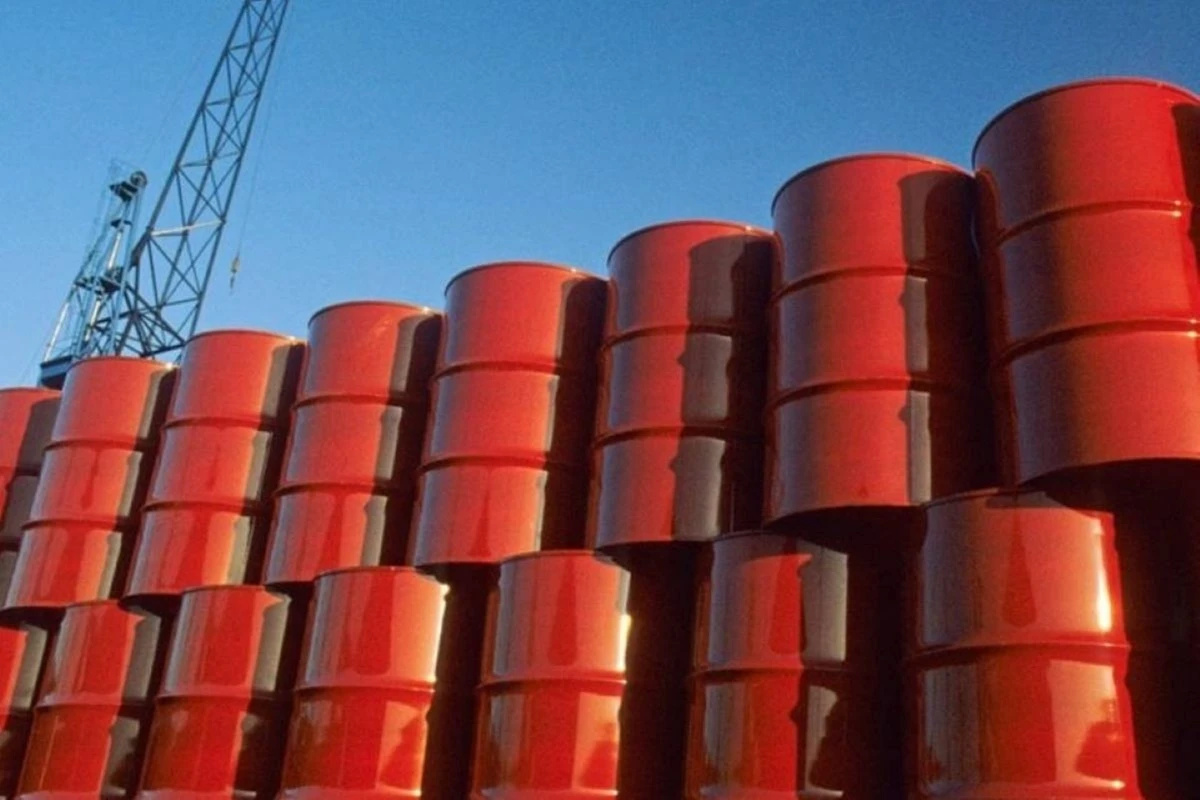
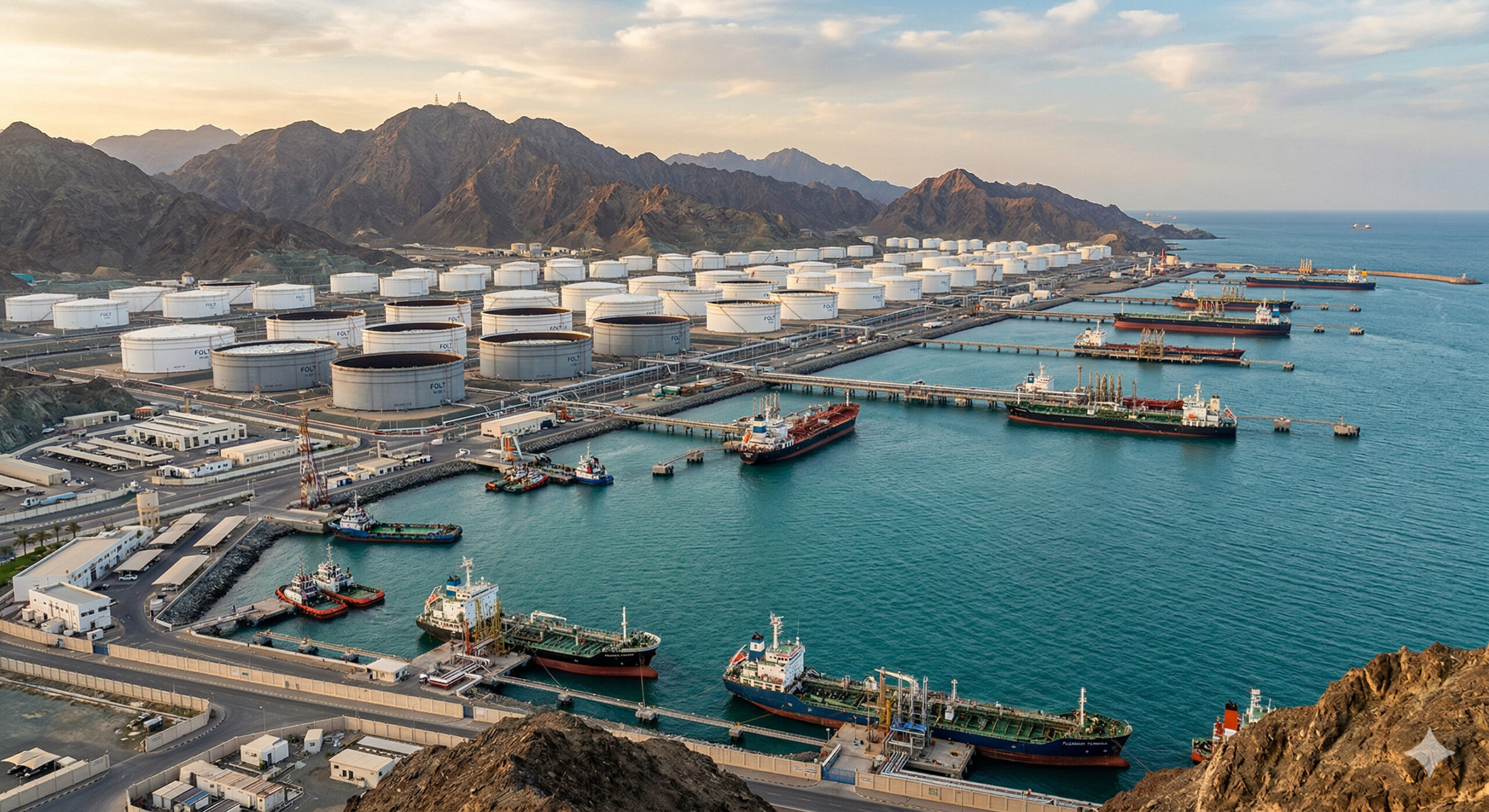
Giant reservoirs with a capacity of 18 million cubic meters have turned Fujairah into one of the largest energy vaults on the planet. This facility, located outside the Strait of Hormuz, stores oil on a colossal scale and has become a silent piece that supports the global flow of fuels.
Largest Price Adjustment For Industry Gas
The price increase for gas in the industry may reach 47%. For commerce, the forecast is that it will be between a 35% and 44% increase. The projections take into account the lowest and highest average consumption levels in the category.
According to Abegás, the gas tariff consists of: 46% gas molecules, 24% taxation (PIS/COFINS, ICMS), 18% distribution, and approximately 12% transportation.
“The impact is very significant. Gas is a basic stimulus for production. The increases affect companies’ costs and competitiveness, because no one can pass this on,” stated Luiz Césio Caetano, acting president of Firjan.
Petrobras adjusted long-term contracts after making successive quarterly increases in short-term contracts.
Gas Prices Vary By State
The amount charged to consumers varies by state, as it ultimately depends on the regulatory agency, as explained by Adriano Pires, director of the Brazilian Center for Infrastructure (CBIE). In the state of Rio de Janeiro, the responsible agency is Agenersa, which stated it is analyzing the current situation.
There will be a regulatory session to discuss the matter on December 28. If Naturgy’s request is approved, it will take effect on January 1, 2022. The company stated that the increase starting in January is due to “an adjustment by Petrobras due to the rise in international gas prices and the variation of Brent (the type of oil that is a benchmark in the international market) and the dollar.”
Abegás has filed with Cade, the regulatory agency for competition in the country, seeking a precautionary measure to maintain the current contract for a period of one year.
In São Paulo, as of December 10, a higher price for gas is already being paid. For CNG and cooking gas, the increase ranged from 9.2% to 24.8%, while for the industry, it reached 30%.
“Many people outside the major centers are using firewood to cook. In the case of the industry, those that use gas will pass on prices to consumers. It’s the inertia effect of inflation, and this has been happening with the rise in fuel prices,” explained economist Alexandre Chaia, finance professor at Insper.
Currently, in practice, Petrobras is the only supplier of natural gas in Brazil. Paulo Guedes, Minister of the Economy, promised a “shock of cheap energy” with the sale of Petrobras assets and increased competition in the sector, but so far, no offer of gas from other companies has presented a reasonable volume.






Seja o primeiro a reagir!