





 Portuguese
  English
  Spanish
  5 min of reading
  0 comments


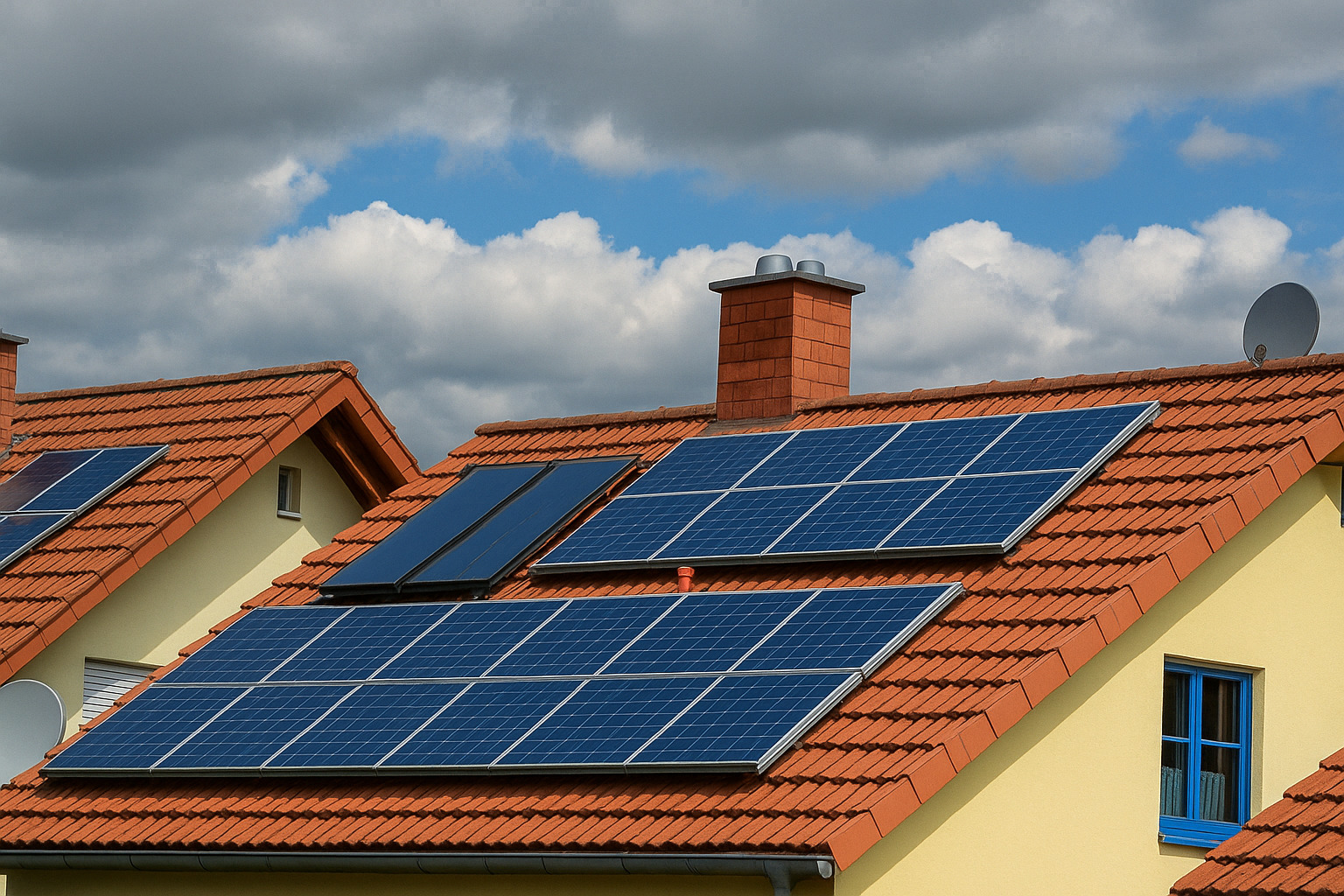
Discover How the Price of Solar Energy Fell 7.5% in the 1st Half of 2025, Making Residential and Commercial Systems More Affordable and Accelerating the Return on Investment.
The price of solar energy in Brazil fell significantly in the first half of 2025; consequently, a trend of appreciation in the distributed generation sector solidified. In addition, it encouraged self-production of electricity.
According to data from the Greener consultancy, residential and commercial photovoltaic systems reduced, on average, by 7.5% compared to the same period last year. Thus, this decrease represents not only a financial relief for consumers but also an important advancement in the expansion of clean energy in the country.
Historically, solar energy in Brazil began to gain popularity at the end of the 2000s, driven by incentive policies for distributed generation. Furthermore, the search for more sustainable energy alternatives contributed to the sector’s expansion.
-
Seagri’s headquarters invests in solar energy with Neoenergia Coelba and promises to cut electricity costs, highlighting a strategic advance in sustainability and energy efficiency within state public administration.
-
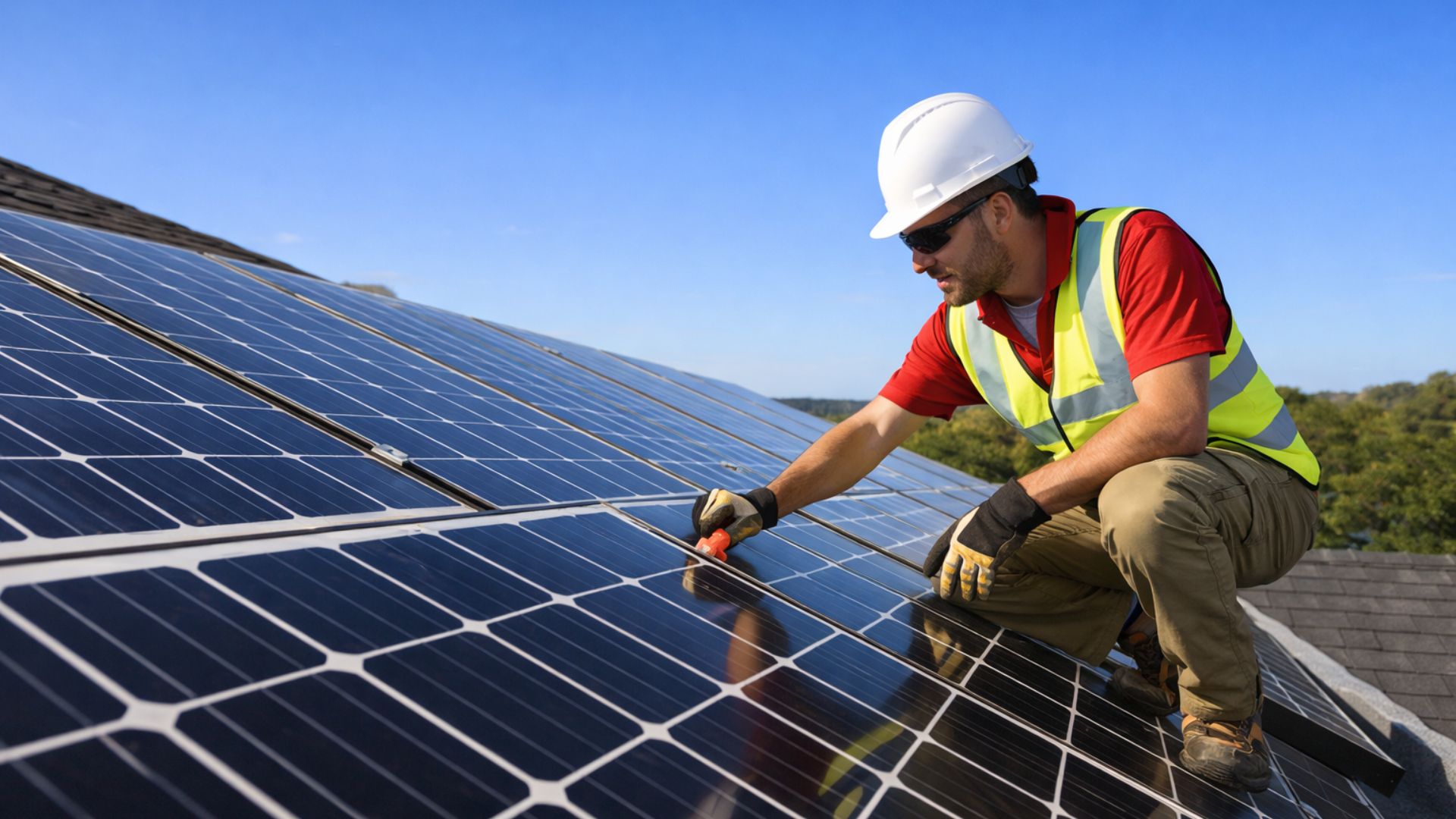
Solar Pyramid draws attention by converting solar energy into million-dollar savings and repositioning the City Hall of Curitiba as an example of innovation, sustainability, and intelligent use of public resources.
-
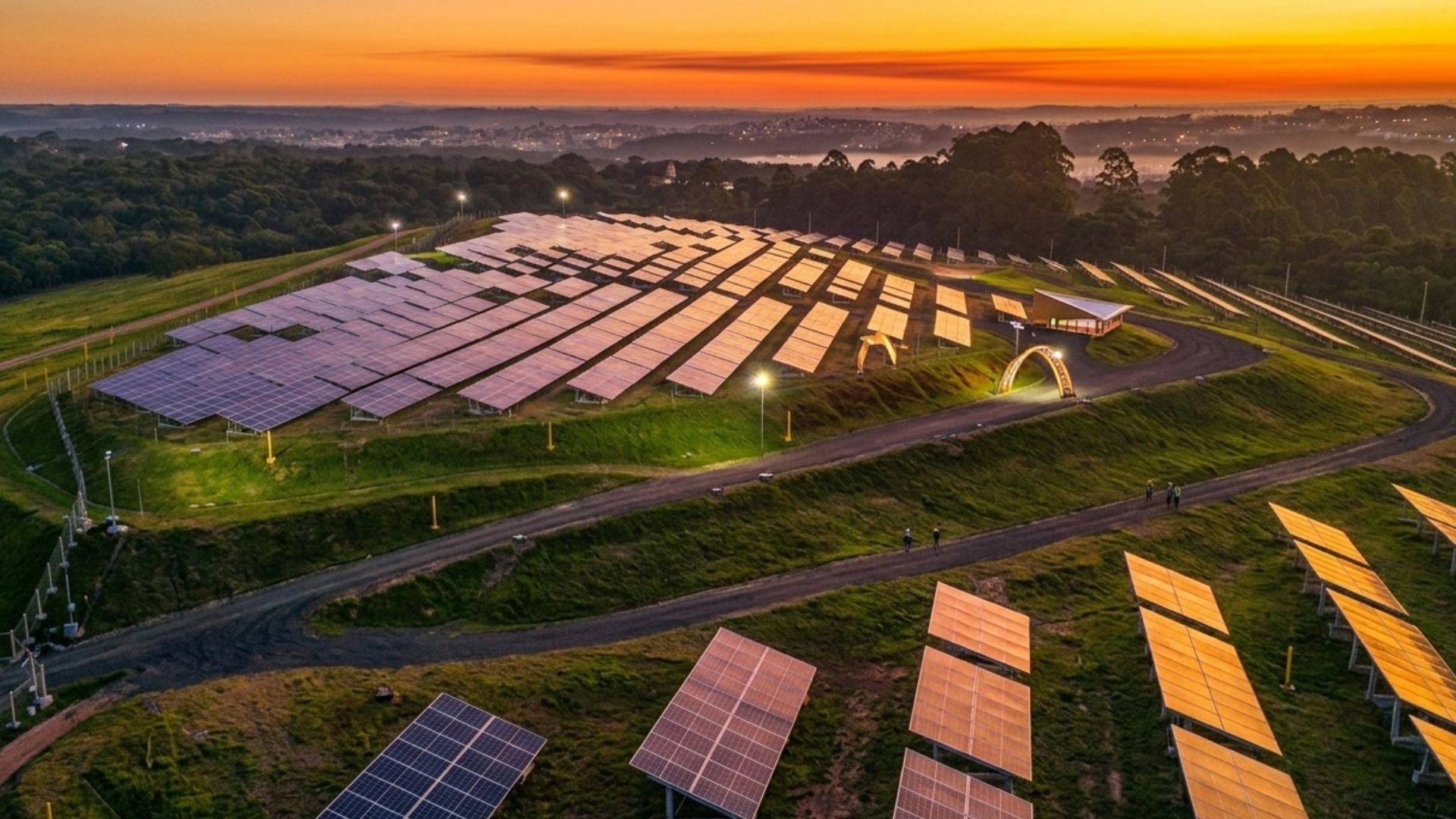
Europe records strong euro economy with solar energy in March and sparks curiosity about which country leads growth that redefines the energy market and reduces costs.
-
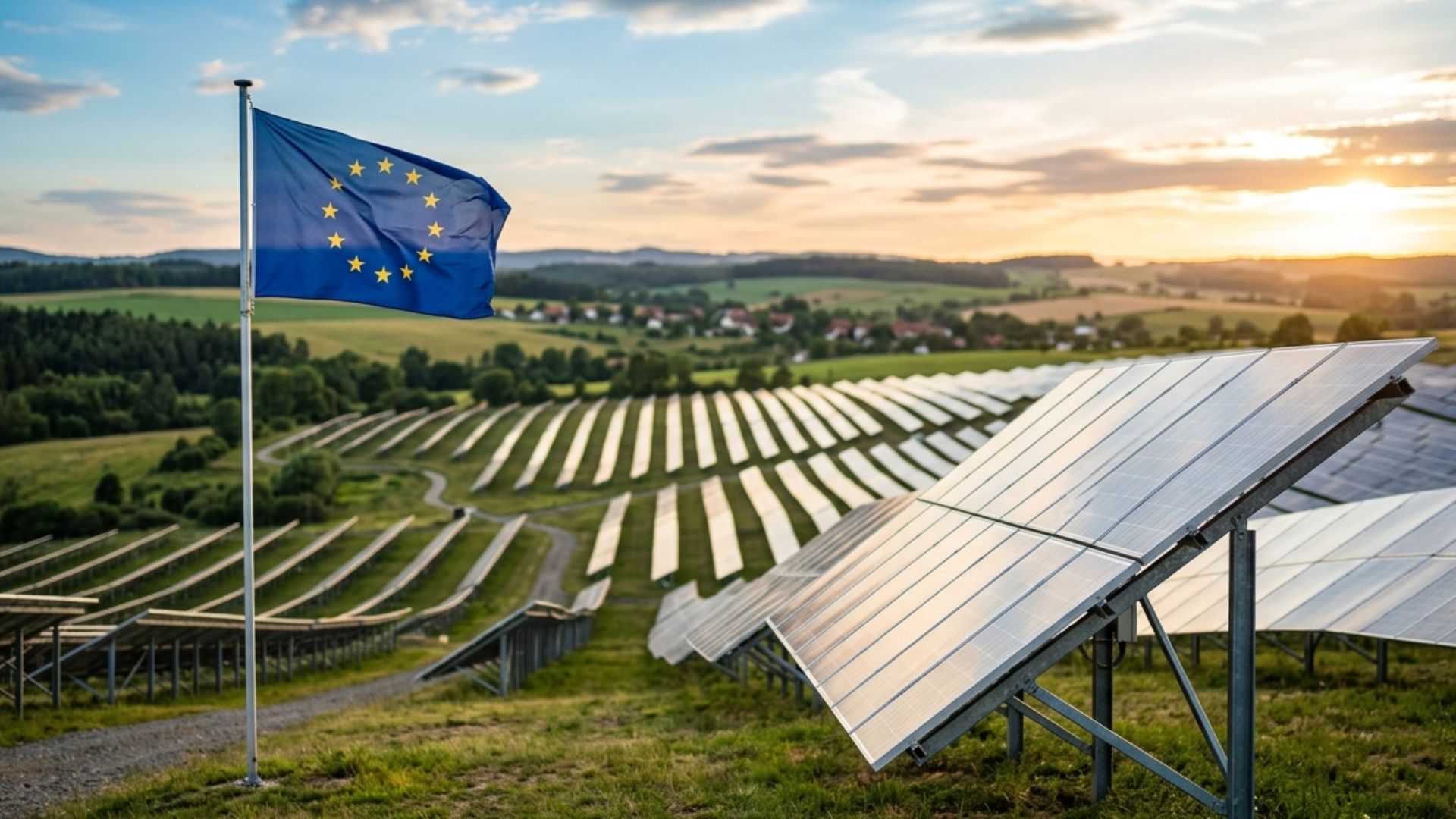
Piauí reaches a historic milestone in energy transition: State records nearly 160,000 households powered by solar energy and leads growth in the Northeast.
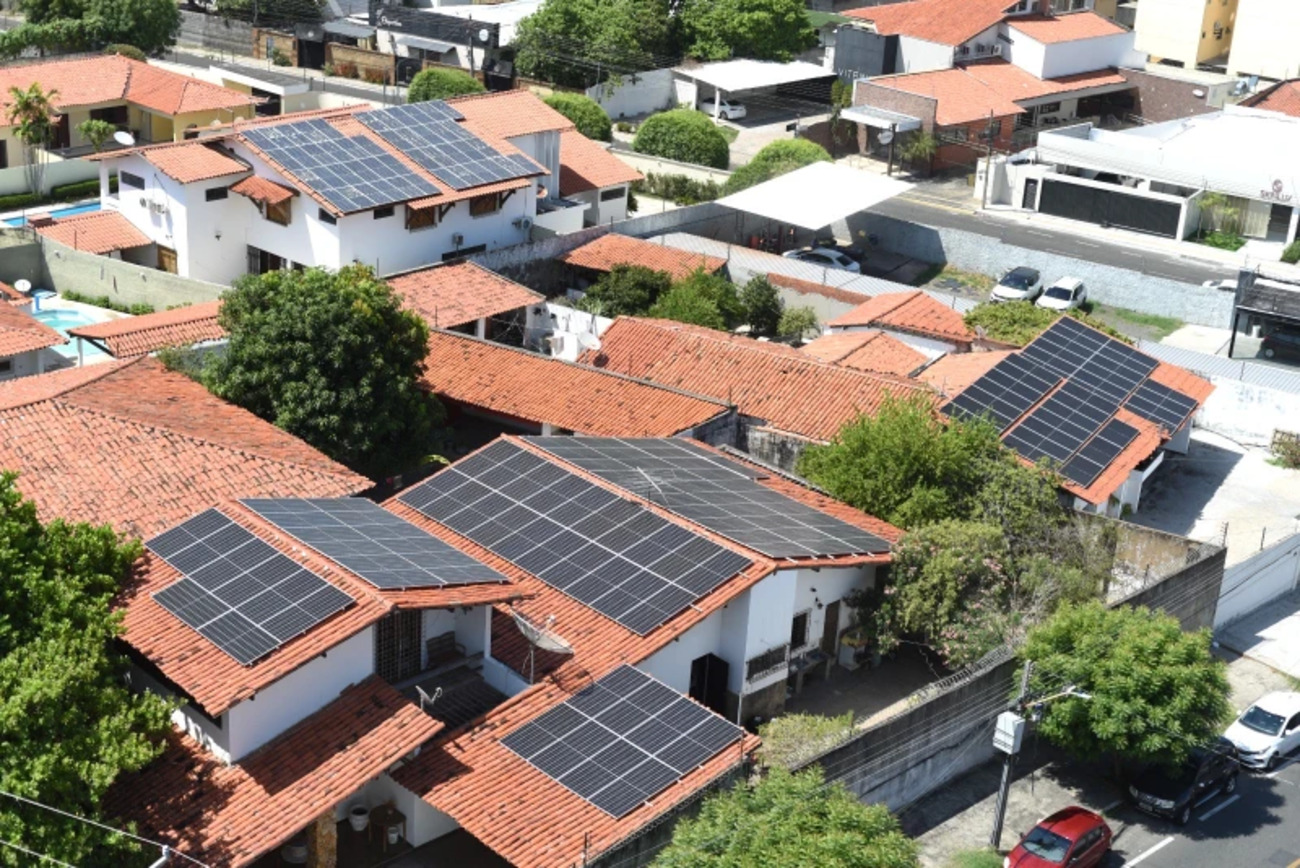

Prior to that, the sector was limited to large plants and corporate initiatives, with very high costs that hindered access for households and small businesses. However, with technological advancements and the reduction in costs of equipment, especially photovoltaic panels and inverters, solar energy became a viable option for different consumption classes.
Drop in the Price of Solar Energy in the First Half of 2025
In the first half of 2025, the price of solar energy fell for final consumers, reflecting the combined cost of acquisition and installation of photovoltaic systems.
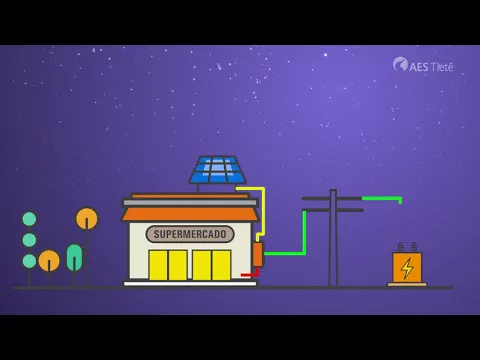
The Greener study analyzed distributed generation (DG) systems, a model that allows residences and businesses to produce electricity directly at the consumption site. Therefore, this model of electrical production has been gaining strength in Brazil, especially with the growing environmental concern.
Additionally, there is a need to reduce dependence on public power grids.
The cost reduction scenario also involves global factors, such as the drop in raw material prices and the expansion of the solar energy industry in countries like China and the United States.
Thus, the import of cheaper equipment and improvements in production line efficiency directly impact the price of solar energy in Brazil, making systems more accessible and competitive.
Price Differences Between Residential and Large-Scale Systems
The survey detailed that solar energy systems of up to 150 kW, covering residences and businesses registered a drop of 7.5% compared to June 2024. It also fell 4.4% compared to January 2025.
On the other hand, larger installations, such as ground-based plants aimed at distributed mini-generation, showed an average increase of 10.9% compared to the same period last year. Indicating that prices vary according to the project’s scale.
This difference reflects higher costs of logistics, infrastructure, and labor in large-scale projects. Meanwhile, residential and commercial systems benefit from greater competitiveness and technological advancements.
Greener’s research also pointed to an average reduction of 4% in the price of photovoltaic kits compared to June 2025, although 75 kW and 150 kW equipment recorded increases of 4.3% and 12.7%, respectively.
Furthermore, the integration service, which includes installation, configuration, and connection to the power grid, fell by an average of 14% for distributed micro-generation systems (up to 75 kW).
For mini-generation systems, integration services rose by 23%, indicating that labor costs and technical complexity directly influence the final price.
Another important factor affecting prices is the region of the country. States with greater infrastructure and a concentration of companies specializing in solar energy offer more competitive costs.
Meanwhile, remote regions register higher prices due to transportation, logistics, and lower availability of qualified labor.
Residential Solar Energy and Return on Investment
In the residential segment, the drop in the price of solar energy has become evident.
A 4 kW residential system reduced its final value by 3%, from R$ 11,720 in June 2024 to approximately R$ 11,360 in June 2025. Thus, this reduction accelerates the return on investment.
The average payback of residential systems fell from 3.3 years to 3.2 years, allowing consumers to recover their invested value more quickly.
The development of solar energy in Brazil depends on economic, technological, and regulatory factors.
The adoption of public policies, such as the ANEEL Normative Resolution that regulates distributed generation, and tax incentives, such as the exemption from ICMS in some states, reduced entry barriers and stimulated new projects.
Moreover, the reduction in the costs of solar panel production, driven by global scale and international competition, has made solar energy more accessible to the final consumer.
In recent years, new technologies, such as bifacial modules, battery storage systems, and more efficient inverters, have increased the energy autonomy of households.
Thus, these advancements allow better utilization of the generated energy, reducing waste and making the price of solar energy even more advantageous in the long term.
Economic and Environmental Benefits of Solar Energy
The impact of the reduction in the price of solar energy goes beyond the residential sector.
Small and medium enterprises also significantly reduce electricity costs and increase their competitiveness. Additionally, producing energy locally provides greater autonomy, less dependence on utilities, and protection against increases in electricity tariffs, which historically challenge consumers and entrepreneurs in Brazil.
Beyond the economic benefits, the expansion of solar energy brings important environmental advantages.
The partial replacement of electricity generation based on fossil fuels with solar systems reduces greenhouse gas emissions. Additionally, it promotes the sustainable use of natural resources.
In this sense, the drop in the price of solar energy strengthens the transition to a cleaner and more diversified energy matrix, aligning with the decarbonization and sustainability goals adopted by the country.
Community projects and solar energy cooperatives frequently emerge, allowing groups of consumers to share the benefits of distributed generation.
Thus, these initiatives democratize access to clean energy, amplify the positive effects of cost reduction, and promote social inclusion in the energy sector.
Future Perspectives for the Solar Sector in Brazil
The solar energy sector in Brazil continues to expand, even in periods of economic instability.
Moreover, the stability of residential prices, technological advancements, and growing environmental awareness create a favorable scenario for new investments.
Although large-scale systems may exhibit price variations, the long-term trend indicates a gradual reduction in the cost per kW installed, reflecting gains in efficiency and competitiveness in the market.
In summary, the 7.5% drop in the price of solar energy in the first half of 2025 reinforces the trend of popularizing distributed generation in Brazil.
Thus, this reduction facilitates access for households and small businesses to clean energy, accelerates the return on investment, and strengthens the country’s sustainable energy matrix.
The historical context shows that public policies, technological advancements, and economic incentives play a crucial role in the sector’s expansion. Therefore, solar energy is becoming an increasingly viable and strategic option.
The future of solar energy in Brazil seems promising.
With lower costs, greater system efficiency, and favorable regulations, the sector is expected to continue growing, promoting economic, environmental, and social benefits.
Thus, the drop in the price of solar energy represents immediate savings for consumers and signals a transformation in how energy is produced and consumed in the country.








Seja o primeiro a reagir!