





 English
  Francês
  Alemão
  Italiano
  Japonês
  Norueguês
  Portuguese
  Spanish
  5 min of reading


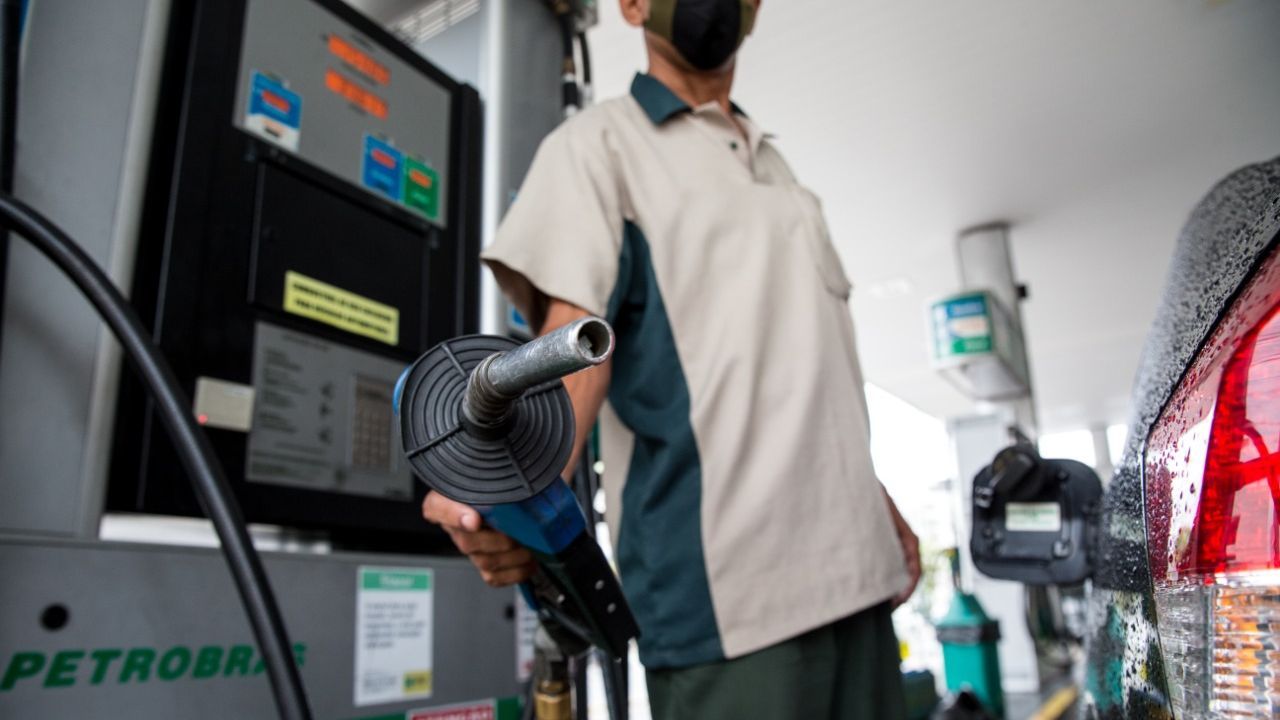
Tuesday (06/07) Starts with a Punch to Brazilians’ Wallets: Even with Prices Soaring, Petrobras Raises Gasoline, Diesel, and Cooking Gas Prices Once Again
Even with the price of gasoline, diesel, and cooking gas soaring, the Brazilian oil company Petrobras decided to increase the diesel price by 10.2 cents starting this Tuesday (6), which now costs R$ 2.81, representing an average increase of 3.8% per liter. The price of the most used fuel in the country had been frozen since May 1, for 66 days.
Read Also
- The Largest Oil Company in Brazil Opens Bidding to Expand Diesel Production at the Country’s Largest Oil Refinery
- Dollar Drops, But Gasoline and Diesel Prices Keep Soaring Without Relief for Brazilians
- Gasoline, Ethanol, and Diesel Prices Keep Rising, Deputies Refuse to Change ICMS Amid Price Spike, and Petrobras ‘Bears the Cost’
- Gasoline Prices Spike Again, Ethanol Confirms Significant Increase at the Mill, GNV Hits Record R$ 5 at Fuel Stations, and Consumers Have Nowhere to Turn
- Gasoline, Ethanol, Diesel, and GNV Prices Keep Rising, and the Newest Fuel, GNC, Came to ‘Save’ App Drivers, Taxi Drivers, and Workers
The gasoline delivered to distributors and cooking gas (LPG) also suffered increases, further impacting the wallets of household consumers. Since 2019, there has been no price differentiation for LPG.
The gasoline price increased by 15.7 cents to R$ 2.69 per liter, an increase of 6.2%. 22 days ago, on June 12, Petrobras had reduced prices by about 2%. On May 1, it also implemented a cut of the same magnitude.
-
Brazilian giant expands borders in the Southeast: Petrobras confirms new oil discovery in ultra-deep waters in the pre-salt of the Campos Basin.

-
Alert in the global energy market: Severe tropical cyclone hits the coast and disrupts gas production at major plants in Australia, threatening global supply.

-
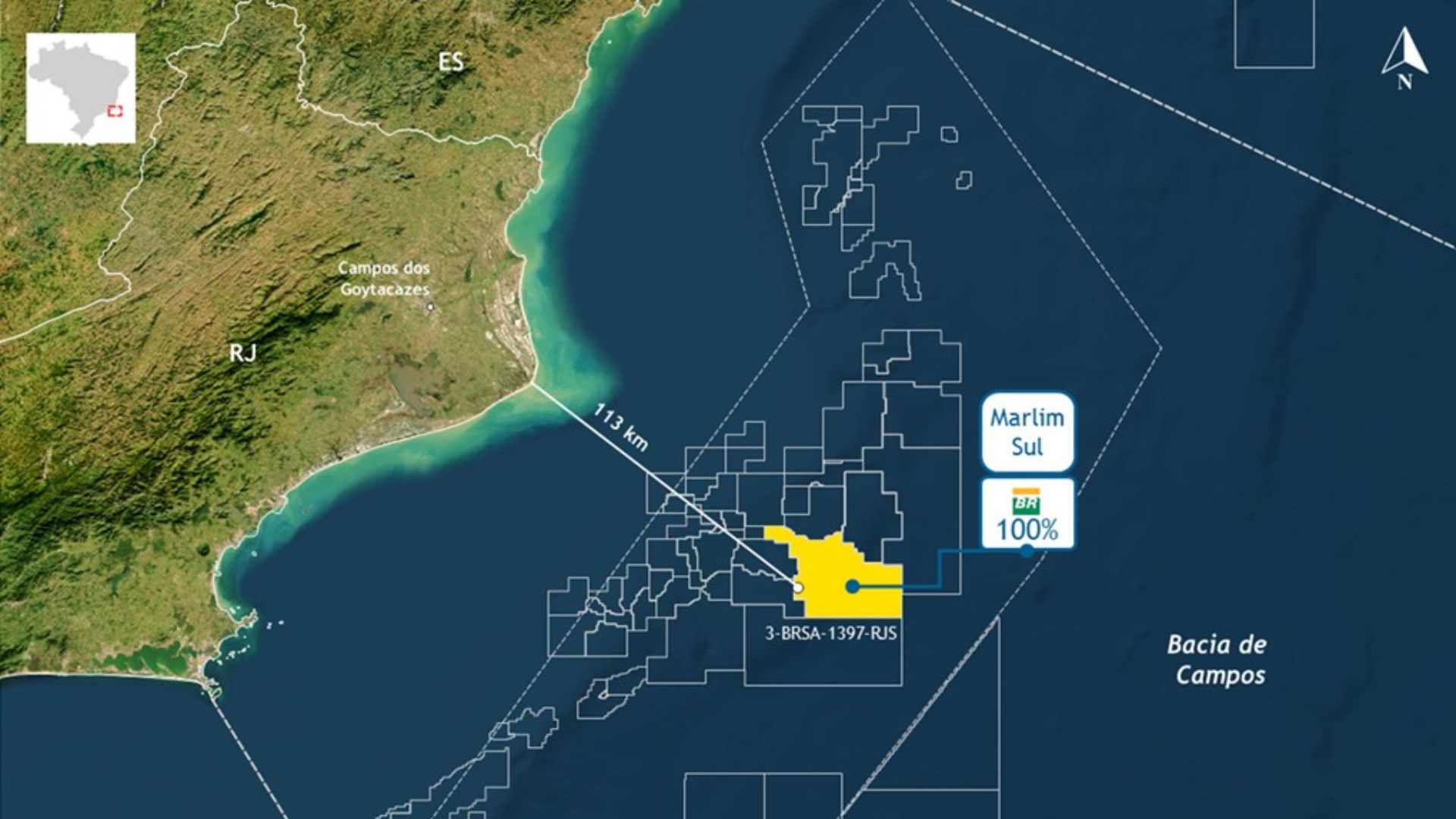
Petrobras finds high-quality oil in the pre-salt at 113 km from RJ and reignites expectations about strategic reserves in the Campos Basin.

-
Ocyan opens registrations for startups focused on innovation in the oil and gas sector and will select projects for Innovation Day with the support of Nexio.


Against the Flow of Diesel and Gasoline Prices, Petrobras Had Already Raised Cooking Gas Prices in June
The LPG price rose by 20 cents to R$ 3.60 per kilo, an increase of 5.9%. Petrobras had already increased the price of cooking gas in June by 5.9%, totaling an increase of 39 cents per kilo in about 45 days.
As a result, the price of cooking gas sold in 13-kilo canisters for residential consumers will rise R$ 2.60 tomorrow, upon the delivery of LPG by Petrobras to distributors. This results in a total increase of R$ 5 considering the two adjustments.
Since February, the LPG in 13-kilo canisters has benefited from the exemption of federal taxes, as decided by President Jair Bolsonaro. The discount, however, is approximately two reais per canister.
Year-to-date, Petrobras diesel has risen about 40%, while gasoline has increased by 46%. Brent crude has seen an increase of around 50%.
This is the First Increase Implemented Under General Joaquim Silva e Luna’s Management
This is the first increase implemented under General Joaquim Silva e Luna’s management. In April, Silva e Luna took command of the state-owned company after President Jair Bolsonaro made a series of criticisms about the fuel price adjustments made during Roberto Castello Branco’s management.
It is worth remembering that the transfer of refinery price adjustments to final consumers at gas stations is not guaranteed and depends on a series of factors such as distribution margins, resale, taxes, and the mandatory addition of anhydrous ethanol and biodiesel.
In its defense, Petrobras stated: “It is important to reinforce Petrobras’ position that seeks to avoid an immediate pass-through of external volatility to internal prices caused by conjunctural events,” the company informed in a statement. “The prices practiced by Petrobras continue to aim for equilibrium with the international market and follow the variations of the product values and the exchange rate, both upwards and downwards.”
Indefinite Strike of Truck Drivers Starting July 25 Against the Increase in Fuel Prices Practiced by Petrobras
Last week, Petrobras President Joaquim Silva e Luna met with the board of the National Road Cargo Transport Council (CNTRC). The association has been discussing a truck driver strike since last month.
“Road modal transport is very important for Brazil. Petrobras seeks to understand the actors in society, evaluates the best way to contribute to all of them, and is always open to dialogue,” Silva e Luna stated, according to Petrobras’ note.
Truck driver strike: the entire category is called by the National Road Cargo Transport Council – CNTRC, through a notice, for an indefinite halt starting next July 25, Truck Driver Day (St. Christopher). Christopher means “he who carries Christ.” Click here to read the full notice released.
Truck Drivers Demand Tax on Oil Exports to Ease Fuel Costs
The truck drivers want an end to the international parity of fuel prices, a practice by Petrobras that began during the Temer administration with Pedro Parente, which led to the truck drivers’ strike in 2018.
In May, CNTRC advocated taxing oil exports in a letter sent to Bolsonaro.
“The funds from the taxation on crude oil exports could be used to compensate States and the Union in reducing fuel taxes,” the document states.
In 2018, Truck Drivers Held a Historic Strike Against Diesel Prices
The truck drivers’ demand, who staged a historic strike against diesel prices in 2018, still follows constant complaints from President Bolsonaro himself about fuel costs.
In the letter sent to President Bolsonaro, CNTRC calls for the government to adopt the taxation of crude oil exports “as an immediate measure,” while other requests should be analyzed, such as ending the pursuit of import parity.
“The resources from the taxation on crude oil exports could be used to compensate States and the Union in reducing fuel taxes,” suggested the group of truck drivers.
Since Luna took office on April 19, Petrobras has only made one price adjustment (a reduction for gasoline and diesel), announced on April 30. The international scenario contributed as the prices had stabilized somewhat.
Surge in Gasoline, Ethanol, Diesel, and GNV Prices Forces Drivers to Turn to Biogasoline; the Fuel Came to ‘Save’ and Ease Consumers’ Wallets
Every day, gasoline, ethanol, and diesel prices increase, and as a result, Brazilians working in passenger transport, such as taxi drivers and app drivers, who used to rely on Compressed Natural Gas (GNV), are now migrating to biogasoline, as GNV is also starting to strain their wallets. Biogas can be used without problems in vehicles equipped with gas kits.
Currently, only ten gas stations in Rio de Janeiro offer GNCbiogas (biogas), but according to Jorge Mathuiy, commercial director of the cylinder industry MAT, this number is expected to increase significantly by the end of the year, given that biogas has a lower acquisition cost and is completely safe.
The great advantage of using biogas is that, in addition to greater autonomy, the fuel offers enhanced safety, as it is lighter than air and dissipates rapidly in case of leakage, reducing the risk of explosions and fires. While alcohol ignites at 200ºC and gasoline at 300ºC, biogas needs to be subjected to a temperature above 620ºC to ignite.
Drivers still find it difficult to identify biogas at the gas stations. The tip is to ask the attendant if the option is available or to check on the pump if the supplier is one of the companies that distribute the fuel, such as Neogás.









Seja o primeiro a reagir!