





 Portuguese
  English
  Spanish
  3 min of reading


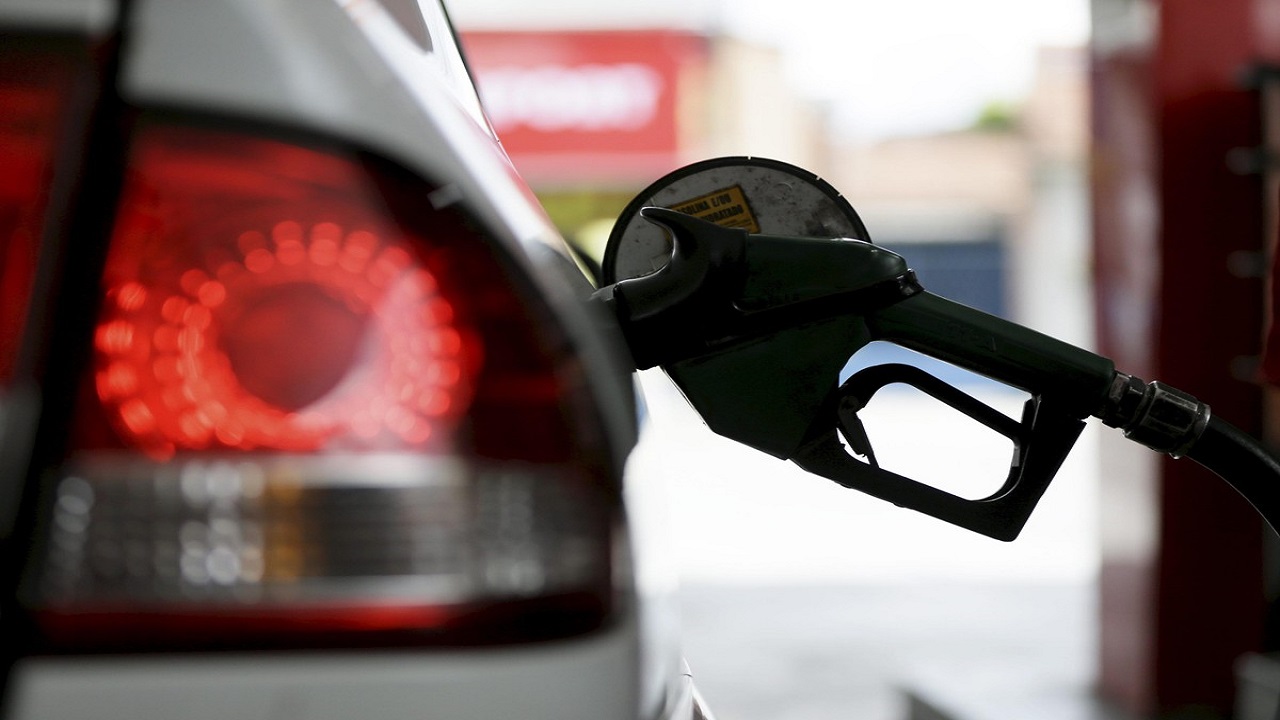
Association Representing Fuel Distributors Plans to Resort to Importing Gasoline and Diesel, but Uncertainty About Petrobras’ Next Steps Has Left Business Owners Anxious
On Monday (11), Petrobras informed fuel distributors that they will have cuts in supply orders for fuels, mainly gasoline and diesel. This decision, without a doubt, could lead to a serious shortage at various gas stations across Brazil. According to the company, the cuts would reflect the scarcity of the listed fuels, as the demand for gasoline and diesel has increased by about 20%.
Read Other Related News
Petrobras’ Reduction in Fuel Supply Could Mean Shortages at Various Gas Stations Across Brazil
Petrobras is primarily responsible for supplying over 40 fuel distributors throughout Brazil. In light of this issue, some of these distribution companies claimed that the reduction proposed by Petrobras would represent a total compromise of a significant portion of the supply, meaning that this decision could cause a partial or total lack of fuel at gas stations.
Petrobras’ Decision May Lead Distributors to Resort to Importing Gasoline and Diesel to Avoid Losses
Given this situation, the companies that are part of the Association of Fuel Distributors, also known as Brasilcom, will need to resort to a ‘safety valve’ to avoid losses and the risk of temporarily closing or even going bankrupt due to the lack of fuel supply.
-
Petrobras evaluates suspension of sales to distributors and considers canceling the cooking gas auction following guidelines from the Federal Government.
-
Lula reveals a masterstroke by Petrobras to undo a deal made by Bolsonaro, which involves the return of an important refinery that currently produces less than half of what was expected and makes Brazil dependent on international diesel.
-
A study confirms that the natural gas sector will reduce greenhouse gas emissions in Brazil by 0.5% and accelerate the energy transition by 2026.

-
Petrobras implements a severe adjustment and confirms a 55% increase in the price of aviation kerosene with a proposal for installment payments for the companies.


The solution in this case would be to import both gasoline and diesel from foreign countries. However, if they choose to import both fuels, the consequences, according to the association itself, would be an increase in the price of gasoline and diesel, leading to even higher prices for consumers.
Importing Fuels Will Make the Price of Gasoline and Diesel at the Pump Even More Expensive, Brasilcom Reports
Brasilcom explains that the consequence of importing gasoline and diesel will reflect 100% in the final retail price of the fuels, as, according to the importers themselves, gasoline and diesel are being sold abroad at prices about 17% higher than local products.
According to the association, the National Petroleum Agency (ANP) has already been informed about this problem through emails sent by the distributors.
Brasilcom considers that importing fuels has become a business issue, given Petrobras’ decision, and that the importation of gasoline and diesel will happen at the discretion of each distributor company, as this was the only alternative found so far; however, it is not mandatory and the association is not obligated to comment.
In a statement, the National Federation of Fuel and Lubricants Trade, Fecombustíveis, said, “for now, there is still no reduction or lack of fuel at the pumps.” The Director of the Brazilian Center for Infrastructure (CBIE), Adriano Pires, stated, “the whole problem regarding the importation of fuels is uncertainty, as the distributors still do not know whether Petrobras intends to import as well.”










Seja o primeiro a reagir!