





 English
  Francês
  Alemão
  Italiano
  Japonês
  Norueguês
  Portuguese
  Spanish
  4 min of reading


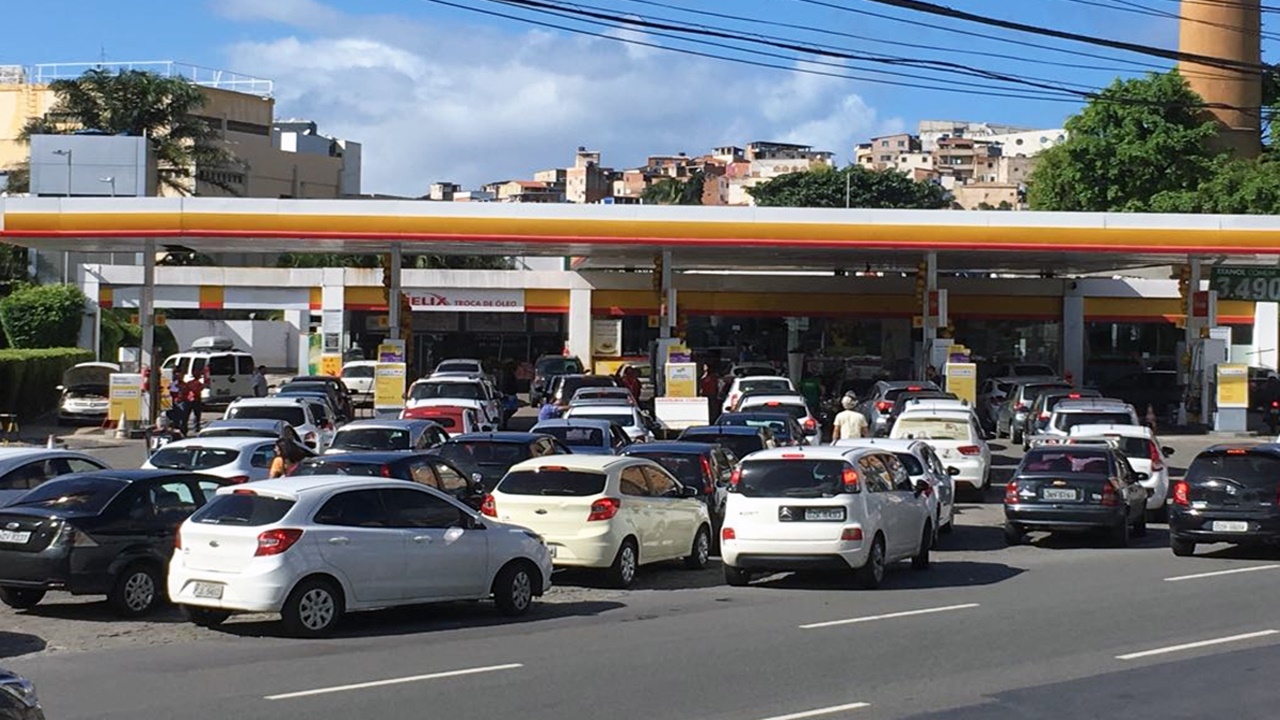
Surge in Gasoline, Ethanol, Diesel, and CNG Prices Forces Drivers to Turn to Biogasoline; Biogas Came to ‘Save’ and Alleviate Consumer Costs
Every day that goes by, the price of gasoline, ethanol, and diesel increases, and with that, Brazilians working in passenger transport, such as taxi drivers and app drivers, who used to rely on Compressed Natural Gas (CNG), are migrating to biogasoline, as CNG is also starting to weigh on their budgets. Biogas can be used without issues in vehicles equipped with a gas kit.
Also Read
- Andrade Gutierrez Construction Company Announces Job Openings in Civil Construction in Brazil and Abroad for Professionals With Incomplete Elementary, High School, Technical, and Higher Education
- Sodexo Multinational Opens Job Vacancies for Mid-Level, Technical, and Higher Education Positions in Rio de Janeiro, São Paulo, Macaé, Bahia, and More on June 3rd
- Mega Oil Exploration Project to Hire 100 Platforms, Build 50 Ships, Generate Over 400,000 Jobs, and Export 25 Million Tons of Oil by 2024 in the Arctic
- Chevrolet Multinational Suspends Production at SP Factory, and Chevrolet Onix, Onix Plus, and Spin Will Not Be Manufactured Until August 3rd
- Swedish-Israeli Multinational to Build Power Plant in Pecém Port and Turn Ceará’s Sea Waves into Electricity
- Diesel Price Rises Again, and Truck Drivers Demand Export Tax on Oil to Alleviate Fuel Costs
- Ethanol Price Soars, Reaching Nearly R$ 7 at Fuel Stations; Reduction Promises to Arrive in the Coming Weeks to Alleviate Consumer Costs
Petrobras made a new adjustment in the price of CNG, increasing it by 39% for distributors. According to a survey conducted by the National Agency of Petroleum, Natural Gas, and Biofuels (ANP), in the last week of May, the price of vehicle gas for the final consumer had already reached R$ 4.199 at some locations in the city of Rio de Janeiro. Despite not being a new solution, biogas is becoming popular for offering more yield and being cheaper.
App driver Glauber dos Santos, 32, said in an interview with the newspaper Extra that he started refueling with biogas at the suggestion of professional colleagues. According to him, who has a 1.0 car with an eight-cubic-meter cylinder installed, while he can travel 120 kilometers on a ‘full tank’ of CNG, he can go 150 kilometers with biogas.
-
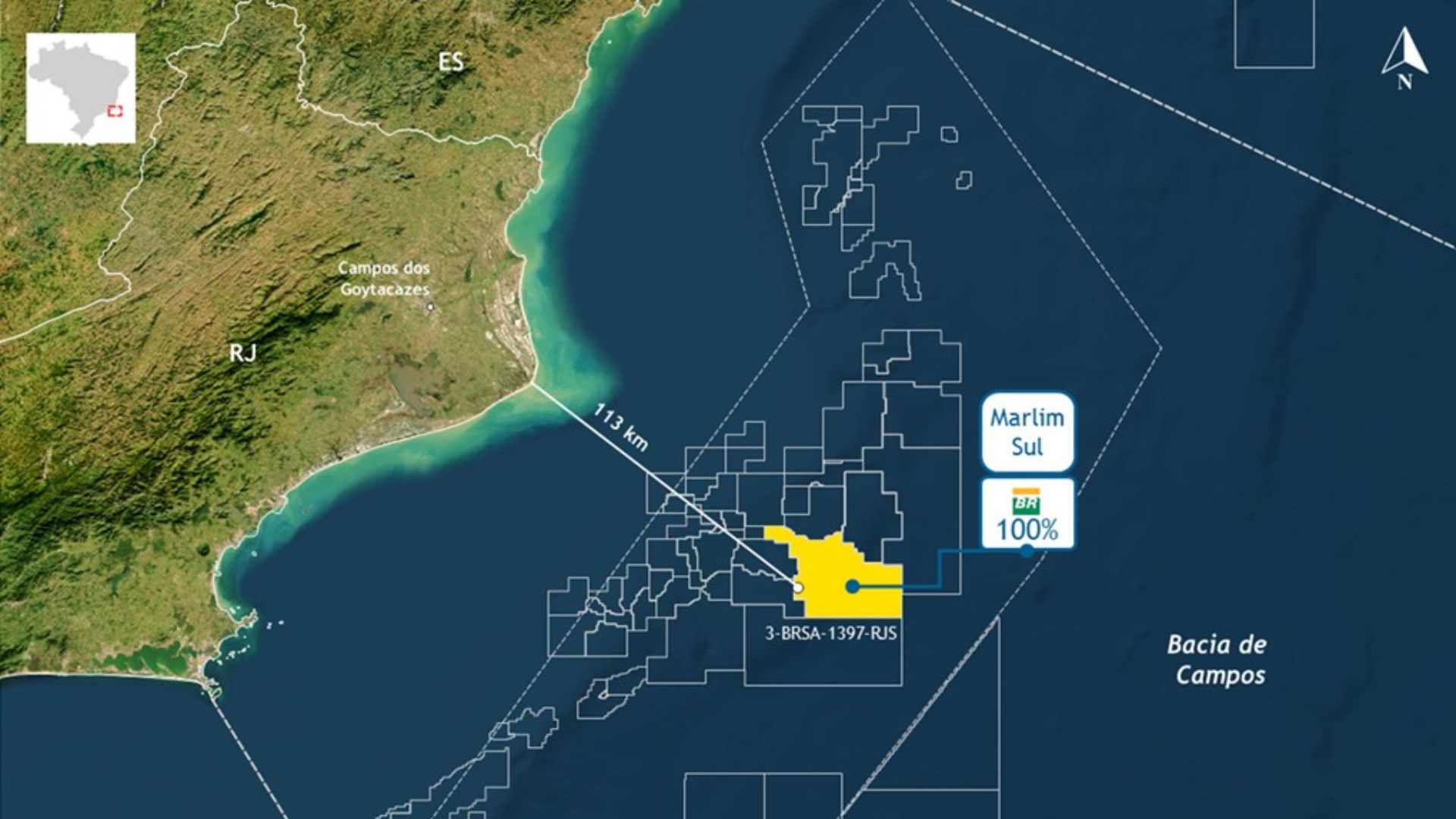
Petrobras finds high-quality oil in the pre-salt at 113 km from RJ and reignites expectations about strategic reserves in the Campos Basin.

-
Ocyan opens registrations for startups focused on innovation in the oil and gas sector and will select projects for Innovation Day with the support of Nexio.

-
Petrobras announces new oil discovery in the pre-salt of the Campos Basin and reinforces Brazil’s prominence with high-quality reserves that can increase production and energy revenues.
-
Alert in the fuel market: Analysts and a former director of ANP warn that oil prices may worsen in the coming months due to global instability.

— In these 30 kilometers of difference, I can make R$ 30 to R$ 50 in fares. Besides that, the price of biogas is more affordable. I have been refueling for R$ 3.99 per cubic meter, while I would have paid R$ 4.15 for CNG. It’s the small change that makes a big difference at the end of the month — compares the driver.
Biogasoline Has Similar Characteristics to CNG, but Is More Efficient and Safer, With Less Risk of Explosion and Fire
According to Jorge Mathuiy, commercial director of the MAT cylinder industry, CNG can be extracted from sources associated with petroleum; for example, biogas (biomethane) has similar characteristics but is extracted from organic materials — landfills, compost, and sugarcane bagasse, among others. For this reason, it is also known as green gas.
Currently, only ten fuel stations in Rio de Janeiro offer biogasoline, but according to Mathuiy, this number should increase significantly by the end of the year, as biogasoline has a lower acquisition cost and is completely safe.
The great advantage of using biogas is that, in addition to greater autonomy, the fuel offers more safety because it is lighter than air; in case of a leak, the gas dissipates quickly, reducing the risk of explosions and fires. While alcohol ignites at 200ºC, and gasoline at 300ºC, biogas needs to be subjected to a temperature higher than 620ºC to ignite.
Drivers still find it difficult to identify biogasoline at stations. The tip is to ask the attendant if the option is available or to observe at the pump if the supplier is one of the companies that distribute the fuel, such as Neogás.
Sale of Hydrated Ethanol Between Distributors Was Definitively Prohibited by the National Agency of Petroleum, Natural Gas, and Biofuels
On Thursday, May 27th, the board of the National Agency of Petroleum, Natural Gas, and Biofuels (ANP) approved a resolution prohibiting the sale of hydrated ethanol (fuel ethanol) between two authorized distributors.
The prohibition of ethanol sales between distributors, adopted by the ANP, aims to prevent tax evasion and non-payment of ICMS by companies.
Gasoline, Alcohol, and Diesel Prices Keep Rising, and Deputies Refuse to Change ICMS Amid Surging Fuel Prices
Petrobras is ‘attacked’ by the surge in fuel prices by deputies who refuse to change ICMS amidst the crisis caused by consecutive increases in prices of gasoline, ethanol, and diesel.
Brazilians have been suffering daily from the rising fuel prices, given that the prices of ethanol, gasoline, and diesel continue to climb at the pumps. As a measure to try to curb the surges, the Government proposed changes to the taxation of ICMS on fuels. The new proposal was not well received by some deputies, who accused the Brazilian oil company Petrobras of being responsible for all this.










Seja o primeiro a reagir!