





 English
  Francês
  Alemão
  Italiano
  Japonês
  Norueguês
  Portuguese
  Spanish
  4 min of reading


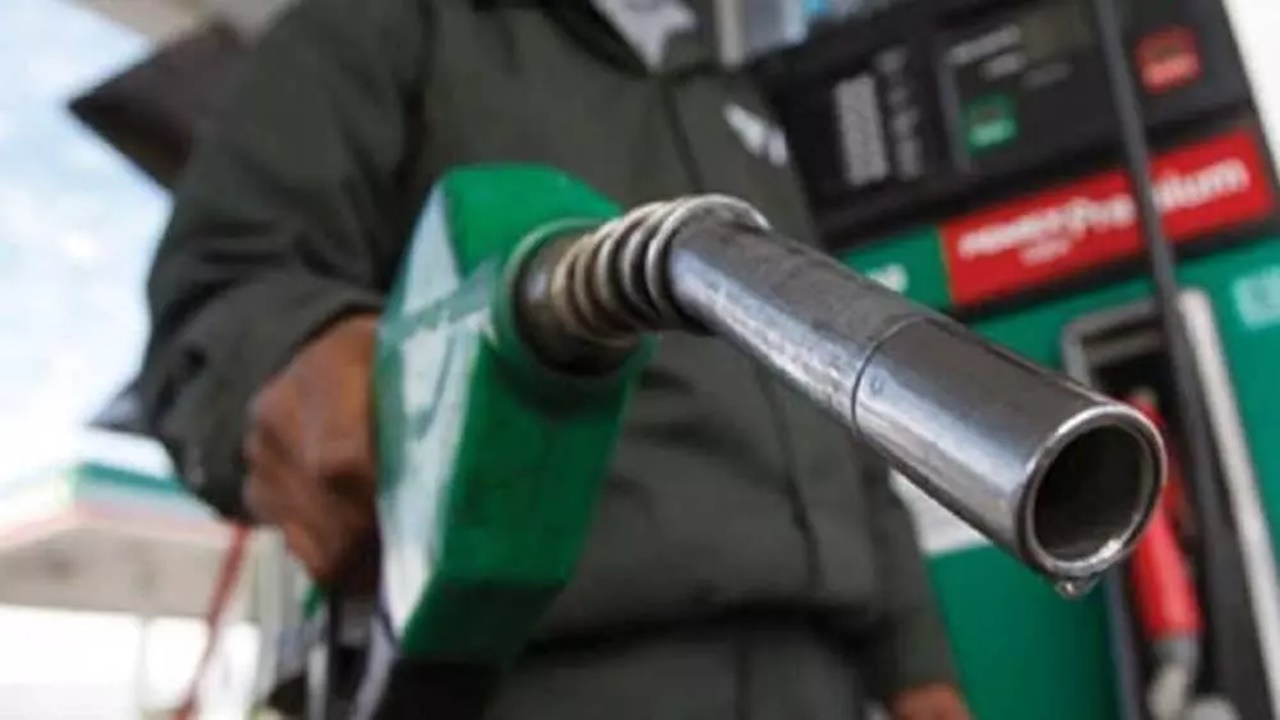
Petrobras Is Attacked by Skyrocketing Fuel Prices, by Deputies — Who Refuse to Change ICMS Amid Crisis Caused by Consecutive Price Increases in Gasoline, Ethanol, and Diesel
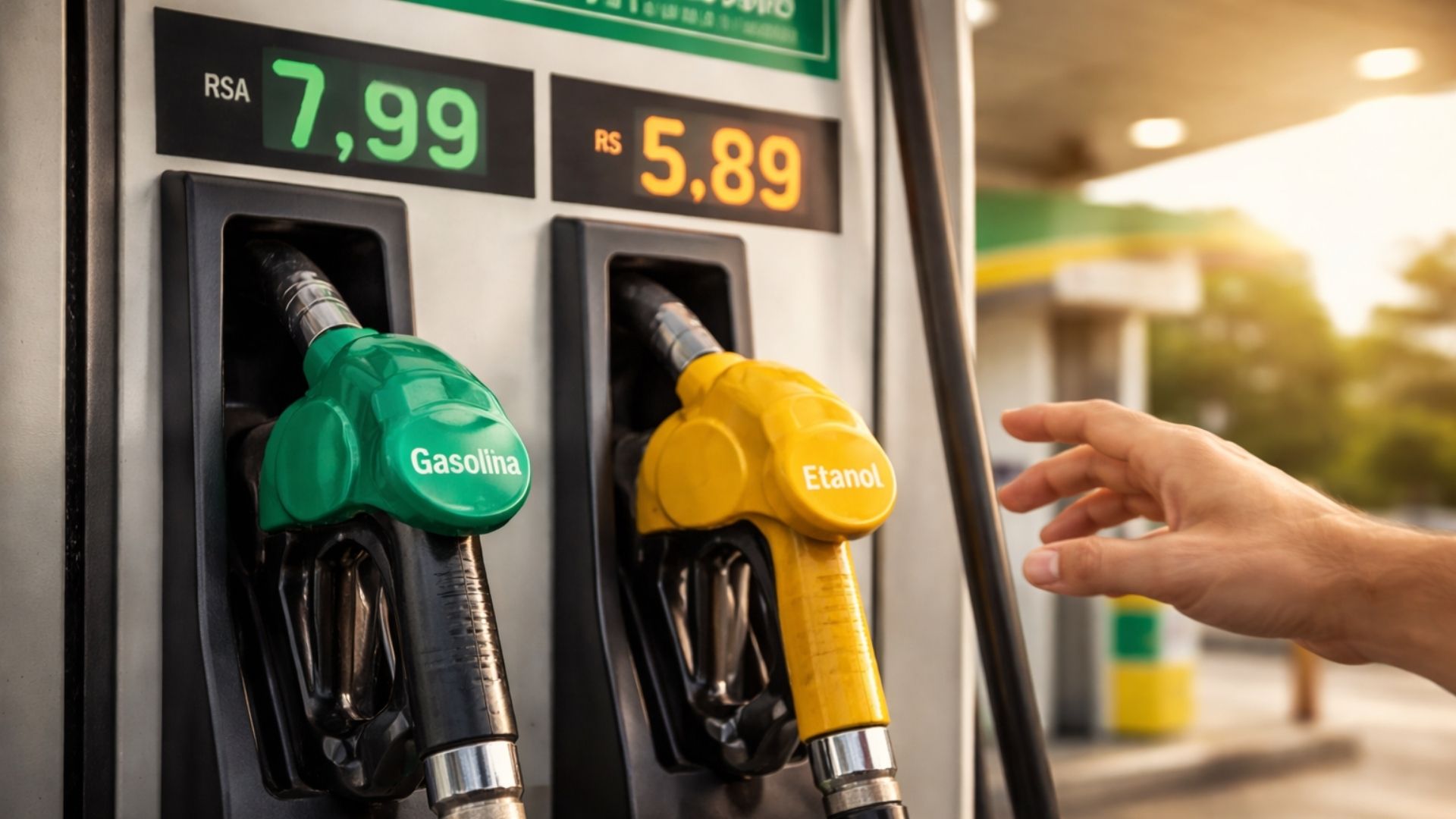
Brazilian citizens are suffering daily from the rise in fuel prices, given that the price of ethanol, gasoline, and diesel keeps increasing at the pumps. As a measure to try to curb the spikes, the Government proposed changes to the taxation of ICMS on fuels. The new proposal was not well received by some deputies, who even accused the Brazilian oil company Petrobras of being responsible for all of this.
Read Also
- Gasoline Price Exceeds R$ 6, and Ethanol Reaches Nearly R$ 5 at Fuel Stations, Punching Consumers in the Wallet
- Brand Loyalty at Fuel Stations Will End, and Fuel Sales via Delivery Will Be Allowed; Measure Could Reduce Gasoline Prices by Up to 50 Cents per Liter!
- Oil Rises Last Friday (05/14), and Petrobras Is Expected to Increase Gasoline Prices Even More; Ethanol Takes Advantage, and Prices Are Likely to Drop at the Mills
- Biodiesel Mixing with Diesel Can Damage Engines and Increase Fuel Prices, Say Entities Representing Over 200,000 Companies in the Sector
- Gasoline Prices May Skyrocket, and Ethanol May Run Out Due to the Shortage of Anhydrous Alcohol; Shortages Will Impact the Wallets of Brazilians Even More
Luiz Cláudio Fernandes Gomes, Deputy Secretary of Finance of Minas Gerais, stated that the National Committee of State Secretaries of Finance, Revenue, or Taxation (Consefaz) opposes changes to the ICMS fuel taxation.
The statement came yesterday (05/19), after a meeting with representatives from the states, the fuel sector, and the National Agency of Petroleum (ANP), during which the discussion focused on the Complementary Bill (PLP) 16/21 from the Executive Branch, which modifies the collection and unifies the rates of the state tax.
-
Ocyan opens registrations for startups focused on innovation in the oil and gas sector and will select projects for Innovation Day with the support of Nexio.

-
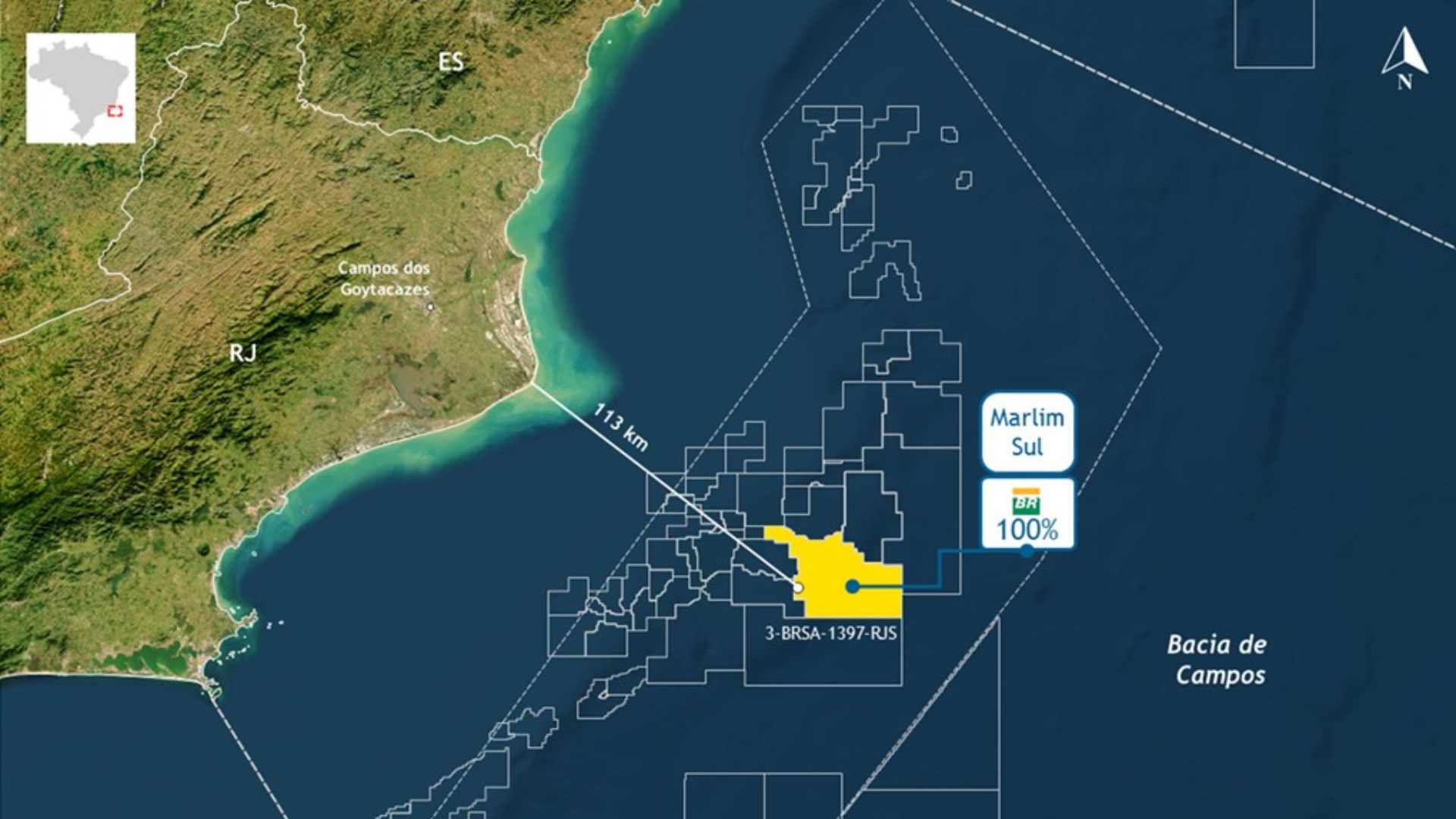
Petrobras announces new oil discovery in the pre-salt of the Campos Basin and reinforces Brazil’s prominence with high-quality reserves that can increase production and energy revenues.
-
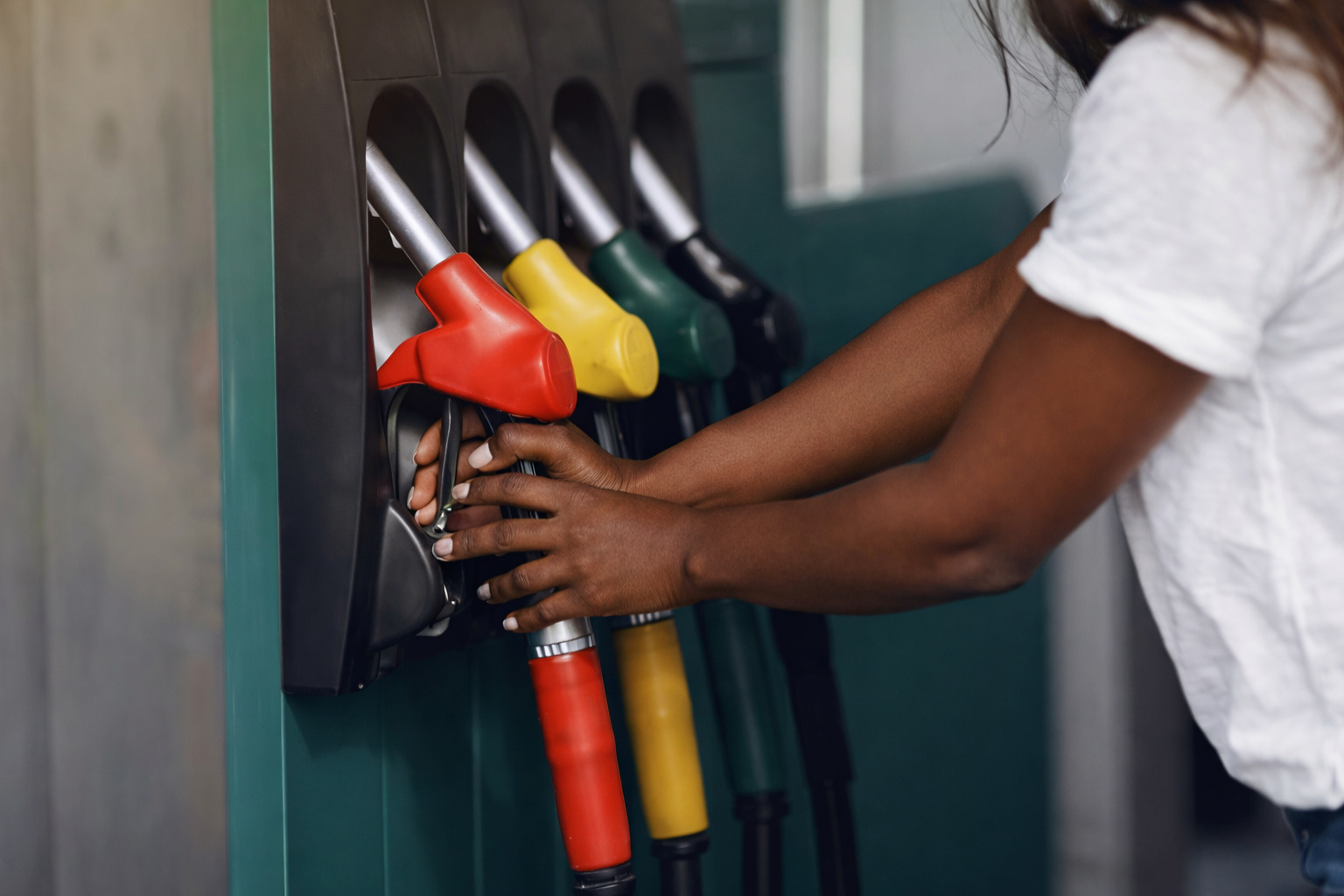
Alert in the fuel market: Analysts and a former director of ANP warn that oil prices may worsen in the coming months due to global instability.
-
Ocyan brings executives and digital solutions to Macaé Energy 2026 and highlights offshore expansion with Nexio and a new base in Macaé.

Reduction in ICMS Taxation on Fuels Aims to Prevent Price Fluctuations for Consumers
The proposed reduction in ICMS taxation on fuels aims to simplify the system and prevent price fluctuations for consumers.
Although deputies recognize the tax’s impact on the amount paid at gas stations, they claim that ICMS is not the main reason for the spikes in gasoline, diesel, and ethanol prices and blamed the policy of the Brazilian oil company, Petrobras, as the main culprit, given that the adjustments made by the state-owned company are linked to prices in the international market.
Deputy Sidney Leite (PSD-AM) complained that the costs of the Brazilian state-owned company Petrobras are not transparent and auditable. “It must be very clear what contributes to these costs at Petrobras. There are Petrobras employees who do not work on platforms, who do not run risks, but receive bonuses as if they were at the frontline,” he criticized.
Deputy Merlong Solano (PT-PI) stated that the fuel price will not be resolved solely with tax changes. “We need to put on the table the option for international parity pricing. Brazil has abundant reserves, sufficient technological experience, and an underutilized industrial park,” he noted.
Deputy Christino Aureo (PP-RJ) advocates that changes in the collection and rate of ICMS on fuels should be made alongside tax reform to ensure constitutional principles. “We have an exaggerated, poorly distributed tax burden that is poorly informed to society about how it is composed and distributed. The PLP 16/21 has positive points, but without establishing a suitable environment for discussions with the states, it will not progress,” he warned.
ICMS on Fuels Is the Main Source of Revenue for States — Equivalent to Almost 20% of the Total, and Deputies Fear Loss of Revenue
Deputies fear the loss of revenue, as the ICMS on fuels is their main source of revenue for states, representing almost 20% of the total.
As an example, in 2020 alone, during the pandemic — when the country went through significant periods of quarantine, the fuel market was responsible for a revenue of R$ 130 billion last year, with R$ 81 billion coming solely from ICMS.
Institute of Strategic Studies on Oil, Natural Gas, and Biofuels Blames Petrobras for Constant Price Increases
For Carla Borges Ferreira, a researcher at the Institute of Strategic Studies on Oil, Natural Gas, and Biofuels (Ineep), ICMS is not the main villain behind the rise in fuel prices.
Carla states that the variation in the cost of diesel between May 2020 and February 2021 was largely due to the rise in refinery prices, which she claims had an impact of R$ 0.60 on the liter sold at the gas station.
The researcher emphasizes that the recent exemption of federal taxes granted by the Government on fuels did not reach the wallets of Brazilians. According to her, prices remained stable because the reduction in federal taxes was absorbed by other players in the sector, who took advantage of the opportunity to adjust production prices, resale margins, and ICMS.
Carla also blamed Petrobras’ import parity price, which suffers adjustments due to the rise in the dollar and logistics costs, causing greater volatility and constant increases in fuel prices at the state-owned company’s refineries.
“The only significant decrease in diesel prices was due to the fall in international oil barrel prices during the coronavirus pandemic,” she noted. She warned that PLP 16/21 may not achieve the goal of reducing pump prices. “Changes in taxation have acted as temporary measures but do not resolve the issue of price volatility,” she explained.








Seja o primeiro a reagir!