





 Português
  Inglês
  Espanhol
  3 min de leitura
  1 comentário


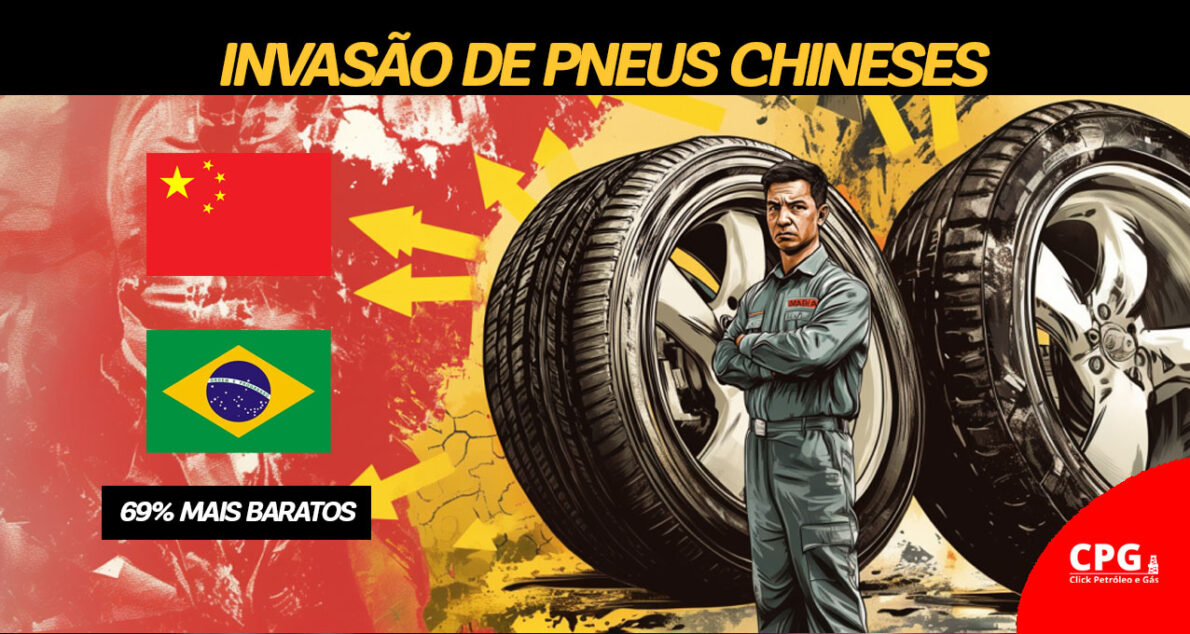

The Invasion Of Chinese Tires In Brazil, With Extremely Low Prices, Raises A Red Alert In The Sector. Thousands Of Jobs Are At Stake, And Anip Fights To Protect The National Industry. But Is The Increase In Import Tariffs The Solution Or Will It Only Bring More Costs To Consumers?
A New Phenomenon In The Brazilian Market May Be Threatening The Entire Tire Production Chain In The Country. With Extremely Low Prices, Imported Tires From China Are Flooding Brazil, Generating Concerns Across The Sector And Raising The Possibility Of A Severe Industrial Crisis.
The Main Concern? The Maintenance Of Thousands Of Jobs And The Survival Of Local Industries, Which Face Unfair Competition That Could Shake Their Foundations.
According To A Study Conducted By LCA Economic Consulting, Commissioned By The National Association Of Tire Industries (Anip), The Price Difference Reaches An Impressive 69% Below The Price Practiced In The International Market.
-
With awards in various countries, the Jaecoo 7 is establishing itself globally and accelerating the expansion of Omoda & Jaecoo in the hybrid SUV market.

-
In a silent race, Shopee signs a mega contract in Guarulhos and accelerates the e-commerce war with faster deliveries, pressured shipping, and a new threat to rivals in Brazil.

-
5 cheapest used cars than a Honda CG 160 Titan 0 km, with options starting at R$ 13,000 for those who want to trade their motorcycle for a car and escape the rain, sun, and risks of riding.

-
Oil surged to $115 a barrel due to the war in the Middle East, and diesel in Brazil has already risen to R$ 7.45 per liter, while the United States…


While In The United States, Mexico, And France The Average Import Price Of Truck Tires Is Around US$ 4 Per Kilogram, In Brazil, These Products Cost Only US$ 2.9 Per Kilogram. This Alarming Discrepancy Is Facilitated By The Low Tariff Barriers Applied To Chinese Tires In The Country.
Threat To The National Industry
The Situation Is Serious And Mainly Concerns Brazilian Manufacturers. According To Anip, Brazil Currently Has 11 Tire Manufacturers, Operating 21 Industrial Plants And Directly Employing About 32,000 People.
In Addition, The Sector Is Responsible For Generating Over 500,000 Indirect Jobs Throughout The Country. The Fierce Competition With Chinese Products, Which Arrive At Much Lower Prices, Puts This Entire Structure At Risk, Potentially Leading To The Deindustrialization Of The Sector.
“This Situation Puts Thousands Of Jobs At Risk And Could Lead To The Deindustrialization Of The Sector In Brazil,” Warns Klaus Curt Müller, Executive President Of Anip. With Such A Direct Threat To The National Industry, The Association Has Been Seeking Measures To Protect Jobs And Local Production.
Request For Tariff Increase
In Response To This Challenging Scenario, Anip Requested The Government To Increase The Import Tariff On Tires, Raising It From 16% To 35% For A Period Of 24 Months.
The Proposal Aims To Create Fairer Competitive Conditions And Prevent The Bankruptcy Of National Companies, Which Could Result In A Significant Loss Of Jobs.
However, The Measure Also Brings Concerns For Consumers. An Increase In Tariffs Could Mean An Adjustment In The Final Prices Of Tires, Directly Affecting The Wallets Of Brazilians.
On The Other Hand, Anip Argues That This Action Is Crucial To Ensure The Survival Of The National Industry. According To The Association, The Costs Of A Tire In Brazil Are Influenced By Various Factors, Including Labor, Logistics, And Internal Taxes, And Not Just By The Price Of Raw Materials.
The Proposal To Increase The Import Tariff Is Currently Under Review By The Foreign Trade Chamber (Camex), And Its Approval Or Rejection Could Define The Course Of The Sector In The Coming Years.
And You, Do You Believe That Imposing Higher Tariffs Can Actually Save The Brazilian Tire Industry, Or Will It Only Bring More Costs To Consumers?








Com certeza trará custos mais altos aos consumidores, além de inflação, pois o preço dos pneus impacta diretamente no custo do frete é este no custo das mercadorias. Não existe indústria nacional de PNEUS, são todas plantas de fabricantes internacionais que operam no Brasil. Ao final, as indústrias multinacionais só querem ganhar cada vez mais no Brasil, só isso.