






 Portuguese
  Spanish


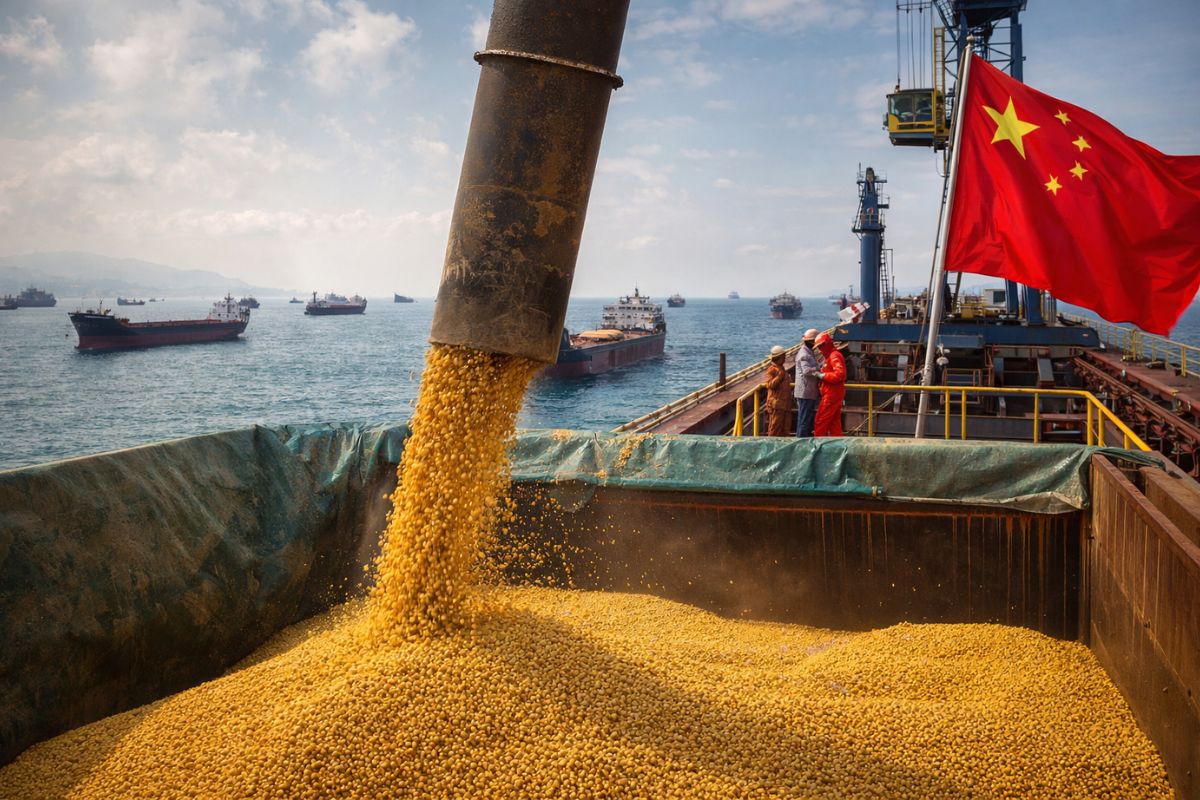
Mission of the Ministry of Agriculture began negotiations on March 23 to adjust phytosanitary inspection of Brazilian soy after the return of about 20 ships due to prohibited weeds. China accepted to end zero tolerance, but has not set a limit; releases continue through risk analysis and certificates at the center
Brazilian soy has entered a phase of technical friction with political effects after China returned about 20 ships due to the presence of weeds considered prohibited. The immediate result was a mission from the Ministry of Agriculture to open negotiations to redefine how phytosanitary inspection will be applied to the shipments.
According to updates from G1, the most sensitive point is not just the return, but what comes with it: issuance of phytosanitary certificates, risk of shipment cancellations, and uncertainty about what level of impurity will be tolerated. Until there is a clear limit, each shipment becomes a gamble in “risk analysis.”
Why did China return the ships and what does it mean
The return occurred because the shipments arrived with impurities, including seeds and materials classified as prohibited by Chinese sanitary rules.
-
Low-Demand Brazilian Beef Offal Gains Popularity Abroad: Indonesia Purchases $19.5 Million, Boosting Revenue and Reducing Waste

-
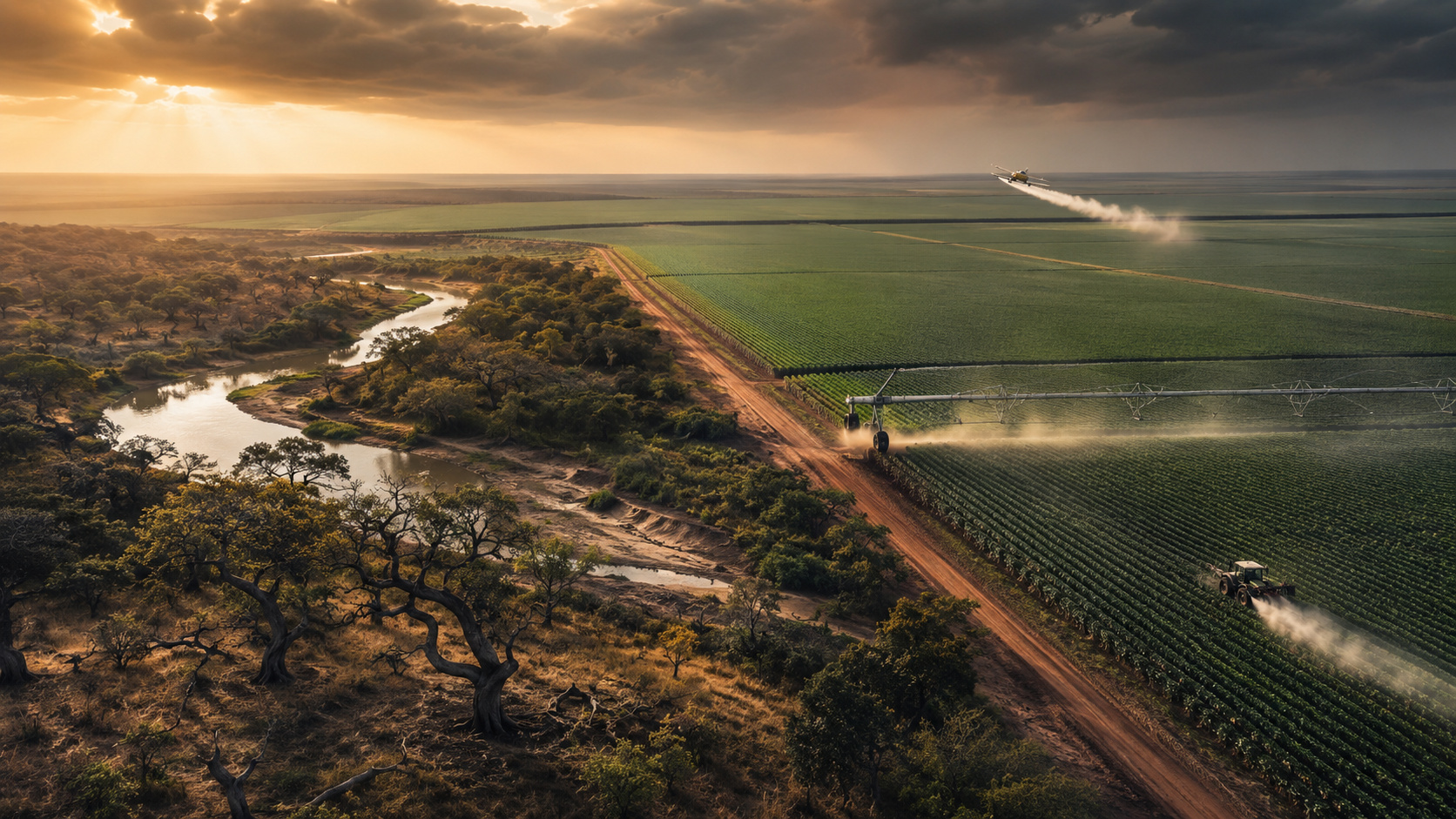
Soy Expansion in Former Brazilian Savanna Sparks Water and Land Conflicts in Major Agricultural Frontier
-
Mexican Pest Threatens U.S. Cattle Herds at Historic Lows, Potentially Boosting Brazilian Beef Exports as Burger Prices Soar

-
Avocado Boom for European and U.S. Markets Fuels Water Crisis in Drought-Stricken Chilean Region




The inspection from the Asian country understood that there was an excess of these items, which blocked the entry of ships and raised alarms among exporters.
This type of barrier is not just “bureaucracy”: in international trade, phytosanitary inspection is the filter that decides whether the product enters or not.
Without approval and without a certificate, the cargo does not disembark and payment does not materialize, which increases the cost of the impasse for those at the shipping end.
The end of zero tolerance and the new ambiguity that remains in the air
The Brazilian government reported that the zero tolerance criterion for the presence of these impurities will no longer be adopted.
In practice, China has stopped requiring that Brazilian soy be 100% free of items such as weeds, maintaining inspection but with less rigidity.
However, the relief comes with a gap: there is still no defined numerical tolerance limit.
The release of the shipments, for now, is conditioned to risk analysis, and this usually generates case-by-case decisions, with room for divergence, delays, and new holds.
Phytosanitary certificate becomes a bottleneck and halts operations
The previous tightening of requirements caused difficulties reported by exporters, especially in the issuance of phytosanitary certificates, an essential document for sending goods abroad.
When the issuer intensifies the rigor, the flow of paperwork becomes a logistical bottleneck.
This bottleneck has a domino effect.
Without a certificate, companies are prevented from delivering the cargo to China and receiving payment, which pressures cash flow, contracts, freight, insurance, and shipping planning, even when the product is ready to go.
What is at stake for export and commercial relations
The scale of the problem appears in the numbers: the return would represent something between 1.2 million and 1.5 million tons.
In the background, the annual expectation cited is about 112 million tons exported by Brazil, with China accounting for approximately 80% of the product’s exports.
When the main buyer tightens the standards, the impact goes beyond the returned shipment.
The market reads this as a risk of standards and risk of flow, and this increases the pressure for a specific sanitary protocol that reduces uncertainty and prevents each ship from becoming a new conflict.
What the government says, who is negotiating, and what still needs to be decided
The Ministry of Agriculture began negotiations on Monday (23) with Chinese authorities to discuss the rules, according to information confirmed to Reuters.
The talks are described as initial, without definitive decisions, and are expected to continue throughout the week with participation from the ministry’s secretaries.
Politically, Minister Carlos Fávaro previously stated that Brazil has not relaxed the inspection of shipments destined for China, while acknowledging the legitimacy of Chinese concerns and mentioning proposing a specific sanitary protocol.
The crux of the matter now is to transform “flexibility” into a clear rule, with objective and predictable criteria.
Brazilian soy has become the target of both technical and diplomatic pressure at the same time: returned ships, zero tolerance abandoned, but without a defined limit, and a system that may continue to stall in the issuance of certificates and risk analysis.
The outcome depends on a number, a procedure, and operational trust, not on rhetoric.
Do you think China is just protecting its own sanitary standards or using impurity control as a tool for commercial pressure? And, from the Brazilian side, what is the weakest point: logistics at the port, inspection, traceability, or political negotiation? Comment with your insights.








Be the first to react!