





 English
  Francês
  Alemão
  Italiano
  Japonês
  Norueguês
  Portuguese
  Spanish
  2 min of reading


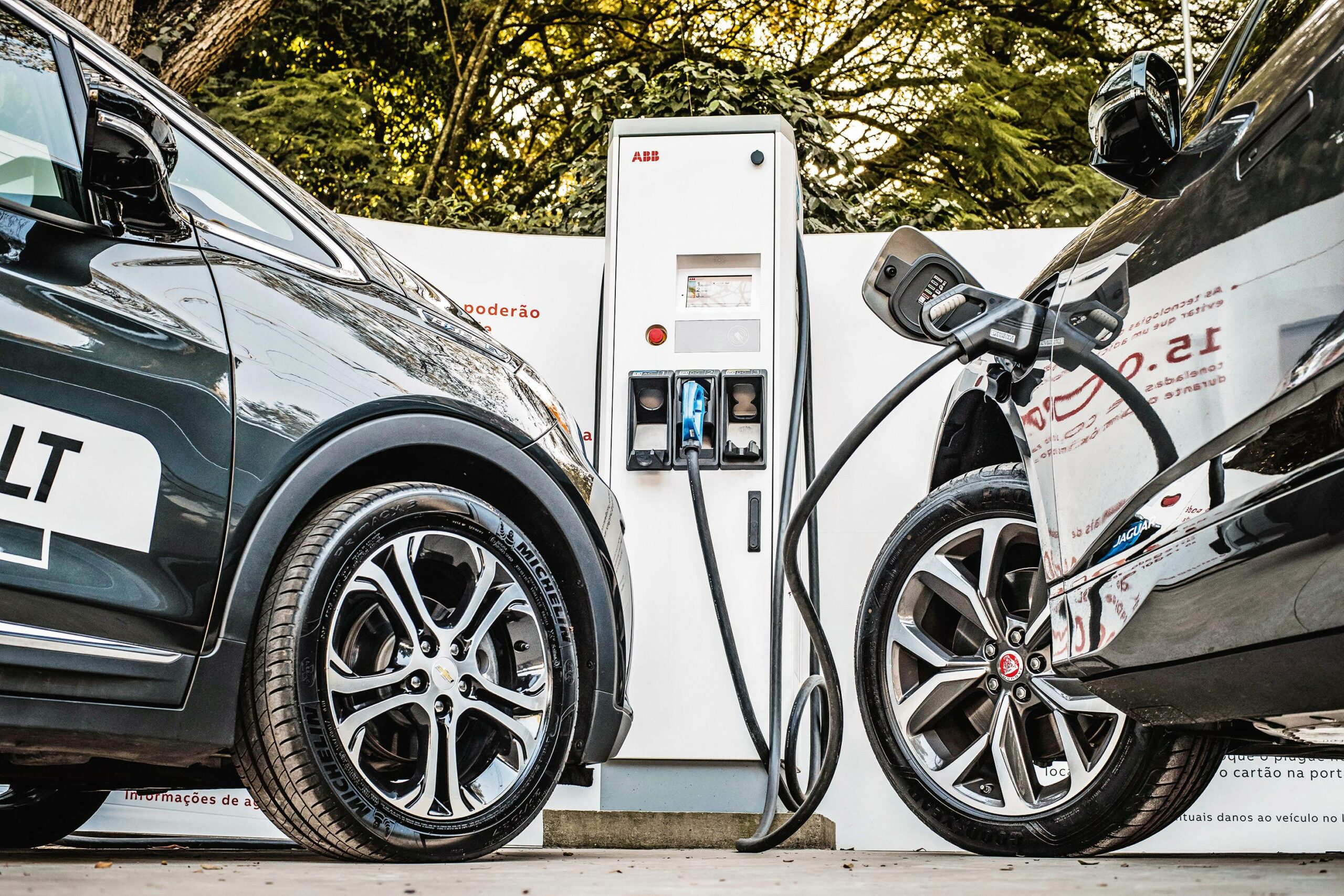
Starting in 2024, electric cars are expected to have the same production cost as conventional vehicles with internal combustion engines, which could result in a drop in the prices of sustainable models.
Electric cars will cost the same as conventional cars with internal combustion engines in 2024, and an acceleration in the shift away from fossil fuel-powered vehicles may be imminent, according to new research. The extra manufacturing cost of battery electric cars compared to their fossil fuel counterparts will decrease to just US$ 1,900 (R$ 10,829.05) per car by 2022 and will disappear entirely by 2024, according to research by investment bank UBS. The research is based on detailed analyses of batteries from the seven largest manufacturers.
Read Also
- Volkswagen Will Restrict Its Production to Electric Cars Starting in 2026
- Government Signs Decree for Pilot Project of Unconventional Oil and Gas Exploration in Brazil
- Navy Prepares Launch of Submarine Fully Built in Brazil
- Wood Is Running a Selection Process for Conventional Boilermaker and Irata
Conventional Car Manufacturers Reluctant for Change
Major manufacturers are hesitant to shift production from their profitable internal combustion engine models to electric cars due to expensive batteries, which are almost exclusively made by companies in East Asia, such as South Korea’s LG Chem, Japan’s Panasonic, and rival Chinese CATL.
Batteries account for between a quarter and two-fifths of the total vehicle cost. The bank states that manufacturers trying to cling to ICE sales risk being left behind by rivals like Tesla and Volkswagen, the largest automaker in the world by volume, which has committed to investing €33 billion in electric car sales.
-
São Paulo surprises the world with a colossal railway network project that promises over 1,000 km of tracks, R$ 194 billion in investments, and 40 projects connecting the capital to the interior with fast and sustainable trains.
-
The world’s largest escalator, measuring 905 meters in China, reduces urban travel time from 1 hour to about 20 minutes and transforms mobility in mountainous regions with an engineering solution adapted to the terrain.

-
A R$ 300 million logistics giant is taking shape in Serra with over 100,000 m² and raises a question: how can this transform e-commerce and distribution in the state?

-
Could Uber Rides Lose Minimum Fare? Understand What’s Happening!


The Shift to Electric Cars Is Inevitable
Over seven million electric cars are currently in operation worldwide. This is a significant increase from the 20,000 that were in use a decade ago. Governments are betting on expansion.
Norway plans to ban the sale of new internal combustion engine cars by 2025, with the Netherlands doing the same by 2030. Still, there are several barriers to overcome beyond cost. A study earlier this year showed that a fleet of 350 million EVs would increase the annual demand for electricity by 41% of current levels. This would require significant investment in new infrastructure and new power plants, some of which would operate without fossil fuels.
The shift to electric cars would also impact the demand curve, showing how the demand for electricity increases and decreases throughout the day, which would make managing the national grid more difficult. At the same time, researchers claim there may be technical challenges regarding the supply of materials such as lithium needed for vehicle batteries.










Seja o primeiro a reagir!