





 Portuguese
  English
  Spanish
  2 min of reading
  0 comments


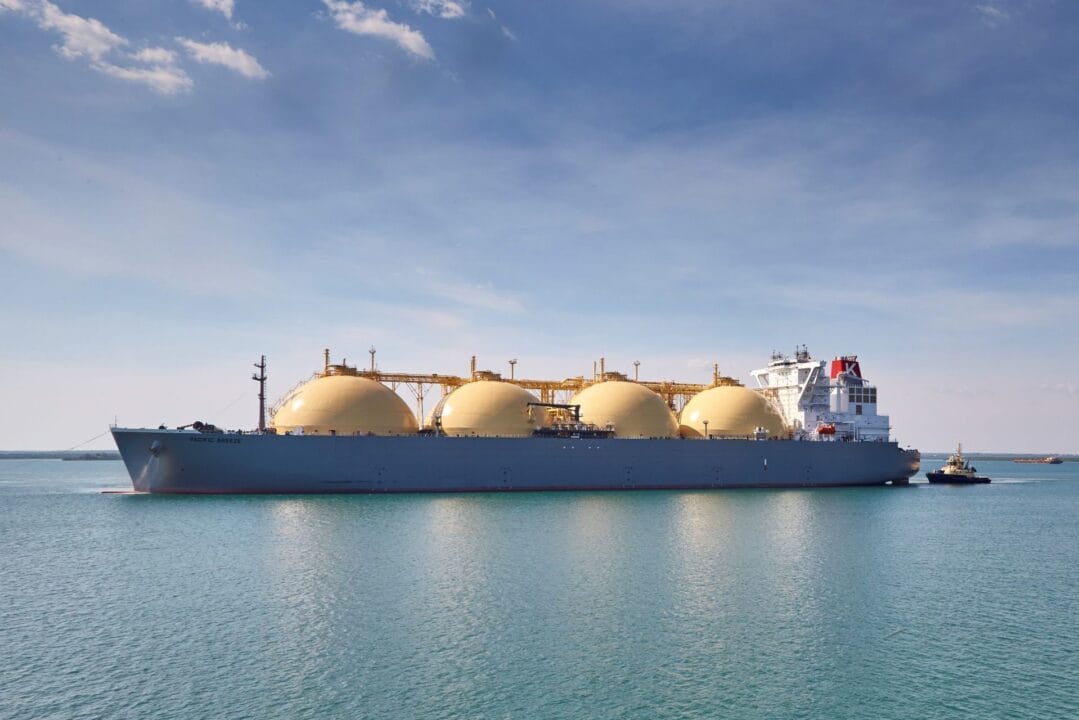
Gas Market | LNG Freight Rates Should Decrease With Fleet Growth and Global Price Reduction.
Wood Mackenzie projects that LNG prices will drop in 2024, due to high levels of storage and a mild winter in the Northern Hemisphere. This will result in relatively low global prices due to moderate global demand and limited LNG supply growth.
Weak Asian demand for liquefied natural gas (LNG) will contribute to keeping competition for LNG at low levels, according to Wood Mackenzie’s Vice President of Gas Research, Massimo Di Odoardo.
Global LNG Demand and Global Prices
The growth of global demand for liquefied natural gas (LNG) will continue to be limited, the consultancy projects.
-
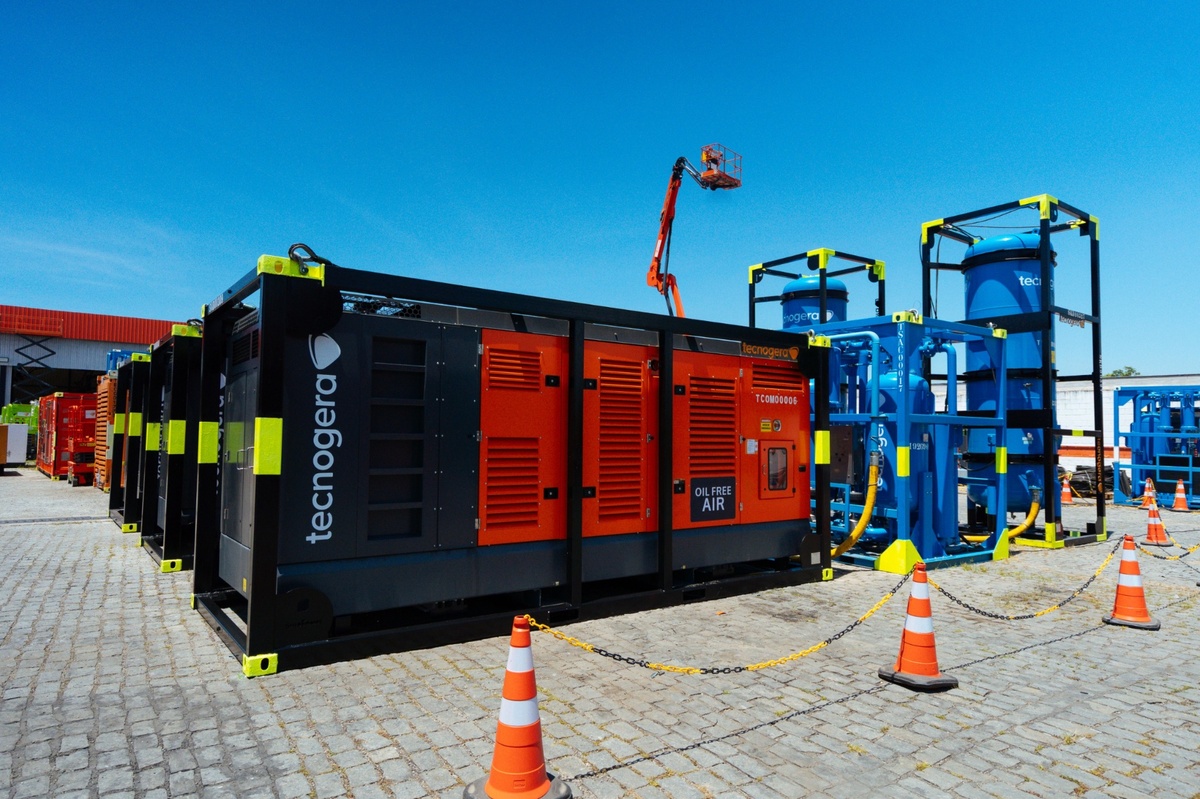
Offshore industrial demand in Macaé skyrockets with the recovery of oil and gas and could grow by up to 396% by 2026 in the Campos Basin.
-
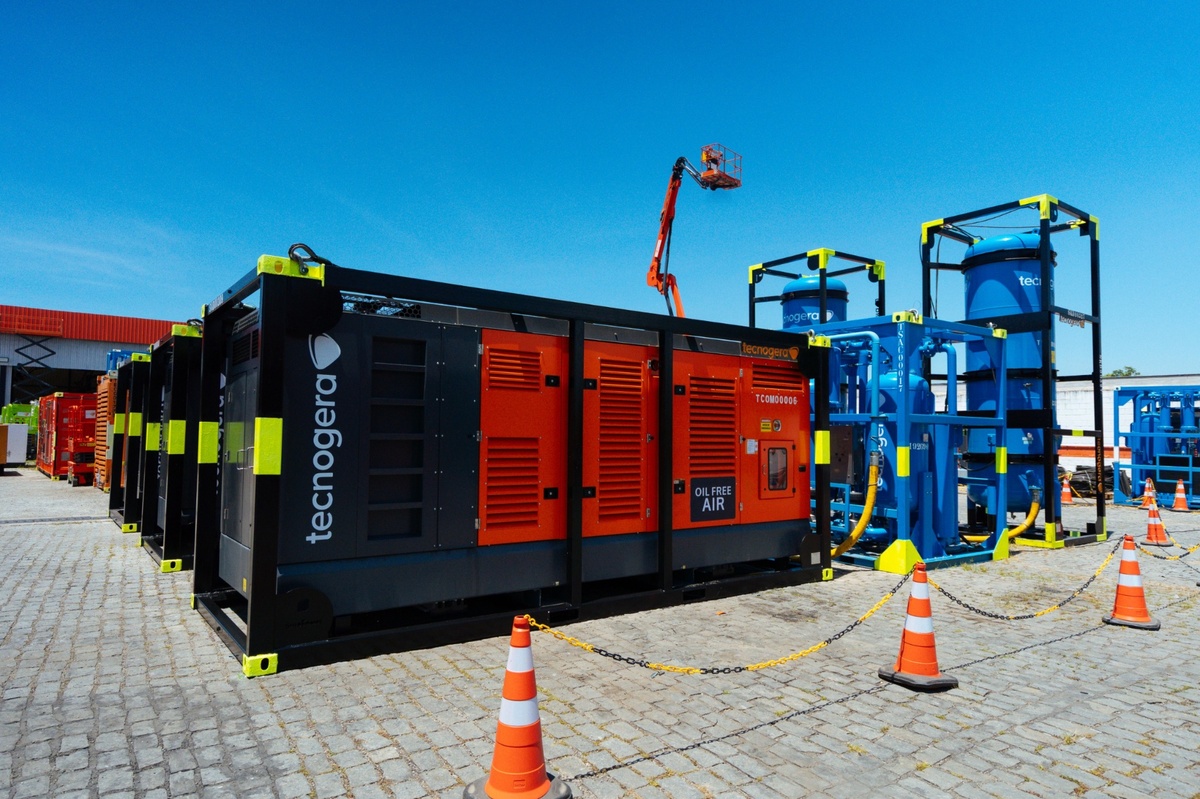
Offshore industrial demand in Macaé surges with the recovery of oil and gas and could grow by up to 396% by 2026 in the Campos Basin.
-
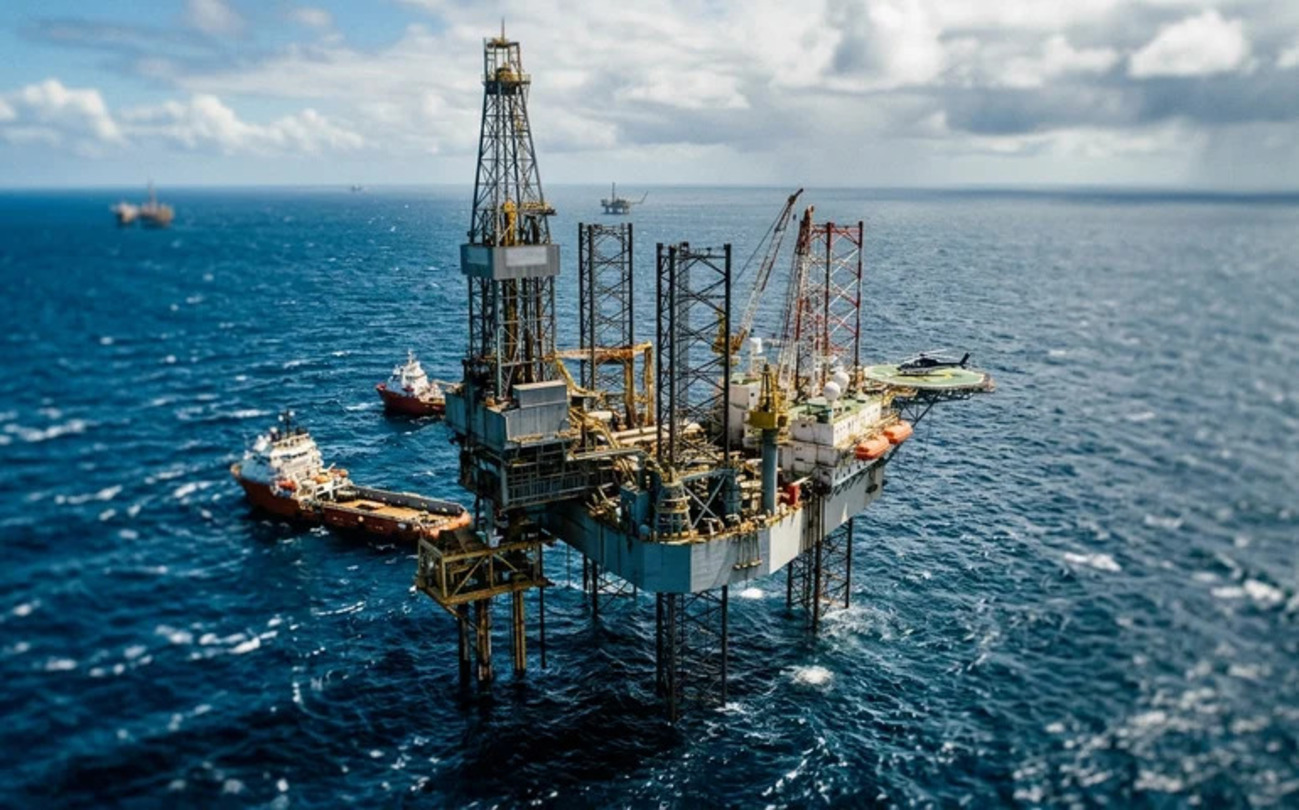
Brazilian giant expands borders in the Southeast: Petrobras confirms new oil discovery in ultra-deep waters in the pre-salt of the Campos Basin.
-
Alert in the global energy market: Severe tropical cyclone hits the coast and disrupts gas production at major plants in Australia, threatening global supply.

European demand fell 7% in 2023, influenced in part by the mild winter, and the expectation for 2024 is that, at best, it will remain stable.
In Asia, however, there is a more positive outlook: growth is expected to be 5% compared to 2023, but demand in 2024 will still be nearly 3 million tons lower than 2021 levels.
Wood Mackenzie also expects that long-term global contracting will cool off in 2024, compared to the huge number of deals signed between 2021 and 2023.
The scenario painted by the consultancy could indicate the start of a movement towards global price reduction of liquefied natural gas (LNG) after being heavily pressured between 2021 and 2023.
Expectations for the Global LNG Market
In 2023, the International Energy Agency will ease tensions on liquefied natural gas (LNG) prices between 2025/2026. A view similar to that of S&P Global.
On the demand side, the IEA estimates that, after its peak between 2011 and 2021, global gas markets will enter a new and more uncertain period – likely characterized by slower growth and greater volatility and may lead to a peak in demand by the end of this decade.
LNG freight rates should also ease with the prospect of fleet growth. Wood Mackenzie sees the risk of oversupply in the shipping sector.
‘There will be limited growth in organic liquefied natural gas (LNG) supply, and most of the U.S. LNG is expected to be directed to Europe rather than Asia, limiting shipping demand and pressuring freight rates’, Di Odoardo analyzes.
Source: EPBR










Seja o primeiro a reagir!