





 English
  Francês
  Alemão
  Italiano
  Japonês
  Norueguês
  Portuguese
  Spanish
  3 min of reading


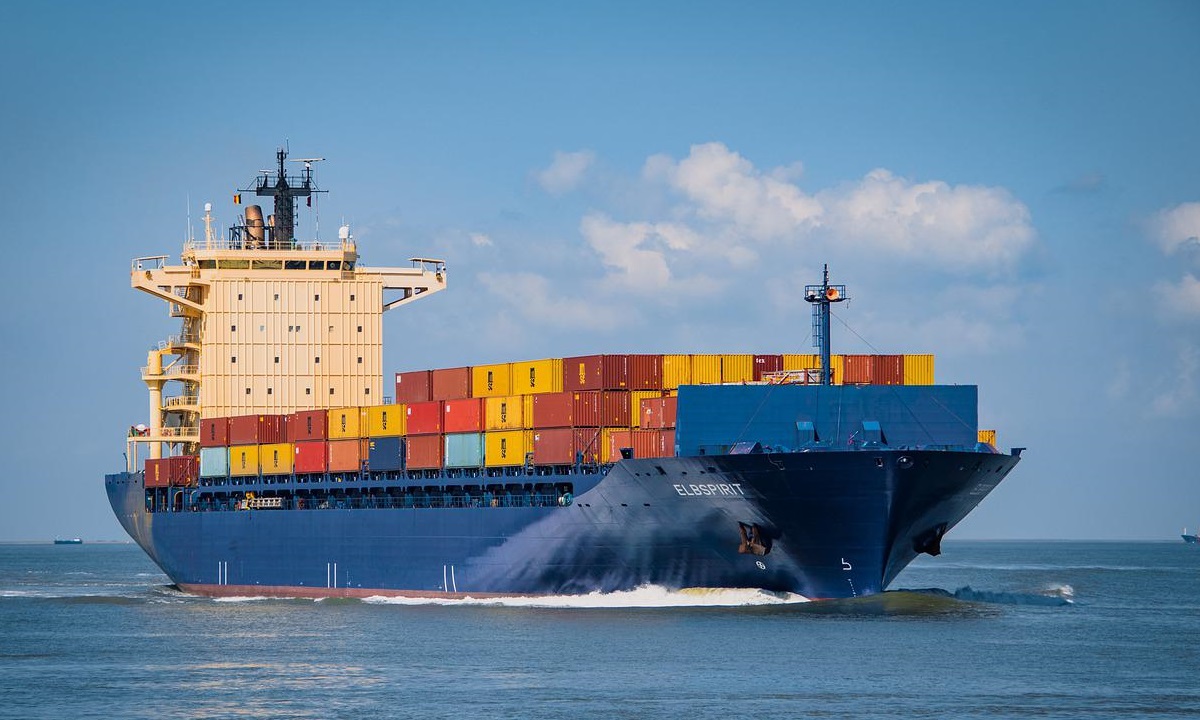
The Cost of Maritime Freight Between Asia and Brazil Increased Again This Month of July, Which May Affect Industries That Rely on This Type of Transport
The cost of maritime freight for imports between Asia and Brazil, essential for supplying components to industries, increased in July. The average monthly cost from Asia to Brazil is at US$ 10,550 per 40-foot container, which has dimensions of 12 by 2.5 meters, an increase of about 30.2% compared to the average prices from June. The freight cost has been rising since May, returning to the levels of the second half of 2021, the peak of the global logistics crisis that began in the latter half of 2020. The average price of maritime freight between Asia and Brazil this month is 5.1 to 6.6 times higher than the values from 2020, before the pandemic.
The recent increase in freight values, according to the CNI (National Confederation of Industry), indicates that global logistical bottlenecks may take even longer to resolve. For the infrastructure specialist of the entity, Matheus de Castro, the value of US$ 10,000 per container between Asia and Brazil could be the new norm for the logistics cost of international trade.
Lockdowns in Asia, China, “Stopped” Maritime Freight to Brazil and Other Countries
According to the CNI specialist, the worst part in the maritime freight sector has passed with the “lockdowns” in China, but this was not enough to alleviate the global logistical bottlenecks, in Castro’s assessment, due to congestion at US ports. The blockage of terminals on the West Coast led operators to transfer some freight flows to the East Coast, which spread out the port congestion instead of solving the problem.
-
Chinese giant worth nearly R$ 4 billion that manufactures cables for electric cars, solar energy, and robotics wants to open a factory in SC.
-
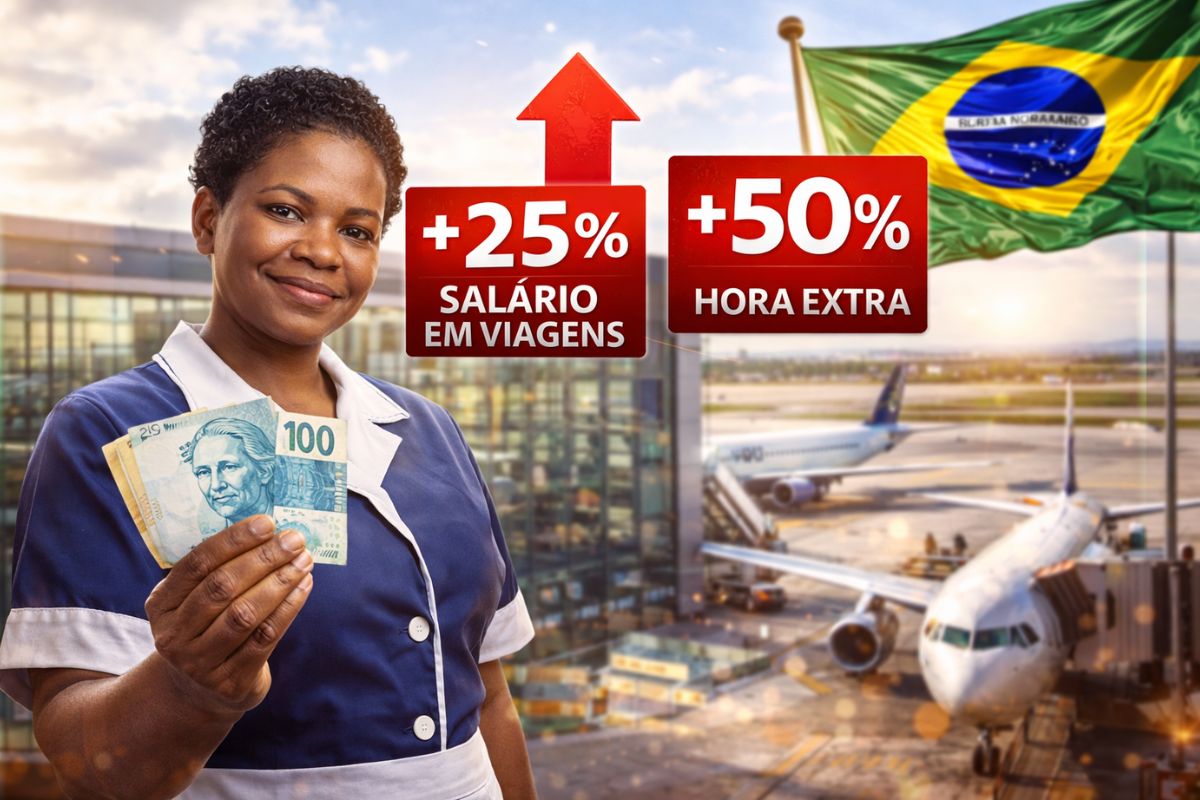
Many employers do not know, but the law guarantees domestic workers a 25% increase in salary during trips, 50% for overtime, 20% for night shifts, and 17 additional benefits that can lead to labor lawsuits if not paid.
-
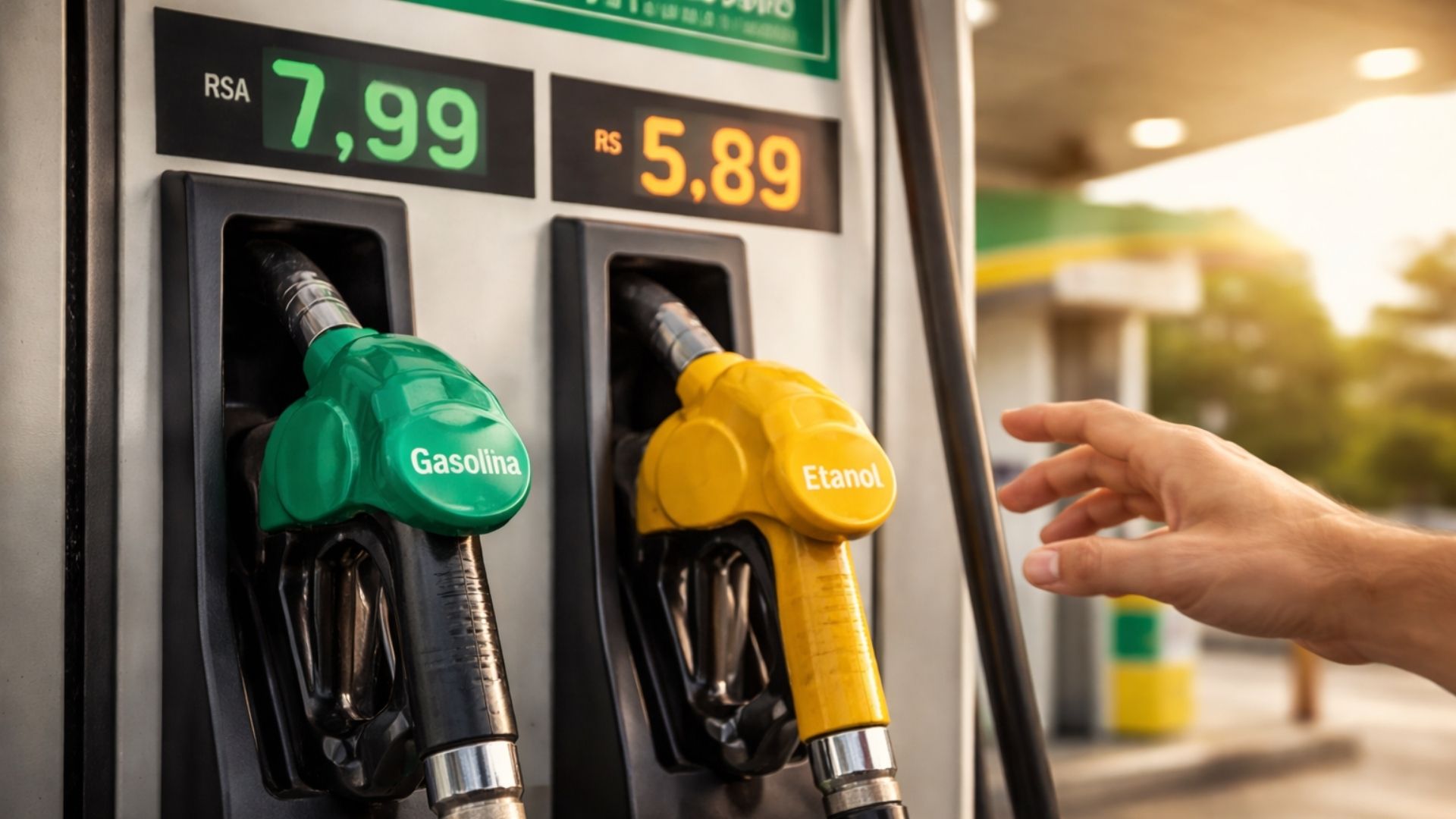
Gasoline prices soar and the question arises: is ethanol more advantageous? The 70% rule reveals the limit with gasoline.
-
The government has made a decision and is starting a test with more ethanol in gasoline, anticipating a mixture of up to 35%, diesel with 25% biodiesel, and a study to assess the impacts on engines.

According to Fábio Pavani, manager of the São Paulo branch of Asia Shopping, a logistics expert in foreign trade, in addition to rising fuel prices and global bottlenecks, the cost of freight is defined by demand for imports. Freight consumption in Brazil “is still moving,” he stated. And, even though the sector has seen a decline due to the blockage of global supply chains, driven by the “lockdowns” in China, component stocks in the industry in Brazil have ceased. “Demand for transportation, whether maritime or air, has increased,” Pavani stated.
What Is Maritime Freight and What Are Its Types
The most common ways to move and ensure the safety of goods are through the hiring of maritime freight, a common means of transportation in logistics in Brazil, Asia, and elsewhere.
The reason why maritime freight is widely used, including in Brazil and Asia, is that ships allow for a wide range of possibilities in sizes and volumes of containers that can be transported by companies providing this service.
The existing types for this kind of freight are FCL (Full Container Load) and LCL (Less Container Load).
The FCL (Full Container Load) maritime freight is when the consumer, whether an importer or exporter, uses a container that is 100% loaded, utilizing all the available space. This mode is the best option and typically involves transporting equipment of 20 and 40 feet, with dry cargo.
The LCL (Less Container Load) maritime freight is the most common type when the cargo transported does not fully occupy the container, allowing the importer or exporter to pay a lower cost for maritime freight, as they can share the container.








Seja o primeiro a reagir!