






 Portuguese
  Spanish


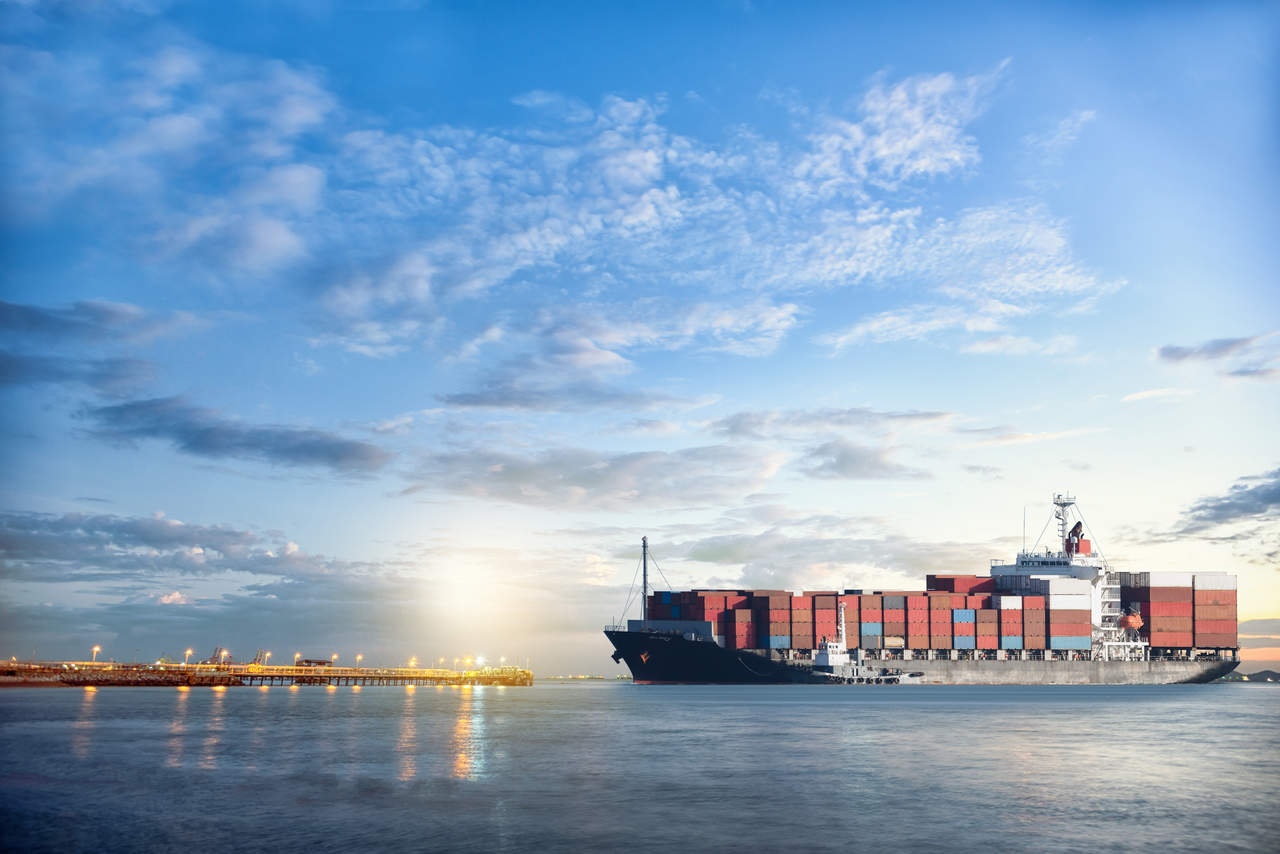

In The Midst Of A Scenario Of High Inflation In The International Market And Rising Costs In Maritime Freight Operations Between Ports, The CNI Developed A Platform For Monitoring These Prices And Aims To Control This Problematic Situation.
International ports are experiencing a moment of certain instability this Wednesday, (07/20), due to the high costs of maritime freight operations, affecting the international goods trade chain. As a way to seek means to reverse this situation, the National Confederation of Industry (CNI) decided to create a digital platform to monitor high prices and understand how the export and import curves are behaving.
International Ports Face Crisis In Maritime Freight Prices Due To The High Inflation Scenario In The Port Sector
The CNI has been closely monitoring the uncontrolled rise in maritime freight costs at ports worldwide since the onset of the pandemic in 2020, when costs surged nearly 500%, starting 2022 with costs 4.7 times higher.
Thus, even after an international easing of port restrictions and the opening of trade, inflation on products remains a recurring problem and continues to impact the maritime freight chain.
-
Real Estate Agent Buys Marvel Movie Subway Car for $5,000 and Converts It into Themed Airbnb
-
Real Estate Agent Buys Marvel Movie Subway Car for $5,000 and Converts It into Themed Airbnb
-
Former Roma and Fiorentina Player Filipe Gomes Returns to Brazil to Found Empório do Galeto, Aiming for $10 Million Revenue by 2026
-
Canada Builds 6.2-Hectare Containment Box to Trap 615,000 Cubic Meters of Toxic Sediment in Lake Ontario


In 2022, the high costs of these cargo transport operations were mainly influenced by problems at the Port of Shanghai, China, as the government decided to implement a lockdown that affected the trade of products at ports worldwide.
Rodrigo Zeidan, a professor at New York University Shanghai (China) and Fundação Dom Cabral, highlighted: “I think we will have a year of impact. It’s not just at the port [of Shanghai] where people can’t leave. You have centralized rules, the products need truck drivers to reach the ports. There’s a whole internal logistics system in question. You have a Chinese logistics problem that goes far beyond the port, which is completely decentralized.”
In addition to the problem of the Chinese government’s economic shutdown, a major supplier in the global goods chain, rising inflation on products is increasingly raising supply costs. Consequently, production costs and, consequently, the costs of conducting maritime freight continue to rise at international ports.
CNI’s New Platform Aims To Monitor Maritime Freight Prices And Export And Import Curves To Control The Scenario In International Complexes
In light of this highly unstable scenario for merchants around the world, the CNI decided to seek measures to address the situation and will launch a platform this week to monitor maritime freight prices. Additionally, the digital platform will also be responsible for checking the export and import curves at ports worldwide, contributing to a greater database regarding the situation affecting these complexes.
Furthermore, the CNI also stated that the platform will operate with monthly data and reports that will be used by international port authorities to conduct price control on maritime freight at the ports.
For comparison, the average cost of transporting a container in the global maritime market has been around US$ 10,000 in recent months, a figure that is 7 times higher than that recorded in 2020.
As a result, the end consumer is ultimately the most affected in this chain, as high maritime freight prices increase the final product cost that reaches the population, making access to essential goods, such as food, increasingly difficult in the global scenario.








