Portuguese
  Spanish




In Brazil, Energy Efficiency Depends on Companies and Individuals Changing Their Energy Habits for Reasons of Economy and Awareness
Global energy and climate leaders gathered at the International Energy Agency (IEA) Global Conference on Energy Efficiency established several joint actions to accelerate improvements in energy efficiency worldwide. The goal is to reduce not only the energy bills of individuals and businesses but also to alleviate the state of dependence on imported fuels and, most importantly, to reduce greenhouse gas emissions.
At the end of the Conference, which took place in Denmark, senior representatives from 24 countries—including Germany, France, Japan, Indonesia, Mexico, Senegal, and the United States, as well as the African and European Unions—issued a joint statement emphasizing the importance of energy efficiency in addressing many of today’s critical challenges, including the energy crisis, inflationary pressures, and rising greenhouse gas emissions.
Energy Efficiency Could Help Reduce Household Electricity Bills by at Least US$ 650 Billion a Year by 2030
According to IEA calculations, energy efficiency could help reduce domestic energy bills by at least US$ 650 billion a year by 2030 compared to current policies.
-
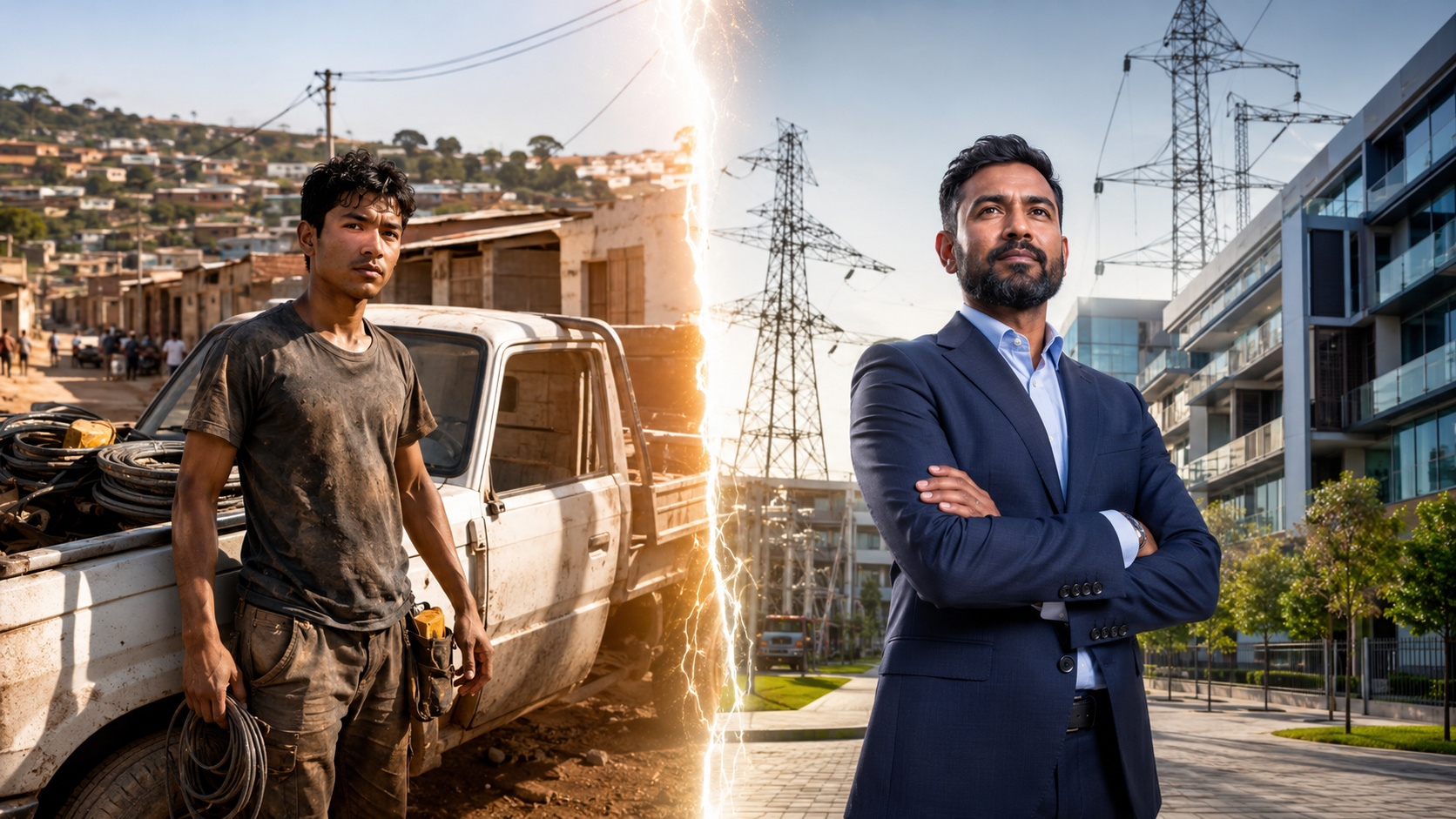
Fired during apartheid and with a little borrowed money, an electrician started with a borrowed truck and transformed electrical services into a group connected to energy, real estate, and infrastructure in South Africa.

-
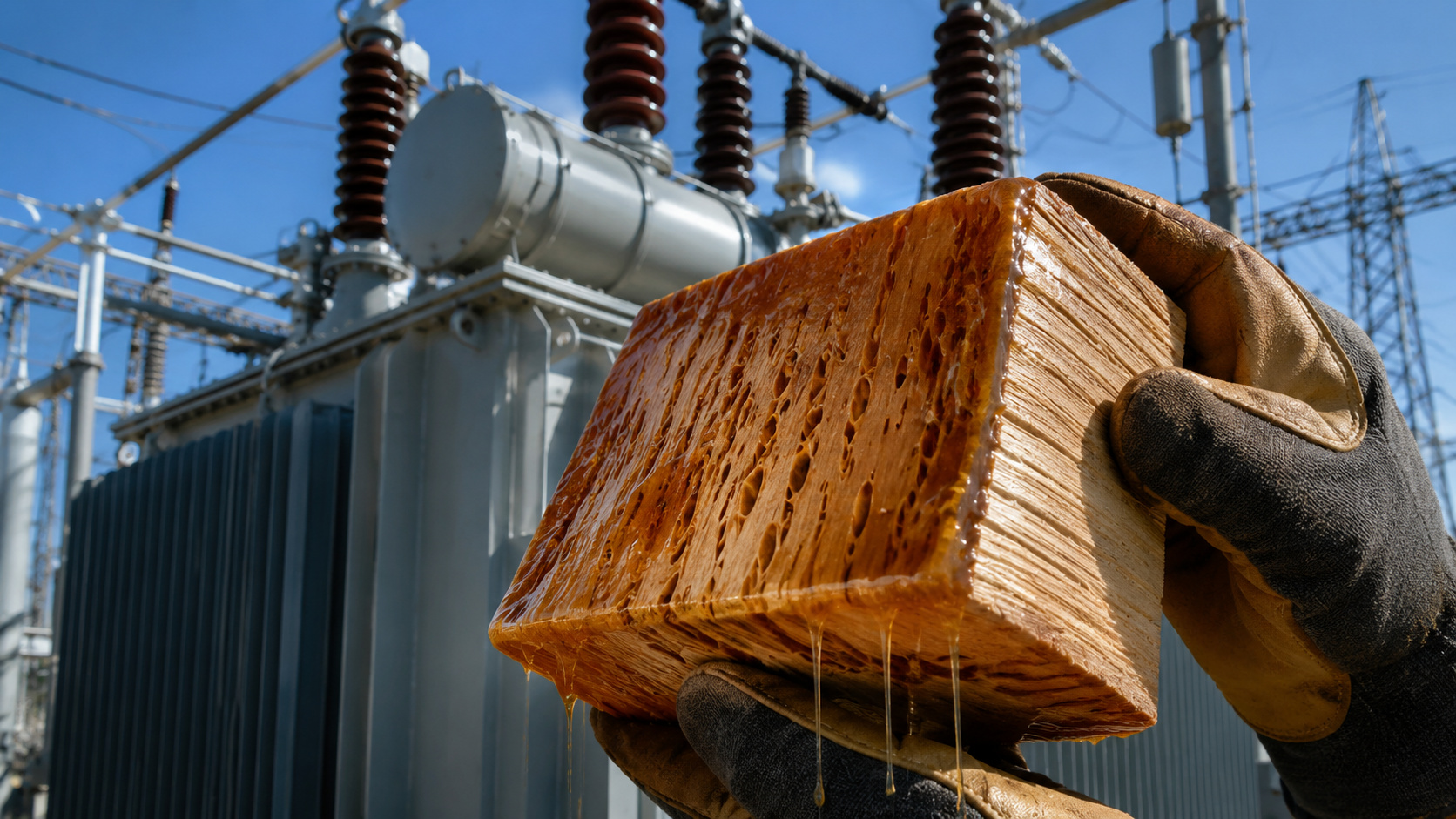
Wood has ceased to be just a construction material in Yale research and has become insulation for electrical transformers that face intense heat, aging, and increasing pressure from the renewable energy-powered grid.
-
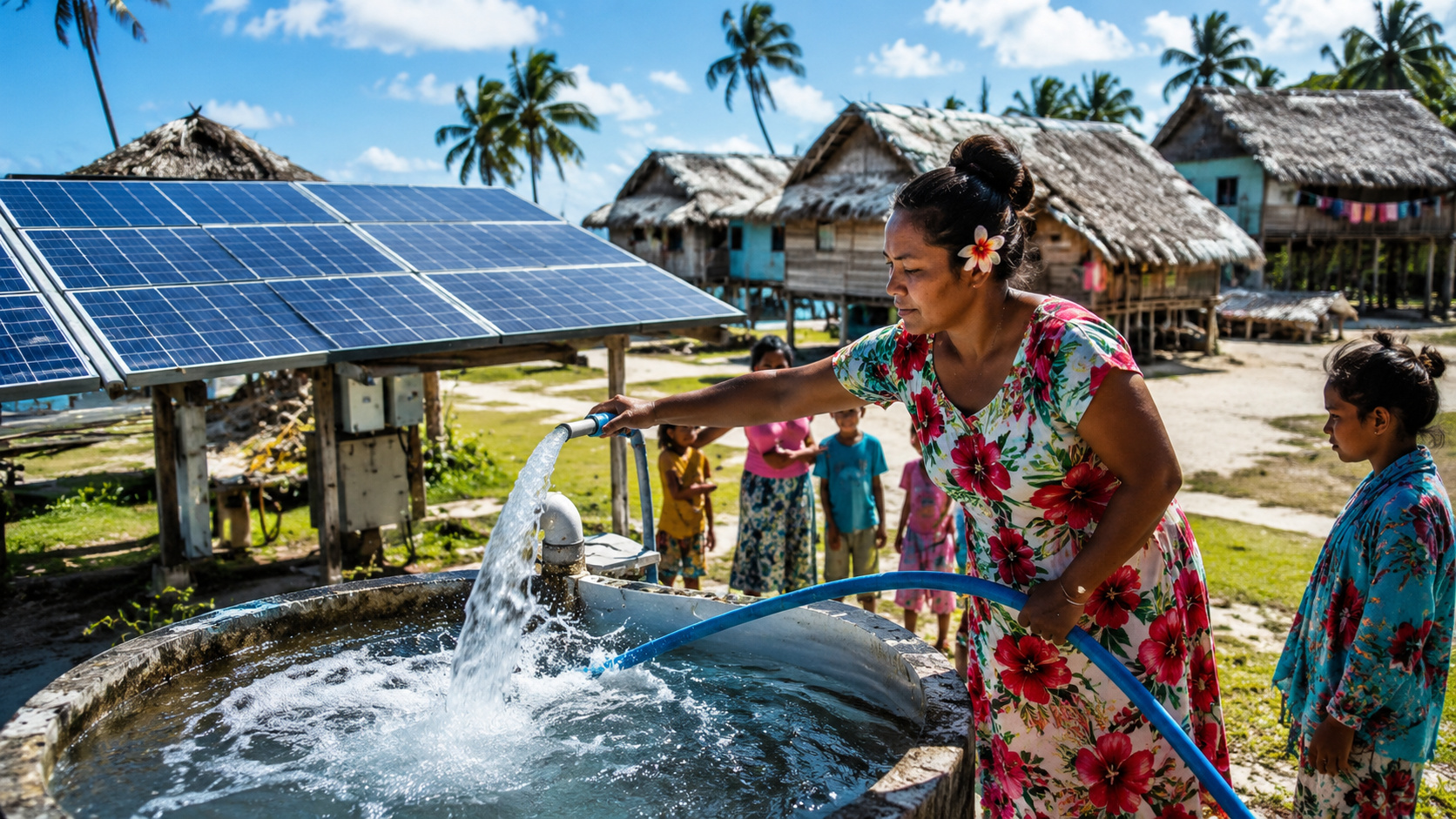
More than 1,000 residents of a remote island in Kiribati now have clean water and electricity with solar systems operated by the community itself.
-
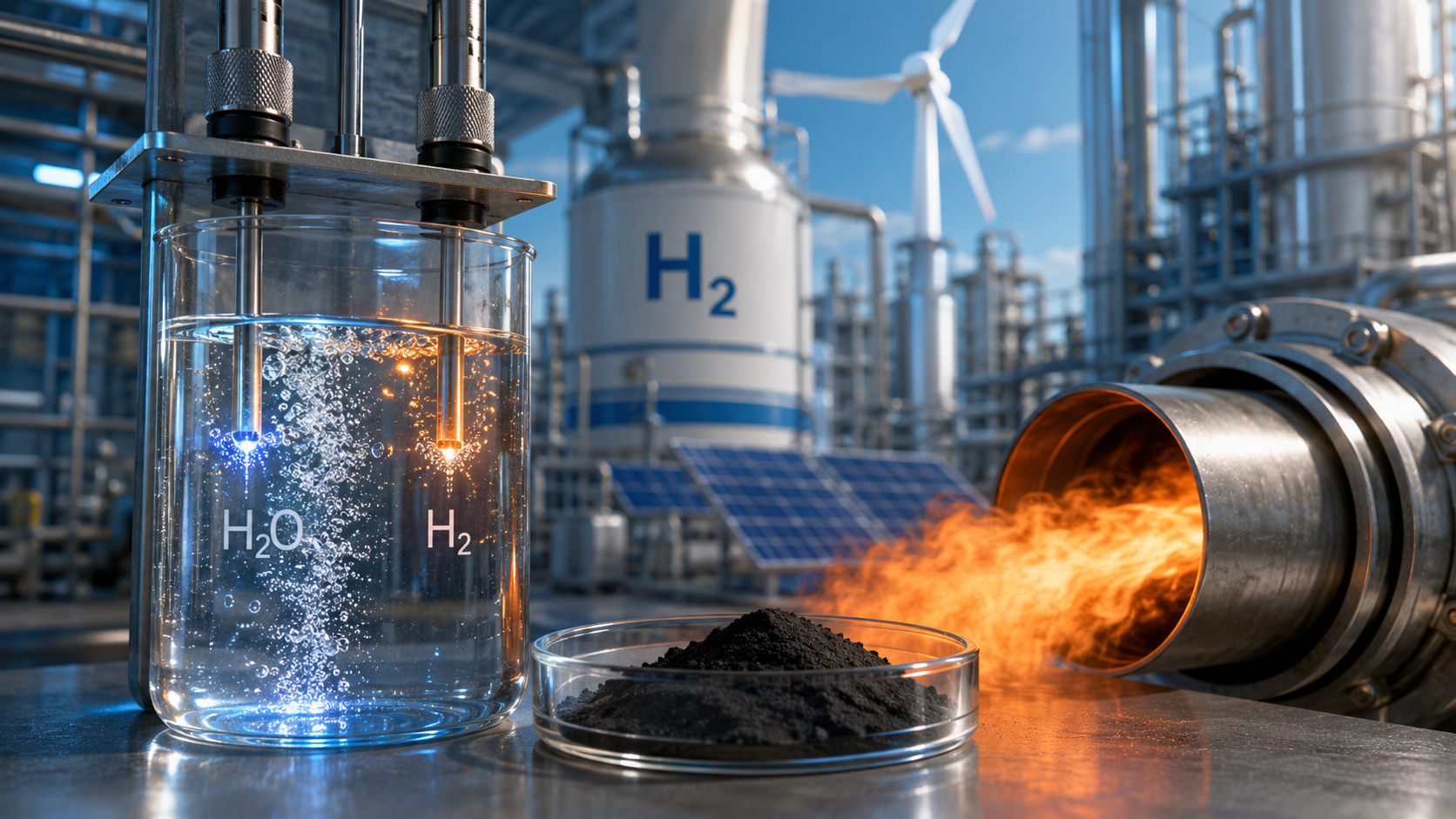
Ceará brings together 7 giants and R$ 66 billion to transform Pecém into the largest green hydrogen hub in Brazil, with final decisions expected by the end of 2026.

In Brazil, despite the country being second to last in the international energy efficiency ranking among the 16 largest economies in the world, ahead only of Mexico, Reymaster, specializing in the trade of electrical materials for the residential, commercial, and industrial sectors in Curitiba and surrounding areas, has been continuously fighting for the issue to become a priority. Proof of this is the holding of an awareness event that also took place earlier this month, “riding along” with the Global Conference, which had 40 participants, representing major industries from Paraná, such as technicians, engineers, and coordinators from the industrial electrical sector.
In the view of Felipe Martins, technical promoter at Reymaster and one of the exhibitors at the event, energy efficiency has a uniquely important role to play now, as global energy prices are high and volatile, affecting entire economies: “We can no longer postpone this issue. We need to change habits immediately,” he said. “After all, there are many benefits to ‘doing more with less,’ among them we can highlight that in addition to contributing to a healthier environment, we will reduce energy consumption, which will lead to lower bills and greater security regarding electricity for homes and workplaces.”
In this sense, Gustavo Batista, an electrical engineer and technical promoter at Reymaster, explained at the event that the first step to be taken is in smart lighting, “for the precise control of electricity usage, capable of providing real and tangible results concerning savings and sustainability.”
During the meeting, it was possible to see, in practice, with Philips products for industrial lighting exemplifying how the use of this type of technology indirectly promotes awareness and a change in user habits regarding the abusive use of energy.