





 Portuguese
  English
  Spanish
  4 min of reading
  0 comments


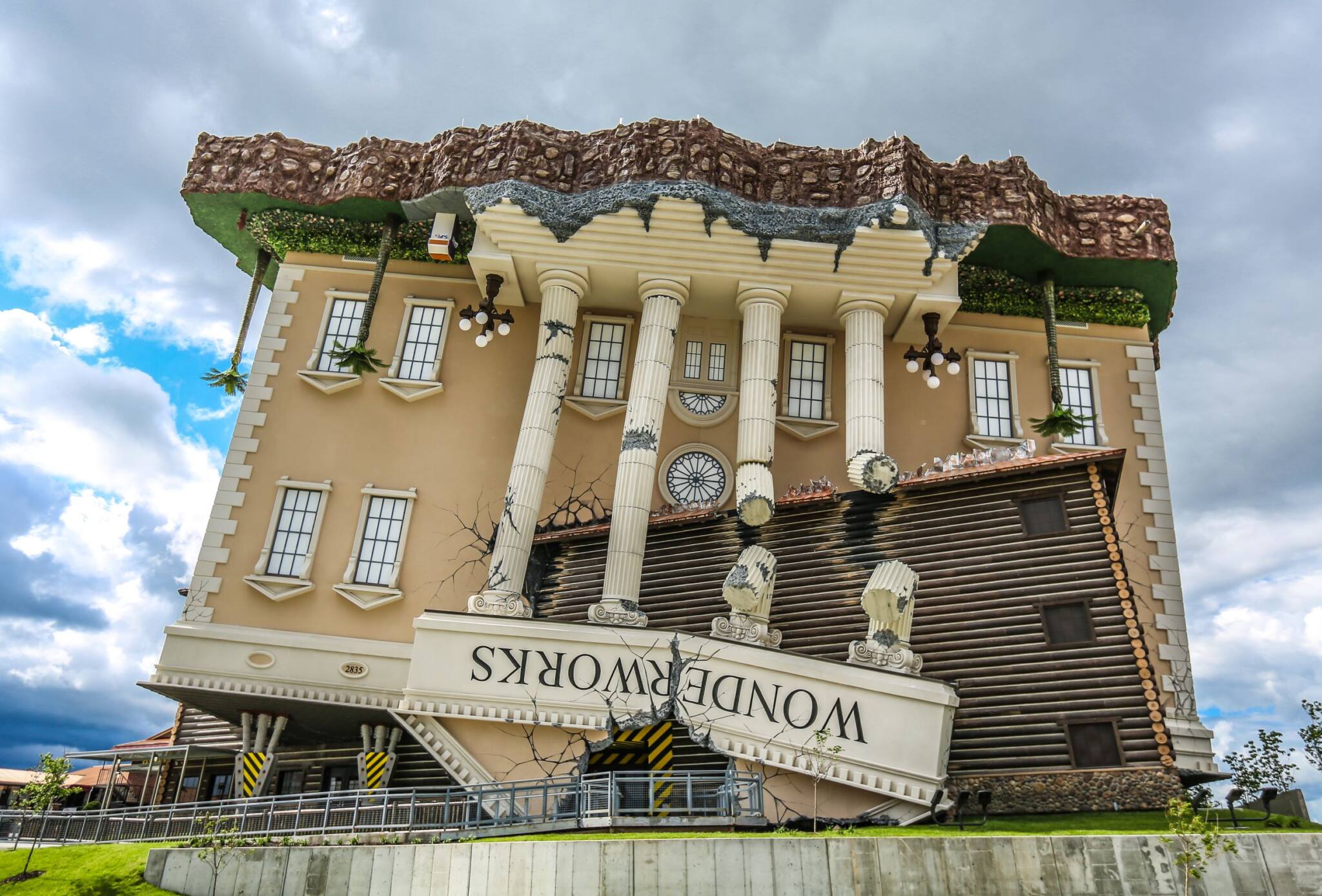
WonderWorks in Orlando Uses Conventional Steel and Concrete Structure to Support 4 Floors While the Inverted Facade Creates an Illusion of Collapse.
At first glance, the building seems to violate any logic of civil construction. “Hanging” columns, a roof on the ground, inverted windows, and architectural elements that suggest imminent collapse. However, behind the chaotic appearance lies a perfectly conventional construction from a structural point of view.
The building houses WonderWorks in Orlando, Florida, a tourist attraction designed to create visual strangeness without compromising safety, stability, or structural performance.
The Real Numbers of the Construction
The building has 4 floors, with approximately 7,600 m² of built area (about 82,000 square feet). All this mass is supported by a traditional steel and concrete structure, sized according to U.S. standards for load, wind, and safety.
-
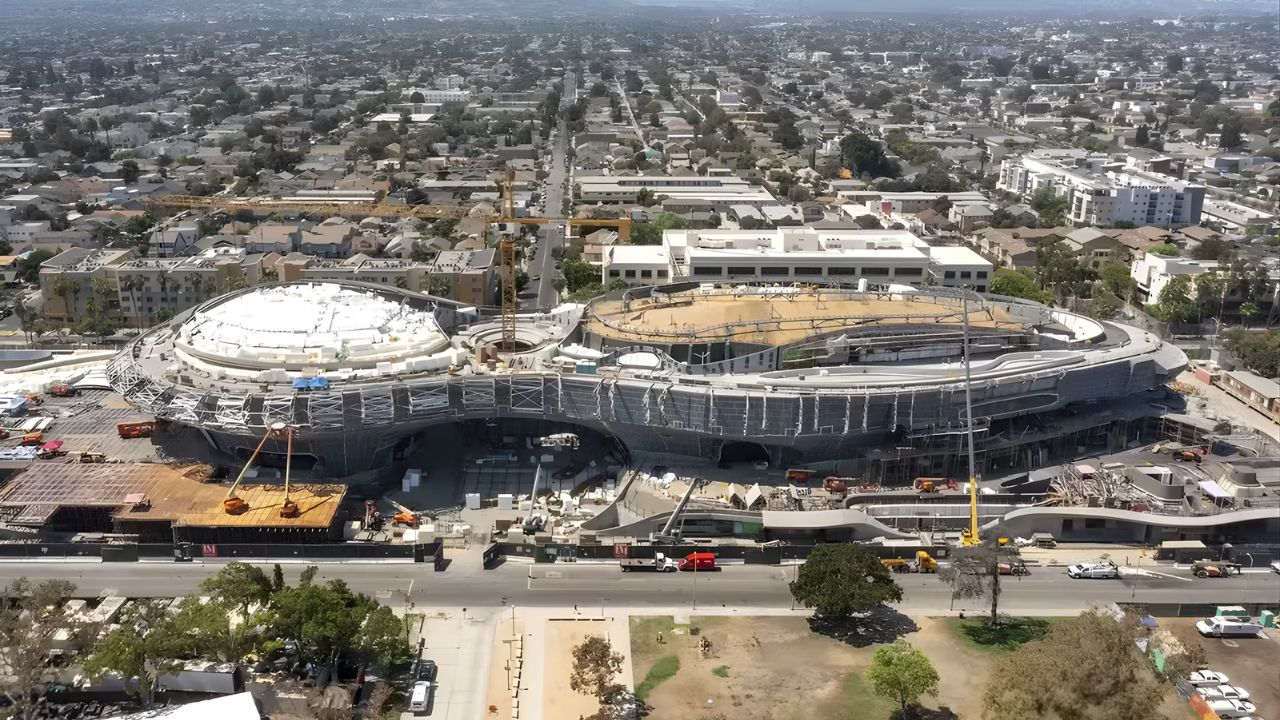
Created by George Lucas with over $1 billion, a futuristic museum in the shape of a spaceship with 1,500 curved panels is about to open in Los Angeles and will house one of the largest private collections of narrative art in the world.
-
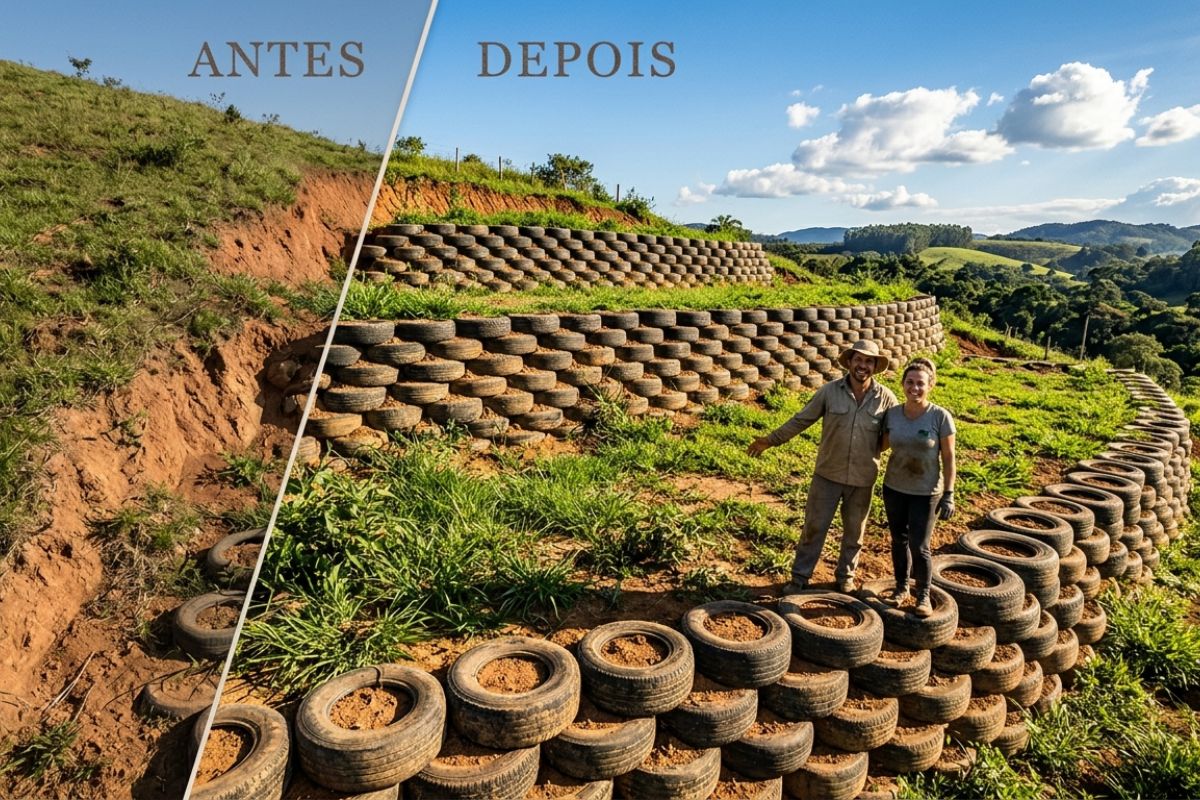
Couple shows how they built a retaining wall on their property using 400 old tires: sloped land turned into plateaus, tires are aligned, filled, and compacted with layers of soil, with grass helping in support and at almost zero cost.
-
Engineer explains drainage during the rainy season: the difference between surface water and deep water, ditches, gutters, and water outlets on the road, as well as drains and drainage mattresses, to prevent erosion, aquaplaning, and flooding at the construction site today.

-
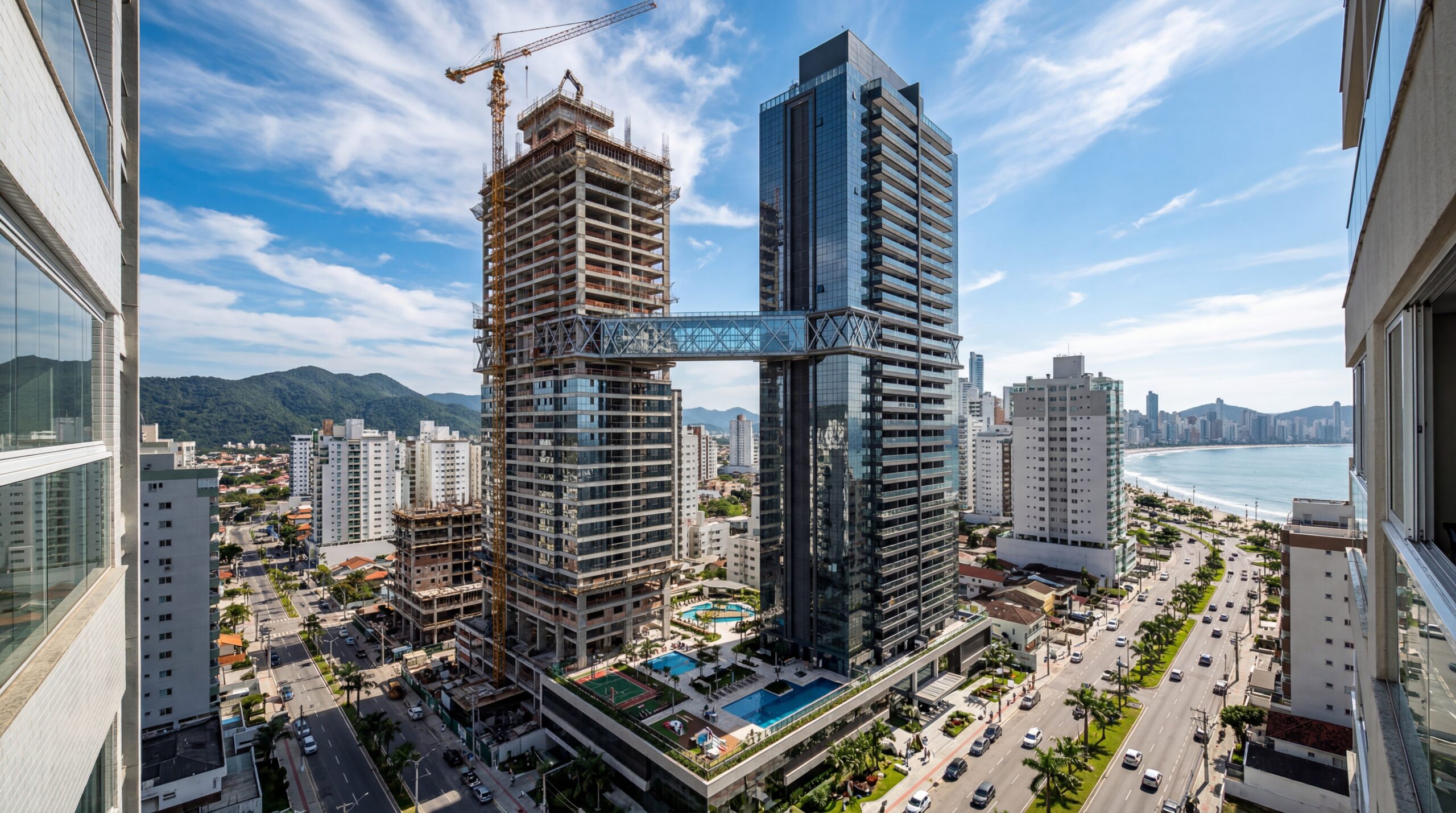
With 55 floors, 177 meters in height, a 15-meter walkway between the twin towers, ventilated facade, and 6,300 m² of leisure space, Ápice Towers already has one tower completed and another nearly at the top.
Nothing about the structural behavior of the building is inverted. What is upside down is just the scenic facade.


The Structure that Really Supports the Building
The framework of WonderWorks follows the logic of any modern commercial building. Vertical columns, properly positioned beams, supported slabs, and conventional foundations distributing loads to the ground.
These structural elements are completely hidden behind the inverted facade. The real structure supports:
- the building’s own weight,
- the live load from visitors,
- typical wind actions of Florida,
- as well as permanent loads from installations and internal equipment.
None of this depends on the “inverted” facade.
The Inverted Facade: Scenic Engineering, Not Structural
The appearance of an upside-down building is created by a non-structural scenic facade, fixed to the main structure. Roofs, eaves, windows, exposed columns, and even details that simulate breakage are lightweight elements, made with materials designed not to assume load-bearing function.
These components are anchored to the real building as cladding, functioning similarly to a common architectural facade — just with inverted orientation.
Why the Building Doesn’t “Fall” Despite the Appearance
The most common mistake is to imagine that the building is actually inverted or hanging. This is not the case at any point. The center of gravity of the building remains where it should be, directly aligned with the foundations.
The visual illusion is created because the brain associates roofs, columns, and windows with structural functions, when, in this case, they are merely visual elements.
From an engineering perspective, the building behaves like any other commercial building in the region.
Foundations and Stability
The foundations of WonderWorks are designed to support normal loads of a building of this size. There are no inverted forces, abnormal tension, or exotic solutions in the soil.
The whole concept of “building ripped from the ground” is purely aesthetic. The structural base is solid, continuous, and invisible to those observing from the outside.

Safety, Standards, and Public Use
As a building open to the public, WonderWorks strictly follows structural safety, fire, evacuation, and accessibility standards. Stairs, elevators, escape routes, and emergency systems are positioned in a conventional manner.
The building can accommodate large flows of visitors without any additional risks arising from the inverted design.
When Engineering Works to Deceive the Senses
WonderWorks is a clear example of how civil engineering can be used not only to support buildings but also to create controlled visual experiences. The structure fulfills its technical role while the scenic architecture creates a sense of error, collapse, or impossibility.
It is not a “crazy” construction. It is a precisely calculated construction to appear crazy.
A Common Building on the Inside, Extraordinary on the Outside
Behind the inverted facade lies an absolutely normal building: straight columns, horizontal slabs, and well-distributed loads. What makes it famous is not the structure, but the way it is hidden.
This contrast between conservative engineering and extreme appearance is precisely what makes WonderWorks a striking curiosity in civil construction.
When the Illusion Only Works Because the Engineering is Correct
If the structure were not conventional, the illusion would not work. It is precisely the respect for the basic rules of engineering that allows the building to “play” with human perception without risks.
In the end, WonderWorks proves that in civil construction, not everything that seems an error is a flaw — sometimes it is just well-applied engineering to deceive the eye.









-

-

-

4 pessoas reagiram a isso.