





 Portuguese
  English
  Spanish
  4 min of reading
  0 comments


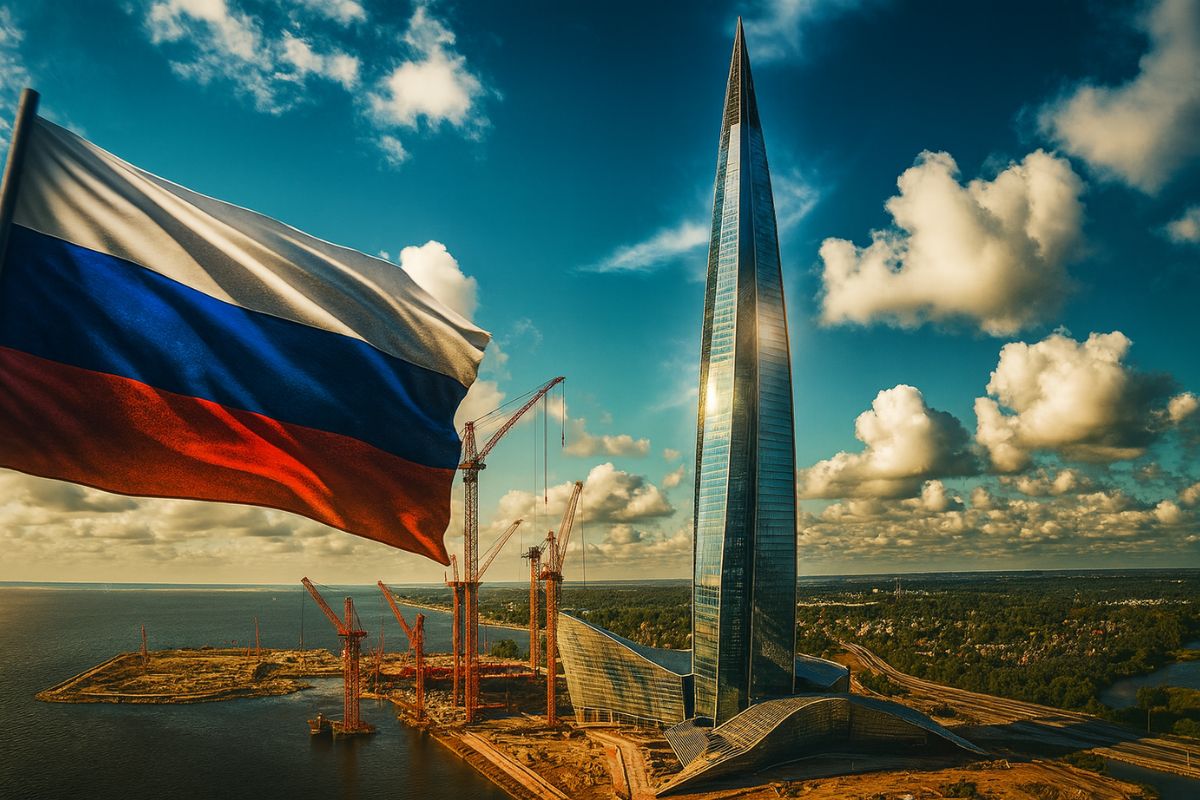
The Tallest Building In Europe Is The Lakhta Centre, In Russia, With 462 Meters In Height, 87 Floors And A Facade Of 16,505 Glass Panels That Spirals And Changes Color According To The Daylight
The tallest building in Europe rises on the coast of the Gulf of Finland, in Saint Petersburg. The Lakhta Centre totals 462 meters and 87 floors, with a glass skin that spirals from the ground to the top. The facade, made up of 16,505 panels, reflects the sky and creates the effect of a moving iceberg, while the aerodynamic shape was tested in a wind tunnel to withstand sea gusts.
Designed to be the headquarters of Gazprom and a multifunctional complex with offices, an observation deck, shops, restaurants, and an amphitheater for 2,000 people, the skyscraper has become a new hub outside the historic center. The urban proposal is to decentralize development, bringing investment and infrastructure to the coastal area.
Where It Is And Why It Matters
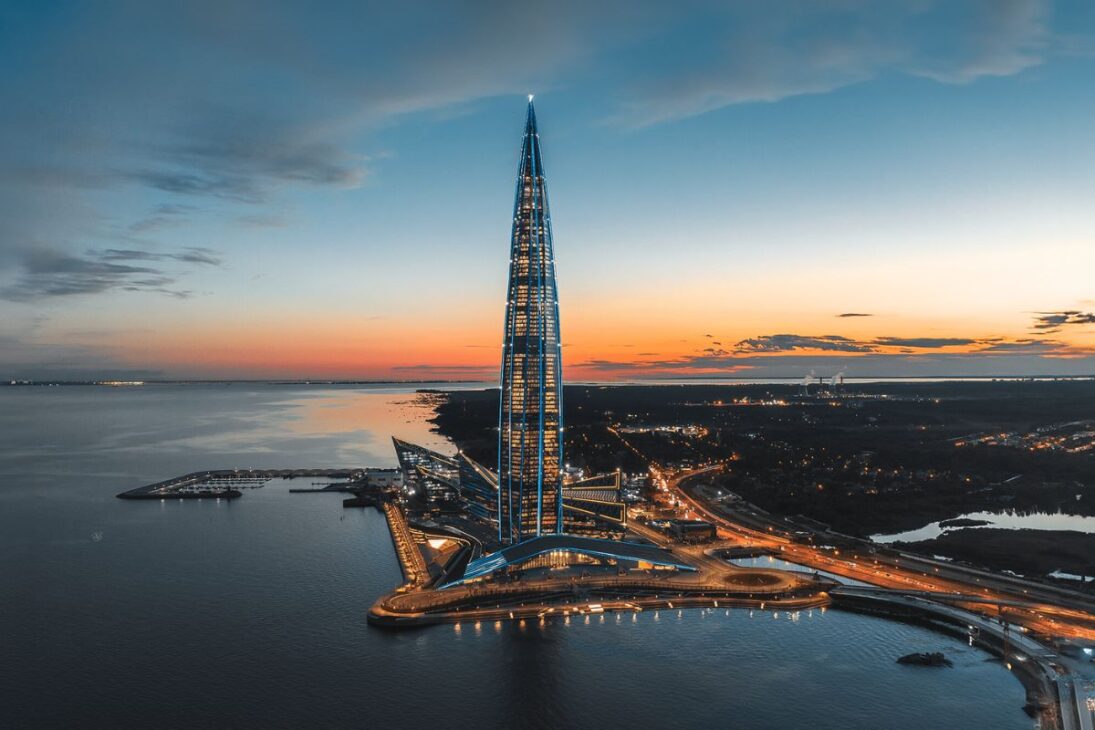
Located in Saint Petersburg, the Lakhta Centre represents the city’s modern expansion to the coastline.
-
Material present in millions of kitchens raises global alarm after causing severe lung disease and leading to multimillion-dollar lawsuits in the United States.
-
A person became a millionaire with just a 10-hour video of a lit fireplace on YouTube.

-
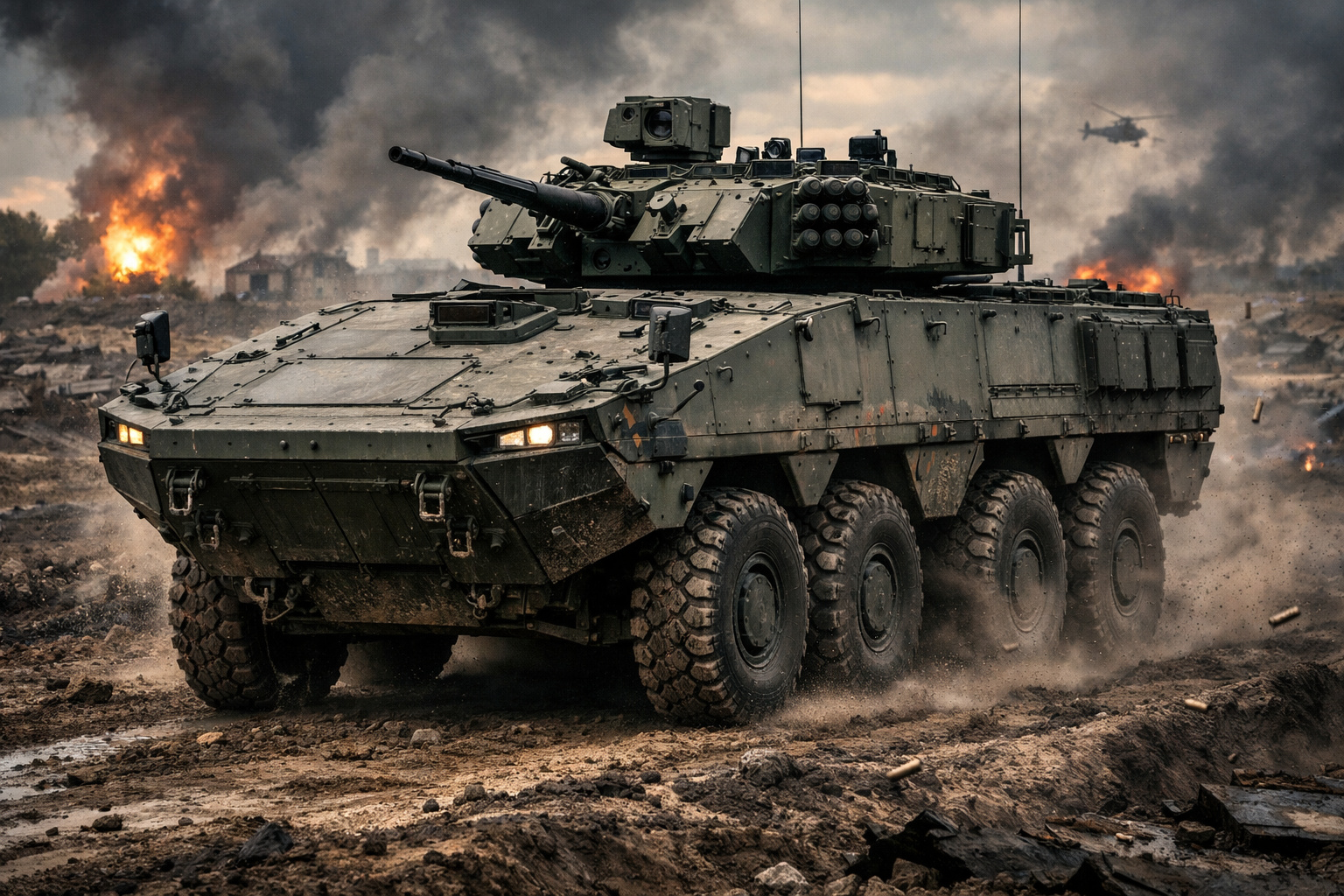
The Finnish armored vehicle Patria AMV 8×8 with eight wheels stands out with mine protection, advanced armor, modular design, and high mobility in military operations that redefine modern combat.
-
Workers manually excavate 6 million kilograms of ice to open a cave that allows observation of how a glacier is melting from the inside.

The marshy terrain and severe climate required innovative solutions from the foundation to the design of the facade.
The building surpassed the Moscow towers and consolidated Russia as a reference in megatowers in Europe.
More than a status symbol, the construction serves as a vector for urban development, attracting tourism, technology, and services to an area that was previously predominantly industrial.
The Glass Spiral And The Iceberg Effect
The spiral shape is the most striking element of the design. The facade rotates 90 degrees from the base to the top, inspired by lighthouses and medieval towers.
To create the visual movement, 16,505 cold-curved glass panels were used, a technique that allows the material to be shaped without intense heat, ensuring precision and lower environmental impact.
This facade is not just aesthetic: it reduces wind load and helps in the thermal regulation of the building.
Smart windows adjust to solar incidence, and the double glass layer creates natural insulation, reducing the need for air conditioning and artificial lighting.
Engineering Foundations In Challenging Soil
Built on an area of marsh and sand, the skyscraper required piles of up to 82 meters deep, a record for this type of foundation.
The system ensures stability against settlements and vibrations even in unstable terrain.
The engineers tested scaled models in high-precision wind tunnels, adjusting the design to handle the conditions of the Gulf of Finland.
Every 14 floors have technical levels that distribute impacts and absorb vibrations, reinforcing structural safety.
Sustainability And Technology
The Lakhta Centre achieved LEED Platinum environmental certification, the highest recognition for energy efficiency.
The project includes natural ventilation systems, rainwater reuse, and intelligent automation that regulates temperature and lighting according to external conditions.
The tower also houses nine internal vertical gardens, which serve as communal areas and contribute to air purification.
Sustainability has been considered from conception to operation, reducing costs and environmental footprint.
Structure, Functions And Operation
With 163,000 square meters of office space and a total built area of over 400,000 m², the building houses corporate spaces, cultural and leisure areas.
The elevators reach speeds of 10 meters per second, connecting the 87 floors and the panoramic observation deck located at 357 meters in height.
In addition to Gazprom’s headquarters, there are shops, restaurants, and an amphitheater for events, which transform the building into a self-sustaining ecosystem.
The goal is to integrate business and public, making the complex a tourist and business destination at the same time.
Costs And Timeline
Construction began in 2012 and ended in 2018, with interior finishes completed in the following years.
The total investment was estimated between US$ 1.6 billion and 1.77 billion, largely financed by the administration of the city of Saint Petersburg and Gazprom itself.
Despite the high cost, the project is considered economically viable in the long term, as energy efficiency and the use of highly durable materials reduce operational expenses and increase property value in the region.
Records And Curiosities Of The Work
During construction, the Lakhta Centre entered the Guinness World Records for the largest continuous pouring of concrete in the world, pouring more than 19,000 cubic meters of concrete in 49 hours.
For this, trucks from 13 different plants made 2,540 uninterrupted trips.
Another highlight is the largest cold-curved facade on the planet, covering 130,000 m² and assembled in record time, even with temperatures below zero.
The building has also been awarded for innovation in facade engineering and sustainable design, consolidating its position among the most technologically advanced skyscrapers in the world.





Seja o primeiro a reagir!