





 Portuguese
  English
  Spanish
 5 min of reading
  0 comments


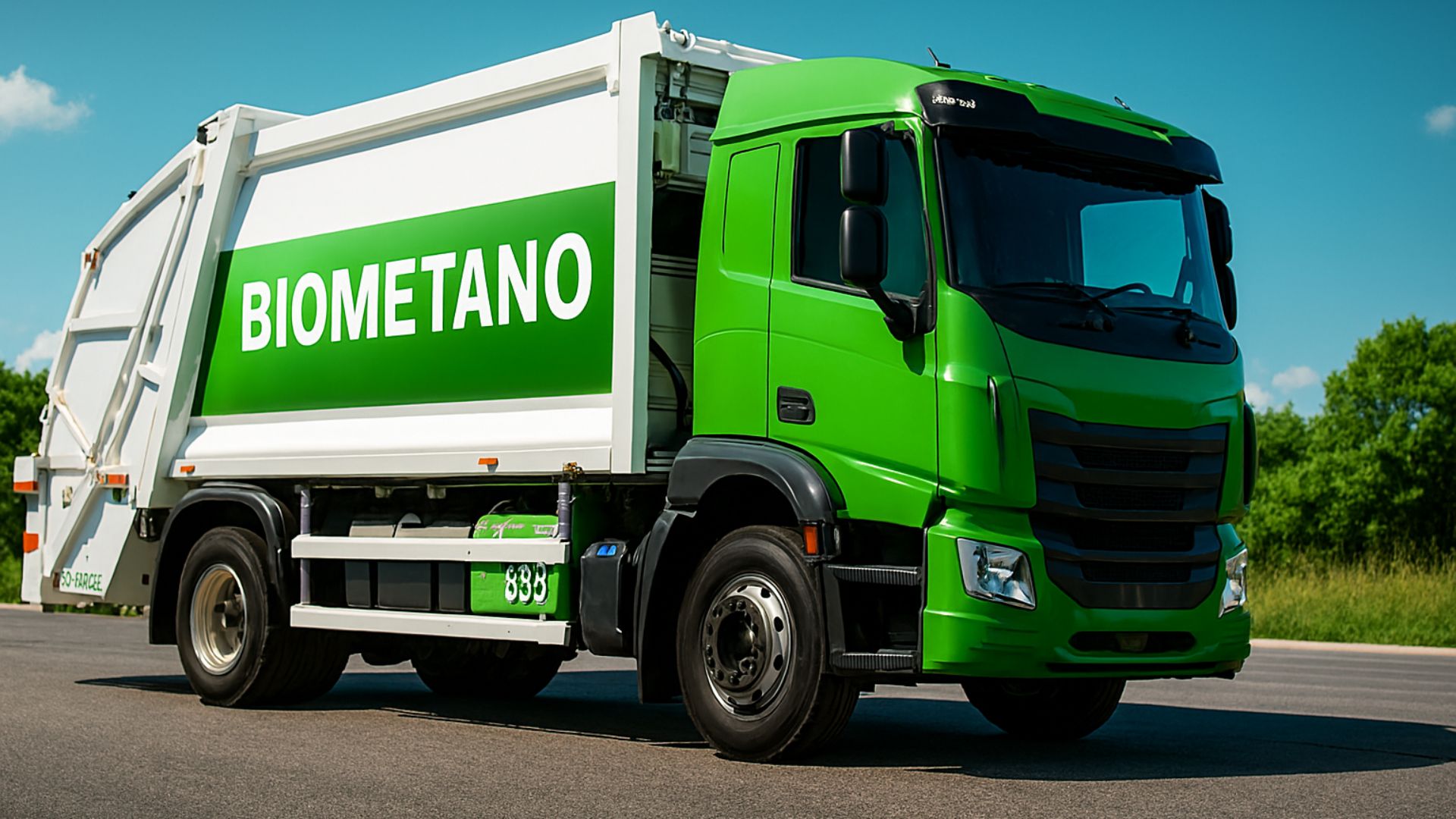
São Paulo Advances in Sustainability with Biogas Trucks in Household Waste Collection, Promoting Efficiency and Accelerating the Energy Transition in the City
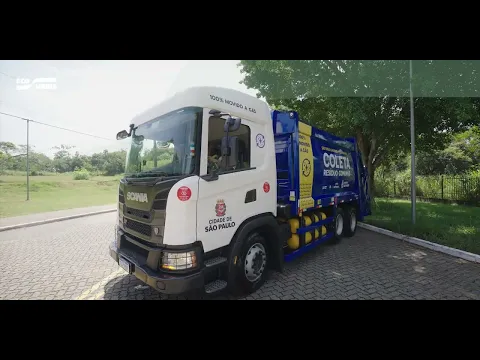
The City Hall of São Paulo has taken another step towards sustainability by incorporating 22 new garbage collection trucks powered by biogas and compressed natural gas (CNG).
According to data from the ABC portal on Tuesday (7), the delivery of the vehicles took place as part of a strategy to reduce pollutant gas emissions and modernize urban infrastructure. The information was also shared by the Social Media of the Mayor of São Paulo, Ricardo Nunes.
Mechanized Waste Collection Gains Efficiency and Sustainability
The trucks are operated by the concessionaire Ecourbis Ambiental, responsible for collection in neighborhoods of 19 of the 32 municipal districts of the capital, covering the South and East zones.
-
Revolution in the sugar-energy sector: Government sets new target for biomethane and paves the way for ethanol plants to profit from the conversion of waste into renewable fuel.
-
Brazil bets on biomethane, ethanol, and hydrogen as the definitive solutions for the decarbonization of heavy vehicles and the reduction of emissions in cargo transportation.
-
The biodiesel industry is pressuring the government for a simplified test to increase the blend with diesel and highlights the potential to attract investments, accelerate production, and consolidate Brazil’s leadership in biofuels.

-
Brazil accelerates hydrogen and biofuel projects to consolidate the fuel of the future and reduce dependence on oil by 2026.
The initiative is part of a broader plan that aims to incorporate 100 biogas-powered trucks by October 2025. The replacement of diesel vehicles with sustainable models is a concrete measure to improve air quality in São Paulo.
The mechanized collection of household waste is carried out by trucks with a side-loading system, which allows for greater agility, safety, and efficiency in the operation. With the new fleet, Ecourbis Ambiental expands its service capacity, also including the transport of recyclable materials and waste from health services.
In addition to the trucks, electric quadricycles were presented, compact vehicles that will be used in hard-to-reach areas where conventional trucks cannot operate. This solution ensures that peripheral areas are also served with quality and regularity. Mechanized waste collection becomes more accessible and environmentally responsible with the use of clean vehicles.
Energy Transition: São Paulo Leads with Concrete Actions
The energy transition promoted by the City Hall of São Paulo is not limited to garbage collection. Mayor Ricardo Nunes highlighted that the city is also replacing diesel buses with electric models and incorporating sustainable vehicles into the Metropolitan Civil Guard.
According to João Manoel, CEO of SP Regula, the goal is for the entire collection fleet to consist of vehicles powered by clean energy. This strategy aligns with the Sustainable Development Goals (SDGs) of the UN, particularly those addressing sustainable cities and action against climate change.
Impact of the New Fleet of Biogas-Powered Trucks in São Paulo
The replacement of diesel trucks with biogas and CNG-powered models represents a significant reduction in atmospheric pollutant emissions. According to City Hall data, the monthly fuel savings will be 65,000 liters of diesel fuel, which will prevent the emission of:
- 161 tons of carbon dioxide (CO₂)
- 1.3 tons of nitrogen oxides (NOx)
- 0.2 tons of sulfur dioxide (SO₂)
- 0.3 tons of hydrocarbons (HC)
- 1.6 tons of carbon monoxide (CO)
These figures highlight the positive impact of the measure on public health and the urban environment. The reduction of CO₂ is equivalent to removing 430 passenger vehicles from the streets or the energy consumed by 1,100 households for a year. The new fleet directly contributes to improved air quality and combating climate change.
Biogas-Powered Trucks: Clean Technology and Circular Economy
The new trucks are fueled with biogas produced at the city’s own landfills. This gas is generated from the decomposition of organic waste, promoting circular economy and resource recovery.
In addition to reducing dependence on fossil fuels, the use of biogas strengthens integrated waste and energy management. The technology used in the trucks allows for silent operation, lower noise emissions, and increased durability of the equipment. Technological innovation drives mechanized waste collection with a focus on sustainability.

Strategic Planning and Future Goals of the City Hall of São Paulo
The fleet renewal is part of a strategic planning aimed at making São Paulo a cleaner, more efficient, and resilient city. The goal is that by the end of 2025, the entire collection fleet will consist of vehicles powered by clean energy.
The City Hall is also investing in awareness campaigns about proper waste disposal, expanding selective collection, and modernizing sorting centers.
These actions complement the technical effort with social engagement and environmental education. Efficient public management combines technological innovation with citizen participation.
Social and Economic Benefits of the Energy Transition
In addition to environmental gains, the energy transition brings social and economic benefits. The reduction of pollutants contributes to a decrease in respiratory diseases, improves the quality of life of the population, and reduces public health expenses.
From an economic perspective, the annual fuel savings will be 780,000 liters of diesel fuel, representing a reduction of 2,059 tons of CO₂. This savings can be reinvested in other priority areas such as education, mobility, and infrastructure.
Initiative in São Paulo: Pathways to Replicate the Model in Other Cities
The experience of the City Hall of São Paulo with mechanized waste collection using biogas-powered trucks can serve as a model for other Brazilian cities. The adoption of clean technologies and the integration of waste management and energy production are replicable and scalable practices.
For this, investment in infrastructure, technical training, and public-private partnerships is necessary. Support from regulatory agencies and the creation of tax incentives are also fundamental to enable large-scale energy transition.
Urban Sustainability as a Legacy for Future Generations
The initiative of the City Hall of São Paulo to invest in biogas-powered trucks for mechanized waste collection represents more than a technological innovation. It is a commitment to the future of the city and the upcoming generations.
By promoting the energy transition with concrete actions, real data, and ambitious goals, São Paulo establishes itself as a reference in urban sustainability. The city shows that it is possible to reconcile development with environmental responsibility, creating a model that can inspire other cities in Brazil and around the world.







Seja o primeiro a reagir!