





 Portuguese
  English
  Spanish
 4 min of reading
  0 comments


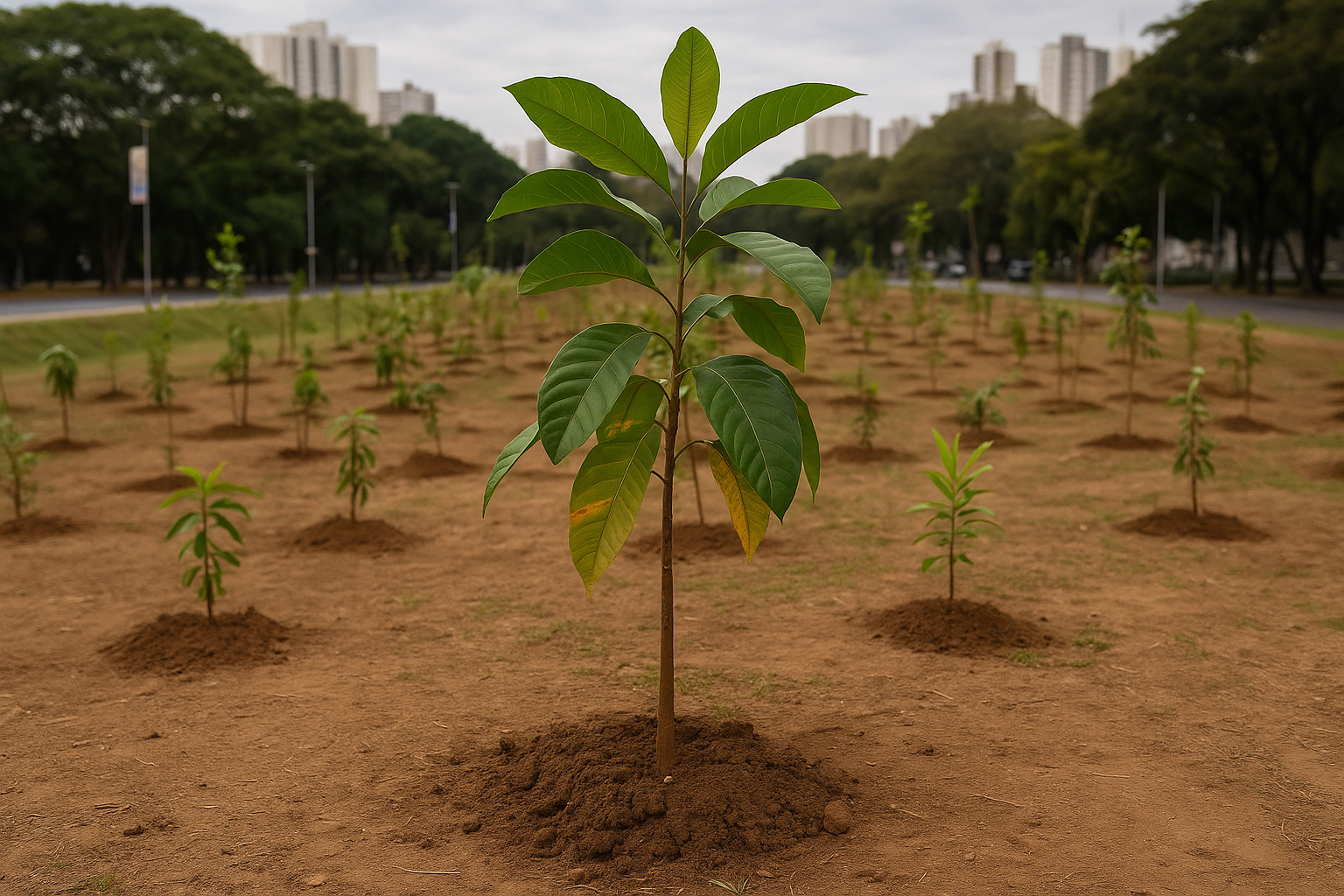
One Thousand Trees Were Planted in the Andorinha Urban Forest in October, but Experts Point Out Species Incompatible with the Climate and Biomes of São Paulo
An environmental action of great repercussion took place in October 2024, when the City Hall of São Paulo announced the planting of one thousand trees in the future Andorinha Urban Forest, located in Praça Altemar Dutra, in Ipiranga, south zone of the capital.
However, the initiative led by the Municipal Secretary of Green and the Environment (SVMA) generated controversy. The list of species presented by the secretary includes trees that, according to experts, do not belong to the local biomes — Atlantic Forest and Cerrado — and may compromise the ecological balance of the region.
According to the Metrópoles portal, the document includes both suitable species, such as canjarana, canafístula, capixingui, embira-de-sapo, and guarantã, as well as species typical of the Amazon and Pantanal, such as Clitoria fairchildiana, Swietenia macrophylla, and Lophanthera lactescens. These trees depend on heavy rains and cannot withstand the cold characteristic of São Paulo’s climate.
-
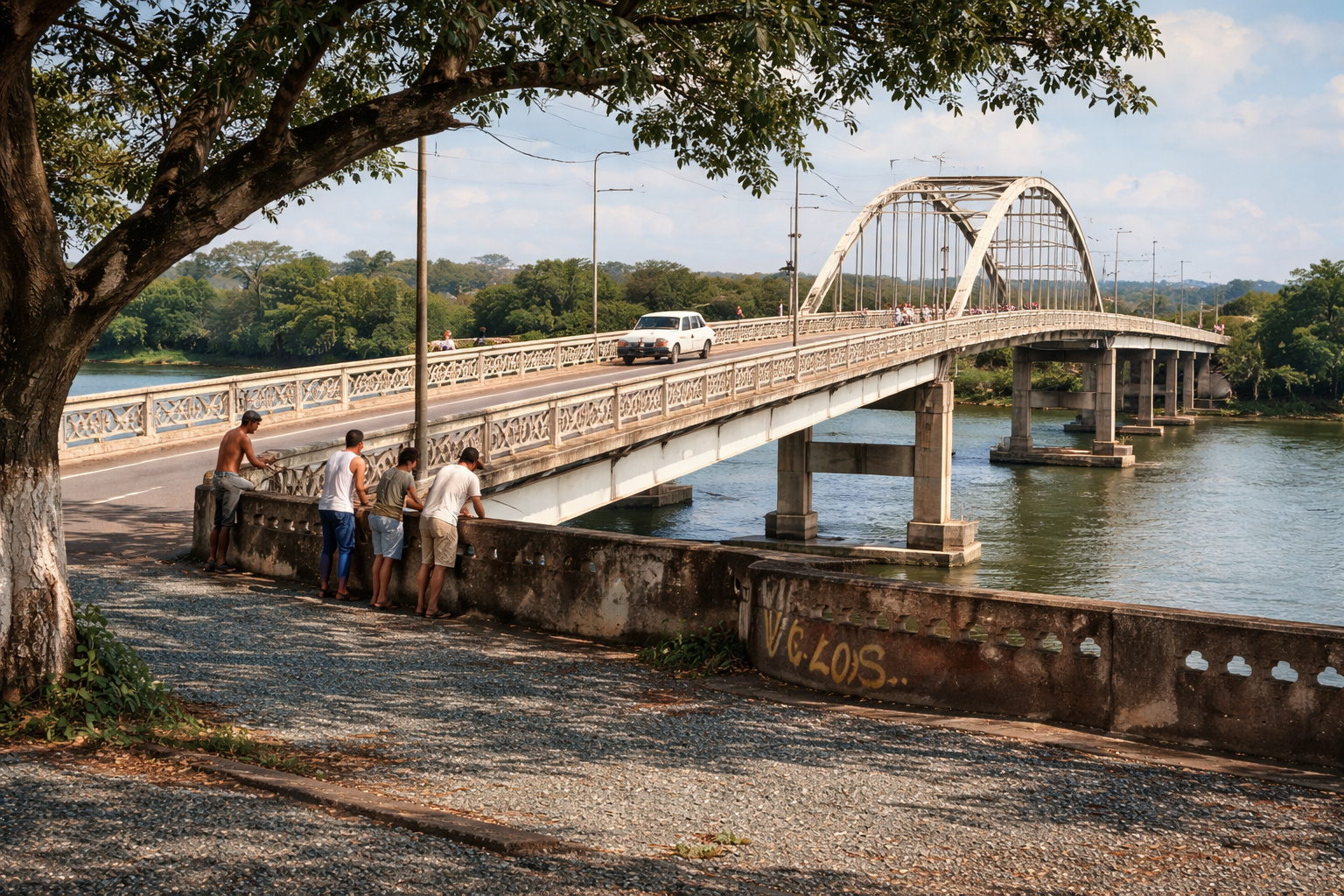
Families have been living for over 30 years under a bridge in Mato Grosso, revealing a housing deficit, irregular occupation in APP, and dependence on fishing as the main source of income.
-
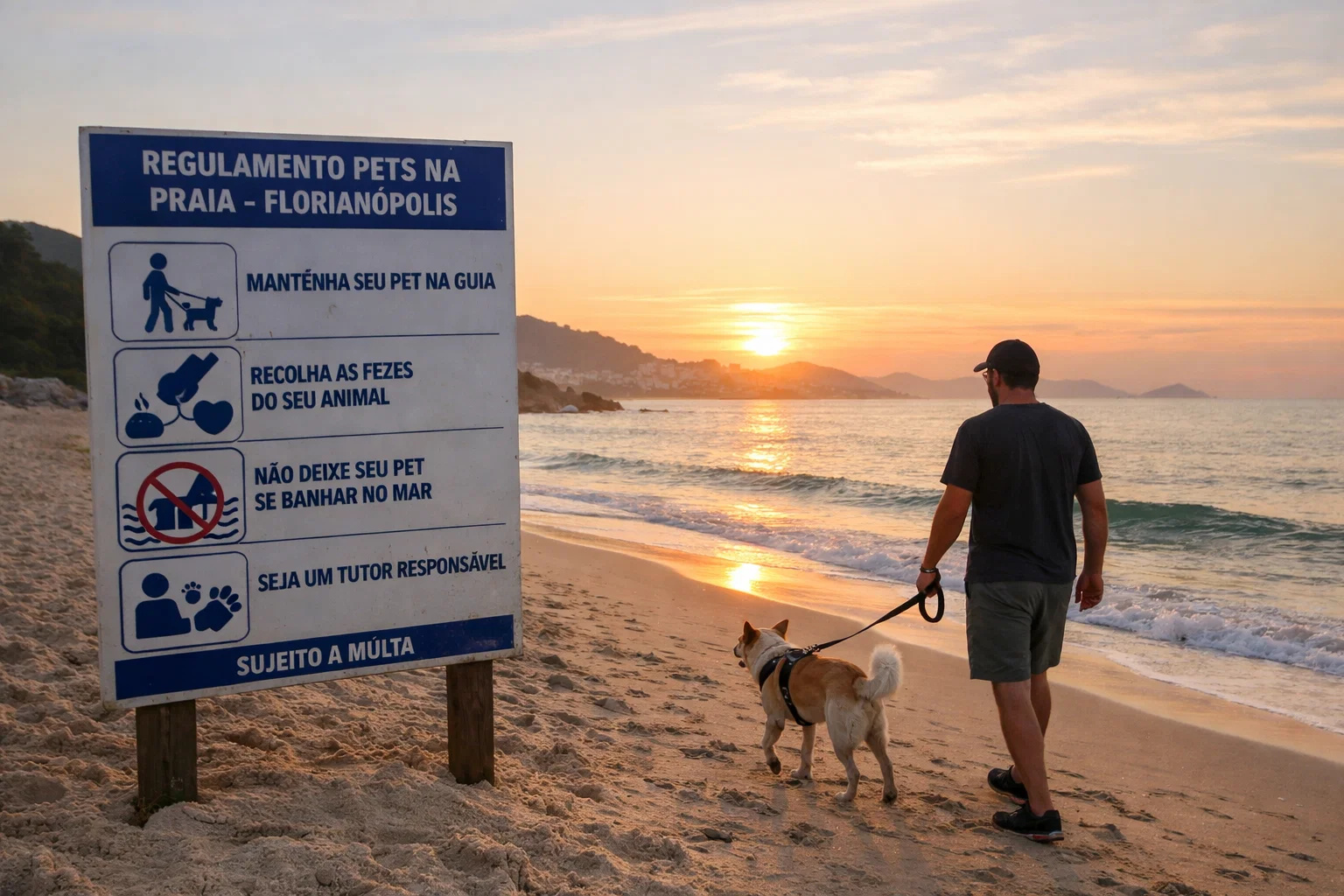
What Changed at Florianópolis Beaches? New Rule Surprises Pet Owners and Restricts Dogs on the Sand at Specific Times
-
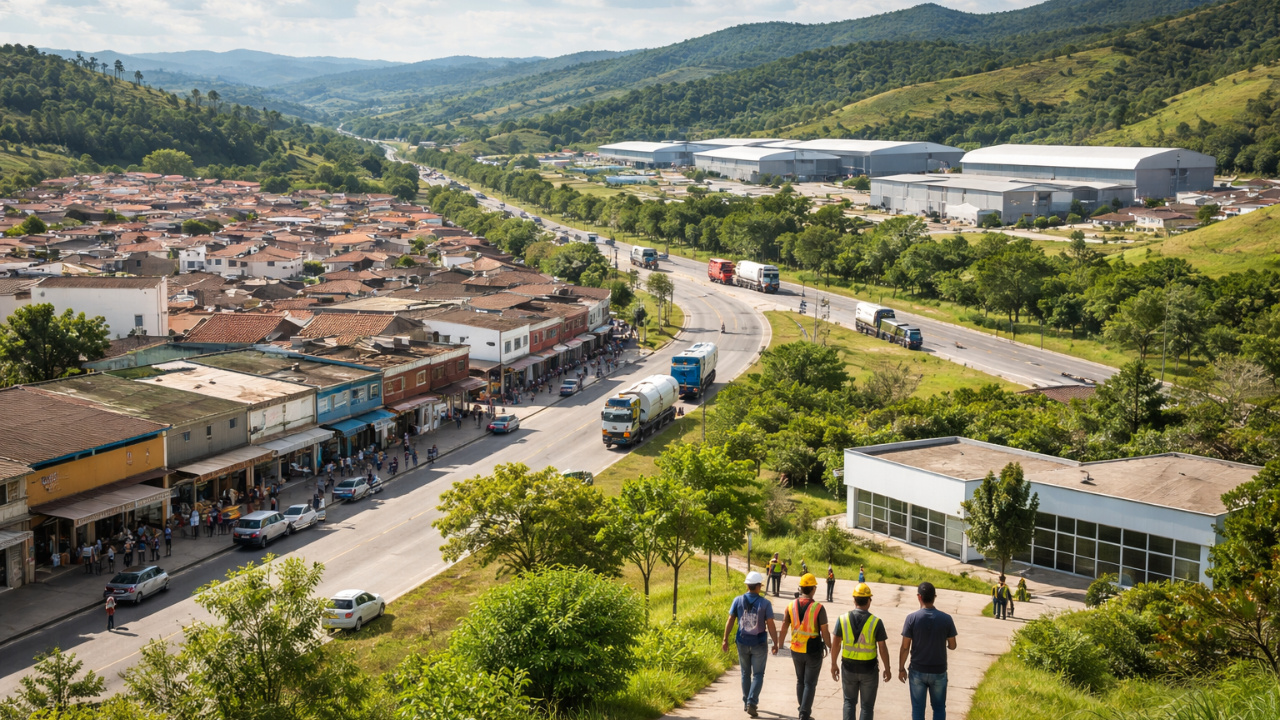
Economic Diversification Accelerates in Itatiaiuçu to Reduce Mining Dependence
-
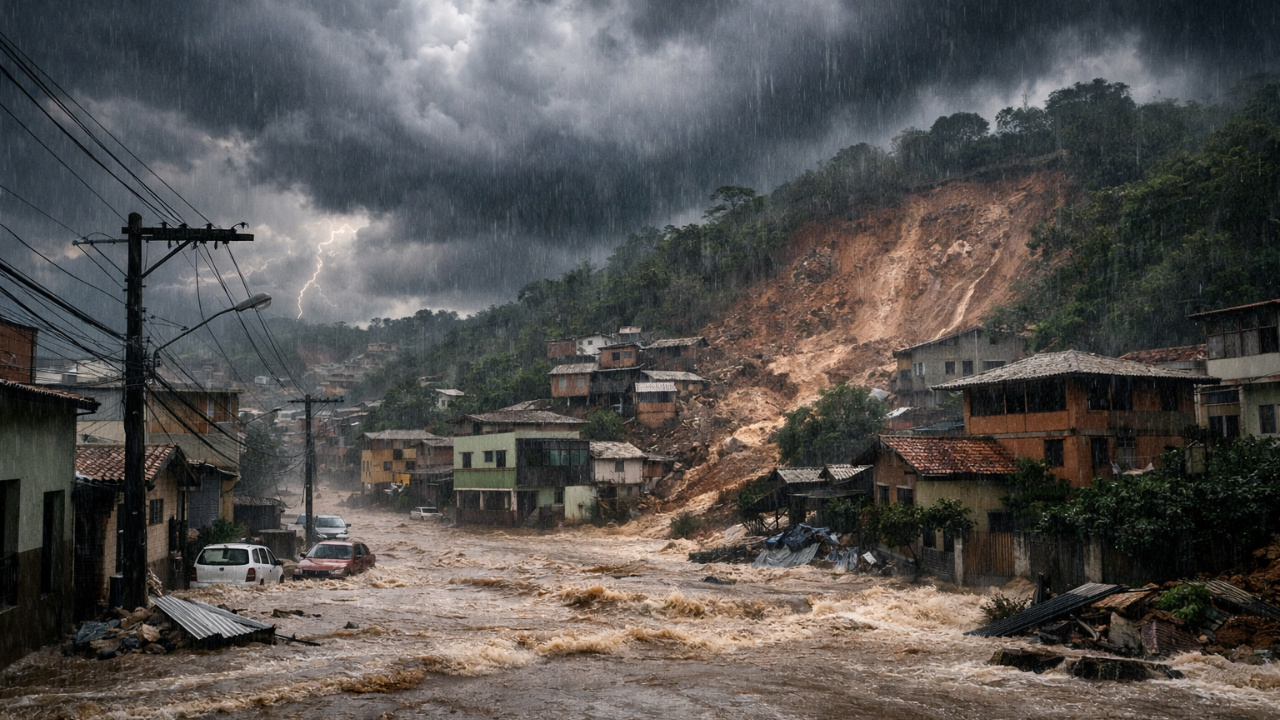
Extreme Rains: Cold Front, Supercell, and Atmospheric Trough Cause Tragedy in MG

Technical Analysis Points Out Ecological and Climatic Errors
Professor Gregório Ceccantini, from the Institute of Biosciences at USP, classified the choice of species as a serious technical error.
“São Paulo has a well-defined dry season. Trees from the Amazon require constant rain and cannot tolerate frost. Additionally, there is a lack of suitable pollinators in the region,” the expert explained.
Ceccantini also emphasized that the jequitibá-vermelho (Cariniana rubra), of Amazon origin and gigantic size, does not fit urban areas. He also mentioned species from Goiás Cerrado, such as guariroba (Syagrus oleraceae), and from the Mato Grosso region, such as aroeira (Astronium graveolens), which do not adapt well to the soil of São Paulo.
Invasive Species and Presence of Fire Ants Worry Experts
In addition to poorly adapted species, some attract aggressive insects, such as Triplaris americana (novateiro) and Cecropia pachystachya, which harbor fire ants.
“Imagine an urban forest with children playing and trees covered in ant nests,” warned Ceccantini.
Landscape architect Pam Faccin highlighted another problem: the uncontrolled proliferation of certain species, which reduces biodiversity and disrupts the ecosystem. According to her, the incorrect planting alters the soil, eliminates habitats, increases the risk of erosion, and favors fires and floods.
Lack of Suitable Seedlings Creates Structural Challenge
The scarcity of native seedlings in the required standard represents another obstacle. According to Ceccantini, the municipal nurseries in Ibirapuera and Cotia do not produce the necessary volume to meet the city’s needs.
For this reason, the City Hall buys seedlings or receives donations from environmental compensation, often outside of ideal standards — with less than 2 meters in height and diameter less than 5 centimeters.
For the expert, this bottleneck explains part of the observed failures, but does not justify the inadequate choice of species.
São Paulo + Green Program and Official Goals
The action is part of the São Paulo + Green program, which in October 2024 had already accounted for over 100,000 trees planted.
The SVMA aims to reach 120,000 seedlings by the end of 2025. In just the ten completed urban forests, there are 6,300 trees.
The mayor Ricardo Nunes (MDB) participated in the action in Ipiranga and highlighted the popular involvement: “Planting with community support reinforces the city’s environmental commitment,” he said.
Official Response and Legal Basis of the Project
In a statement, the SVMA asserted that it selected the species based on technical analysis and according to ordinances nº 39/SVMA/2024 and nº 26/SVMA/2024, which regulate the Municipal Urban Arborization Plan (PMAU).
The secretary informed that the goal is to preserve biodiversity, provide food for local fauna, and maintain ecological balance. The project, according to the department, follows legal guidelines and seeks environmental functionality and landscape integration with the surroundings.
Balance Between Green Goal and Environmental Sustainability
Even with the justifications, experts affirm that the hurry to meet numerical goals compromises the ecological quality of urban reforestation.
The case rekindles the debate about environmental planning in large tropical cities: is it enough to plant more, or is it necessary to plant right?
In the face of the climate crisis and the urgency for efficient urban reforestation, São Paulo faces the challenge of balancing quantity, quality, and sustainability.
After all, how to achieve the goal of 120,000 trees by 2025 without worsening the environmental imbalance that the city itself is trying to combat?









-

Uma pessoa reagiu a isso.