





 Portuguese
  English
  Spanish
  3 min of reading
  0 comments


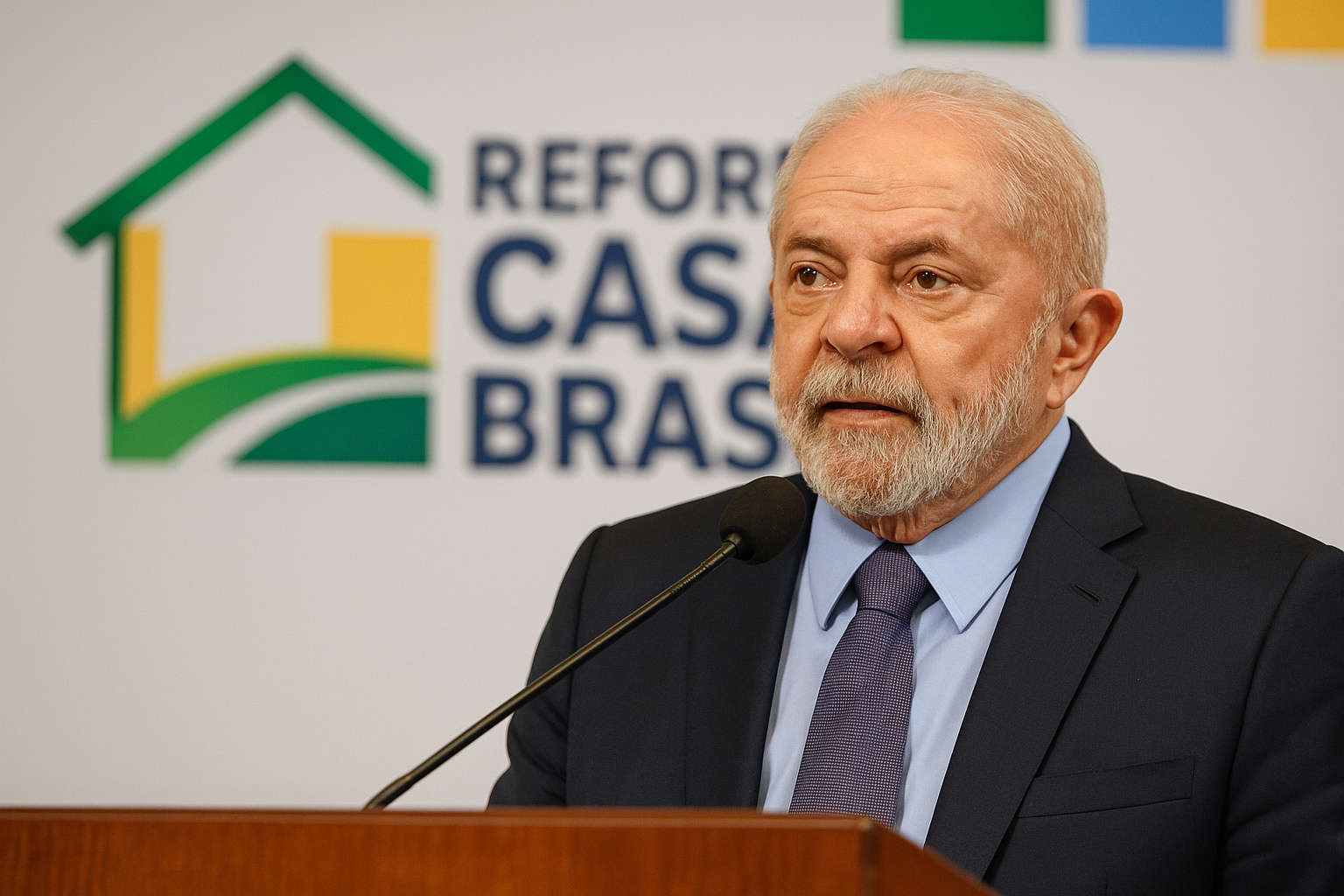
New Program Launched by Lula Offers Credit Starting at 1.17% Per Month and Aims to Move the Construction Sector and Generate Jobs.
The federal government officially launched on October 20, 2025 the Reforma Casa Brasil program, an initiative that aims to boost the economy and expand access to housing credit. President Luiz Inácio Lula da Silva presented the project alongside representatives from Caixa Econômica Federal, responsible for executing the financial operations.
With it, the government plans to inject R$ 40 billion into the economy and strengthen the construction sector, generating jobs, income, and regional development.
According to Caixa, the measure will increase demand for construction materials, stimulate small works, and promote social inclusion without compromising economic stability.
-
Mothers and daughters come together, create an ‘express’ beauty salon and turn the idea into a network with 21 units, revenue of R$ 16.7 million and 12,000 subscribers.

-
End of the 6×1 schedule: how the reduction of hours can affect service companies, industry, and agribusiness.

-
Brazil Ignores Trump’s threats to BRICS, Buys 42 tons of gold and reduces the Dollar’s share by 6.45% in international reserves.

-
Havan buys historic football land in Blumenau for a million-dollar amount protected by a confidentiality clause and is already planning to change even the layout of streets to build a megastore in half-timbered style costing 80 million reais.

Program Aims to Democratize Access to Housing Credit
The Reforma Casa Brasil is aimed at families with a monthly income of up to R$ 9,600, living in capitals, metropolitan regions, or cities with more than 300,000 inhabitants.
However, those earning above this amount will also be able to participate, following rules established by Caixa Econômica Federal. The initiative ensures conditions proportional to the income of each family, allowing for fair and transparent access to housing credit.
Moreover, the program reinforces the government’s commitment to reducing social inequalities and strengthening the population’s purchasing power. Thus, credit arrives as a tool to improve quality of life, warm up internal consumption, and stimulate the local economy.
Interest Rates Vary According to Family Income
The interest rates of the program have been defined in a progressive manner, prioritizing lower-income families. Those earning up to R$ 3,200 monthly will pay interest of 1.17% per month, while those earning between R$ 3,200 and R$ 9,600 will pay 1.95% per month. For incomes above R$ 9,600, Caixa will offer customized conditions, with financing starting at R$ 30,000 and terms of up to 15 years.
For example, a family requesting R$ 10,000 will pay installments of R$ 216 monthly for five years, which keeps the cost predictable and accessible. The installments may not exceed 25% of the family income, ensuring financial control and security throughout the contract.
Digital Process and Start of Applications in November
The process for applying for the credit will be 100% digital, which reduces bureaucracy and speeds up service.
The requests can be made starting November 3, 2025, directly through the website or app of Caixa Econômica Federal. The minimum credit amount will be R$ 5,000, which can be used for purchase of materials, hiring labor, or specialized technical services.
In addition, each family may only take out one loan, ensuring a balanced distribution of available resources. The digitization of the process increases transparency, reduces administrative costs, and broadens the program’s reach across the national territory.
Economic and Social Impact Across the Country
The Reforma Casa Brasil consolidates itself as one of the main economic actions of Lula’s administration, according to federal government sources and Caixa Econômica Federal. The initiative is part of a plan for economic and social development that seeks to generate jobs and combat the housing deficit. With low-interest rates and long terms, the program stimulates the formalization of residential works and strengthens the construction sector.
Additionally, the expansion of credit increases internal consumption, drives the production chain, and promotes sustainable growth. Thus, the Reforma Casa Brasil emerges as a landmark of housing policy, balancing economic responsibility, social inclusion, and sustainable urban development.
After all, who doesn’t dream of improving their home without compromising their family budget?








Seja o primeiro a reagir!