





 Portuguese
  English
  Spanish
 5 min of reading
  0 comments


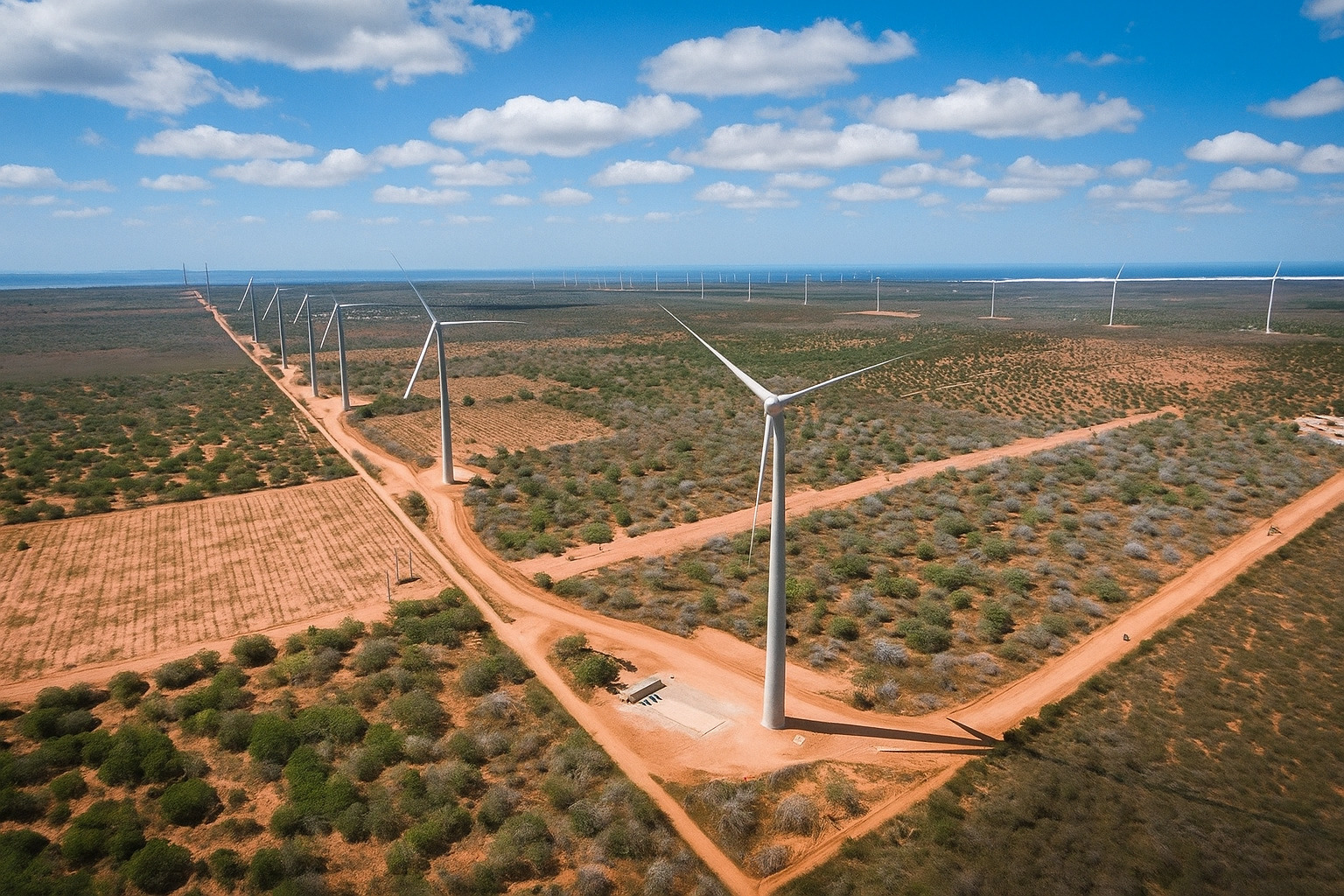
Understand How Renewable Energy Curtailments Cause Billion-Dollar Losses and Impact Clean Generation in Rio Grande do Norte.
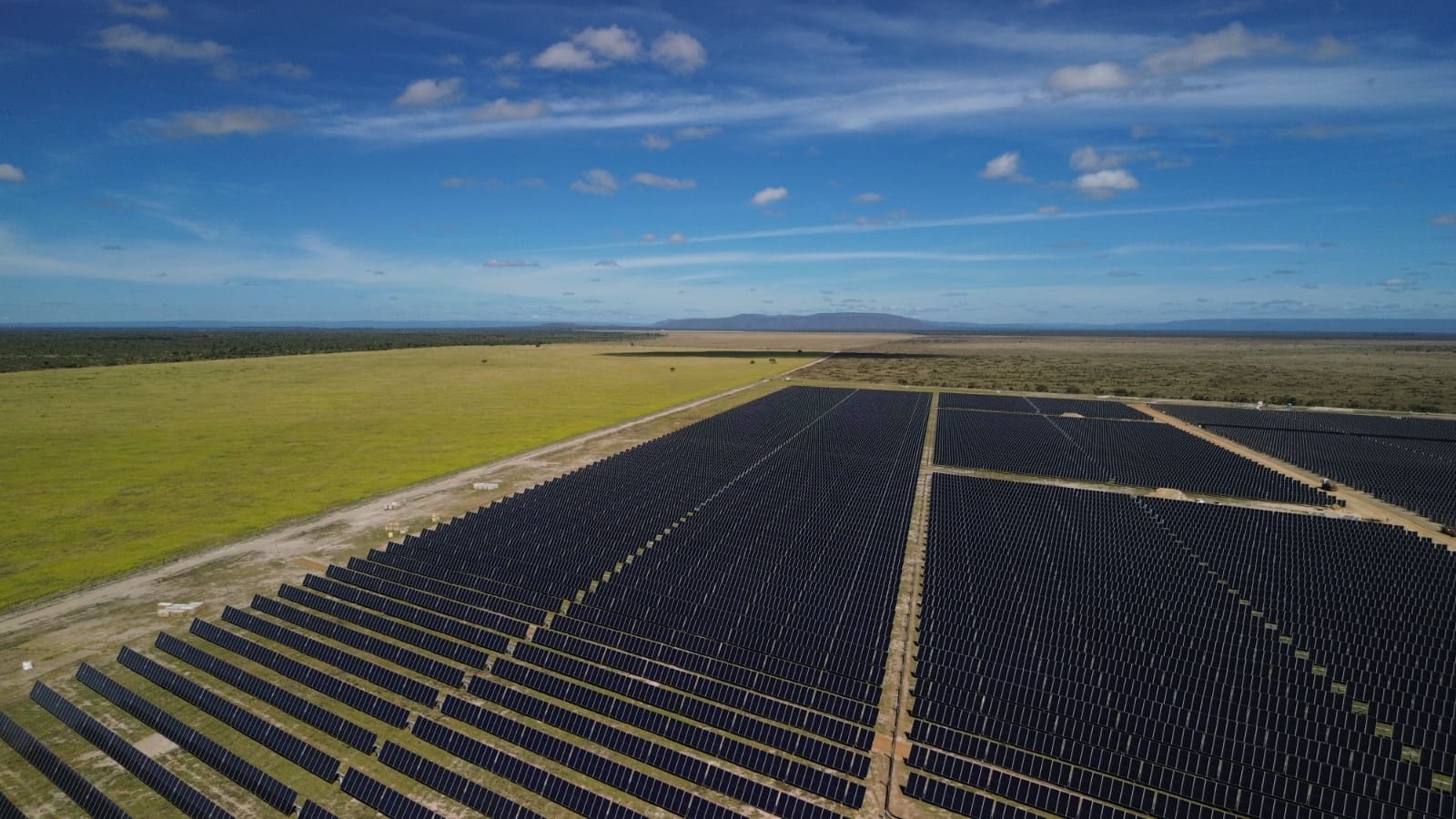
The Rio Grande do Norte, therefore, one of the Brazilian states with the greatest prominence in clean energy generation, currently faces significant challenges due to renewable energy curtailments.
Thus, this practice, known internationally as curtailment, reduces or interrupts generation even when power plants have available capacity.
In Brazil, the problem has been growing in recent years and, consequently, generating billion-dollar losses for the sector, in addition to directly impacting the local economy.
-
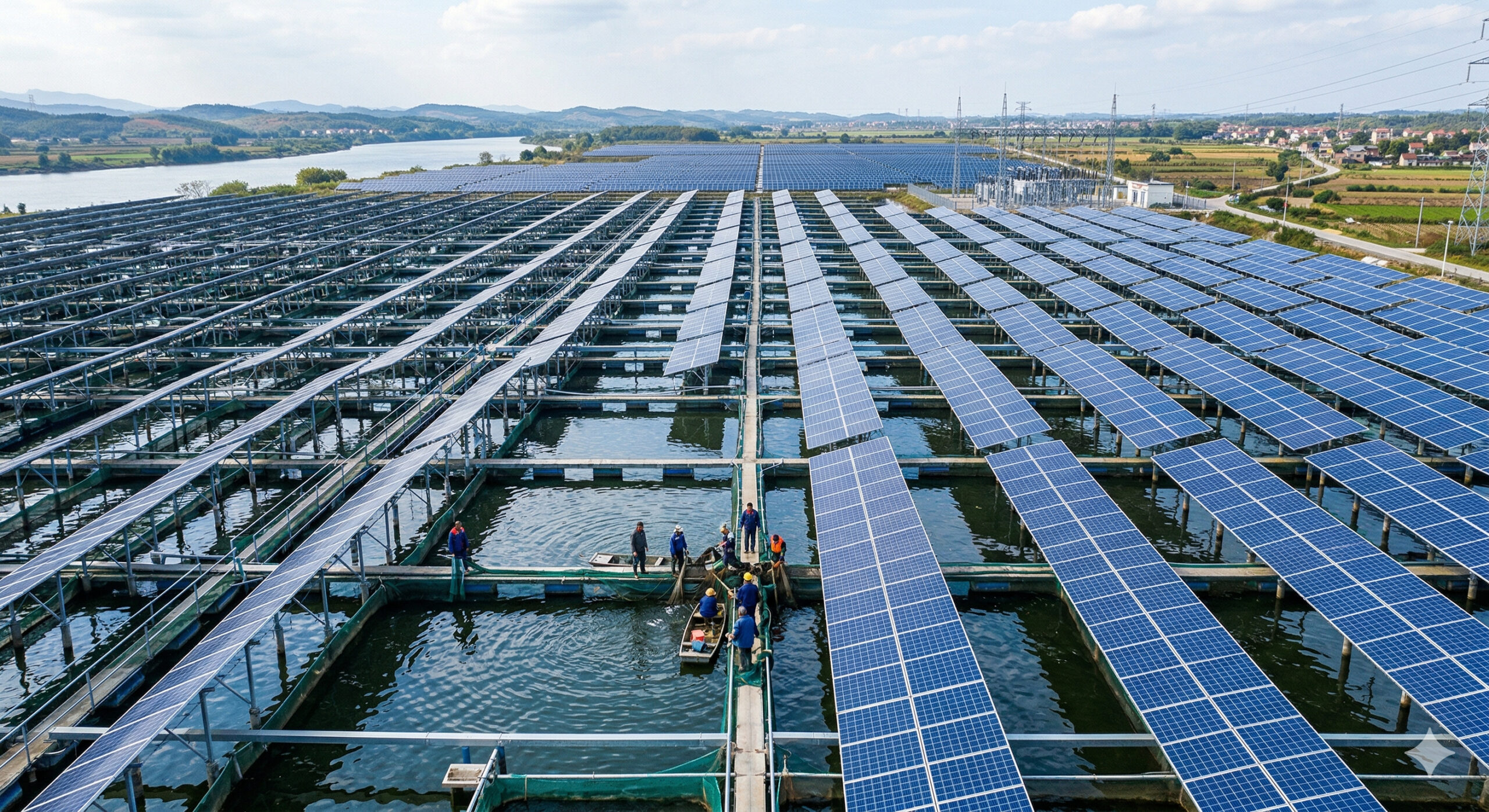
China bets on the Fishery-PV model and transforms fish farms into giant solar plants, covering ponds with panels that generate energy while utilizing the same space for large-scale aquaculture production.
-
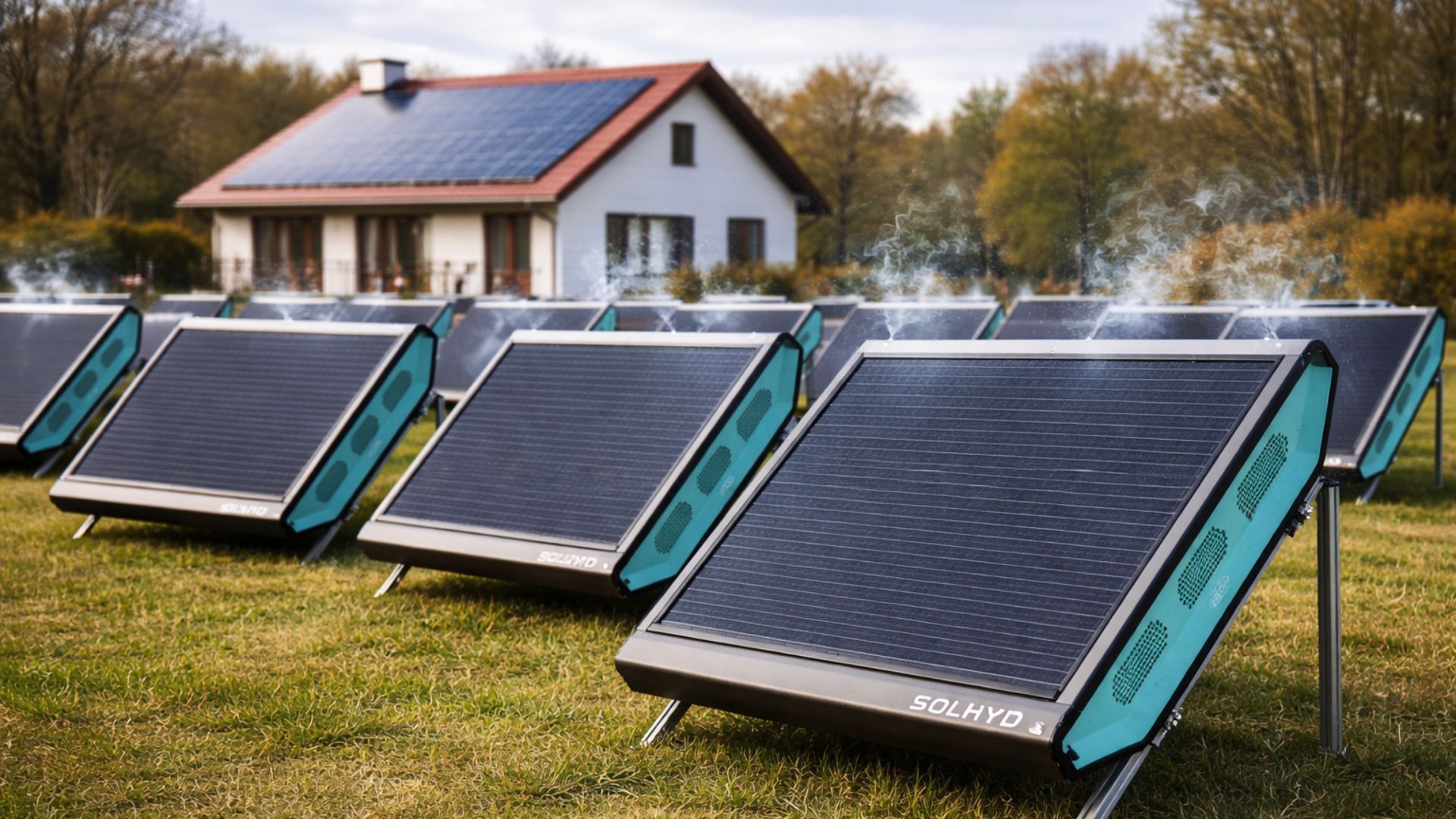
Green hydrogen at home: Belgium launches new technology that makes solar panels produce fuel from the moisture in the air, which could boost the energy transition.
-
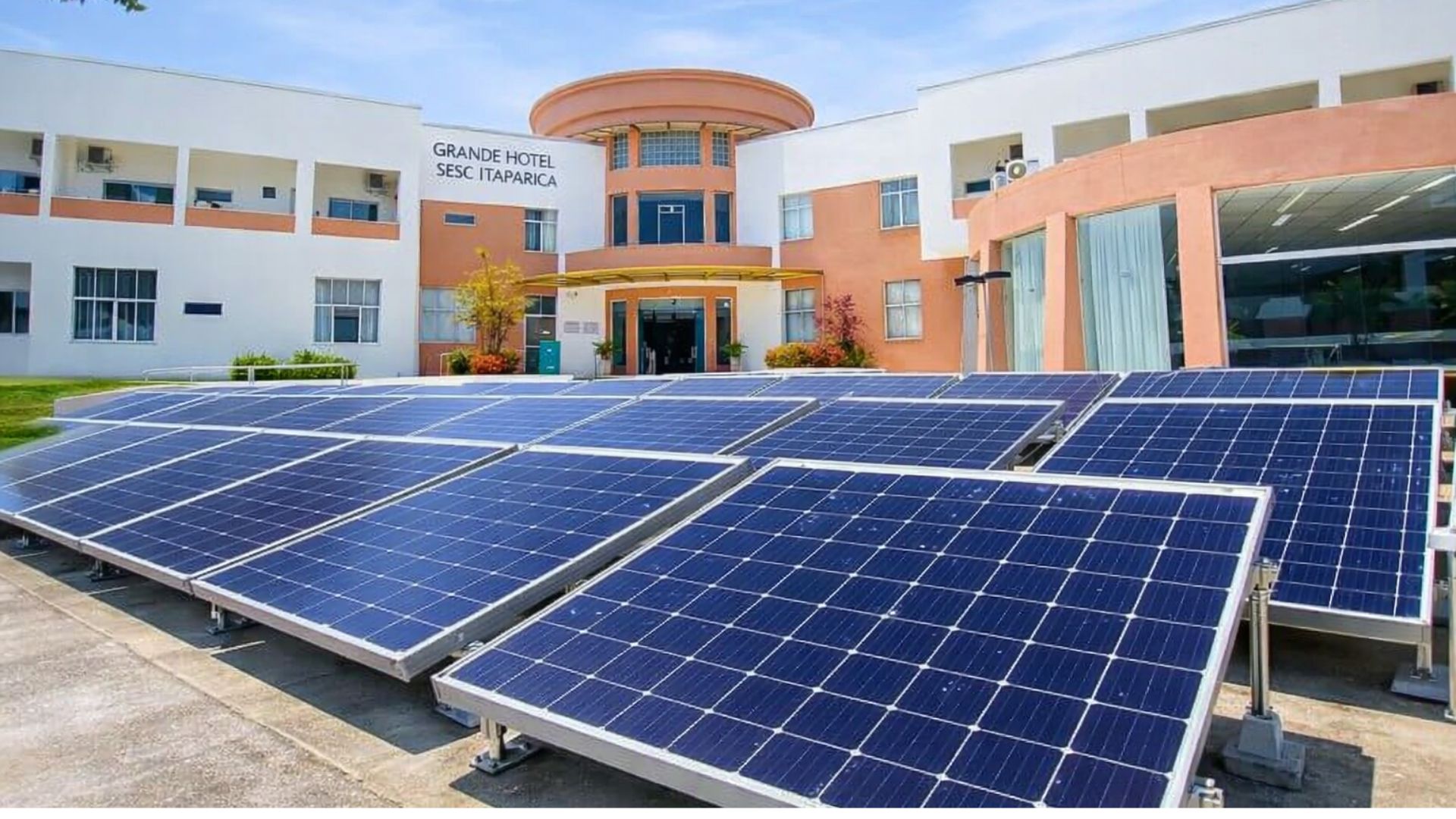
Sesc-BA bets on renewable energy with the support of EDP and drives the energy transition with a direct impact on cost reduction and the sustainability of its operations in Bahia.
-
Technology giant breaks global sustainability records: How Amazon’s leadership in renewable energy procurement transformed the global energy market in the past year.


Historically, Brazil has developed its energy policies with a focus on expanding clean and renewable sources.
Since the 1990s, wind energy began to gain relevance, especially in the Northeast, a region that has constant winds and, therefore, is favorable for electric generation.
Over the years, wind farms have grown exponentially, accompanied by advances in solar photovoltaic energy and other renewable sources, such as biomass and small hydropower.
Thus, this scenario has established Rio Grande do Norte as a national leader in sustainable electric matrix, with almost 99% of granted power coming from renewable sources.
Despite robust growth, renewable energy curtailments become a critical obstacle.
The Brazilian Wind Energy Association (ABEEólica) estimates that curtailment has generated losses of up to R$ 5 billion in the last three years.
In Rio Grande do Norte, which concentrates about 10 GW of installed capacity in wind energy, the impacts are particularly severe.
For this reason, stalled wind farms, weakened contracts, and compromised investments reflect a structural crisis that threatens the continuity of various enterprises.
Causes and Economic Impacts of Renewable Energy Curtailments
Renewable energy curtailments occur for different reasons.
The National Electric Energy Agency (Aneel) points out three main reasons: energy reasons, electrical reliability requirements, and electrical unavailability.
However, experts like former senator Jean Paul Prates observe that the current problem goes beyond these traditional causes.
Additionally, he explains that the inability to evacuate energy and the limitation of demand create an unprecedented situation, considered by many as the first major crisis in the wind sector in the country.
According to Prates, the wind and solar parks in the North and Northeast are experiencing much larger cuts than the usual margin, significantly affecting the cash flow of companies.
The economic impact is not limited to numbers.
Furthermore, industry entrepreneurs warn that some companies report losses exceeding 50% of cash flow, and many may face financial unviability if the scenario persists.
Therefore, Sérgio Azevedo, president of the Renewable Energies Thematic Commission of the Federation of Industries of Rio Grande do Norte (Fiern), emphasizes that the cuts harm not only the operation of the parks but also investor confidence.
Consequently, the immediate consequence is the risk of divestments, with projects migrating to states like Bahia, Ceará, and Piauí, which offer better conditions for energy evacuation.
The historical context of the crisis in renewable energy curtailments dates back to the accelerated development of the wind and solar sector in the Northeast.
Moreover, the expansion of these renewable sources did not receive equivalent investments in transmission infrastructure and in systems capable of absorbing large volumes of energy consistently.
As a result, the growth in installed capacity has created operational bottlenecks, which today translate into frequent and significant curtailments.
Social and Economic Consequences for RN
The social impacts accompany the economic effects.
Thus, the renewable energy sector generates jobs, trains the workforce, and transforms entire cities.
For example, municipalities like João Câmara, Parazinho, and regions of Mato Grande have had their economies boosted by the arrival of wind and solar parks.
However, the paralysis of enterprises due to curtailments threatens these advances.
This shows that curtailment affects not only companies but the entire economic and social chain related to clean energy.
Experts suggest that technological solutions could minimize the problem.
Thus, digitalization of power grids, energy storage systems, and stabilizers allow the energy generated by wind and solar sources to be used regularly.
This happens even in the face of demand fluctuations.
These mechanisms already operate in countries like the United States, China, and Europe, proving that it is possible to integrate intermittent sources safely and efficiently into the power system.
However, in Brazil, the adoption of these solutions is still progressing slowly, delaying the full utilization of available renewable energy.
Another strategy is to attract large energy consumers, such as data centers and high-consumption industries.
They could absorb the surplus generated and reduce the need for curtailments.
In addition, Rio Grande do Norte, with its potential in green hydrogen and digital connectivity through submarine cables, could establish itself as an attractive hub for energy investments.
Thus, the combination of adequate infrastructure, fiscal incentives, and long-term public policies could transform the state into a national and international reference in clean energy generation.
Government Measures and Regulatory Challenges
The Ministry of Mines and Energy, through the Working Group on Curtailment, created in 2025, is trying to structure measures to address the problem.
Among the planned actions are technical diagnostics, regulatory and operational proposals, prioritization of transmission works, and installation of equipment that increase the reliability of the grid.
Still, specialists and entrepreneurs claim that the government’s response is progressing slowly in the face of the magnitude of the challenge.
The debate on curtailment also involves issues of lobbying and economic interests.
Jean Paul Prates points out that groups linked to gas-fired thermoelectric plants press to limit renewable energy.
They receive incentives to act as emergency solutions.
Thus, this scenario highlights the complexity of the problem.
It involves not only technical aspects but also politics, economics, and strategic decisions regarding the country’s energy future.
Even in the face of these challenges, the balance of wind and solar energy in RN remains positive.
Thus, the state has established itself as a leader in clean generation, creating jobs and increasing municipal revenue.
Despite renewable energy curtailments, the region maintains growth potential.
This occurs as long as investments in infrastructure, appropriate regulation, and incentive policies ensure the full absorption of generated energy.
Prospects and Future of Renewable Energy
In summary, renewable energy curtailments in RN reflect a complex problem, involving transmission limitations, lack of demand absorption, economic interests, and regulatory challenges.
At the same time, the crisis highlights the strategic importance of the state in the national clean energy scenario.
This reinforces the need for technological solutions and consistent policies.
Thus, the future of renewable generation depends on the ability to integrate the growth of the sector with existing infrastructure.
This ensures that the potential for clean energy is fully harnessed and that the economic and social development of the region continues to advance.
The current moment offers opportunities.
Therefore, with the right combination of public and private investments, Rio Grande do Norte can become a global example of efficient integration of intermittent renewable sources.
Thus, the experience gained from this crisis could serve as a foundation for smarter policies, technological innovation, and strengthening the energy sector throughout Brazil.







Seja o primeiro a reagir!