





 Portuguese
  English
  Spanish
  3 min of reading



Lojas Americanas Faces Huge Loss, and the Brazilian Consumer May Be the Last to Escape the Hole. The Company Filed for Bankruptcy Protection. Understand More About the Case.
After a hole of R$ 20 billion in its balance sheet for the last year and previous years, Lojas Americanas recently announced that it has entered into bankruptcy protection. With a debt of approximately R$ 43 billion, there is a list of about 16,300 creditors. Those who will have priority to receive the amount will be banks, consumers, or workers. This queue has an order and there is a path to follow until reaching the right moment for payment.
Understand How the Payment of Americanas’ Loss Will Happen


By entering bankruptcy protection, the company shields its cash from collections made by creditors for 6 months, a period that can be extended. It is precisely during this period that it should start negotiating with all those it owes payments to set up the recovery plan, which must be approved in a creditors’ meeting, these being separated by categories and having an order of payment priority of debts.
At the top of the list are those who work at the company. Thus, they will be the first to receive. Next are the creditors with secured debts with the company. Then comes the payment of tax credits, and finally, those who have no preference over the other groups of creditors.
-
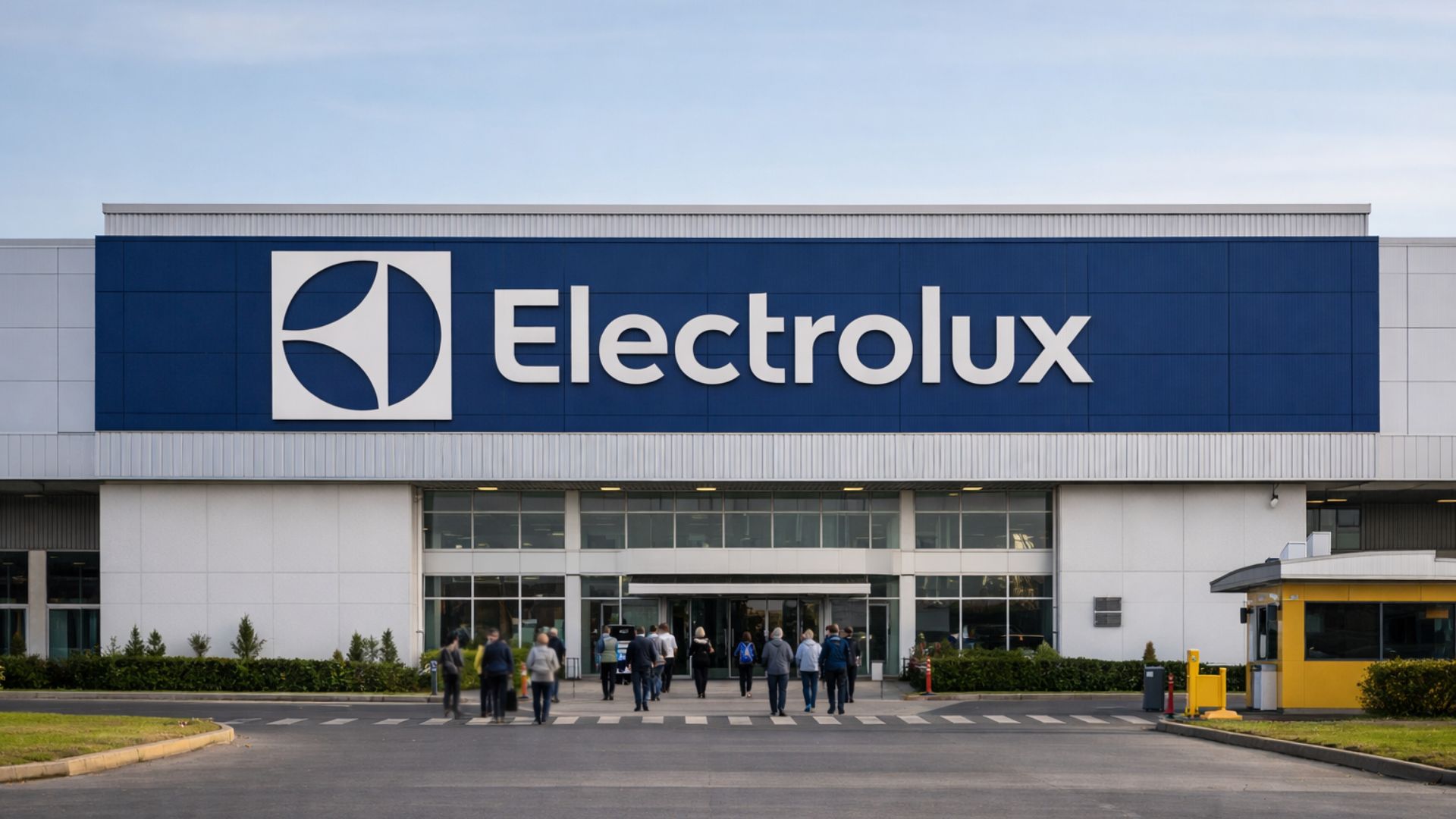
Electrolux surprises, closes colossal factory and lays off 400 people in a mass dismissal that will have a direct effect later this year, following a cost review, with an impact of R$ 272.5 million and R$ 109 million in cash in Chile.
-
The Lula government is pursuing re-election and is therefore preparing a package with discounts of up to 80% on debts, subsidies for diesel, gas for 15 million, and energy, after reaching 51% disapproval six months before the election.

-
The chamber approves a project that transforms plots of up to 2,000 square meters into official rural properties, allowing thousands of small producers who were invisible to the government to now access credit, tax exemptions, and technical assistance.

-
Factory 52, in the USA, cost over $5 billion, covers 270,000 square meters, and manufactures cutting-edge chips: it was named Project of the Year by the world’s largest engineering magazine, marking the global race for semiconductors.

Thus, consumers are at the end of the line, even though their reimbursement rights are preserved. Retail suppliers are also among the last, depending on how long it takes until the recovery plan is approved, which in the view of experts could take two years.
Billion-Dollar Hole
On January 11, the announcement of a R$ 20 billion accounting inconsistency involving risky operations linked to Lojas Americanas triggered a major crisis at the retailer, leading to battles in the legal field and bankruptcy protection with creditor banks.
In general terms, this is a process of anticipating receivables through credit assignment. Through a triangulation of operations, the company includes a bank in the operation so that the financial institution advances this payment to the supplier of the company at a discount. It is a fairly common operation for the functioning of the retail sector.
Thus, when a company has a financial demand, or a debt to be paid, it can make an agreement with the bank, obtaining the money to pay its supplier through a financial institution. From there, the company must pay back the borrowed amount later, with interest that varies according to the term of the investment.
Why Was the Loss Not Noticed Before?
Companies account for debt in different ways. Some account for their operations alongside suppliers, but in the explanatory notes, they separate and mention what is the drawn risk. Others change the line on the balance sheet, and there are also those that book it as bank debt.
According to experts, in a more recent scenario of lower interest rates, it was possible to hide the loss of Americanas, making the difference between cash flow and profit less noticeable.
At the moment it was possible to notice a significant increase in interest rates, coupled with a more challenging period for the sector, with a slowdown in e-commerce, the inconsistency became evident, which may have been more apparent to those who had more direct amounts and larger quantities, also compounded by the management change.
Source: UOL Notícias









Seja o primeiro a reagir!