





 Portuguese
  English
  Spanish
  4 min of reading
  0 comments


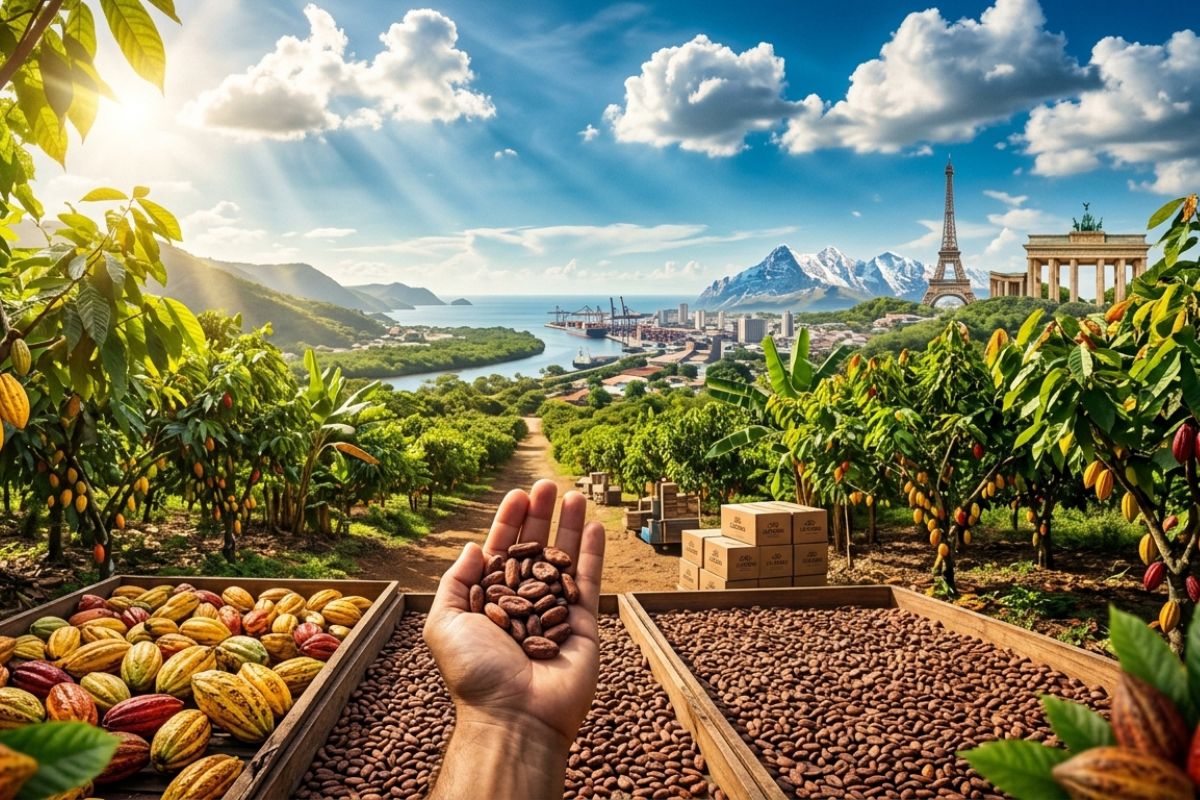
A Luz Cacau transforms fine cocoa from southern Bahia into chocolate in São Paulo, exports with the support of a European distributor, and bets on traceability, sustainability, and additive-free ingredients
The Easter holiday usually puts chocolate at the center of the conversation, but a Brazilian brand has been drawing attention for a rare reason: competing in the premium segment and gaining space precisely in markets that set global standards, such as Switzerland, Germany, and France. Luz Cacau, founded in 2020 during the pandemic, claims to have accumulated nine international awards and says that its milk chocolate was recognized as the second best in the world.
Behind the award and export discourse, the story begins in southern Bahia, with beans from the founder’s own family, and ends in São Paulo, where the founder claims to control the entire product route. From planting cocoa to the bar, the brand tries to sell not only flavor but also process, origin, and trust.
How Luz Cacau was born and why chocolate became a bet during the pandemic
The founder, Josiane Luz, presents herself as the great-granddaughter of producers and states that her father produced cocoa in Bahia all his life. The decision was to transform these beans into chocolate in São Paulo, modernizing the planting and taking control of the entire process.
-
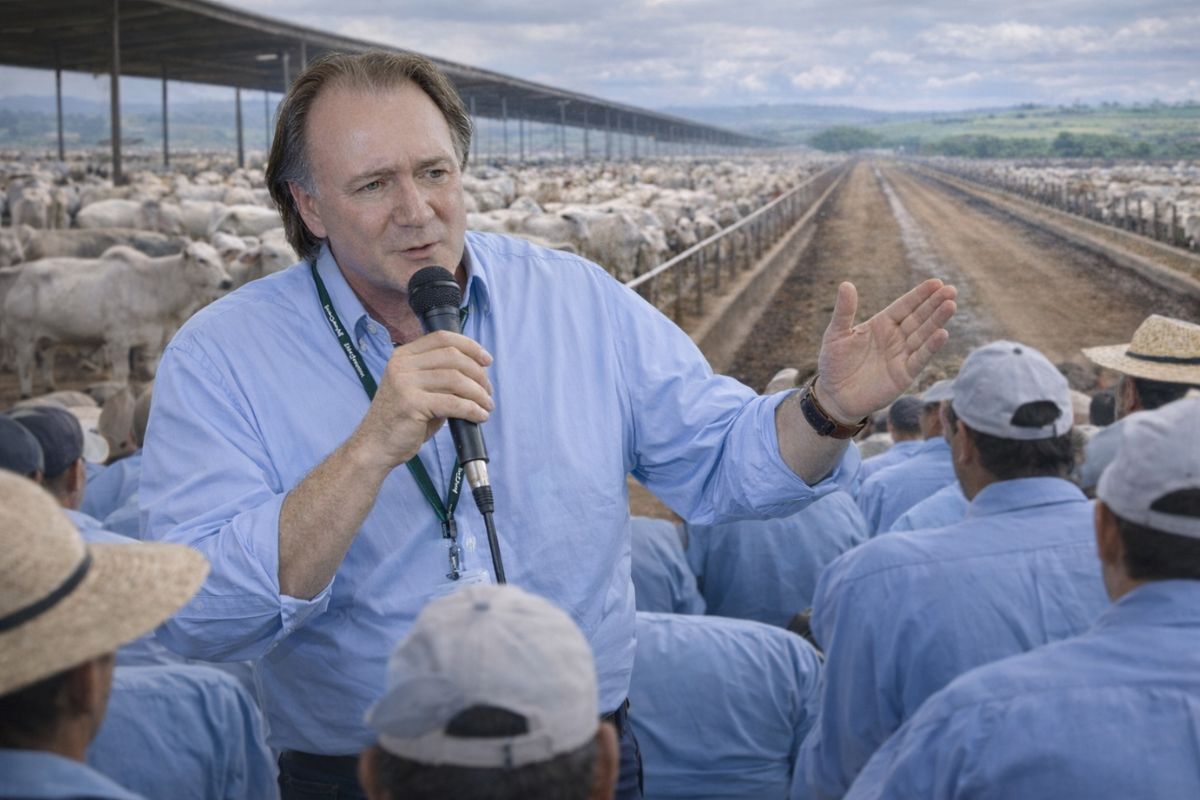
Júnior Friboi has just purchased one of the largest feedlots in all of Brazil, located in Goiás, with the capacity to produce 180,000 cattle per year, and the manager has already come forward to reassure employees about layoffs.
-
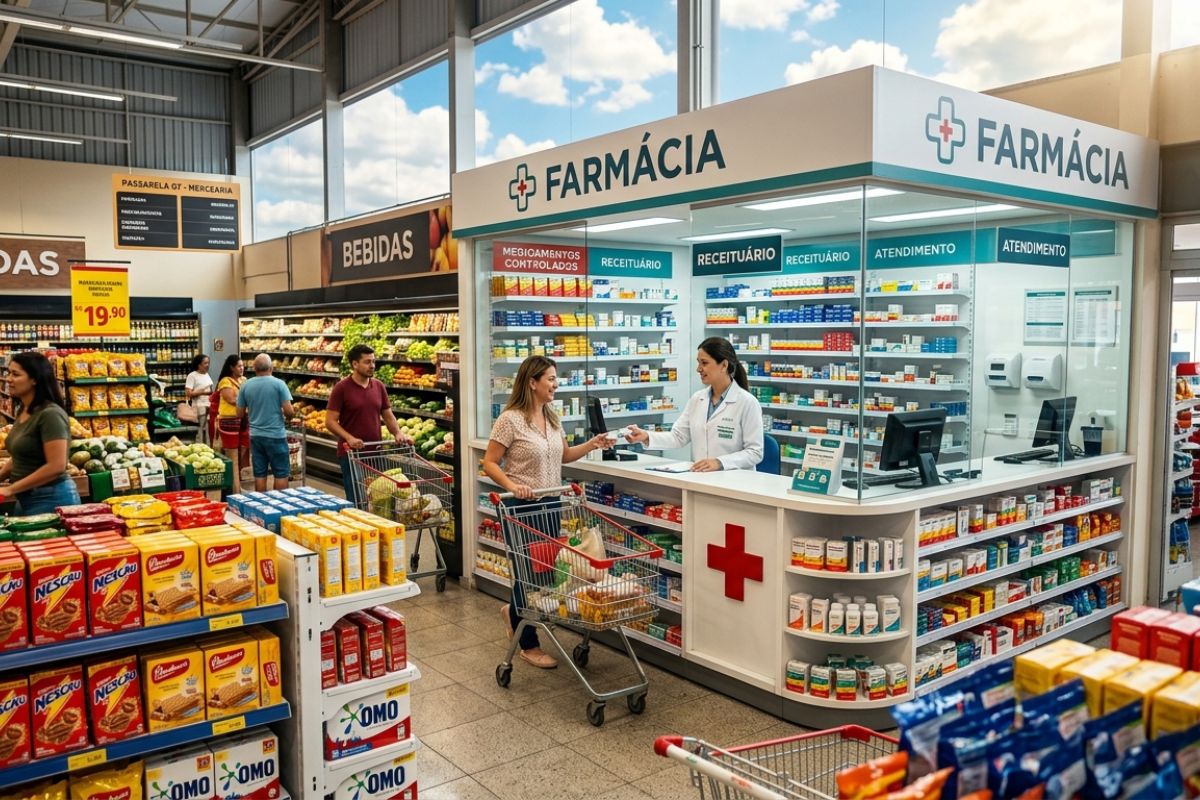
Pharmacy inside the supermarket: what changes now in your purchase, why medicines won’t go on the shelves, which rules remain strict, mandatory pharmacist, separate space, controlled storage, more convenience and competition in the country.
-
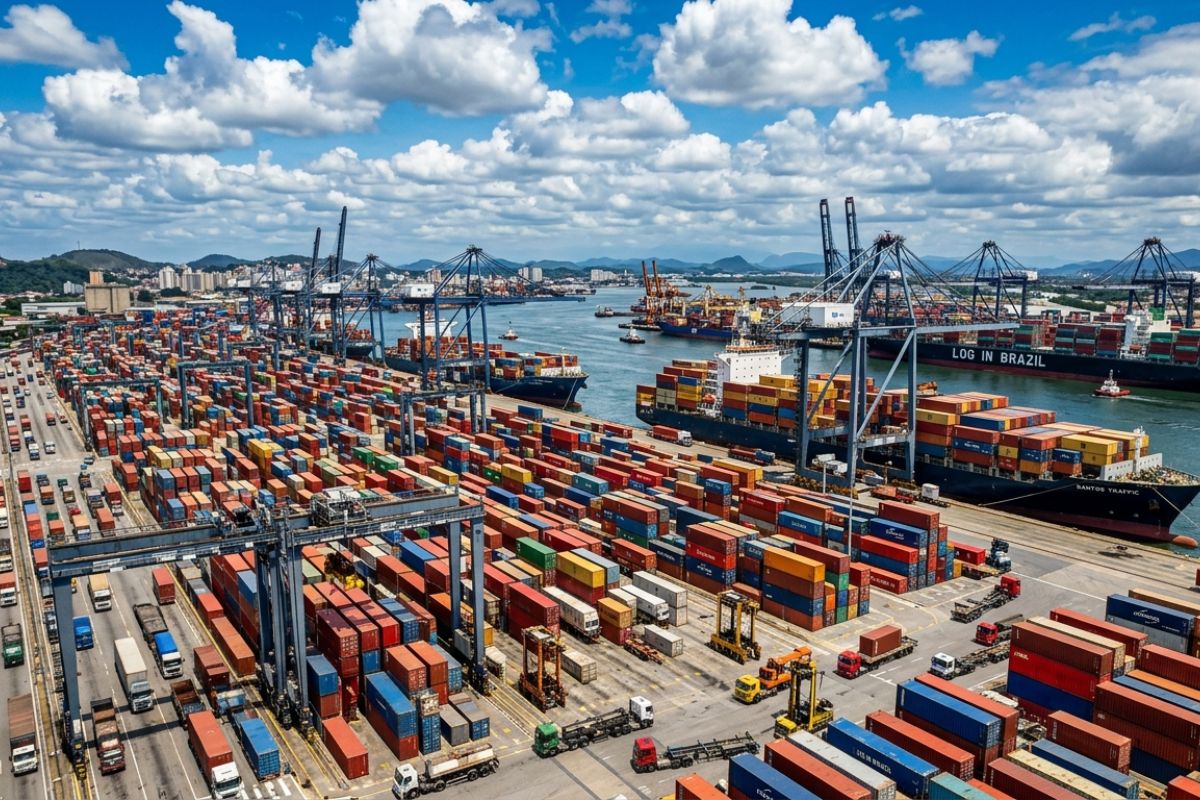
Ports like Santos and Paranaguá are operating at their limits and may block containers as early as 2030, warns a study by Macroinfra; bottlenecks increase costs and delays and push cargo to Rio, Salvador, Pecém, and Suape across Brazil.
-
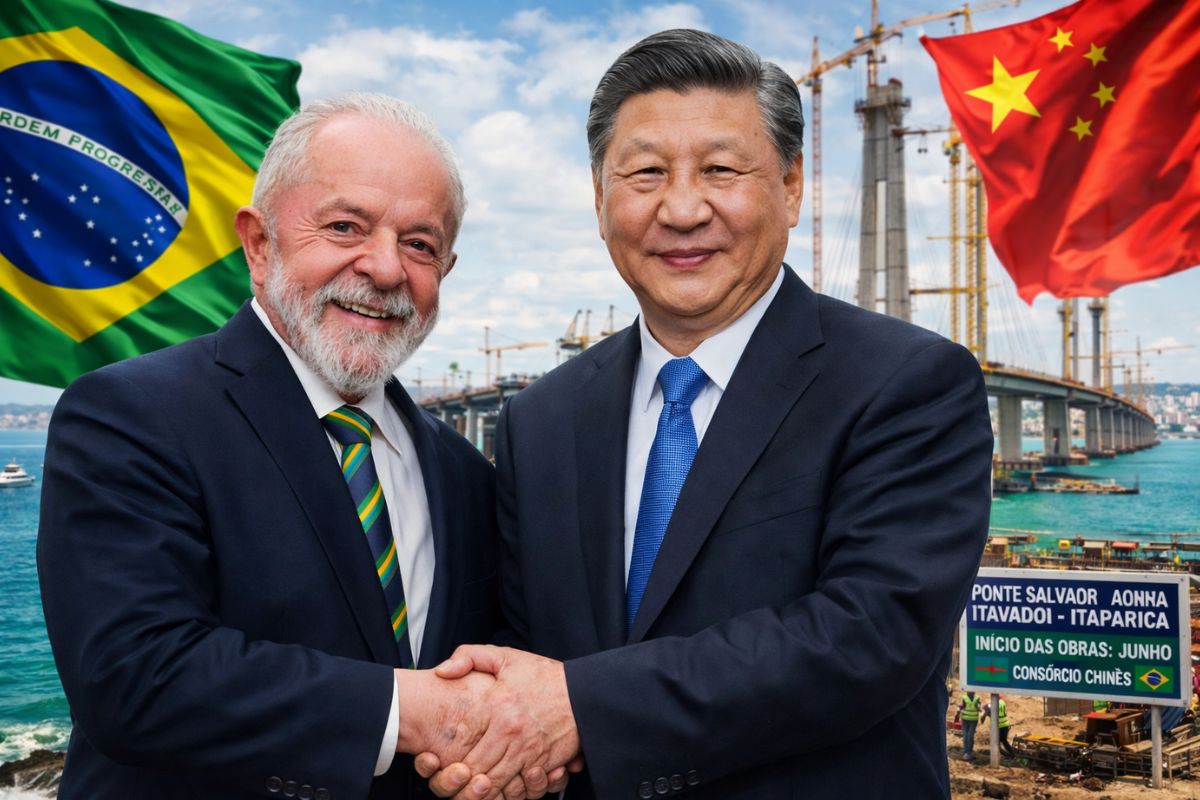
Lula reveals in an interview that he asked President Xi Jinping three times to invest in a major project in Brazil, the Salvador-Itaparica bridge, which is set to begin in June with the participation of a Chinese consortium and is expected to be extraordinary, according to the president.

The brand began manufacturing chocolate in 2020, right in the middle of the pandemic, and grew with a clear proposal: premium positioning and a product with an origin narrative. The central argument is simple: those who know the cocoa route control the chocolate they put on the market.
What is fine cocoa and why does it change chocolate

Luz Cacau claims to work with fine cocoa, described as a differentiated cocoa, compared to a “gourmet coffee” by the logic of quality and sensory profile. The idea is to elevate the bean to a level of origin product, not just a commodity.
This point is used as a differentiator to justify why a Brazilian chocolate can compete for attention outside the country. It’s not just about sweetness; it’s about raw material and consistency.
Why Switzerland, Germany, and France opened space for Brazilian chocolate
According to the founder, Switzerland was the first export country and is now one of the main destinations in Europe. The brand claims to have a distributor responsible for operating the commercial side on the continent, while production remains in Brazil.
The account indicates that what caught attention was a sustainable and traceable chocolate, with ingredients free of preservatives, flavorings, and chemical additives. The company also claims to produce bars with high cocoa content and organic sugar, using this discourse to argue that the European market values transparency and origin.
Nine awards and the 2nd best milk chocolate in the world
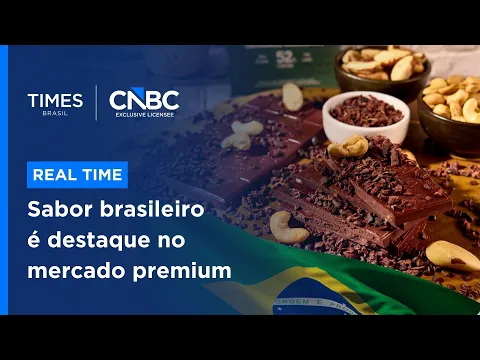

Luz Cacau claims to have won nine international awards and states that its milk chocolate was recognized as the second best in the world. The founder also mentions that, after an award in New York, the brand was able to open doors to export to Europe.
In practice, the award serves as a showcase. In a competitive sector, a medal becomes social proof, and the brand uses this to position itself as “small, but capable of competing with giants.”
Growth, export and the challenge of producing chocolate in Brazil
The company claims that about 40% of its revenue comes from exports and that operations are growing in Brazil. The discourse reinforces a “healthy and sustainable” chocolate, with the product’s story being told to the consumer from planting to the bar.
During Easter, the founder states that the company produced two tons, highlighting that it is a small factory that was born in the outskirts of São Paulo. She also claims that the brand has been doubling in size year after year, from 2020 to 2025, even facing challenges related to inflation, packaging, and logistics.
Which products became the showcase of the brand’s premium chocolate
When asked about the highlight, the founder points to the milk chocolate as the main product, linked to the recognition of “second best in the world.” She also mentions a dulce de leche bar with coconut as one of the most desired items.
Additionally, flavors such as açaí, passion fruit, and versions with nuts are mentioned. The strategy seems to combine origin products with flavors that resonate with the Brazilian palate, without abandoning the premium language.
Would you buy a premium Brazilian chocolate because of the awards, or does your decision still depend more on flavor and price at the time of purchase?




Seja o primeiro a reagir!