





 Portuguese
  English
  Spanish
  4 min of reading
  5 comments


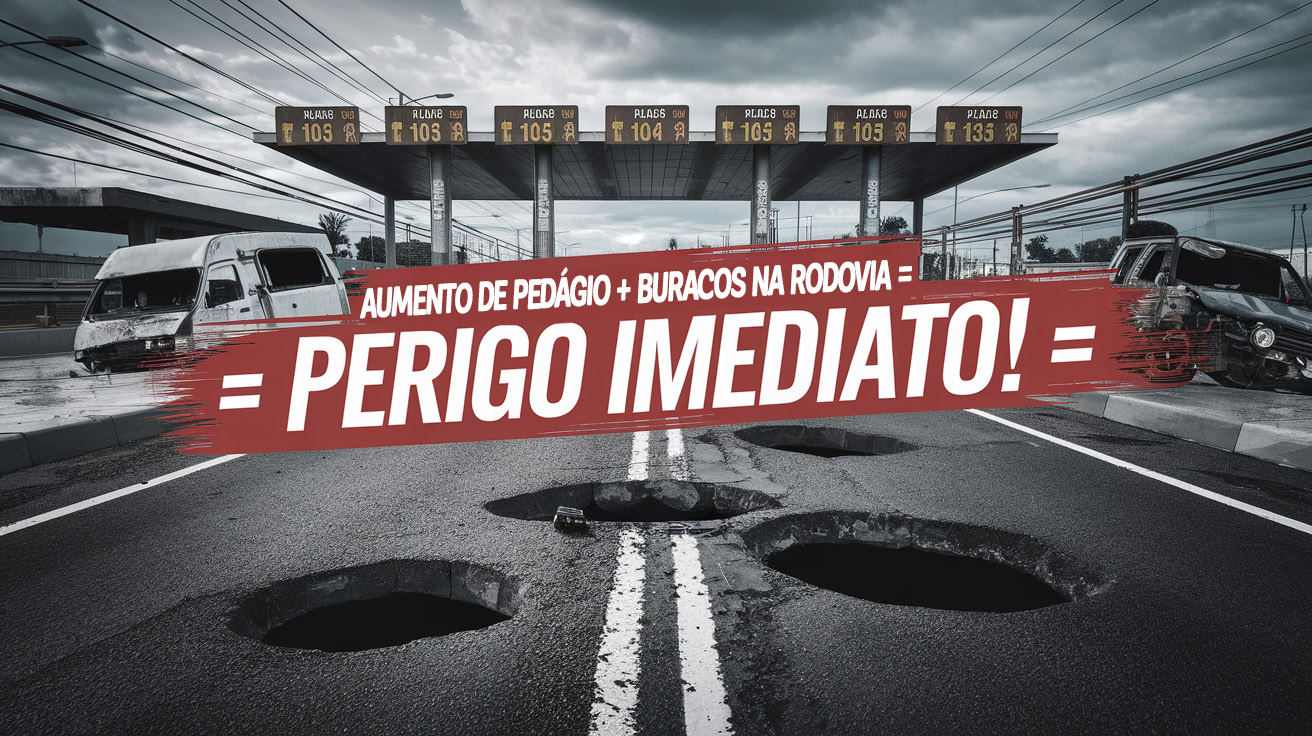

BR-153, Between São José do Rio Preto and Other Cities, Faces a Toll Increase and Terrible Conditions. Drivers Are Paying More, but the Road, with Potholes and Erosions, Continues to Damage Their Vehicles. Is This the End of Peace for Those Who Depend on This Vital Highway?
When the toll rises and the quality of the highway plummets, the scenario for drivers becomes a true nightmare.
What seemed like a simple trip on the highway turns into a daily challenge. And worst of all: they are not alone.
Increase in the fare and, at the same time, serious damage to vehicles, amid suspicions that this situation may be much more common than one might think.
-
Brazilian city bets on the business environment to generate jobs and attract investments in the energy sector — secretary reveals strategy at Macaé Energy 2026.
-
50 viaducts, 4 tunnels, 28 bridges, and 40 kilometers of bike paths: BR-262 in Espírito Santo will receive 8.6 billion reais for the largest engineering project in the state’s history, inspired by the Immigrant Highway in São Paulo.

-
Brazil produces too much clean energy and doesn’t know what to do with it: over 20% of solar and wind capacity was wasted in 2025 while investors flee and 509 renewable generation projects were abandoned in the last year.

-
Piauí will produce a new fuel that replaces diesel without needing to change anything in the truck’s engine and reduces pollutant gas emissions by half: truck drivers from all over the Northeast are already celebrating the news that will arrive later this decade.


Toll Adjustment: The Impact on Drivers’ Wallets
As of midnight on Wednesday, December 25, drivers traveling on the Transbrasiliana Highway (BR-153) had an unpleasant surprise: an adjustment in the toll rates.
The basic rate was raised from R$ 9.40 to R$ 9.60 for cars, buses, and trucks, while motorcycles, mopeds, and motorized bicycles now pay R$ 4.80, instead of the previous R$ 4.70.
Although the increase was moderate, the impact on the wallets of drivers who frequently use the route did not go unnoticed.
This adjustment, authorized by the National Land Transport Agency (ANTT), follows the contractual guidelines of the concessionaire responsible for the highway, based on the National Wide Consumer Price Index (IPCA) and the economic-financial rebalancing due to works and services performed. However, the increase in the fare does not come alone.
Drivers’ outrage is even greater due to the poor conditions of the road, which, according to reports, have caused serious damage to vehicles.
Poor Road Conditions: Potholes and Erosions That Harm Tradition
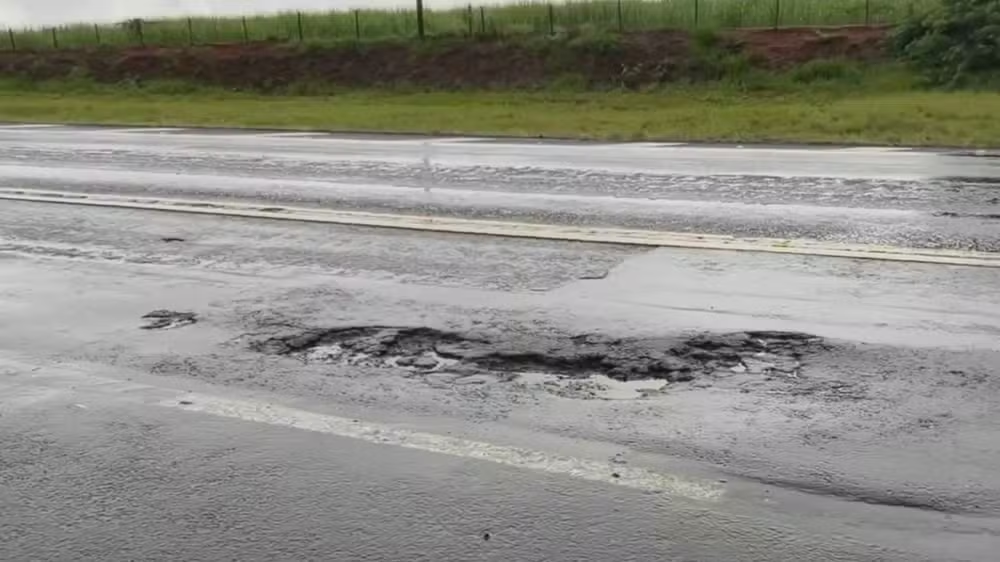
Drivers’ dissatisfaction goes beyond the increase in tolls. The highway is far from providing a smooth trip. Potholes and erosions have become a constant, turning the simple crossing from one point to another into a real risk of damage to vehicle suspensions.
A clear example of this comes from Vanderson Peres, a nursing technician who frequently uses BR-153 and did not hold back criticism of the road’s infrastructure. “Every week you go there is a new pothole.
I have already had to replace my vehicle’s suspension. Recently, I spent about R$ 1,200 on that,” he reported in an interview with TV TEM.
Vanderson’s experience is not unique. For many drivers, the highway is not just a route but a real battle against wear and tear on their vehicles, with maintenance costs escalating.
Moreover, danger is also at stake, as the irregularity of the pavement puts the safety of travelers at risk.
According to Vanderson, “the entire pothole-ridden highway can cause accidents.” The situation, far from being isolated, affects a vast number of drivers who travel this road daily.
The Concessionaire Responds: Repairs and Causes of the Problem
According to Triunfo Transbrasiliana, the concessionaire responsible for the highway, there is a constant presence of teams to carry out repairs on the road conditions.
The company assures that it performs both surface and deep repairs, as well as interventions like “pothole patching,” aiming to improve user safety.
However, the concessionaire points out an aggravating factor: the excess weight of trucks, which, according to them, contributes to the accelerated deterioration of the highway.
Additionally, Triunfo Transbrasiliana states that its efforts aim to maintain safety, but the frequency and intensity of heavy traffic make the situation harder to control.
Despite this, the feeling that the repairs are not sufficient to keep the road in good condition persists among drivers.
Inspection of Heavy Vehicles: A Necessary Measure
The inspection by the Federal Highway Police (PRF) has been intensified, especially with the proximity of the year-end festivities when traffic significantly increases.
In 2024, the PRF inspected more than 6,400 cargo vehicles on the stretch of BR-153 that crosses the São José do Rio Preto area (SP), retaining more than 208 tons of excess weight.
The PRF warns of the risks of excess weight, which further exacerbates the wear of the highway and jeopardizes the integrity of the road and the drivers.
It is estimated that almost 300,000 vehicles will pass through BR-153 this year-end, with 194,000 of them alone in the Rio Preto region, according to PRF data.
This significant number of heavy vehicles navigates a road that is already clearly overloaded and with compromised traffic conditions, which further increases the risk of accidents and material losses.
What to Expect for the Future?
With the constant toll increases and the deteriorating conditions of the highway, drivers face an increasingly challenging situation.
The combination of higher tolls and deteriorating infrastructure is bound to increase discontent.
The lack of definitive and effective solutions to the problem is something that already concerns many who depend on this highway for their daily activities.
What will be the future of BR-153? Will the highway be able to handle the increase in traffic without jeopardizing driver safety? Will the concessionaire and ANTT be able to find a balance between tolls and road maintenance conditions? The struggle of drivers seems far from over.
Question for the Reader: Have you ever faced problems with the state of the highways in your region? How do you think the authorities should resolve the issue of BR-153?





A BR 381 Administrada pela Arteris também teve reajuste na tarifa do Pedágio e a Rodovia está uma vergonha, batendo recorde no número de acidentes devidos a má condição e conservação da via.
E quando precisa pagar um pedagio por problemas na tag, não querem receber após…devem ganhar parte da multa, só pode.
A única concessionária que você entra no site e consegue pagar sem estresse é a CCR.
Uso essa rodovia com frequência e é uma vergonha. Eles reclamam do excesso de caminhões? Qual problema? Se o caminhão paga pedágio, a empresa arrecada mais, então é justo que conserte a estrada com eficiência. O fato é que essa estrada está em péssimas condições, sem sinalização, com inúmeros buracos e não há um órgão fiscalizador que tome providências. Só pergunto uma coisa: de quanto é a mala preta para fecharem os olhos?
Eles sempre vão dizer sempre as mesmas coisas, estamos trabalhando para fazer o melhor. A culpa nunca é deles. Vcs já viram o material que eles usam para tapar buracos, parece Açúcar, qualquer chuvinha derrete, não é asfalto, é uma areinha preta que quando o carro passa em cima afunda. Infelizmente não temos fiscalização para direitos do cidadão. Se vc não pagar IPVA VC toma multa, se vc andar acima da velocidade recebe multa….enfim né.. eles não cumprem o contrato que eles fizeram e ainda enriquecem nas nossas custas e nos enganando. Esse é o país que nós vivemos…nós temos que cumprir com com as leis se não perdemos o que temos.