





 Portuguese
  English
  Spanish
  3 min of reading
  0 comments


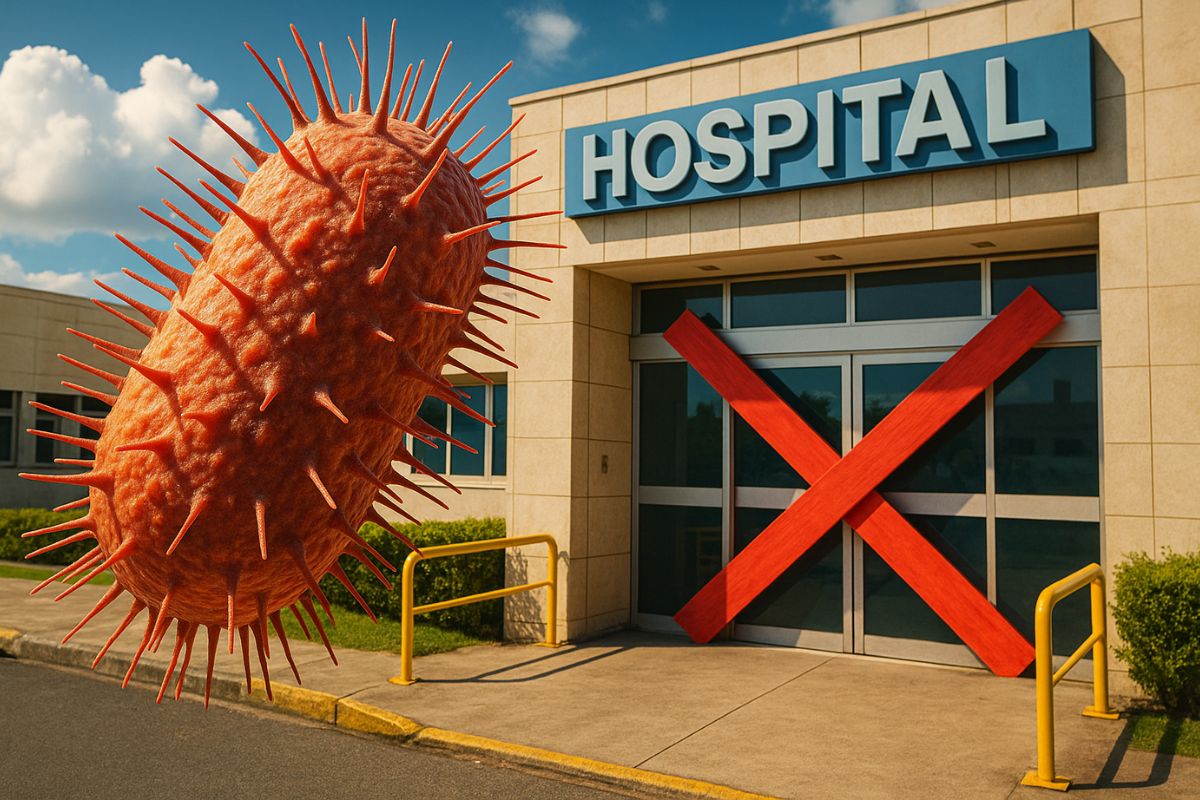
Presence of Superbug Closes Hospital in Brazil. Case Reignites Alert About Risks and Reinforces Need for Strict Prevention in Health Environments
The confirmation of the presence of a superbug led to the temporary closure of an important hospital in Brazil this week, as an emergency measure to contain contamination risks. The episode put patients, families, and health professionals on alert.
The case highlights a growing problem in public health: microorganisms resistant to multiple antibiotics, capable of turning common infections into serious threats. Experts point out that understanding how superbugs act and spread is essential to reduce the impact and prevent new occurrences.
What is a Superbug
The term “superbug” is used to describe microbes that have developed resistance to various types of antibiotics, making treatment with conventional medications difficult and, in extreme cases, impossible.
-
Artisanal well erupts with water in the sertão of Bahia, revealing a surprising flow with six active fissures underground and changing the landscape in the Bahian semi-arid region.

-
NASA published a photo taken from space of a mountain range in the interior of Goiás, and the whole world wanted to know what it was: beneath it lies the largest hot water spring on the planet, with temperatures reaching 70 degrees in the middle of the Cerrado.

-
A thermal block costing only R$ 0.40 catches attention by reducing heat by up to 80% using recycled styrofoam, a common kitchen ingredient, and a manual technique capable of producing 50 blocks from a single bag of cement.

-
The item in the house that consumes the most water is not in the kitchen; it is in the smallest room of the house and can account for up to 30% of the expenditure on its own.


This resistance, according to the World Health Organization (WHO), is accelerated by the inadequate use of antibiotics, whether through self-medication, incorrect dosage, or unnecessary prescriptions. The result is the emergence of strains capable of surviving therapies that were previously effective.
Why They Represent Such a Serious Threat
The superbug is a complex challenge for public health because it can cause hard-to-control infections, prolong hospital stays, and increase the risk of death, especially in already weakened patients.
In hospitals, the situation is even more delicate: the high concentration of vulnerable individuals and invasive procedures creates a favorable environment for the rapid spread of these microorganisms, especially in intensive care units (ICUs).
Measures to Prevent Spread
Controlling a superbug requires strict protocols and active participation from professionals and patients. Among the most effective measures are:
- Rational Use of Antibiotics: only with a medical prescription and following the indicated time and dosage correctly.
- Frequent Hand Hygiene: a simple habit that is proven effective against the spread of microorganisms.
- Isolation of Infected Patients: prevents cross-contamination and limits the circulation of bacteria in critical areas.
These practices, when combined, drastically reduce the risk of outbreaks and help keep hospital environments safer.
Impact of the Hospital Closure
The decision to temporarily halt activities is not taken lightly. The closure allows for deep disinfection and interrupts the transmission chain, but it also causes side effects, such as the relocation of patients and the increased pressure on other hospitals in the network.
For experts, the measure is a clear warning: when a superbug establishes itself, the risk of mass contamination is real. Prevention, therefore, must be a constant priority not only in times of crisis.
Do you believe that Brazilian hospitals are prepared to deal with the advance of superbugs? Or is prevention still insufficient? Leave your opinion in the comments and contribute to this public health debate.









Seja o primeiro a reagir!