





 Portuguese
  English
  Spanish
  3 min of reading
  0 comments


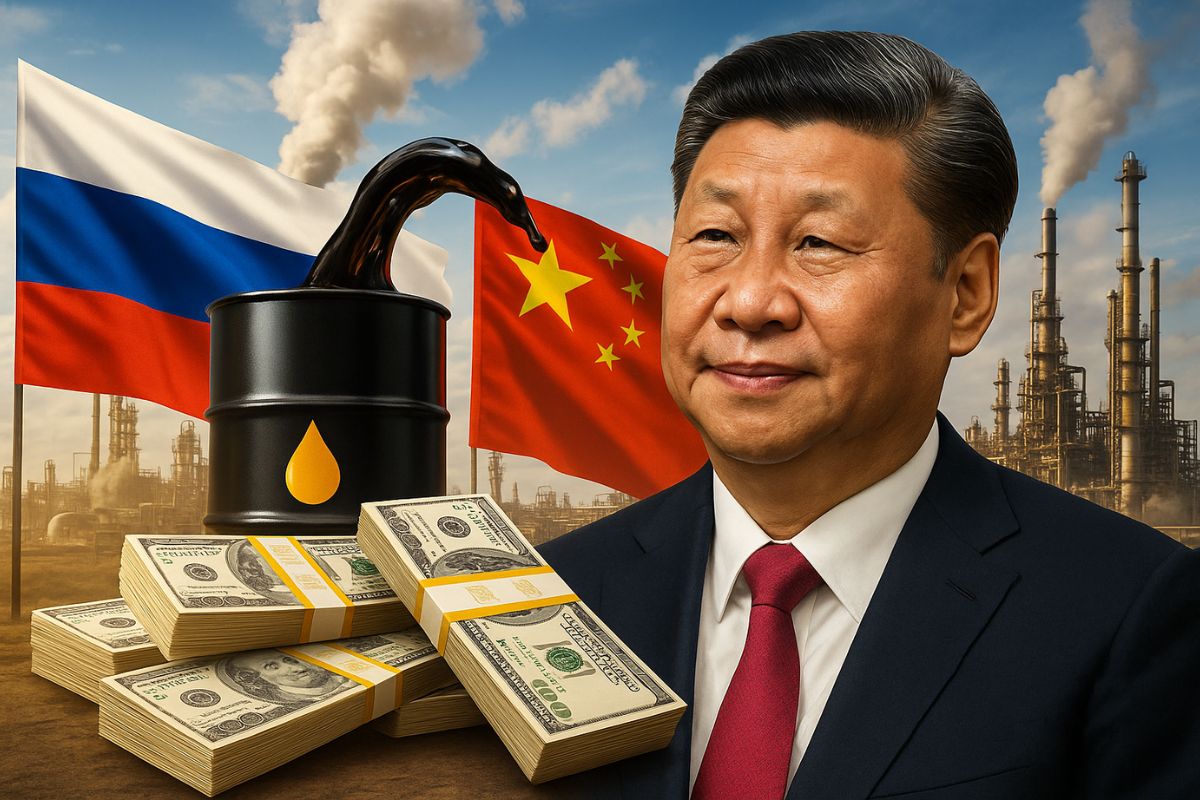
The Alliance Between China and Russia Goes Far Beyond Ideology; It Involves Billions in Energy, Global Influence, and the Future of Taiwan
Behind the scenes of the conflict in Ukraine, Chinese President Xi Jinping moves cautiously yet decisively. Although he maintains an official stance of neutrality, Beijing’s actions indicate that a Russian defeat is out of the question for Chinese interests. The technical, commercial, and strategic support offered to Vladimir Putin reveals that the war is, for Xi, also a matter of global power balance and economic survival.
According to reports from Western intelligence and analyses from strategic centers such as Bloomberg, CSIS, and RAND Corporation, China is already providing dual-use components (such as engines and navigation systems for drones) to Russia, avoiding sending weapons directly to escape severe sanctions. Furthermore, it purchases oil and gas at discounts of up to 40%, taking advantage of Russia’s isolation to lower its energy matrix costs and boost the local industry.
How Much Does China Depend on the War to Profit from Cheap Energy?
One of the biggest economic beneficiaries of the prolonged conflict is undoubtedly China. With Europe cutting 95% of gas and oil imports from Russia, Beijing has become the top buyer of Russian surpluses. In 2024, bilateral trade reached record values, allowing China to save billions of dollars on energy.
-
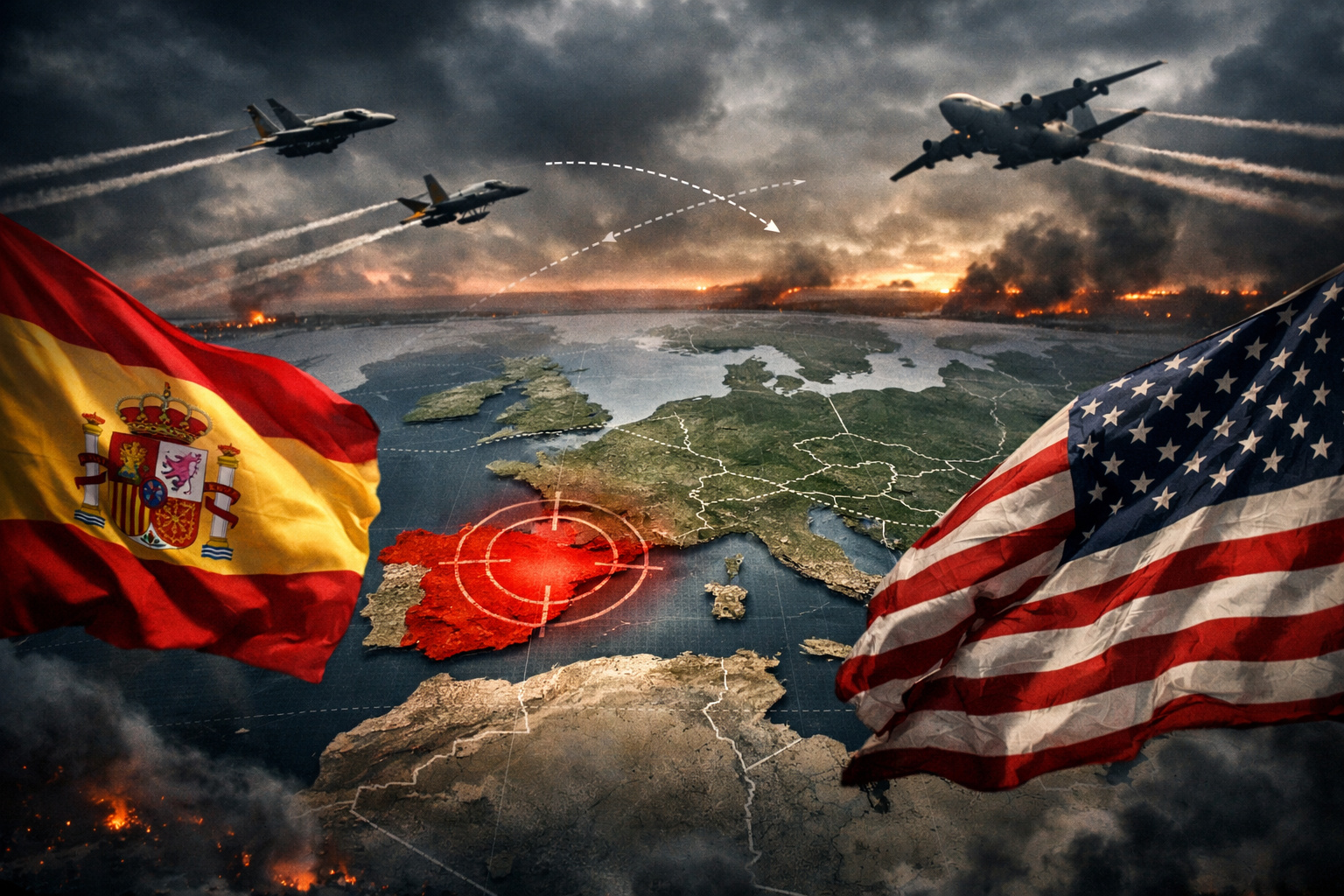
Spain challenges the USA and closes its airspace for operations against Iran, raising global tension and provoking the threat of a trade rupture.
-
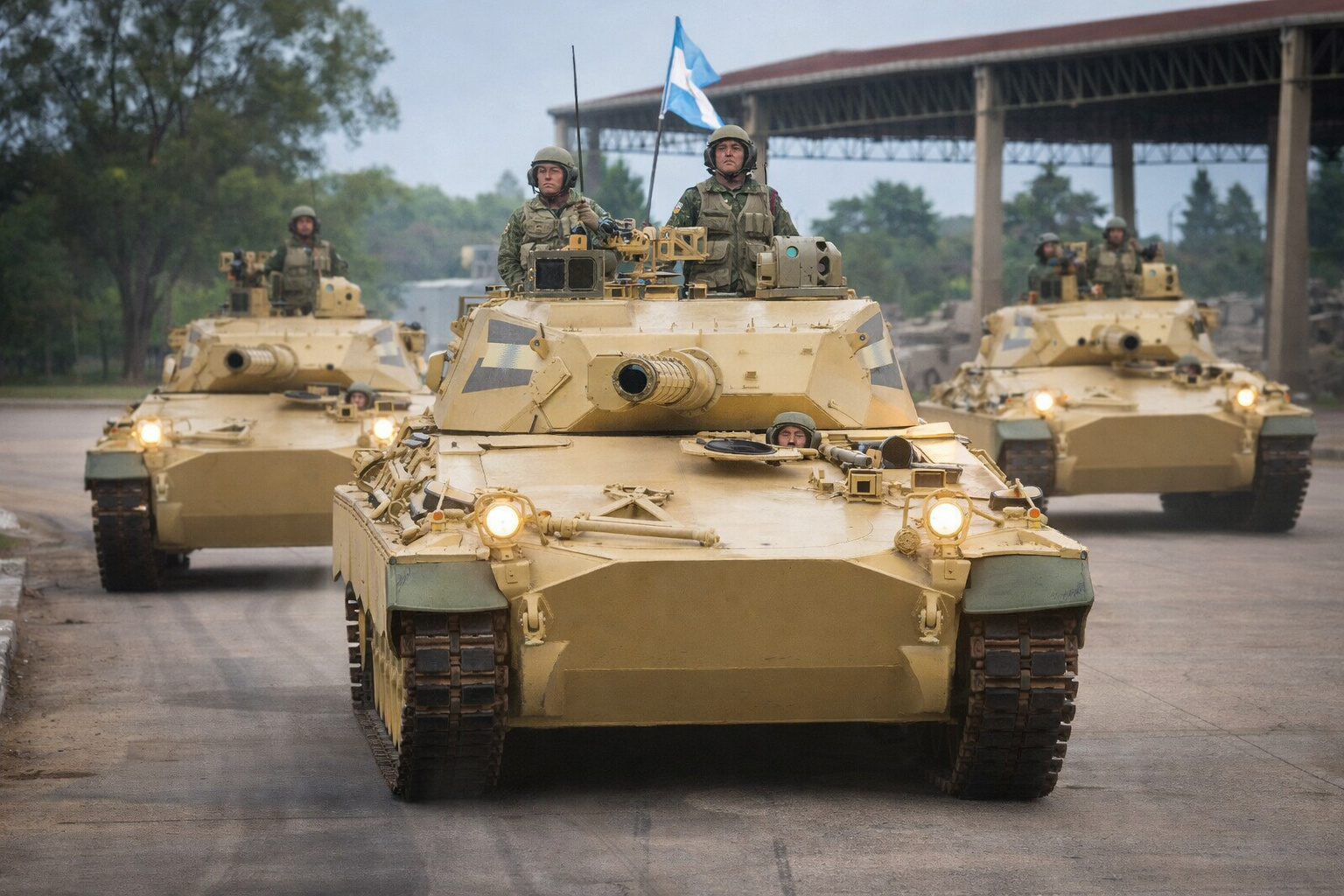
While no other country manufactures tanks in Latin America, Argentina activates the TAM 2C-A2 and raises a curiosity about the technological lag in the region.
-
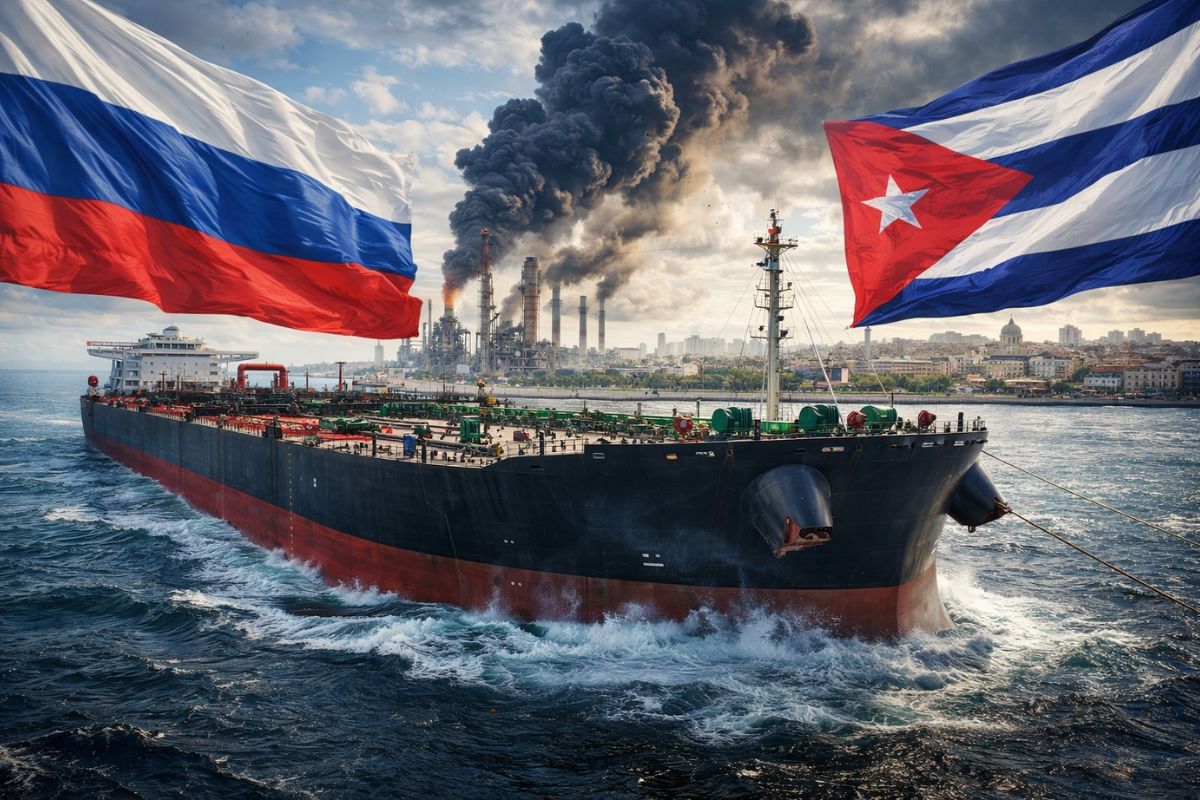
A Russian ship with 730,000 barrels of oil has just arrived in Cuba while Mexico negotiates fuel sales through private companies: the communist island is desperately seeking alternatives after losing its supply from Venezuela due to American military action.
-
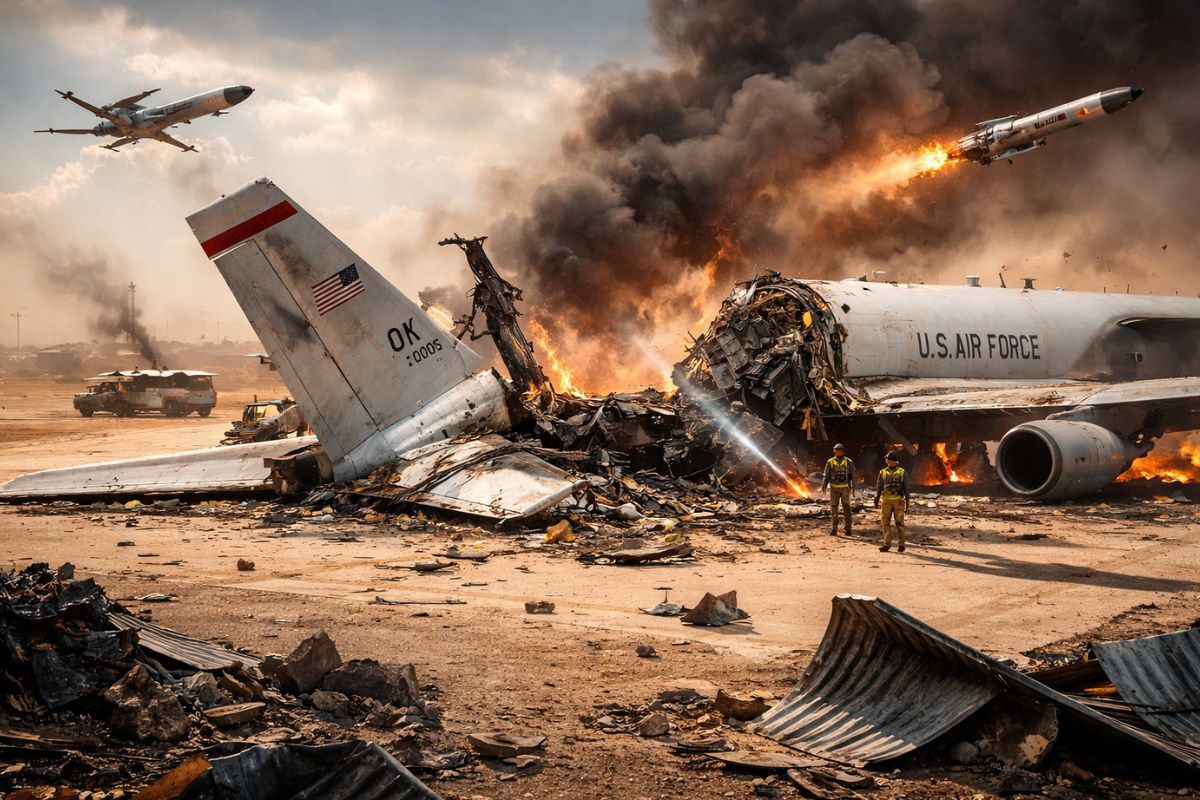
Iranian drones and missiles destroyed a 270 million dollar American spy plane in Saudi Arabia, splitting the E-3 Sentry aircraft in half and injuring 12 military personnel in an attack that exposes the vulnerability of U.S. bases in the Persian Gulf.

This energy discount boosts the Chinese industry and helps the country maintain global competitiveness. If Russia were defeated and rehabilitated in the European market, this privilege would end. Therefore, as long as the war lasts, China profits significantly.
Why Does Xi Fear a Russian Defeat?
More than just cheap oil, President Xi Jinping fears the geopolitical effect of a Western victory. If Putin loses the war, the United States and its allies would be free to concentrate forces in the Indo-Pacific, especially concerning Taiwan and the South China Sea, two strategic regions for the Chinese government.
Russia, despite its military weaknesses, serves as a strategic counterbalance to the West, forcing the U.S. and NATO to divide their attention. In 2022, just days before the invasion of Ukraine, Xi and Putin signed a “limitless partnership” during the Winter Games in Beijing. Since then, this alignment has deepened, with indirect coordination with North Korea and Iran, according to analyses from the Center for a New American Security (CNAS).
What Is the Risk for China If Putin Loses?
Putin’s downfall could provoke instability along China’s northern borders, jeopardizing energy supplies and weakening the Moscow-Beijing axis, which has sought to balance U.S. influence for decades. Additionally, a NATO victory would boost Western morale, strengthening the liberal narrative against authoritarian regimes.
For Xi, Russia’s failure is also an ideological and symbolic risk. Since the 1950s, with his father’s political legacy in Soviet diplomacy, the Chinese leader knows that the stability of the communist regime depends on the existence of strategic allies. And in the current scenario, Putin is the most convenient.
How Far Is Xi Jinping Willing to Go?
Despite the benefits, China still avoids direct military involvement for fear of sanctions that could jeopardize its globalized economy. Analysts disagree: some see Xi as the biggest winner of the war, accumulating strategic and economic gains while the West bleeds in support of Ukraine. Others assert that the reputational and diplomatic cost of supporting Russia may grow, becoming a burden.
Nonetheless, the facts show that China is quietly sustaining Russia, bolstering its war machine with technology, chips, logistics, and parallel diplomacy without compromising its trade agreements with Europe and the United States.
Do you believe that China is benefiting from this war? Should Xi Jinping back down or will he continue to bet on Putin? Leave your opinion in the comments; we want to hear from those closely following this geopolitical chess game.






-

-

3 pessoas reagiram a isso.