





 Portuguese
  English
  Spanish
  3 min of reading
  0 comments



Ricardo Alban Advocates for Tax Exemptions and Greater Aggressiveness in the Pace of Selic Rate Cuts to Reduce Financial Costs and Inflationary Pressure.
The president of the National Confederation of Industry (CNI), Ricardo Alban, reiterated the importance of a bolder stance from the Monetary Policy Committee (Copom) regarding the reduction of the basic interest rate (Selic). According to Alban, the decision to maintain the pace of Selic reductions at only 0.50 percentage points is excessively conservative and unjustifiable, given the current economic landscape of the country.
Furthermore, he emphasized that, provided inflation remains under control, it is essential to accelerate the pace of Selic cuts at the next Copom meeting. The CNI president advocates for stronger measures to boost the economy, highlighting the importance of a decision in line with the needs of the industrial sector.
Aggressiveness of Copom Regarding Selic
A more aggressive action from Copom is essential and highly desirable in order to achieve a more significant reduction in the financial costs borne by companies, which accumulate throughout the production chains and consumers. Without this urgent change in posture, we will continue to penalize not only the Brazilian economy but primarily Brazilians with less employment and income,’ warns Alban.
-
Historic bankruptcy of Centauro shocks the market, and the century-old company puts more than 500,000 products, machines, and complete infrastructure up for online auction.

-
New shoe factory in Ceará is expected to create 400 jobs and strengthen the local economy.

-
No one imagined it, but a mixture of sawdust with a mineral that fights fires surprises scientists with a result that changes the course of fire-resistant construction.

-
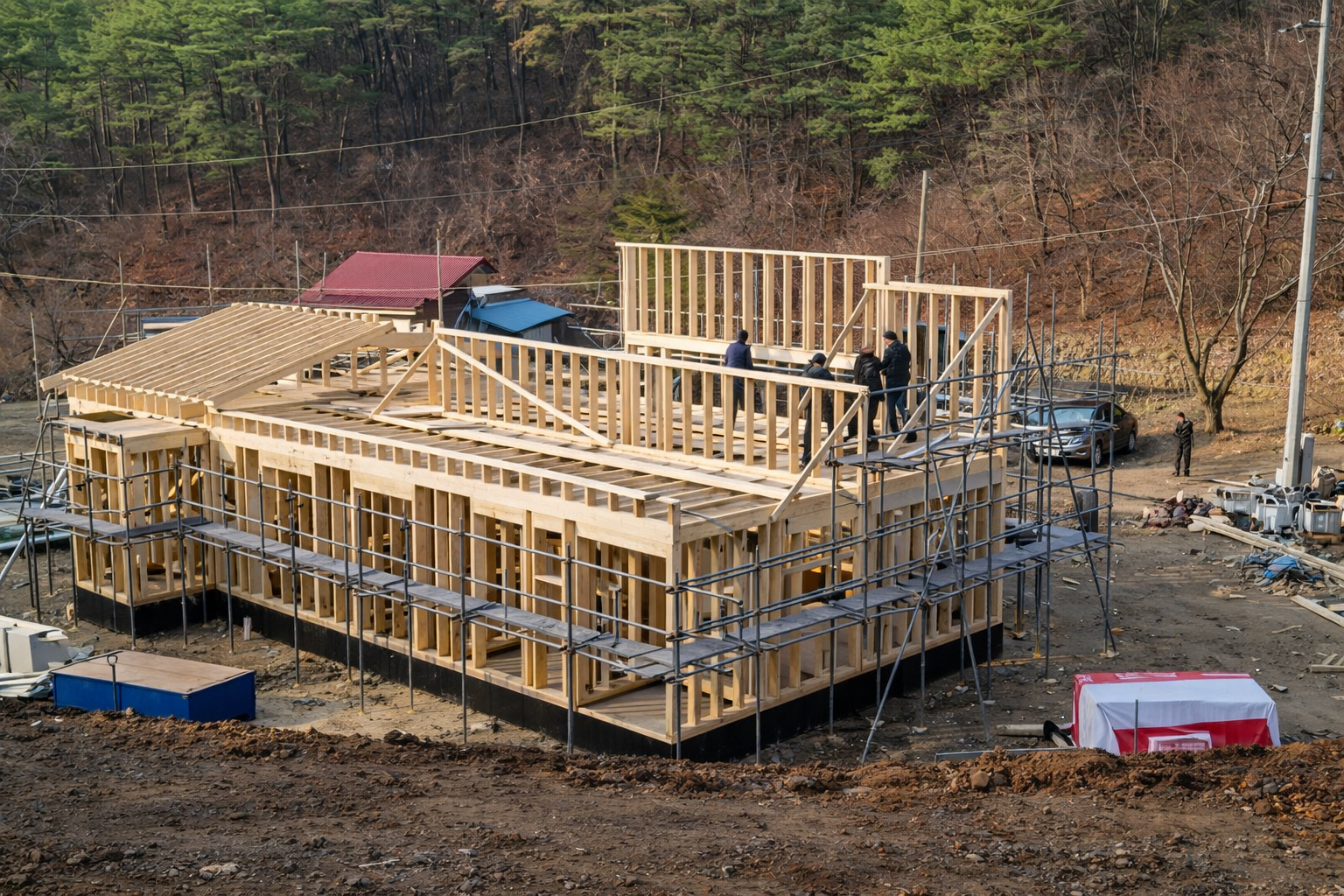
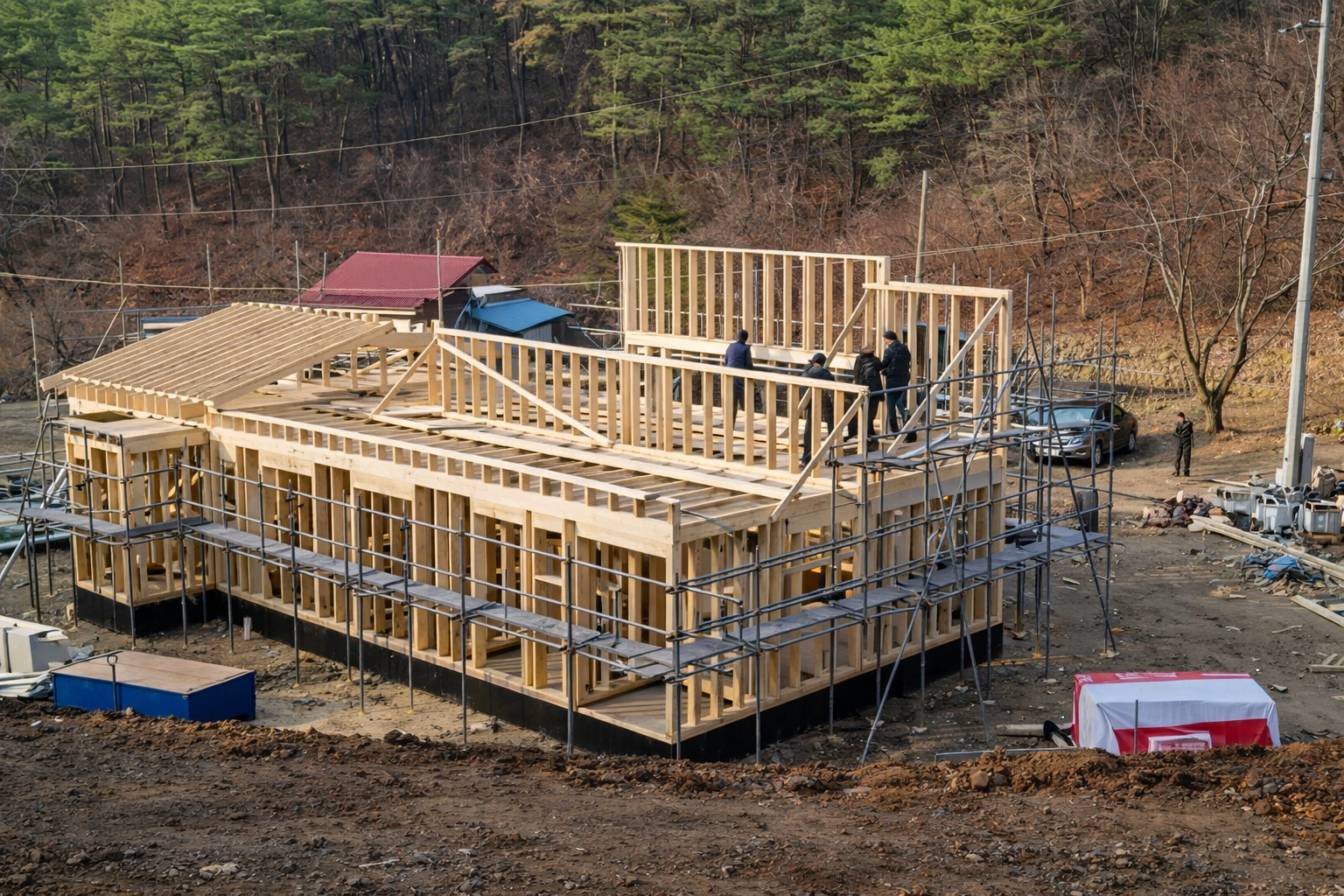
From empty land to a high-end house, wooden construction uses a lightweight system, metal structure for the foundation, ventilated ceramic cladding, and special windows to create an efficient and comfortable living space throughout the year.
The evaluation of the Broad Consumer Price Index (IPCA) reveals a favorable behavior of inflation. The IPCA finished 2023 at 4.6%, below the upper limit of the inflation target set by the National Monetary Council (CMN). Additionally, it is crucial to consider the deceleration compared to 2022, when the IPCA was 5.8% or 8.9% when considering the tax exemptions that year. In January 2024, the preliminary inflation rate had a variation of 0.31%, lower than expected.
Besides the constant deceleration of current inflation, expectations are positive. According to the guidelines from the Central Bank’s Focus Report, forecasts indicate an inflation rate of 3.8% by the end of 2024. A month ago, expectations for 2024 were at 3.9%. In addition to decreasing, the perspectives again point toward meeting the target, but with an even more optimistic outlook, as there should be a convergence toward the center of the target, which is 3%.
Impact of Exchange Rate on Inflation Control
The exchange rate is another element that supports the scenario of controlled inflation. In January 2023, the exchange rate exceeded R$ 5.40 per dollar. However, in recent months, it has stabilized around R$ 4.90 per dollar, easing the inflationary pressure from imported goods.
With recent favorable inflation data from the United States, which favor the beginning of a cycle of cuts in the American basic interest rate still in the first quarter, it is possible to reduce the Selic more quickly without causing pressure on the exchange rate due to the reduction in the interest rate differential compared to the United States, and consequently, on inflation in Brazil.
In addition to controlled inflation, another reason justifying the need for a more intense cut in Selic is the negative effects that high real interest rates are causing in the Brazilian economy. Even with the four reductions in Selic made since August 2023, the real interest rate – which disregards the effects of inflation – remains at 7.65% per year, that is, 3.15 percentage points above the neutral interest rate, which neither stimulates nor discourages economic activity.
Cost of Real Interest Rate is Very High for the Country’s Economic Activity
The exorbitant level of the real interest rate has been very costly for the country’s economic activity. The GDP was already stagnant in the third quarter of 2023 and expectations are not positive for the last quarter of the same year. The industrial production fell by 0.9% from January to November 2023, compared to the same period in 2022.
Retail alternates between months of decline and months of modest growth: sales fell by 0.3% in October and rose by only 0.1% in November 2023. The services sector, in turn, saw a decline of 2.2% between August and October 2023, even though it advanced by 0.4% in November.
Source: Portal da Indústria









Seja o primeiro a reagir!