






 Portuguese
  Spanish
  3 min of reading
  0 comments


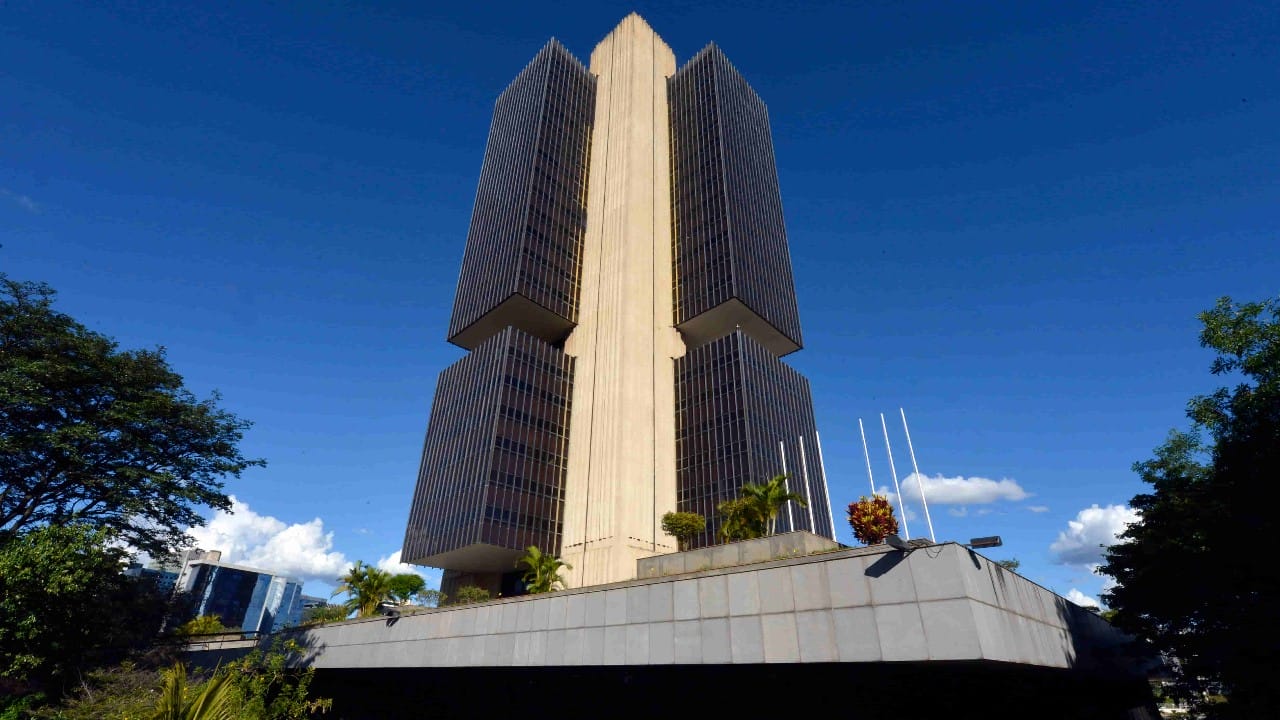
CNI: Controlled Inflation Allows for More Intense Cuts in Selic. Upcoming Meetings Need to Accelerate Basic Interest Rate Reduction to Cool Down the Economy.
The National Confederation of Industry (CNI) takes a critical stance regarding the decision of the Monetary Policy Committee (Copom) of the Central Bank to maintain the pace of basic interest rate (Selic) reduction at 0.50 percentage points. For the CNI, this conservative posture is considered excessive and not in line with the current inflation control scenario.
The CNI argues that the reduction of the Selic at a faster pace is fully justified by the inflation control scenario. According to the president of the CNI, Ricardo Alban, more aggressive measures are needed and possible for a more significant reduction in the financial costs borne by companies and consumers, favoring the economic environment of the country and boosting growth.
Impact of Decisions on Selic
Even with successive reductions in Selic in August, September, and November, the real interest rate – which disregards the effects of inflation – remains at 8% per year. This means it is 3.5 percentage points above the neutral interest rate, which neither stimulates nor dampens economic activity.
-
Long before sustainable construction became a trend, China built earthen fortresses with multiple floors, a central courtyard, and the capacity to house up to 800 people living in a community.

-
He got tired of renting, bought an old school bus, removed the seats, modified the roof, reinforced everything with steel, and created a two-story mobile home that looks small on the outside but houses two bedrooms inside.
-
A mother of four sought a safer family environment, watched tutorials on the internet, built a 325 m² house with her family, and learned foundation, walls, plumbing, and electrical work without any professional experience.
-
Iron ore falls to 762 yuan in China as real estate sales decline and steel production hits lowest level since 2018




This reality reflects the aggressiveness of Brazilian monetary policy, showing that the level of Selic is still high, both in relation to current inflation and future expectations, which has been harming the credit market and economic activity,” says Alban.
Inflation Deceleration Remains Consistent
Inflation continues to show positive behavior. The Broad Consumer Price Index (IPCA), which reached 5.9% in November 2022 over 12 months, fell to 4.7% in the equivalent period this year. If it weren’t for the tax exemptions, the IPCA accumulated over 12 months until November 2022 would have reached 9%, which reinforces an even sharper deceleration of inflation.
The prices of Food and Industrial goods have been the main drivers of this deceleration. Even the prices of Services, which are normally more resistant due to their indexing to past inflation, have also shown a decrease: from 8% in the accumulated 12 months until November 2022 to 6.1% in the same period this year.
In addition to the consistent trajectory of inflation deceleration, the projections for the future are encouraging, according to the Central Bank’s Focus Report. The expectations for 2023, with projections at 4.5%, indicate the fulfillment of the inflation target after two years. For 2024, the projections at 3.9% also indicate target fulfillment, but under an even better condition, as, in addition to hitting the ceiling, there is the possibility of approaching the center of the target, which is 3%.
Reduction of Credit Grants and GDP Deceleration
In this context, the CNI draws attention to the adverse credit situation. Credit grants to companies fell by 5.6% in real terms in the accumulated period from January to October 2023, compared to the same period in 2022. The figures are also concerning in economic activity, indicating a cooling down. After a growth of 1.4% in the first quarter of 2023, the GDP remained stable (+0.1%) in the third quarter of 2023, compared to previous quarters.
Source: Industry Portal


Be the first to react!