





 English
  Francês
  Alemão
  Italiano
  Japonês
  Norueguês
  Portuguese
  Spanish
  3 min of reading


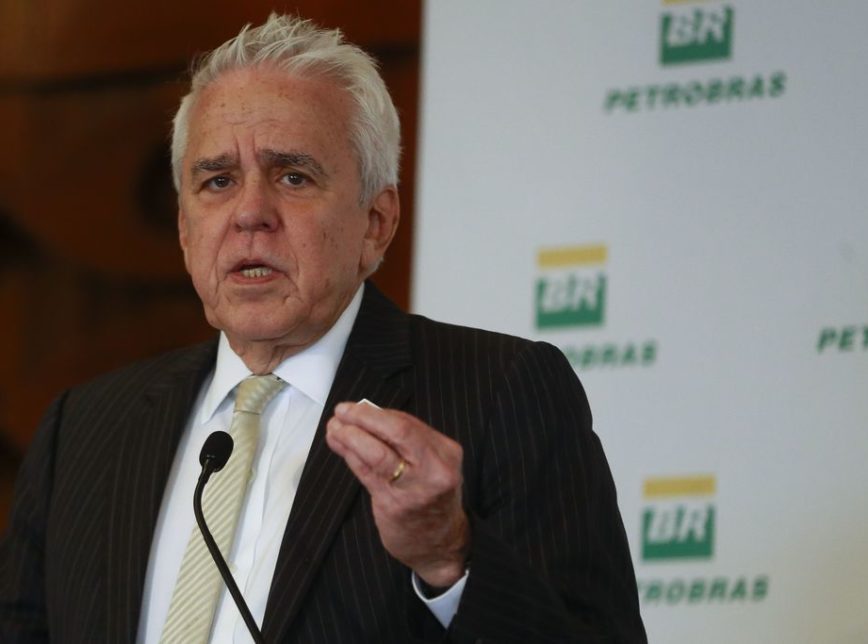
Roberto Castello Branco, President of Petrobras, Declared That Measures Have Not Been Effective in Recent Years and Do Not Contribute to the Search for Efficiency
While participating in an event this Tuesday (08/20) at the Brazilian Institute of Oil (IBP), Petrobras President Roberto Castello Branco declared that he is in favor of ending the sharing regime that is currently mandatory for the exploration and production of oil in the pre-salt fields, as well as ending the local content requirement that forces oil companies to meet percentages of hiring materials and equipment in Brazil. In Search of Cost Reduction, Petrobras Will Shut Down Its Base at Edinc in Macaé.
According to him, these measures do not stimulate the quest for efficiency nor contribute to the improvement of the competitiveness of domestic industries.
“The so-called pre-salt polygon (area defined by the government that includes the fields in the pre-salt between the Santos and Campos basins) should be eliminated, allowing the government to decide in which areas to apply the concession or sharing regime. The sharing regime, just like the local content requirement, removes the stimulus for efficiency; it is not the management that decides what is best for the company, but rather the rules established by bureaucrats. The sharing regime does not lead to efficiency,” declared the president of Petrobras.
-
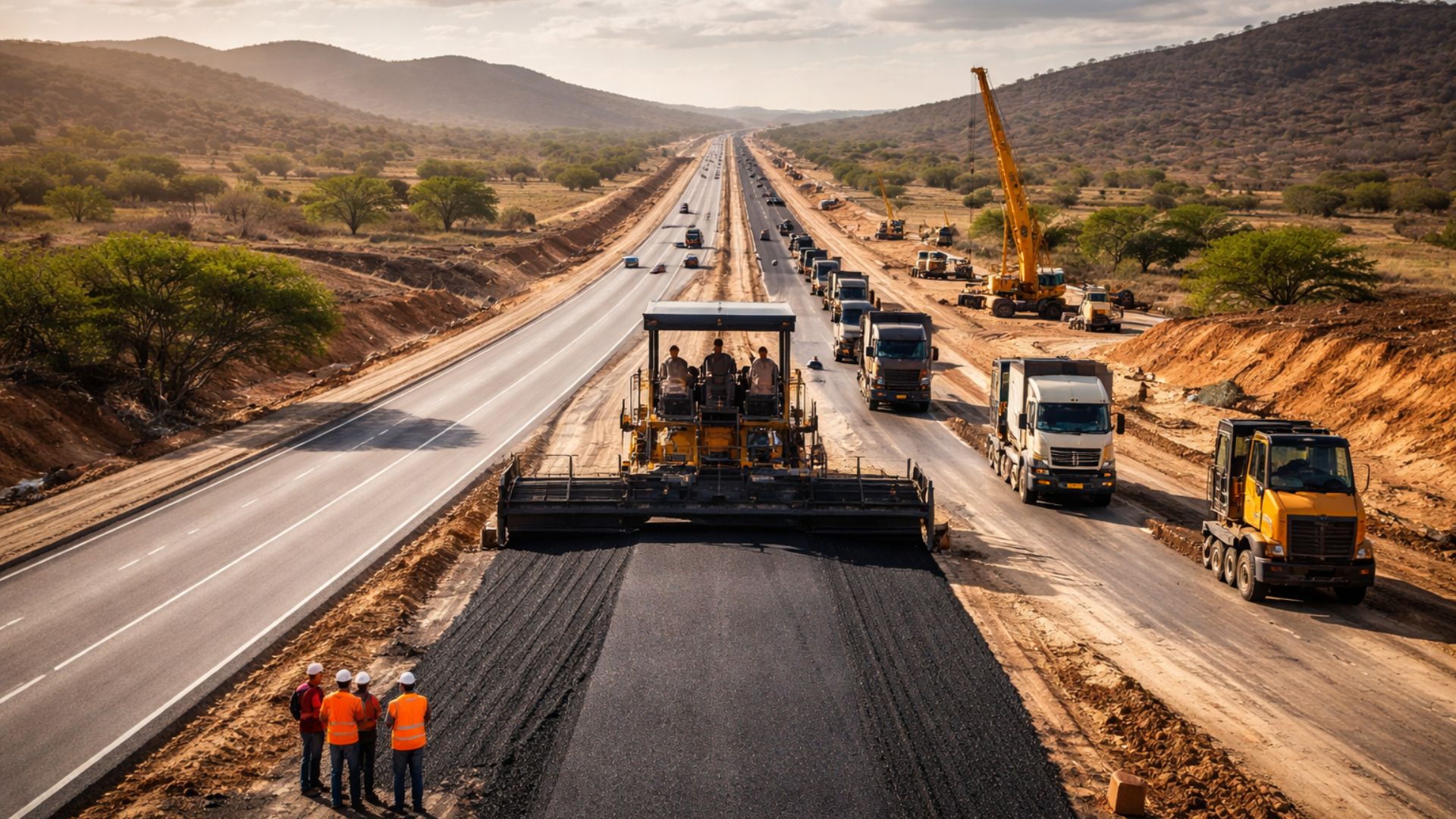
Government unlocks R$ 554 million for a highway that has been requested for decades and accelerates the duplication of BR.
-
Without bricks, without cement, and without endless construction: the cardboard house that is assembled in modules and can be moved.

-
Billions of barrels on the equatorial margin could lead Amapá to double its oil production in Brazil — the state aims to enter the route of companies in the Campos Basin, attract investments, and boost jobs and businesses in the oil and gas sector.
-
Without bricks, without cement, and without endless construction: the cardboard house that is assembled in modules and can be moved.

According to Castello Branco, the ANP has improved the rules, but the local content still influences oil companies, and in his opinion, if the domestic industry is competitive, it does not need protection and he added: “If the local industry is good, it does not need anything, it does not need to force oil companies to demand its products. If it has not been efficient after 22 years of the Oil Law, it is time to end that, because it was of no use. If 22 years was not enough for companies to learn something, to be competitive, those who were not prepared, too bad. The oil industry should not pay for that.”
Cost Reduction
With debts exceeding US$ 101 billion, Petrobras continues its cost reduction program. Some offices are being closed and the leased properties are being handed back.
Just like at Edinc (in Macaé), which is in the process of demobilization, and at Edisp (in São Paulo), which has already been closed, this time, a visit by President Castello Branco to the Petrobras building in Vitória, Espírito Santo, last Monday, made the president consider further cost cuts.
“It’s a beautiful, modern building, I was surprised. We have top-notch staff working there, but it costs us R$ 176 million a year. The building is in the most valued area of Vitória, has better technology, imported glass from Belgium, plenty of glass, and automatic closing blinds. But that weighs heavily on the company’s costs. Our ongoing pursuit is cost reduction,” he declared.
Petrobras President also recalled that this austere policy is due to years of assaults by a “criminal organization” that the company has gone through, clearly referring to the corruption cases revealed by the Lava Jato operation.
Read Also! Petrobras Receives Only Two Bids for Liquigás, GLP Distributor!








Seja o primeiro a reagir!