





 Portuguese
  English
  Spanish
  3 min of reading
  1 comment


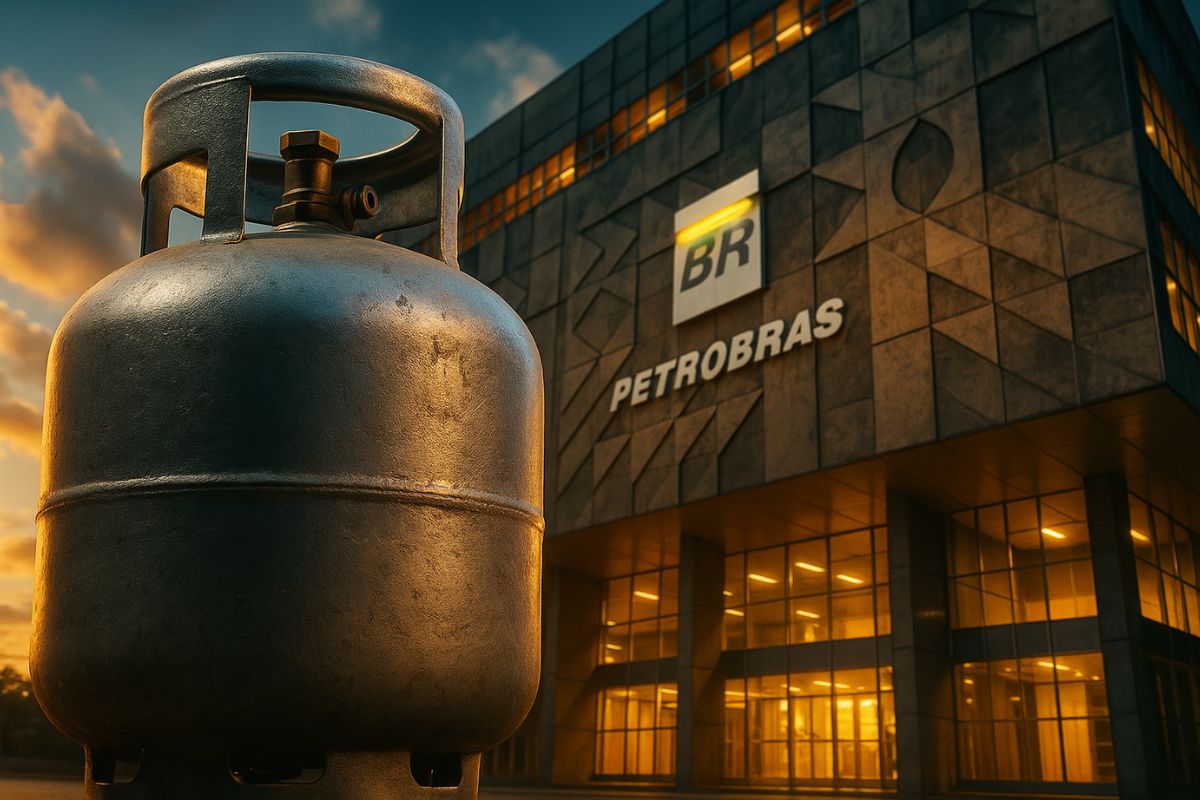

Petrobras President Suggests Return of Kitchen Gas Subsidy. Magda Chambriard Advocated Reopening the Debate on Differentiated Prices for 13 kg Gas Cylinders; Government Also Studies Social Measures.
The statement that the Petrobras president suggests return of the kitchen gas subsidy has stirred the energy debate in Brazil. In an interview cited by Folha de S. Paulo, Magda Chambriard stated that the country may need to resume pricing differentiation policies between domestic and industrial use to contain market distortions.
This position reignites an old discussion: how to balance gas prices for low-income families without compromising sector investments? The topic arises at a time when the government is also considering distributing free gas cylinders to more vulnerable families.
Why Does the Petrobras President Suggest Return of the Kitchen Gas Subsidy
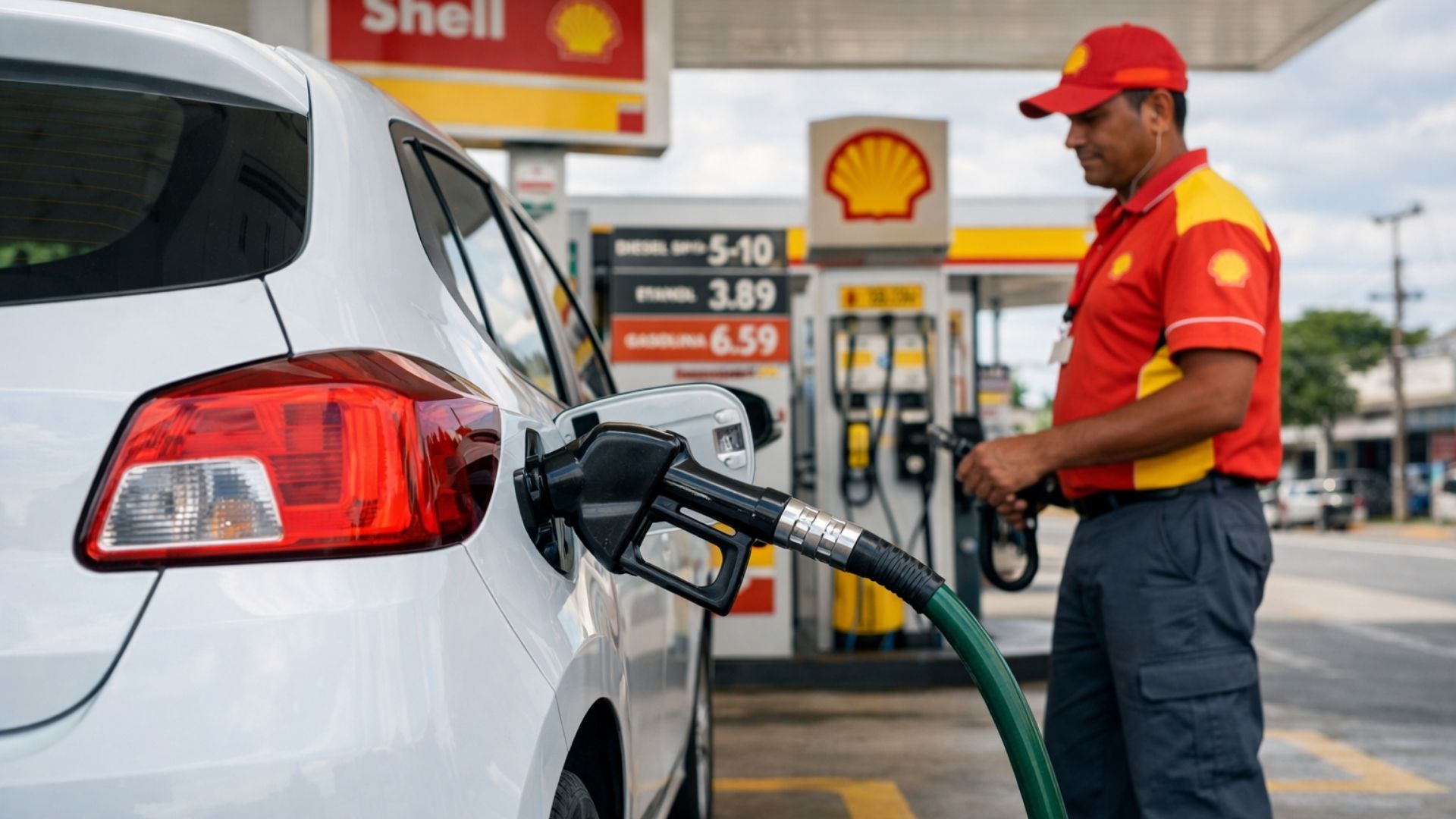
According to Magda Chambriard, the current pricing structure shows signs of disorganization. The 13 kg gas cylinder, used by most Brazilian households, directly impacts household budgets. The idea of a subsidy arises as a way to ease consumers’ burden and ensure social stability.
-
Petrobras surprises the world again by announcing a new discovery in the pre-salt with excellent quality oil.
-
Offshore industrial demand in Macaé skyrockets with the recovery of oil and gas and could grow by up to 396% by 2026 in the Campos Basin.
-
Offshore industrial demand in Macaé surges with the recovery of oil and gas and could grow by up to 396% by 2026 in the Campos Basin.
-
Brazilian giant expands borders in the Southeast: Petrobras confirms new oil discovery in ultra-deep waters in the pre-salt of the Campos Basin.

The pricing differentiation policy is not new. It was adopted during the administration but was abolished in 2020 under President Bolsonaro, after criticism that it also benefited higher-income families. Now, with the disparity in profit margins in resale and distribution, the topic is back on the agenda.
Impacts for Consumers and the Sector
The possibility that the Petrobras president suggests return of the kitchen gas subsidy worries various sectors. For consumers, the impact would be positive, with relief in the final price of the cylinder. However, the market fears that the return of the policy could discourage private investments in infrastructure.
According to data from the National Agency of Petroleum (ANP), even without official adjustments at refineries, the average gas price rose 6% between November and July. Petrobras claims that part of this increase is due to auctions held with distributors, where prices can exceed double the base value.
What May Change from Now On
The federal government is studying additional measures, including the return of Petrobras to the direct distribution of kitchen gas, a sector it exited in 2020 with the sale of Liquigás. Additionally, Lula is discussing the creation of a social program to provide free cylinders to low-income families.
Experts say that if the proposal advances, it will be necessary to establish strict criteria so that subsidies truly reach those in greatest need. Otherwise, the country risks repeating the distortions seen in the past.
The fact that the Petrobras president suggests return of the kitchen gas subsidy places a sensitive debate back on the agenda: the balance between social policy and economic viability. For low-income consumers, the measure may mean immediate relief. For the energy sector, a challenge in maintaining investments and competitiveness.
And what do you think, do you believe that the return of the kitchen gas subsidy is the fairest solution? Or do you think the government should seek alternatives without distorting the market? Leave your opinion in the comments – we want to hear from those who live this in practice.








Boa tarde, poderia perguntar a Petrobras sobre esses leilões, quem faz esses leilões? A distribuidora ou a Petrobras? Se o leilão o gás arrematado mais caro , automaticamente o gás de cozinha se torna mais caro, mas dessa forma eles não precisam anunciar na mídia que teve aumento do gás.