





 Portuguese
  English
  Spanish
 3 min of reading


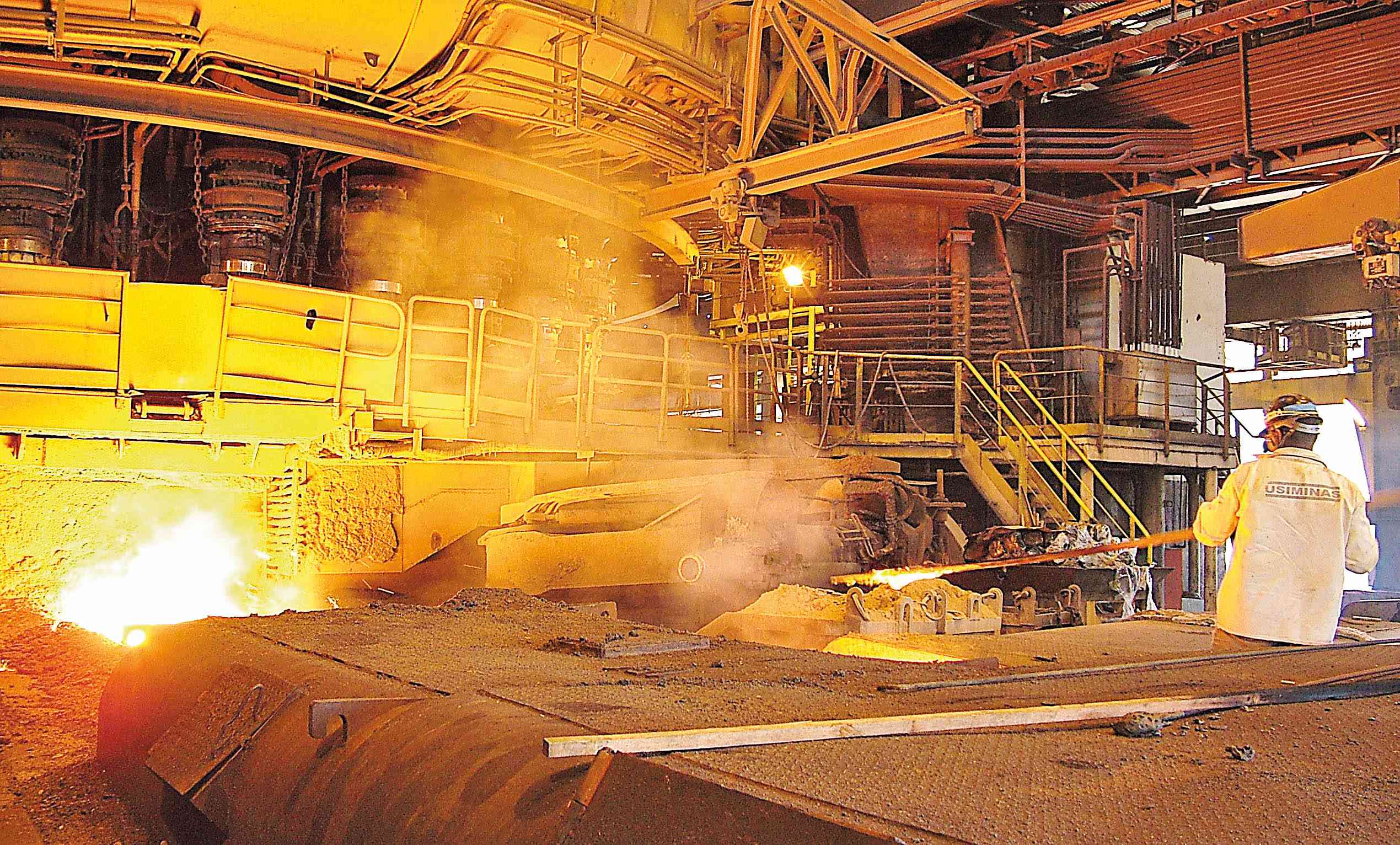
Sergio Leite, President of Usiminas, Confirmed the Reactivation of Blast Furnace 2 for June This Year, Generating Jobs in Ipatinga, Minas Gerais
In a virtual interview held last week, the president of Usiminas, Sergio Leite, confirmed the reactivation of Blast Furnace 2 for June 1 of this year. The site had been idle since April last year due to the pandemic and has a production capacity of about two thousand tons of pig iron per day. With the reactivation, many jobs will be created in the city of Ipatinga, in the state of Minas Gerais. See also: Usiminas opens a selection process for candidates with no experience from all technical and higher education areas in SP, MG, and more for internship positions 2021
- Sebrae offers hundreds of free online courses via WhatsApp in the areas of marketing, management, entrepreneurship, and much more
- URGENT Job Openings for Working Offshore in June, Announced Yesterday (05/18) by the Multinational Maritime Industry Wilhelmsen
- Scania, which produces gas-powered trucks at its factory in SP, targets the ‘Caipira Pre-Salt’ and partners with Congás to accelerate the use of natural gas and biogas in heavy fleet
- Toyota Increases Car Exports by 164% in 2021; Company Awaits Reforms to Assess Investments
- Petrobras Expands Drilling Rig Fleet to Intensify Exploratory Activities and Offshore Production Development in Campos, Espírito Santo, and Santos Basins
Production and Job Creation with the Reactivation of Blast Furnace 2
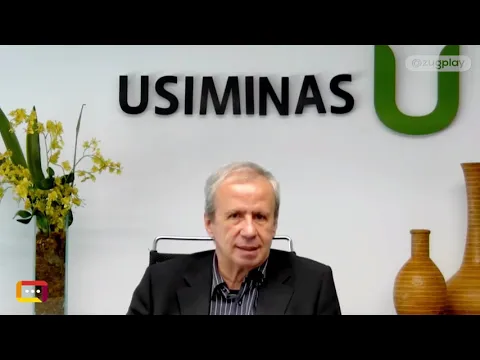
In an interview with the press, the president of Usiminas, Sergio Leite, highlighted that the company has a large investment plan for this year. Usiminas, which jumped from a nearly imminent bankruptcy process to a prominent role in its segment, will invest around R$ 1.5 billion, contributing to job creation in the state of Minas Gerais.
The CEO of Usiminas states that there will be hundreds of projects involving various segments, with the potential to generate thousands of job openings. Sergio also stated that a large portion of these investments will be directed to the Ipatinga Plant in the state of Minas Gerais. He further confirms that they will resume the operation of Blast Furnace 2 on June 1, and asserts that these investments, besides creating job vacancies during their implementation, will also create jobs for operation, starting with the functioning of the equipment.
-
With 74% of companies facing difficulties in hiring, technicians and engineers in renewable energy are becoming scarce in Brazil and are essential to support the expansion of solar, wind, and green hydrogen projects.

-
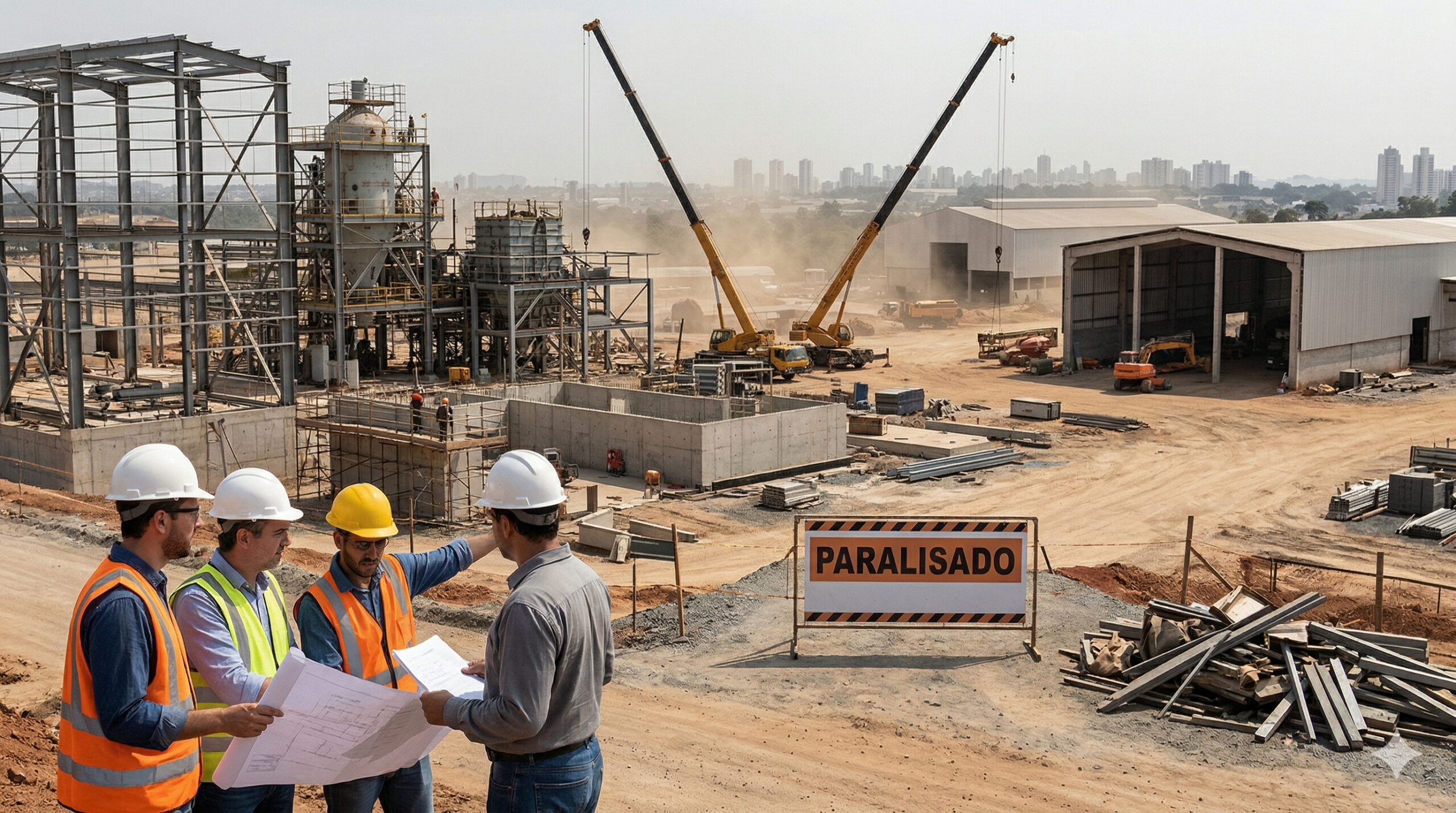
The lack of welders, electricians, and operators becomes a structural threat in 2025, with the construction industry and manufacturing already suffering from delays, cost pressures, and labor shortages in Brazil.
-
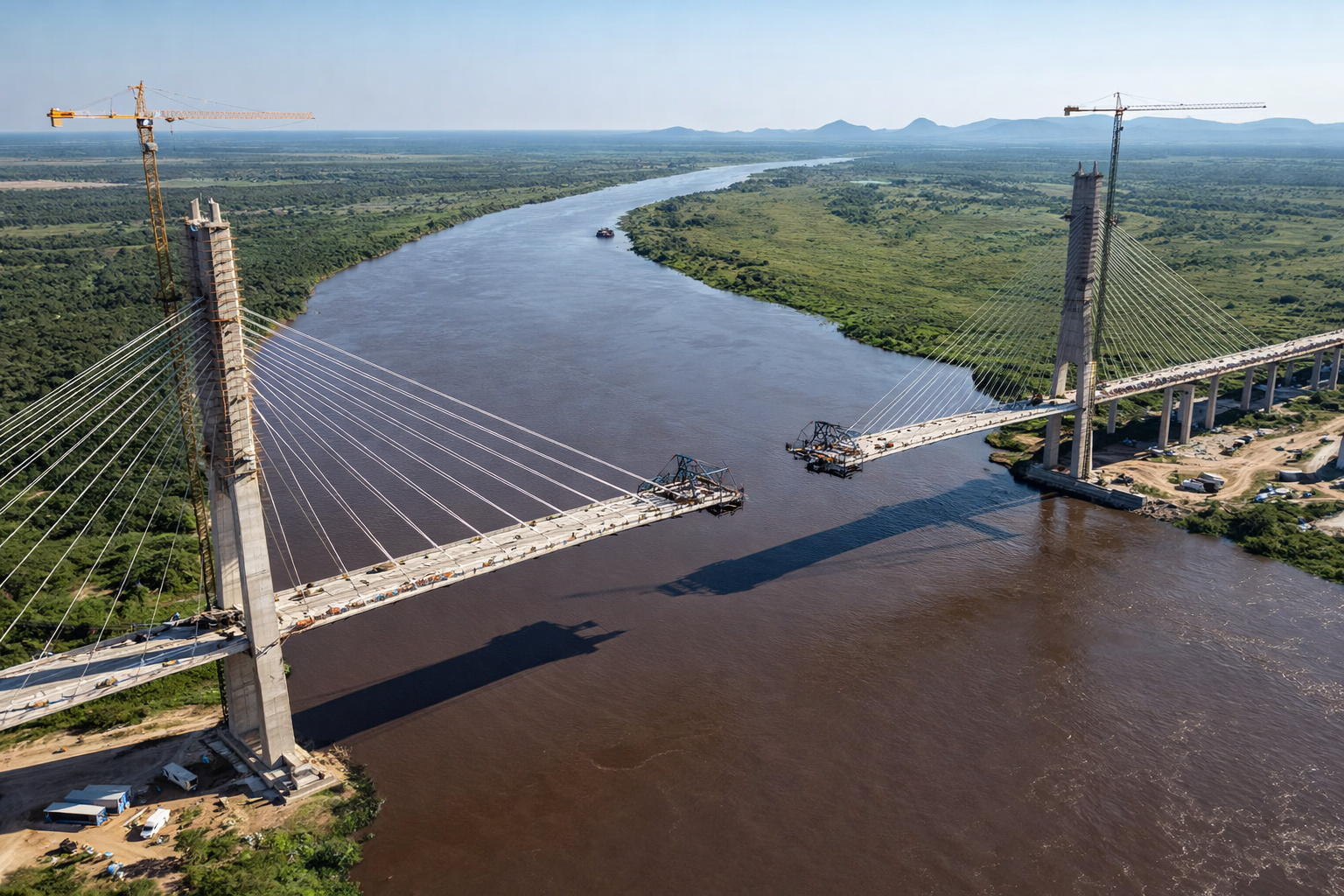
Brazil and Paraguay are just 46 meters away from a historic union on the bioceanic bridge that promises to revolutionize trade between the Atlantic and the Pacific.
-
With 55 km over the sea, a cost of US$ 20 billion, and enough steel to build 60 Eiffel Towers, China’s largest project has connected Hong Kong, Zhuhai, and Macau in a colossal bridge that defies the logic of engineering.


With the reactivation of Blast Furnace 2 in the state of Minas Gerais, the president of Usiminas stated that the impact in terms of production will be 60 thousand tons of pig iron monthly and over 60 thousand tons of plates per month, resulting in an increase in production exceeding 700 thousand tons annually.

See Also: Usiminas Announces It Will Invest R$ 1.5 Billion This Year
Usiminas informed, in a statement at the beginning of this year, that it plans to invest around R$ 1.5 billion in 2021 in steelmaking, mining, and processing units, according to the company’s guidance. In the document, the company also highlighted the forecast for steel sales, which is around 1.2 million tons, while iron ore sales are expected to reach 9 million tons.
The company reversed the loss of R$ 424 million recorded in the first quarter of 2020, at the peak of the crisis, and had a net income of R$ 1.2 billion between January and March of this year. The Ebitda (a metric widely used to analyze publicly traded companies) amounted to R$ 2.4 billion, an increase of 325% compared to the same period last year.







Seja o primeiro a reagir!