





 Portuguese
  English
  Spanish
  2 min of reading
  0 comments


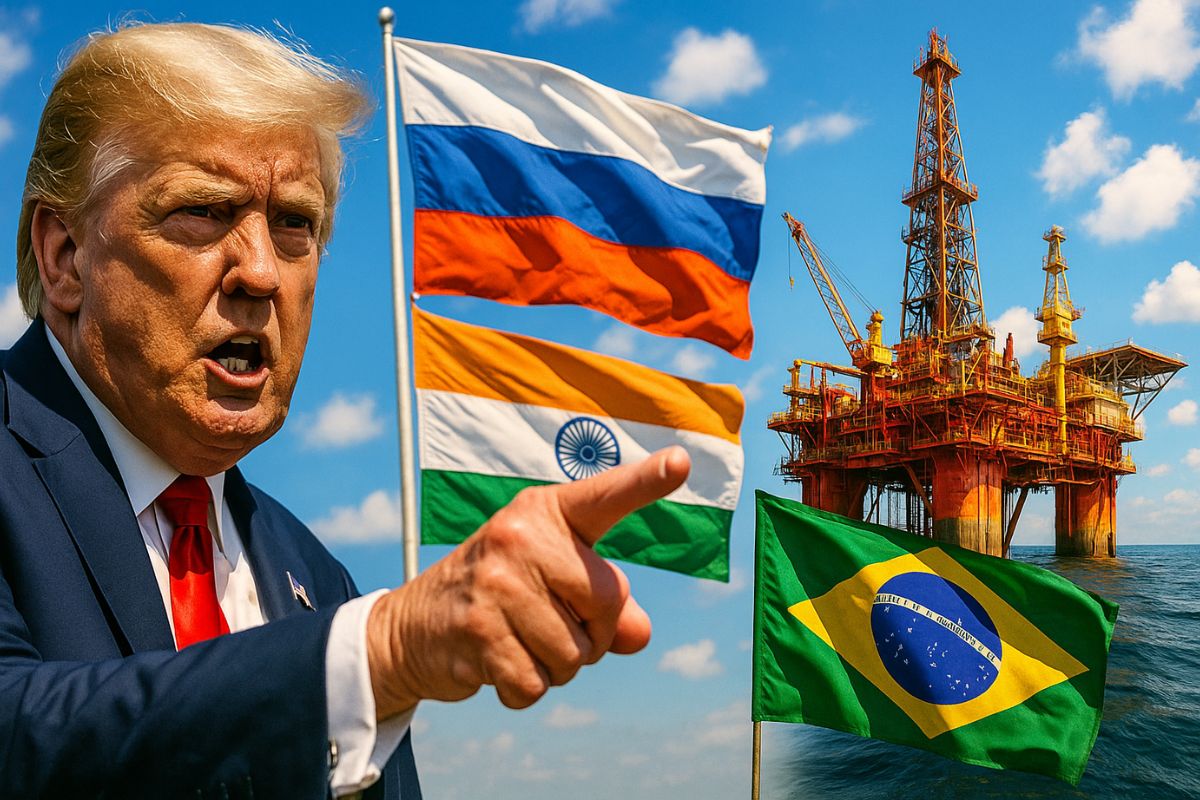
Indian Refineries Change Import Routes and Include Brazil Among Benefited Suppliers.
The state-owned companies of India are buying oil outside of Russia after Trump’s tariffs, marking a turnaround in global energy trade. The decision came after direct pressure from the U.S. president, who imposed a 25% extra tariff on Indian goods in retaliation for Russian oil purchases.
According to information from Folha de S.Paulo based on data from Reuters, Indian Oil Corp and Bharat Petroleum acquired at least 22 million barrels of oil from other sources for delivery between September and October, including the United States, Brazil, Libya, Angola, and Nigeria.
End of Russian Purchases After Three Years
Since 2022, Indian state refineries had been major buyers of discounted Russian oil, taking advantage of the gap left by countries that reduced business after the invasion of Ukraine. However, this preference clashed with the new stance of the White House.
-
Brazilian city bets on the business environment to generate jobs and attract investments in the energy sector — secretary reveals strategy at Macaé Energy 2026.

-
50 viaducts, 4 tunnels, 28 bridges, and 40 kilometers of bike paths: BR-262 in Espírito Santo will receive 8.6 billion reais for the largest engineering project in the state’s history, inspired by the Immigrant Highway in São Paulo.

-
Brazil produces too much clean energy and doesn’t know what to do with it: over 20% of solar and wind capacity was wasted in 2025 while investors flee and 509 renewable generation projects were abandoned in the last year.

-
Piauí will produce a new fuel that replaces diesel without needing to change anything in the truck’s engine and reduces pollutant gas emissions by half: truck drivers from all over the Northeast are already celebrating the news that will arrive later this decade.

With Trump’s tariffs, India halted Russian imports at the end of July. Analysts believe that the measure goes beyond commercial pressure and seeks to economically isolate Moscow, forcing its partners to diversify suppliers.
Brazil Among the New Suppliers
In the latest round of purchases, Indian Oil acquired 2 million barrels of Sépia and Sururu type oil from Brazil, along with significant volumes from the U.S., Libya, and the Middle East. The deals involved traders like Petraco and TotalEnergies, reinforcing Brazil’s presence in the Asian oil market.
Bharat Petroleum followed the same trend, buying 9 million barrels outside of Russia, including Angolan Girassol oil, Nigerian oil, and U.S. oil. Together, the acquisitions account for about 6% of India’s monthly crude oil processing.
Logistical and Price Advantage
Industry sources point out that logistical arbitrage favored purchases in the Atlantic Basin, as shipping costs to Asia have fallen, making the product competitive against Russian oil. This scenario opens opportunities for producers like Brazil to expand their share in the Indian market, now one of the largest energy consumers on the planet.
Still, the impact on global prices and petroleum geopolitics will depend on Moscow’s reaction and the ability of exporting countries to meet this demand consistently.
And you? Do you think Trump’s pressure will really change the global map of oil trade or will it just be a temporary move? Leave your opinion in the comments — we want to hear from those closely following this market.








Seja o primeiro a reagir!