Portuguese
  Spanish


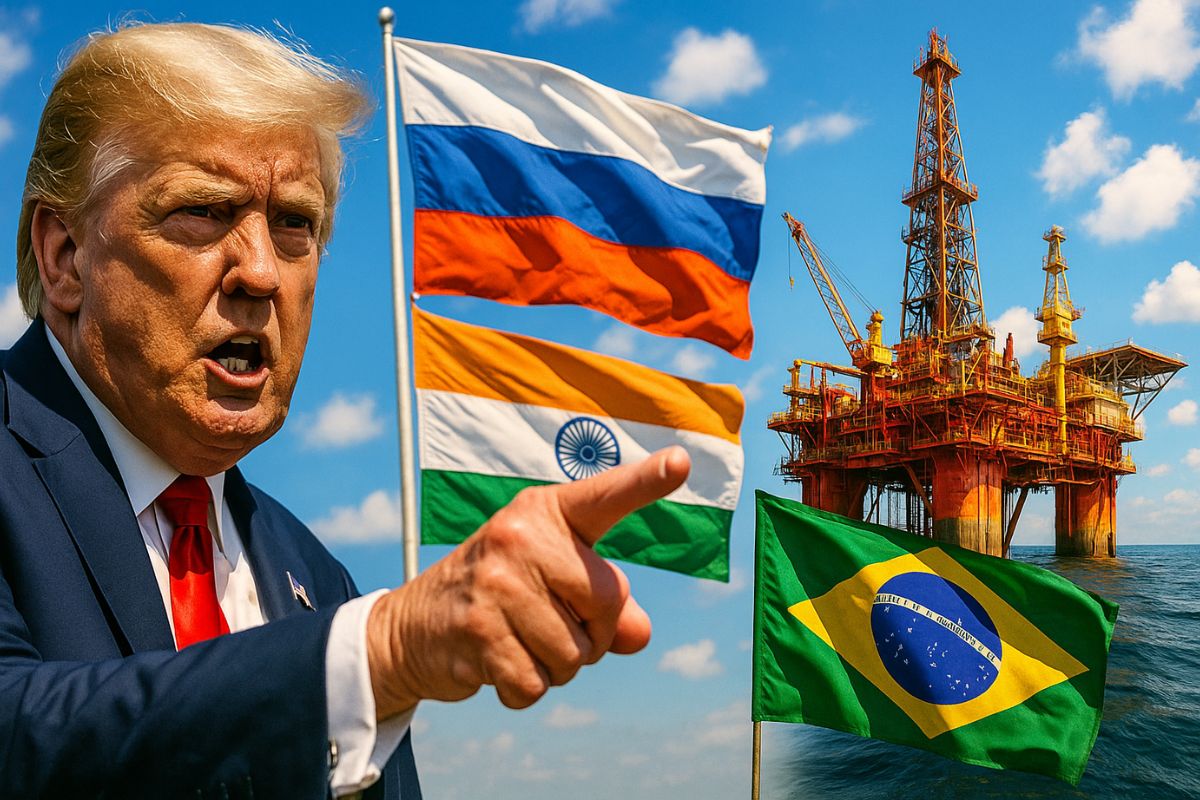

Indian Refineries Change Import Routes and Include Brazil Among Benefited Suppliers.
The state-owned companies of India are buying oil outside of Russia after Trump’s tariffs, marking a turnaround in global energy trade. The decision came after direct pressure from the U.S. president, who imposed a 25% extra tariff on Indian goods in retaliation for Russian oil purchases.
According to information from Folha de S.Paulo based on data from Reuters, Indian Oil Corp and Bharat Petroleum acquired at least 22 million barrels of oil from other sources for delivery between September and October, including the United States, Brazil, Libya, Angola, and Nigeria.
End of Russian Purchases After Three Years
Since 2022, Indian state refineries had been major buyers of discounted Russian oil, taking advantage of the gap left by countries that reduced business after the invasion of Ukraine. However, this preference clashed with the new stance of the White House.
-
Brazilian Steel Giant Partners with USP to Develop 40% Stronger Rebar for World’s Tallest Residential Building in Brazil’s Senna Tower

-
Oil Prices Drop to $72 as 20 Million Barrels Pass Through Strait of Hormuz in 24 Hours, Easing Supply Fears but Regional Tensions Keep Market on Edge

-
Brazil’s Ministry of Justice Investigates CazéTV for Betting Ads During World Cup Broadcasts

-
Brazilian Retail Giant Americanas Faces $10 Billion Asset Freeze Amid Investigation into Hidden Debts


With Trump’s tariffs, India halted Russian imports at the end of July. Analysts believe that the measure goes beyond commercial pressure and seeks to economically isolate Moscow, forcing its partners to diversify suppliers.
Brazil Among the New Suppliers
In the latest round of purchases, Indian Oil acquired 2 million barrels of Sépia and Sururu type oil from Brazil, along with significant volumes from the U.S., Libya, and the Middle East. The deals involved traders like Petraco and TotalEnergies, reinforcing Brazil’s presence in the Asian oil market.
Bharat Petroleum followed the same trend, buying 9 million barrels outside of Russia, including Angolan Girassol oil, Nigerian oil, and U.S. oil. Together, the acquisitions account for about 6% of India’s monthly crude oil processing.
Logistical and Price Advantage
Industry sources point out that logistical arbitrage favored purchases in the Atlantic Basin, as shipping costs to Asia have fallen, making the product competitive against Russian oil. This scenario opens opportunities for producers like Brazil to expand their share in the Indian market, now one of the largest energy consumers on the planet.
Still, the impact on global prices and petroleum geopolitics will depend on Moscow’s reaction and the ability of exporting countries to meet this demand consistently.
And you? Do you think Trump’s pressure will really change the global map of oil trade or will it just be a temporary move? Leave your opinion in the comments — we want to hear from those closely following this market.