





 Portuguese
  English
  Spanish
  5 min of reading
  0 comments


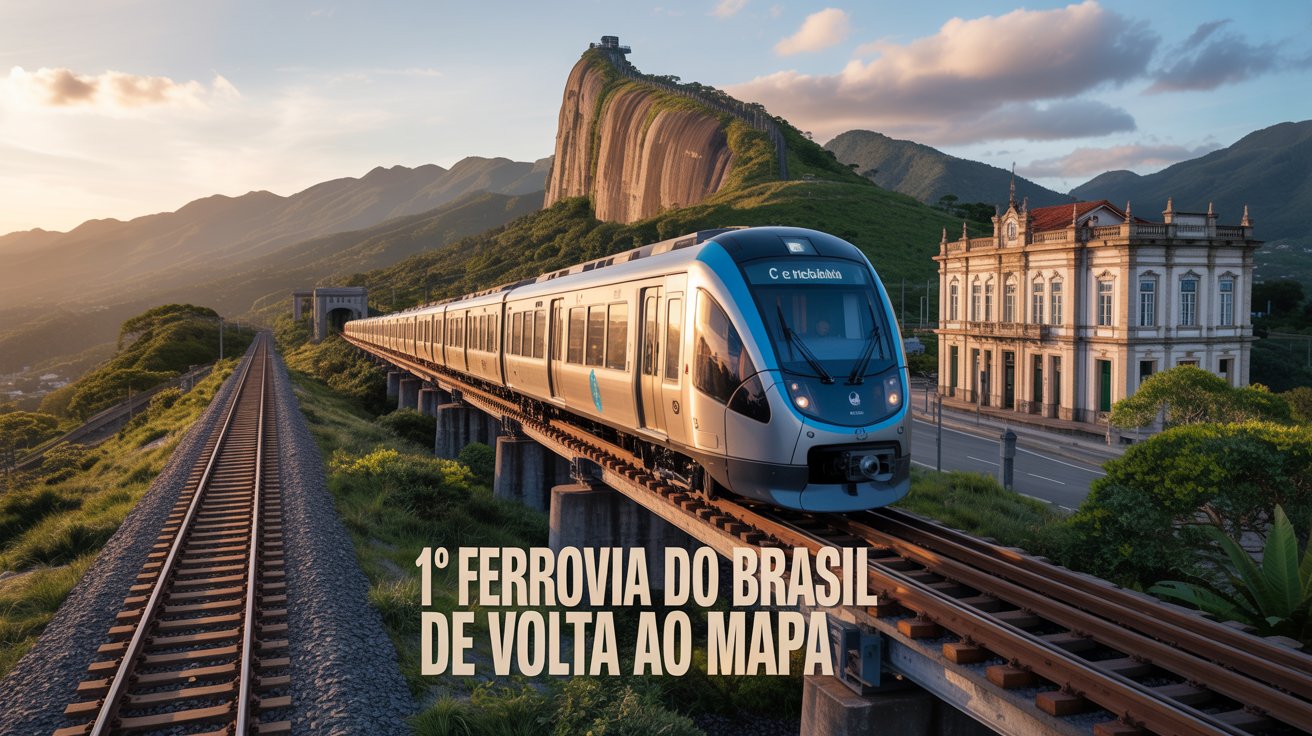
Project Proposes Revitalization of Historic Stretch with Special Light Rail, Capable of Facing Steep Ramps and Enhancing Tourism in Serra da Estrela, Taking Advantage of the Cultural and Scenic Potential of the Original Route of Brazil’s First Railway.
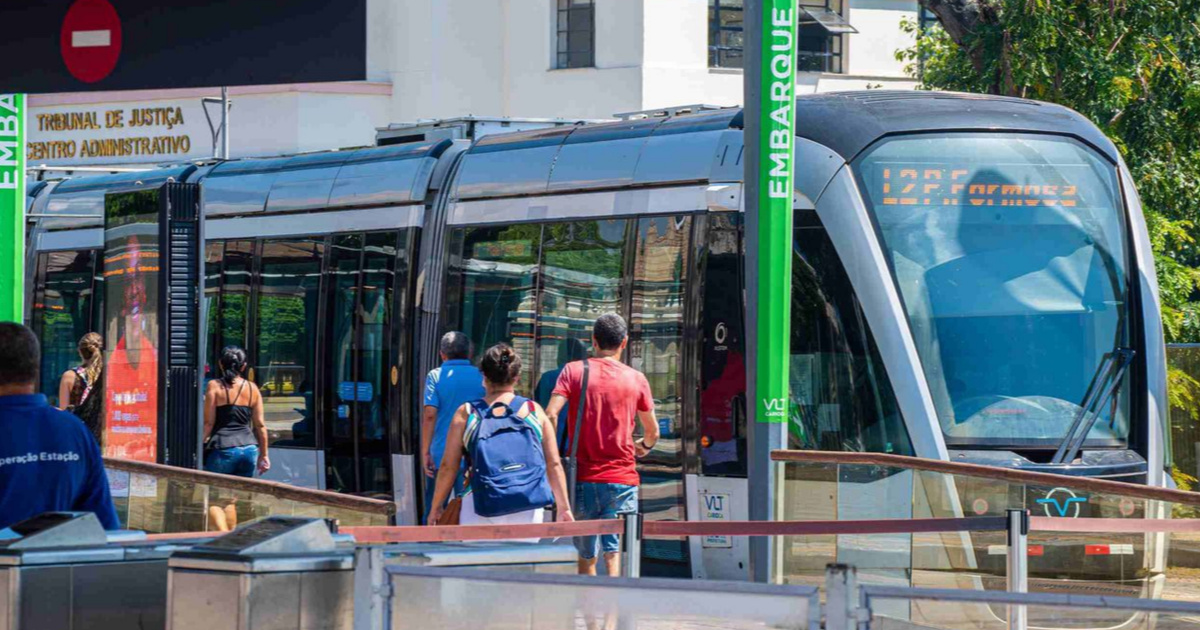
The National Urban Mobility Study (ENMU), developed by BNDES in partnership with the Ministry of Cities, analyzed the creation of a tourist light rail between Magé and Petrópolis along the deactivated route of the country’s first railway, covering 6.5 km, with five stations and integration at the Vila Inhomirim station.
According to the website ViaTrolebus, the proposal aims to combine mobility and historical preservation, but it has been classified as a predominantly tourist project, and not one of medium-high capacity for daily commuting.
What Is on the Table
According to the summaries released about the ENMU, the design of the tourist light rail between Magé and Petrópolis includes local connections and links with the existing metropolitan branch, facilitating access to Serra da Estrela and cultural attractions.
-
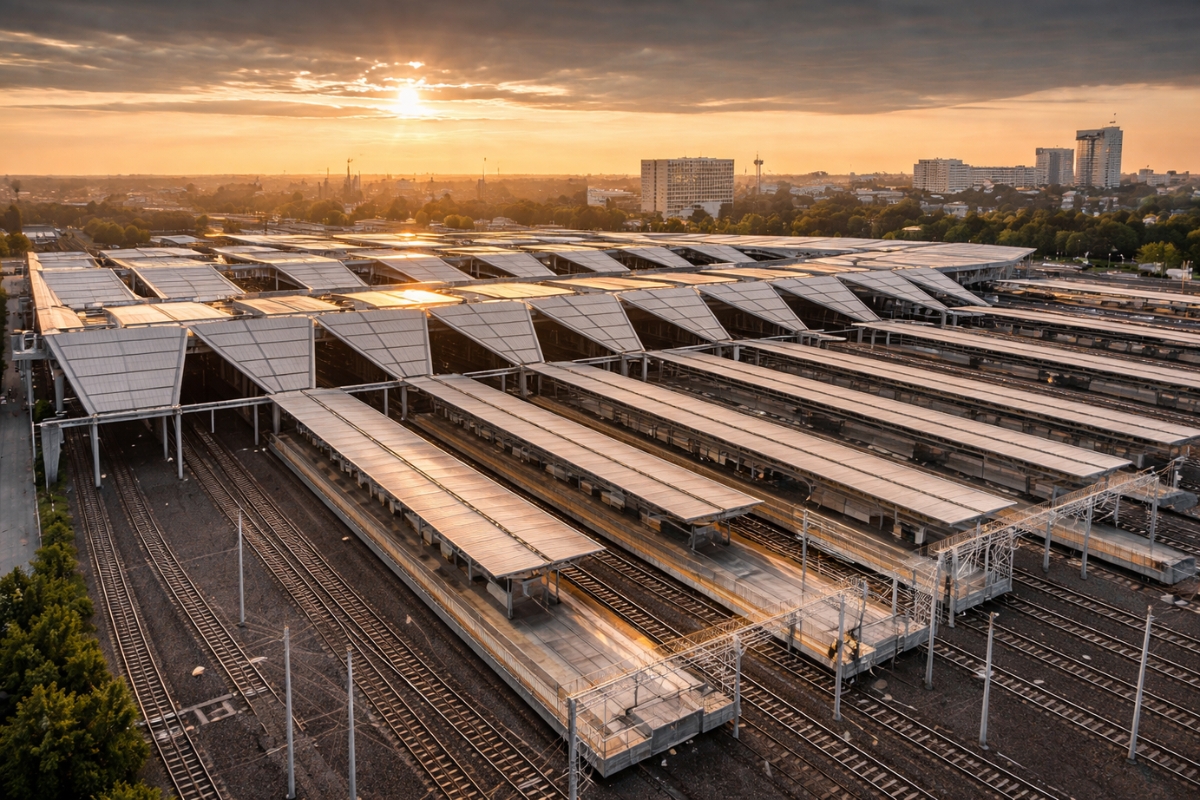
In A European City, The Country’s Largest Railway Junction Was Modernized Without Closing Its Doors, Kept Trains Running During Years Of Construction, Now Serves Up To 60,000 Passengers Per Day, And Installed Solar Panels That Generate About 30% Of Its Energy
-
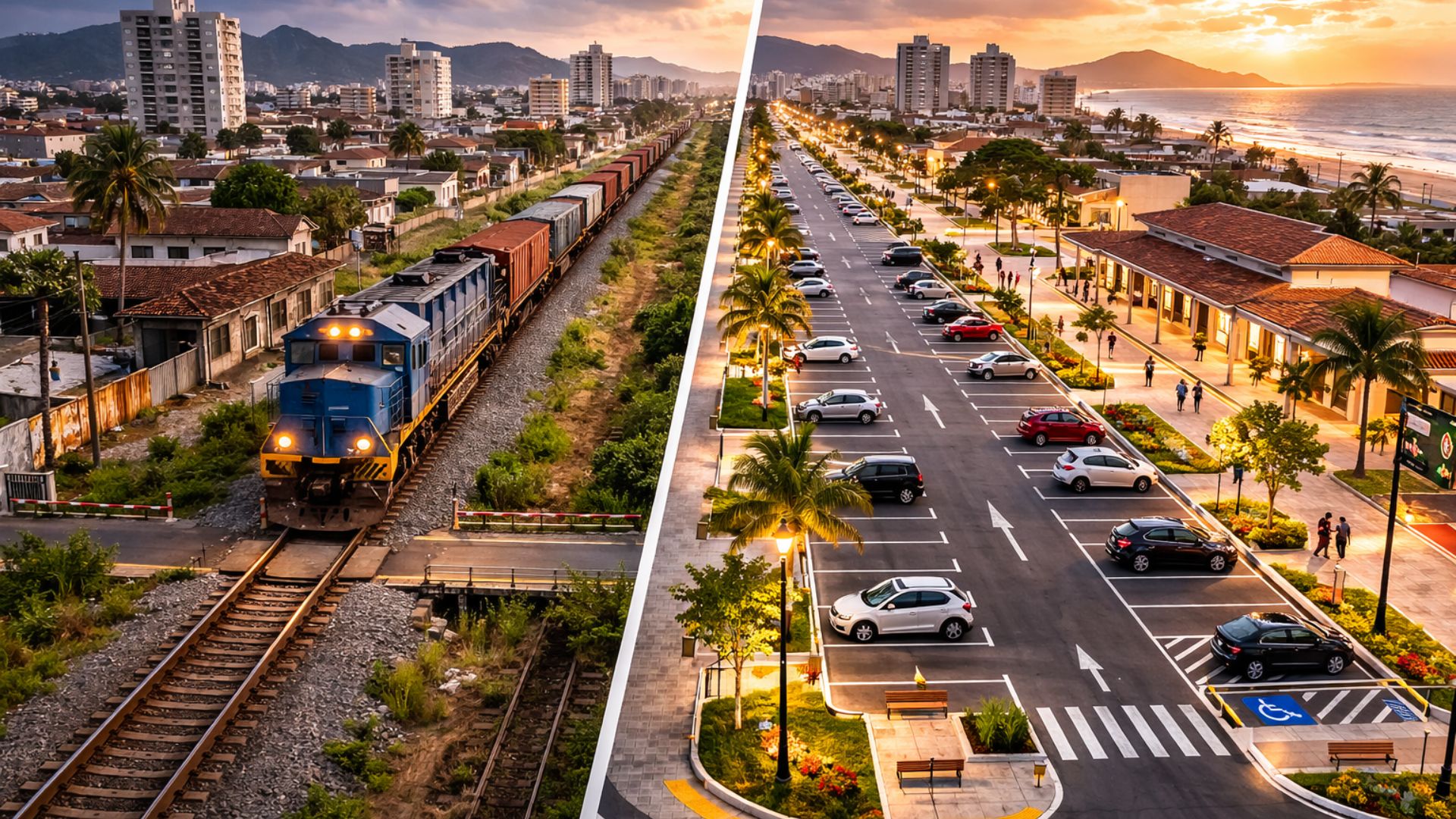
Famous Brazilian Railway May Become a Parking Lot
-
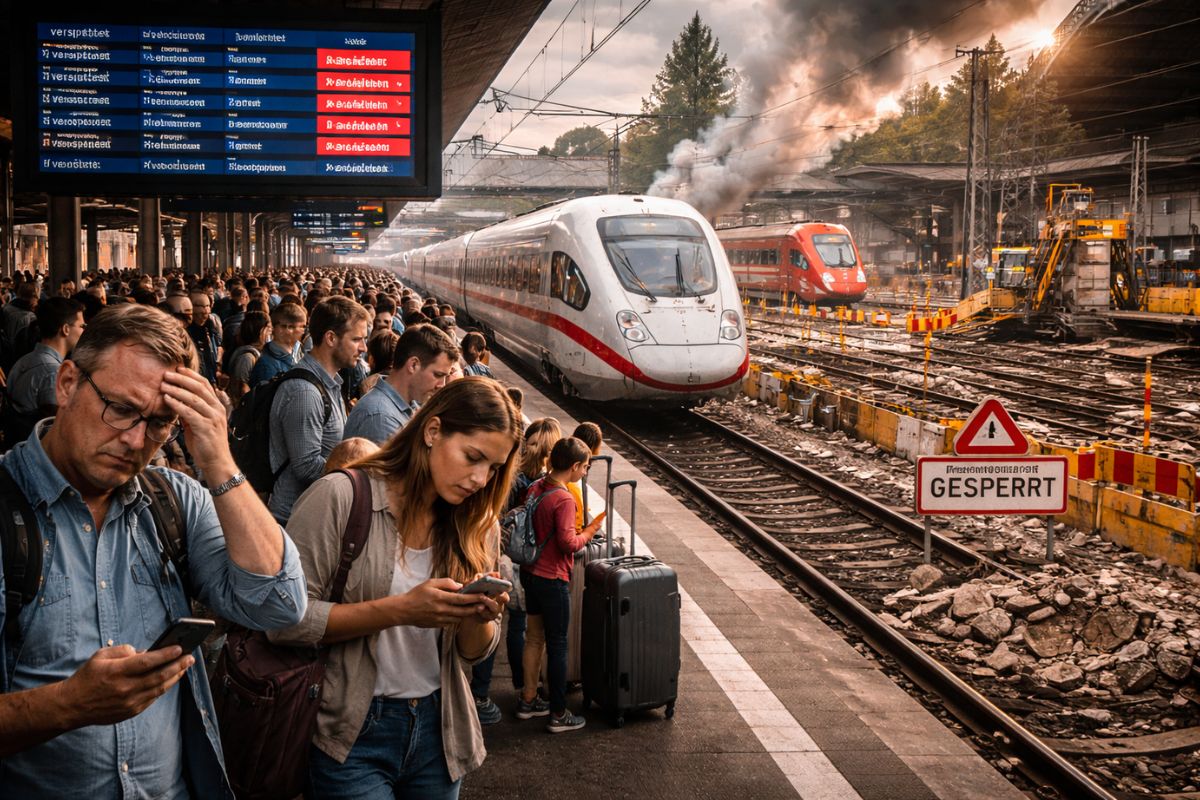
The Country of “Punctual As a Train” Admits It Has Lost Control: High-Speed Trains Delay, Stop, Disappear from the Map and Turn 6-Hour Trips into 10, While Deutsche Bahn Promises Restructuring in 2026 But Faces 19th Century Infrastructure, Staff Shortages and Sections Closed for Months
-
With an Investment of R$ 700 Million in One of the Country’s Main Rail Networks, VLI Reinforces Infrastructure, Receives 8 New Locomotives, and Expands the Corridor Connecting 7 States, Boosting Jobs and the Transportation of Grains, Ore, and Oil Products to the Port of Santos

However, the study removed the route from the Planned Mobility Network for not meeting the priority criteria for medium-high capacity collective transport.
Why did the prioritization not come?
One of the arguments is the demand measured by aggregated telecommunications data.
In the morning peak, about 3,200 trips originate in Magé and head to Petrópolis, combining both individual and collective modes.
The volume is considered insufficient to sustain a high-capacity axis, reinforcing the tourist character of the venture.
And the Next Phase?
Even outside the Planned Network, reports that discussed the ENMU state that the initiative may proceed to the bidding phase.
According to these texts, there would be favorable opinions from heritage and environmental agencies for the requalification of the route — INEA, IPHAN, and INEPAC.
As of August 12, 2025, we did not find any official publications of these authorizations on institutional websites; therefore, this information remains attributed to the reports.
Technology Inspired by the Corcovado Train
The terrain of Serra da Estrela imposes steep ramps that make a conventional light rail unfeasible due to adhesion (wheels on the tracks).
In tram or light rail systems, usual slopes are typically below 5% to 6%.
To overcome steeper slopes, a rack and pinion system (central gearing) is used, a solution present in the Corcovado Train in Rio.
At Corcovado, official technical documents record a maximum slope of 30%, far exceeding that of common urban lines.
For this reason, the ENMU suggests that, if it moves forward, the project adopts technology similar to that of rack and pinion, suitable for mountainous stretches.
How does this technology relate to the visitor experience?
In rack and pinion railways, speeds are lower, and operations prioritize safety and scenery, aligning with the concept of tourist light rail between Magé and Petrópolis and, by extension, a tourist train from Magé to Petrópolis focused on leisure and heritage education.
Route, Stations, and Integration
The proposed route measures 6.5 km and includes five stations, with integration at the Vila Inhomirim station — a historical point marking the transition between the flat stretch and the old ascent of the mountain.
The connection with the metropolitan branch would allow access to the system by commuter train and continue the journey on the tourist light rail between Magé and Petrópolis.
This arrangement favors day tourism and school excursions without the need for dedicated buses, in addition to reducing pressure on local roads on weekends and holidays.
Measured Demand and Tourist Appeal
The 3,200 trips during the morning peak indicate significant circulation but are still below the necessary threshold for a Medium-High Capacity Public Transport (TPC-MAC).
In this context, the solution aimed at visitation and historical recovery becomes more fitting.
The strategy also aligns with the national guideline to diversify transport modes with efficiency and sustainability gains, especially when there is potential for railway tourism.
The ENMU itself forecasts the expansion of networks until 2054, combining subways, urban trains, and light rail systems in major centers.
And the Economic Impacts?
Tourist projects of this nature tend to have a multiplier effect on local services — guides, food, lodging, and complementary transportation.
Although there are no official estimates published for the Magé-Petrópolis route so far, Brazilian and international experiences with scenic railways indicate an increase in average visitor length of stay and higher per capita spending.
The design of tariffs and governance will be decisive for viability.
Railway Heritage and Safeguards
The area crosses designated historical sites and protected areas.
IPHAN manages historical railway assets in the country, and interventions generally require specific restoration and impact mitigation projects.
As mentioned, reports claim that INEA, IPHAN, and INEPAC have given preservation approval for the route, but there is no publicly accessible official publication with these authorizations as of this date; this mention remains as journalistic information attributed to secondary sources.
What Will Be the Operating Model?
If it moves forward, the definition of the operator, specialized maintenance for rack and pinion systems, and the visitation plan will be central.
The experience of the Corcovado Train can guide safety requirements, climate resilience, and management of seasonal peaks, with protocols that balance tourist flow and environmental conservation.
Historical Context: Brazil’s First Railway
Inaugurated on April 30, 1854, the Mauá Railway connected the Port of Mauá (Guia de Pacobaíba) in Magé to Fragoso and later to Vila Inhomirim (Raiz da Serra), where the old rack ascent to Petrópolis began, deactivated in the 1960s.
The proposed route today recaptures part of this founding axis of Brazilian railway, adding educational narratives about Baron of Mauá, Serra da Estrela, and the role of the railway in the 19th century.
What Still Needs to Be Defined
There are outstanding points: public dissemination of the detailed report for Magé-Petrópolis in the ENMU; official and documented confirmation of the cited authorizations for heritage and environment; financing arrangement, especially if the scope requires rack and pinion and specific rolling stock; and the bidding schedule.
While these elements are unpublished, the tourist light rail between Magé and Petrópolis remains an alternative to a tourist train from Magé to Petrópolis associated with the revitalization of the Vila Inhomirim branch, on tracks different from those used by regular metropolitan trains.
Why Does This Project Mobilize So Much Interest?
Because it intersects history, tourism, and local mobility in a short, technically challenging corridor with high symbolic value for the state of Rio de Janeiro.
If well-structured, the tourist light rail between Magé and Petrópolis can complement other rail experiences in the country and retell, in motion, the story of the first railway in Brazil — just as the tourist train from Magé to Petrópolis does in the imagination of those advocating for the proposal.









-

Uma pessoa reagiu a isso.