





 English
  Francês
  Alemão
  Italiano
  Japonês
  Norueguês
  Portuguese
  Spanish
  4 min of reading


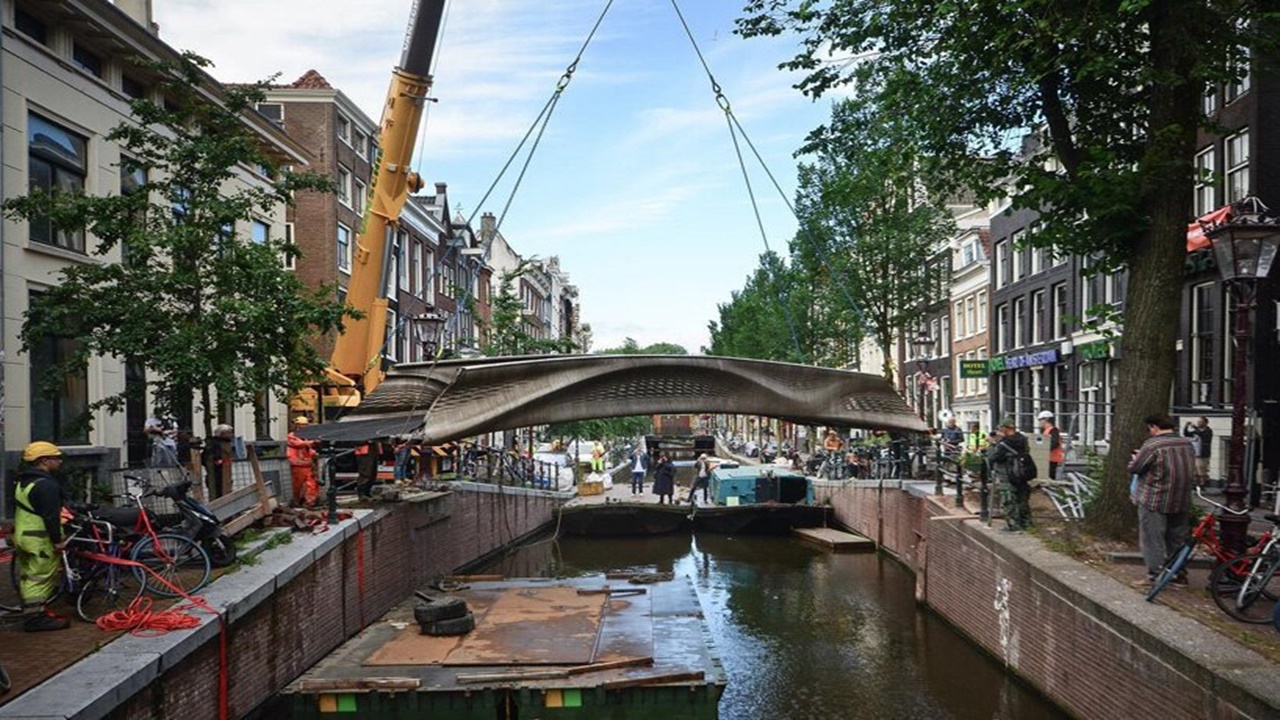
The Bridge Was Created by Robotic Arms, Is 12 Meters Long, Made of 4500kg of Stainless Steel, and Took Six Months to Print.
If you walk along the Oudezijds Achterburgwal canal in Amsterdam, you will notice an elegant and aesthetically pleasing steel pedestrian bridge. If it weren’t for the media attention it received, you might even consider it a regular feature of the city’s architecture. But this sensor-laden bridge is actually the world’s first 3D-printed steel bridge, according to a press release from Imperial College London.
Read Also
- Pyrite, the Brilliant Yellow Mineral Known as “Fool’s Gold” for Deceiving the Less Experienced, May Make Fools Rich!
- Ethanol Demand Will Plummet with the Accelerated Arrival of Electric Cars in the Country, and Brazil Will Flood the Global Sugar Market
- Oil Workers’ Earnings Plummeted 37% in the Last Decade, and Salaries at Petrobras Have Become One of the Lowest Among Competitors
- Chinese State Grid, One of the Largest Power Transmission Companies in the World, Is Hiring for Mid-Level, Technical, and Senior Positions
- Demand for Diesel, Gasoline, and Ethanol Increases Even with Fuel Prices at Record Highs in Brazil
- New Historic Record in Regasified LNG Supply in the Country Achieved by Brazil’s Largest Oil Company
Printed by four robots in just six months, the bridge heralds a new beginning in additive manufacturing. Most 3D printing projects, whether designed for outer space or rapid infrastructure, use proprietary inks or starting materials. This bridge, however, uses steel, a building material, as an experiment to test whether it can find applications in 3D printing.


“A large and strong 3D-printed metallic structure capable of handling pedestrian traffic has never been built before,” said the co-investigator, Imperial Prof. Leroy Gardner from the Department of Civil and Environmental Engineering, in a press statement. “We tested and simulated the structure and its components throughout the printing process and after its completion, and it’s fantastic to see it finally opened to the public.”
-
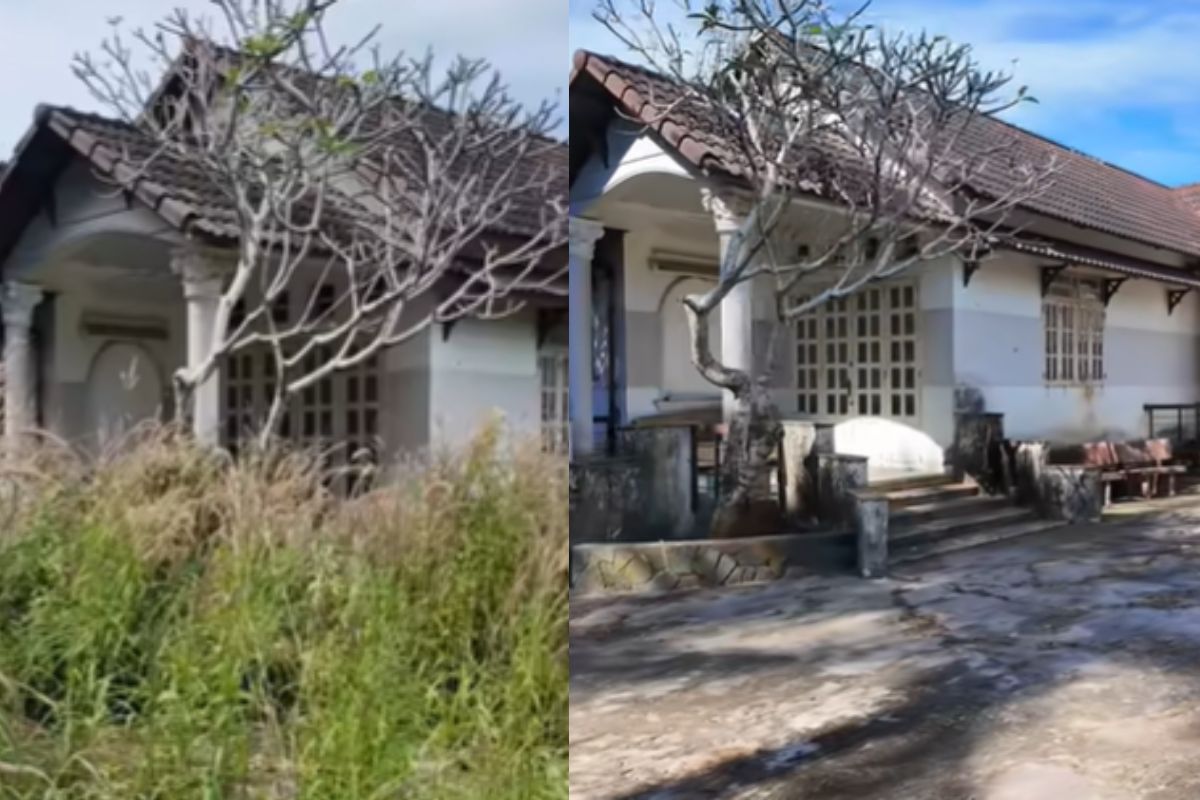
Abandoned house for 15 years disappears in the woods, shocks owner with unrecognizable scenery and is reborn in an intense transformation after almost 90 hours of work in just 10 days.
-
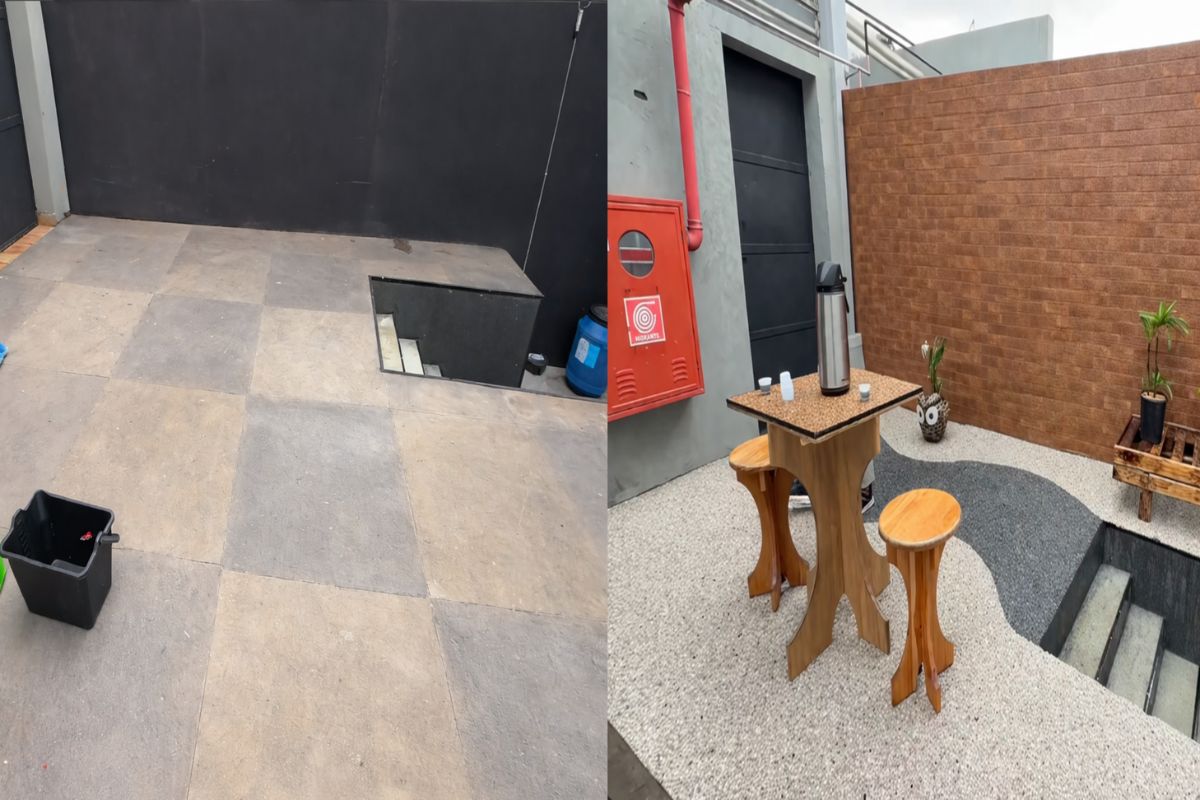
In just three hours, a natural stone floor transforms the entrance of the house with an organic effect, immediate drainage, and a sophisticated non-slip finish that doesn’t puddle water, dries quickly, and impresses with the final result.
-
‘Interlocking brick’ made of earth arrives in the construction industry with cost reductions of up to 40% on the project.

-
Espírito Santo will receive the largest engineering project in its history with the duplication of BR 262, which will have 50 viaducts, 28 bridges, and 2-kilometer tunnels cutting through the most challenging mountainous region of the entire state.

How Do You Print a Steel Bridge?
The project, initiated in 2015, utilized multi-axis robots to heat the steel to 1,500°C and constructed the bridge layer by layer. The nearly 12-meter-long bridge is made up of about 4,500 kg of stainless steel. Considering the way the bridge was constructed, it was only fitting that a robot was actually used to inaugurate it.
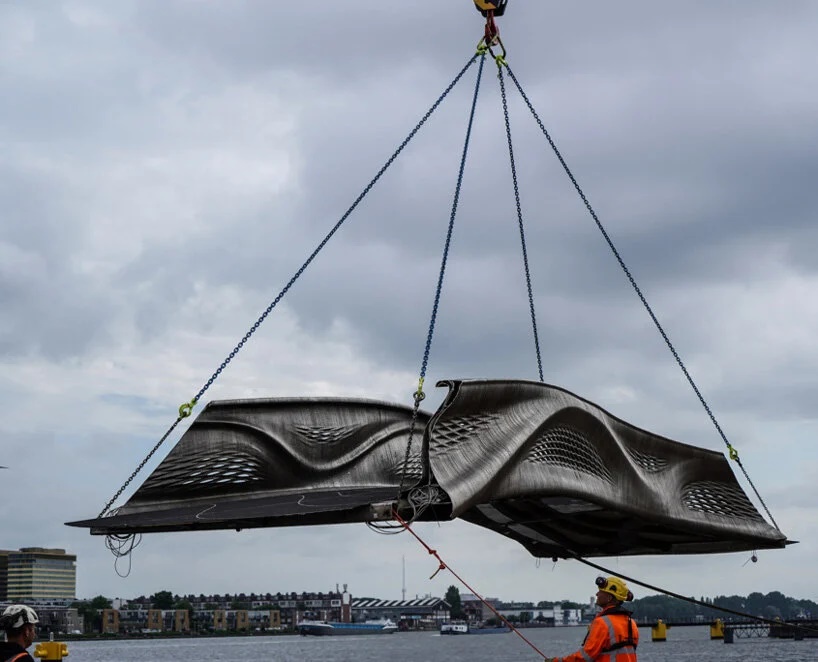
Queen Maxima of the Netherlands pressed a green button to set a robotic arm equipped with scissors in motion to cut the ribbon and open the bridge for pedestrians and cyclists.
The bridge is also equipped with multiple sensors that will collect data on stress and vibration as people use it under various weather conditions. This data will then be fed into a “digital” replica of the bridge that will help researchers better understand how 3D-printed steel behaves over time. It will also help them identify areas that may require maintenance or modifications and use that information for larger construction projects.
The project was completed through the collaborative efforts of MX3D, a Dutch startup focused on metal 3D printing, researchers from Imperial College London, and the Alan Turing Institute.
“3D printing is about to become a major technology in engineering, and we need to develop appropriate testing and monitoring approaches to realize its full potential,” said Professor Mark Gilorami from the Turing Institute, who led the project.
The 3D-printed bridge is scheduled to remain in place for a period of two years while the original bridge is being refurbished.
What’s Next for 3D-Printed Bridges?
Engineers will use the digital model on the computer to see how the bridge is performing and decide if any adjustments or maintenance may be necessary.
They will also use anything learned from this model for future 3D steel structures, so they can see what worked well and what did not, and apply that to more complex construction projects.
Mark Girolami from the University of Cambridge, who is working on this digital model, said that sometimes any problems with bridge failures are discovered too late, so having this digital model providing constant feedback from data means they can detect any problems more quickly.
References:
Article: Testing and Initial Verification of the World’s First Metal 3D Printed Bridge
Authors: Leroy Gardner, Pinelopi Kyvelou, Gordon Herbert, Craig Buchanan
Journal: Journal of Constructional Steel Research
Vol.: 172, 106233
DOI: 10.1016/j.jcsr.2020.106233








Seja o primeiro a reagir!