





 Portuguese
  English
  Spanish
  4 min of reading
  2 comments


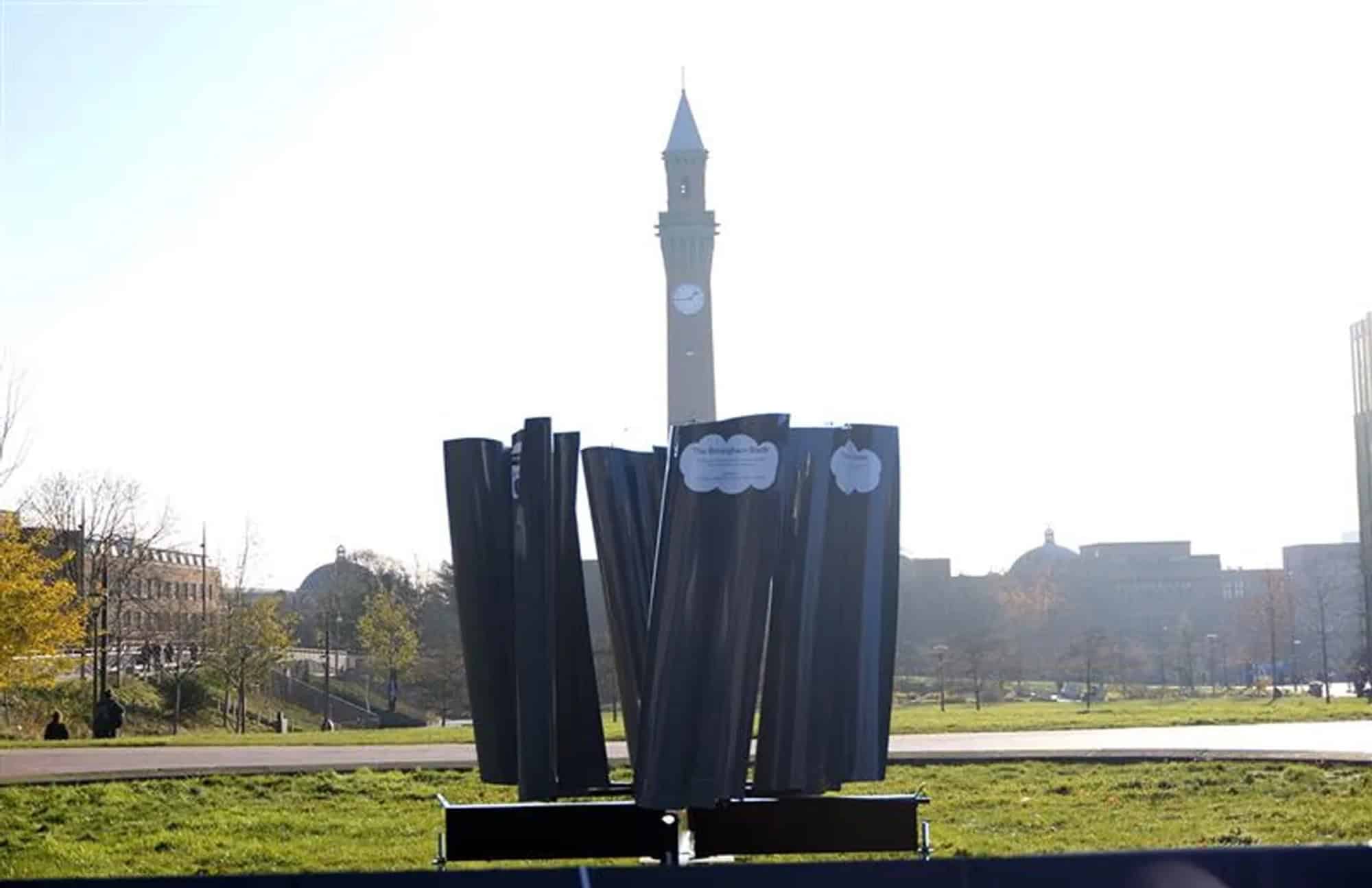


Birmingham Blade, The First Turbine Created With Artificial Intelligence, Inaugurates a New Era in the Use of Renewable Energy in Urban Environments, Making Cities More Sustainable and Efficient.
When we think of wind energy, we usually imagine enormous turbines spinning in open fields or out in the ocean. But what if we said that it is now possible to bring this technology to cities? That is exactly what the Birmingham Blade, the first urban wind turbine designed by AI, promises to do. Created in the United Kingdom, this AI-designed turbine could be a game-changer in the use of wind energy in urban settings.
Meet The AI-Designed Turbine
The Birmingham Blade is a wind turbine specifically designed to operate in urban areas. It was developed in partnership between EvoPhase, an AI design specialist, and KwikFab, a precision metal manufacturer. The main idea? To create a compact, lightweight, and efficient turbine that can be installed on rooftops and adapted to the specific wind conditions of cities.
And why Birmingham? The city has average wind speeds of 3.6 meters per second, well below the 10 meters per second for which most traditional turbines are designed. This challenge was the starting point for creating a revolutionary design, with curved blades that rotate around a central point. According to EvoPhase, the urban wind turbine is up to seven times more efficient than traditional designs found in the area.
-
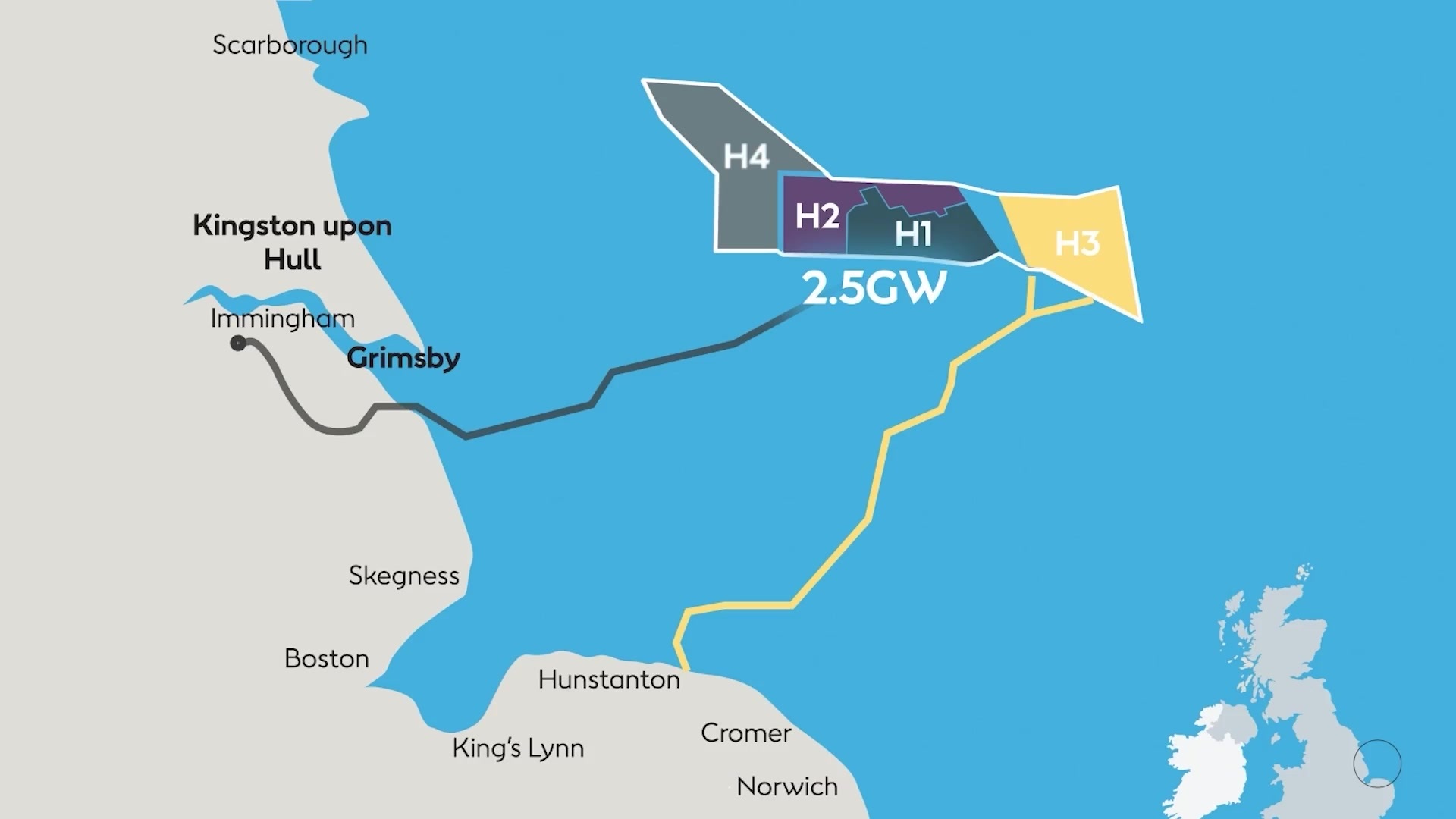
231 turbines of 260 meters at 160 km from the coast, monopiles weighing as much as nine blue whales embedded in the North Sea, and a crane ship taller than the Eiffel Tower: Hornsea 3 will be the largest offshore wind farm on the planet by 2027, and its first components have already arrived in England.
-
International Certification Puts Senai Norte on the Renewable Energy Map and Expands Access to Essential Training for Qualified Wind Power Professionals

-
The Winds of the Northeast Are in Foreign Hands: Nearly 70% of the Region’s Wind Farms Are Owned by International Companies, with France, China, and Italy Leading Investments in Wind Energy in Brazil
-
Echoenergia’s Wind Farms Receive Diamond and Platinum Seals and Boost Carbon Credits with Projects that Prevent Large Volumes of Annual Emissions

Artificial Intelligence at the Heart of Innovation
The star behind this urban wind turbine is artificial intelligence. EvoPhase used an AI-driven design process to generate and test over 2,000 prototypes in just a few weeks. According to Leonard Nicusan, the company’s CTO, AI allowed them to break free from long-standing biases that have influenced turbine designs for over a century.
“AI gave us the chance to explore design possibilities beyond what human experimentation could achieve. In weeks, we accomplished what would take years and millions of pounds by conventional methods,” emphasized Nicusan.
This evolutionary design process, inspired by natural selection, was developed by a research group led by Dr. Kit Windows-Yule at the University of Birmingham. It allows for the optimization of multiple factors simultaneously, eliminating the need to compromise performance to achieve practical viability.
Why Are Urban Turbines Important?
With increasing urbanization, renewable energy solutions tailored for cities are essential. Traditional turbines often face difficulties in urban environments due to unpredictable wind conditions and turbulence caused by buildings. The Birmingham Blade was designed to overcome these challenges.
Compact and lightweight, the urban wind turbine is perfect for rooftop installation, harnessing moderate winds in urban areas. Its innovative design is a ready-to-use predictive solution in the real world, not just a prototype. The initial iteration will be made from aluminum and installed in Birmingham for testing, with the official launch expected by the end of 2025.
Wind Energy and Global Accessibility
While this AI-designed turbine is a milestone for urban renewable energy, its impact could extend beyond the United Kingdom. Paul Jarvis from KwikFab emphasized that the Birmingham Blade was designed to be adapted to the specific wind conditions anywhere in the world. This means that cities in different countries will be able to benefit from an accessible and efficient technology to harness wind energy.
“We can take a complex design, manufacture it, and ship a prototype for testing within weeks. Our goal is to work with organizations that want to maximize the use of a sustainable energy source that is free and present worldwide,” said Jarvis.
The Future of Urban Wind Energy
The urban wind turbine is an example of how technology can transform the use of renewable sources in challenging environments. With its enhanced efficiency and adapted design, it can help reduce reliance on polluting energy sources, promoting a faster transition to a sustainable future.
The use of AI in the design of this turbine opens doors to new possibilities in the renewable energy sector. Rather than relying on traditional and time-consuming methods, artificial intelligence allows for the rapid optimization of complex solutions, saving time and resources.
With the final launch expected in 2025, the Birmingham Blade is already making history. And can you imagine your city harnessing winds to generate clean energy directly from the rooftops? The future is right around the corner, spinning with the force of the wind and the intelligence of technology.








Excelente artigo. Qual deverá ser o valor estimado para venda?
Eu amei e tenho amado estes artigos! Que estes informes sejam sempre contínuos e frequentes! Parabéns por mais uma matéria de relevância cultural e científica!👏🏾👏🏾👏🏾👏🏾 Jacareí-SP.