





 Portuguese
  English
  Spanish
 3 min of reading
  0 comments


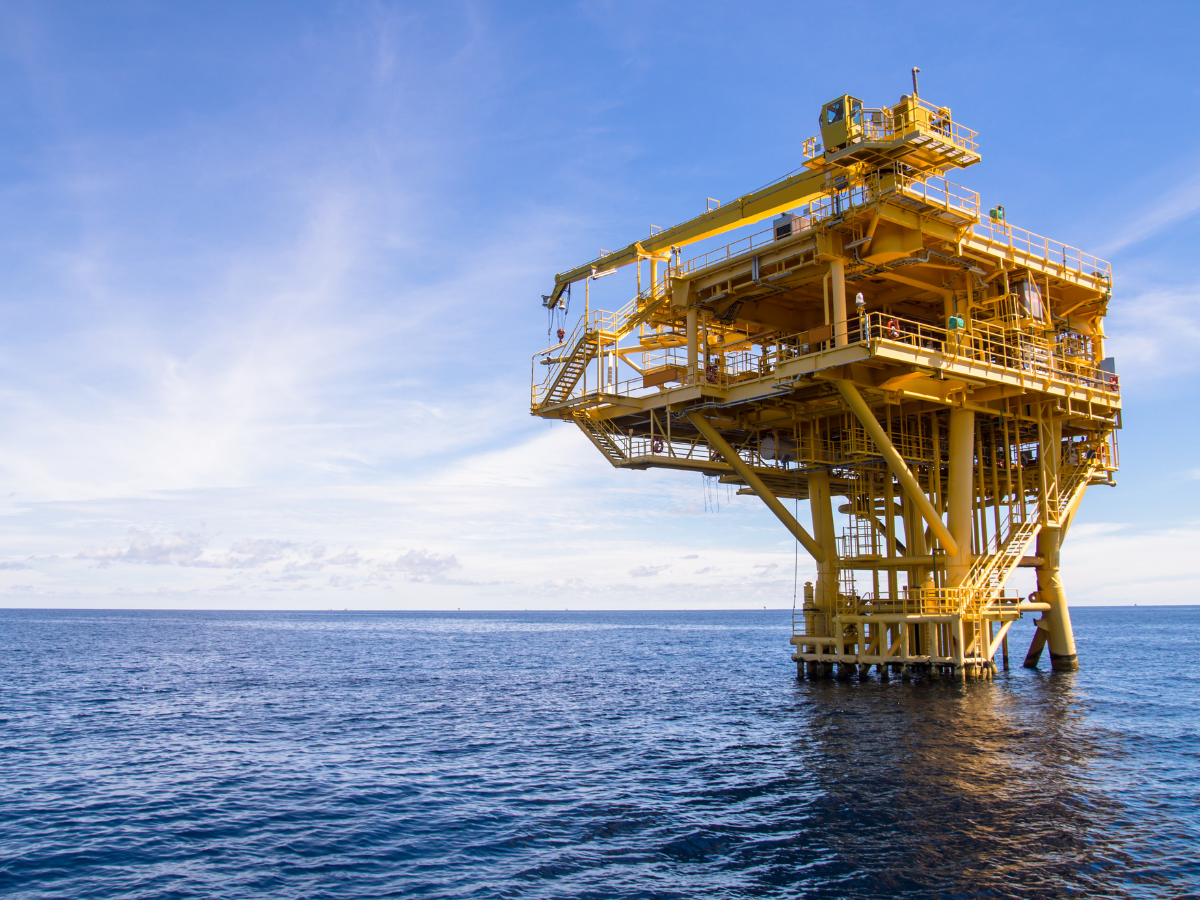
Pioneering Project of the First Underground Storage Unit Will Be Implemented at the Manati Field in Bahia, and Promises to Transform the Way the Country Deals with Natural Gas Supply, Bringing More Security, Economy, and Energy Stability.
Brazil is about to take an important step in its energy journey. In 2027, the country will inaugurate its first underground natural gas storage unit, something unprecedented here but common in countries with more mature markets. The installation will be made at the Manati Field on the coast of Bahia and represents a practical and strategic solution to avoid waste and ensure continuous supply of gas, even in times of high demand.
With the new system, gas can be stored when consumption is low and reused when demand is higher. This means more flexibility for the sector and less dependence on expensive imports.
Lack of Structure Hinders the Natural Gas Sector in Brazil
Today, Brazil still does not have an efficient structure to store natural gas.
-
A major turn in the Justice system suspends tax increases and directly impacts oil and gas companies in Brazil by affecting costs, contracts, and financial planning, leaving uncertain what could happen to the sector if these costs had increased.

-
Brava Energia begins drilling in Papa-Terra and Atlanta and could change the game by reducing costs in oil while increasing production and strengthening competitiveness in the offshore market.

-
Petrobras surprises the world again by announcing a new discovery in the pre-salt with excellent quality oil.

-
Offshore industrial demand in Macaé skyrockets with the recovery of oil and gas and could grow by up to 396% by 2026 in the Campos Basin.
Therefore, during periods of low demand, companies are forced to reduce production or resort to importing gas, which ends up increasing costs for everyone.
For Celso Silva, CEO of GBS Storage — the company responsible for the project —, the innovation comes to address this problem.
In an interview with Movimento Econômico, he explained, “Underground storage is an essential tool in mature markets and will finally be implemented in Brazil, with the aim of balancing supply and demand, reducing losses, and ensuring stability to the energy system.”
Manati Field Will Gain a New Function: From Producer to Gas Reservoir
Located about 10 kilometers off the coast of the municipality of Cairu in Bahia, the Manati Field is already in a phase of production decline.
Instead of shutting down its activities, the idea is to give a new life to the site, transforming it into a natural reservoir.
GBS Storage intends to use the existing infrastructure in the field — which includes a 125 km gas pipeline, a compression station, and a fixed platform — to reinject gas into the wells.
This way, gas can be stored and retrieved according to market needs, with much more efficiency and cost savings.
Partnerships and Positive Impact on the Local Economy
GBS Storage is part of the management company Lorinvest and already has a 20% stake in the Manati Field. The other project partners are Petrobras, with 35%, and Brava Energia, with 45%.
The expectation is that commercial underground storage operations will begin in 2027, marking a new era for the sector.
In addition to contributing to gas supply in Brazil, the initiative may also keep the local economy active. Even after traditional production ends, the infrastructure will continue to be used, ensuring jobs and generating revenue for the municipality.
The arrival of the underground natural gas storage unit brings many benefits: more control over gas usage, less waste, savings on imports, and a more prepared energy system to face market fluctuations.
This transformation signals a new moment for Brazil in the energy sector — more modern, efficient, and aligned with the best international practices.
For the end consumer, it is a hope for more stable services, with fewer surprises and more predictability in gas supply.
Source: Folha PE








Seja o primeiro a reagir!